This guide helps you plan and build a pedalboard that actually gets used — not one that collects dust. You’ll learn which pedals belong where, how to match features to your goals, and how to pick gear that makes practising, gigging, and recording easier.
Whether you want compact portability, studio‑ready tones, or a simple looping setup, the right choices save you money and speed up your creative workflow. Read on and you’ll be able to assemble a pedalboard that sounds great and fits your life.
| Category | Product | Score |
|---|---|---|
| 🏆 Best All-In-One | Mooer GE150 Pro | 95/100 |
| 🚀 Best For Portability | Valeton GP-5 | 90/100 |
| 🎯 Best Simple Looper | BOSS RC-1 | 88/100 |
| 🔰 Best For Multiple Loops | LEKATO Looper | 86/100 |
| 💰 Best Budget Multi | Mooer GE100 | 83/100 |
| ⭐ Best Stomp Tuner | BOSS TU-3 | 92/100 |
| 🎨 Best For Blues | BOSS BD-2 | 91/100 |
| 🔥 Best Classic Distortion | BOSS DS-1 | 89/100 |
| 🌌 Best Ambient Reverb | Walrus Ambient | 90/100 |
| 🧠 Best Tone Modeling | Tonex One | 87/100 |
You want gear that helps you play more and worry less. We evaluated pedals based on practical value: reliability and build quality, ease of use, how well the feature set matches common use cases (practice, gigging, recording), and price-to-performance.
We also weighed portability for travel rigs, expandability for future pedals, and how a unit fits into a typical signal chain. That means you’ll see compact modelers for travel, simple loopers for live layering, trusted stompboxes for tone, and budget options that give the most features per dollar.
If you’re putting together a pedalboard this holiday season, the RC-1 is one of those straightforward pieces that makes everything easier. You get a compact, road-ready stompbox with a really clear 24-segment LED that helps you lock timing, plus a generous 12 minutes of stereo recording for practicing, sketching song ideas, or building backing parts.
It runs on batteries or AC, has stereo in/out and can accept an external footswitch, so it fits both bedroom practice and a pared-back live setup. For a no-fuss looper that just gets out of your way, this is a solid pick you can rely on.
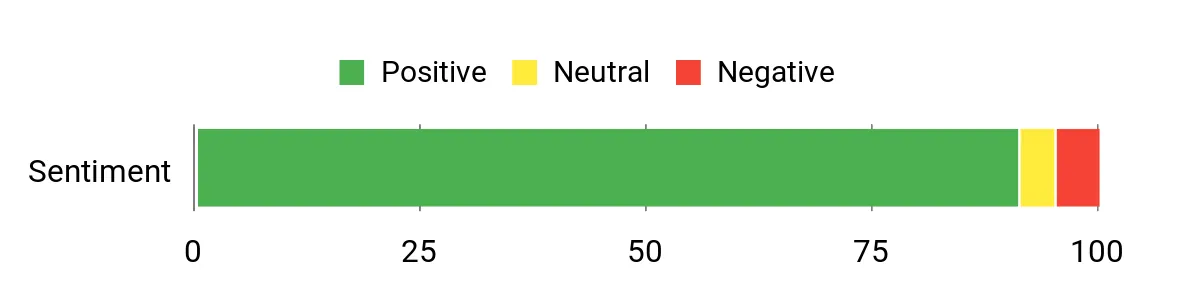
Folks commonly praise how simple and dependable the RC-1 is, saying it’s easy to get comfortable with the tap and overdub workflow. Many mention the clean sound and long recording time, and the circular LED frequently comes up as a helpful timing guide.
Users also appreciate the sturdy construction and the option to run on battery or AC.
Overall Sentiment: Positive
| Situation | How It Helps |
|---|---|
| Home Practice | You can loop full sections and practice solos or harmonies without setting up extra gear, using battery power for quick sessions. |
| Songwriting | Record ideas in stereo and layer parts to flesh out arrangements fast, then use overdub and undo to experiment. |
| Small Live Sets | The sturdy housing and clear LED make it reliable on stage, and external footswitch support keeps your hands free. |
| Busking / On The Road | Battery operation and compact size let you loop anywhere without a power outlet, so you can build backing tracks on the fly. |
The RC-1 keeps the design intentionally simple while adding a 24-segment circular LED that makes loop status and timing easy to read at a glance, which is a thoughtful take on usability rather than piling on confusing features.
| Feature | Customization Level |
|---|---|
| Tap Modes | Choose different tap-order modes to change how record and overdub behave |
| External Footswitch | Add an optional footswitch to control remote start/stop and keep hands free |
| Level Control | Adjust the output level to balance the loop with your dry signal |
| Power Options | Run on battery for portability or AC power for longer sessions |
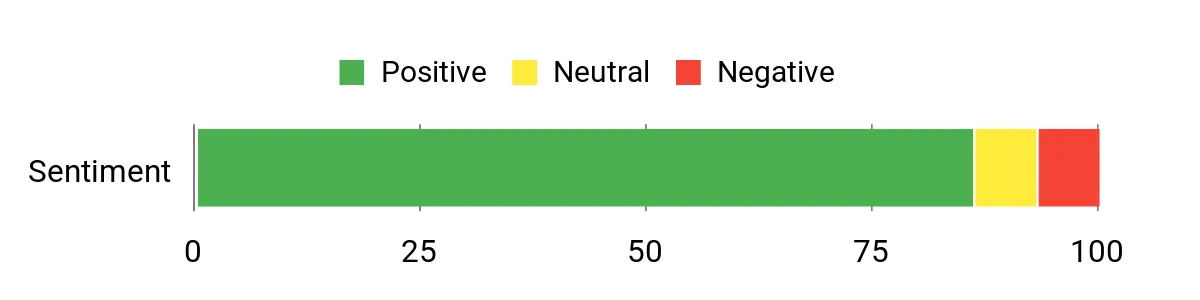
If you’re putting together a holiday pedalboard, the GE100 is one of those compact multi-tools that makes life easier. You get a big, easy-to-read screen, a huge preset library you can tweak, an onboard looper and drum machine for practice or quick backing tracks, plus assignable expression controls so you can shape effects in real time. It’s handy for daily practice, sketching song ideas, and small gigs or jam nights when you want fewer boxes on the board. For a no-fuss, feature-packed unit that covers a lot of ground, it’s a sensible pick you can live with on the road and at home.
Most players appreciate how much the GE100 packs into one compact unit — people commonly praise the looper and drum machine for practice and sketching ideas, and they like the large screen and broad preset options. Customers also note it’s very tweakable, though some mention a learning curve when dialing in sounds and occasional inconsistencies in preset volume levels or regional charger/firmware quirks.
Overall Sentiment: Positive
| Situation | How It Helps |
|---|---|
| Bedroom Practice | Use the headphone out, drum machine and looper to rehearse parts and build practice loops without hauling an amp. |
| Songwriting | Layer parts with the 180-second looper and save ideas into user patches to revisit later. |
| Small Gigs / Open Mics | The large screen and assignable pedal controls make switching patches and tweaking sounds onstage less fiddly. |
| Travel / Busking | Run on 4 AA batteries or a DC adapter for flexible power options and a compact setup that’s easy to carry. |
The GE100 blends a roomy, readable interface with a typically crowded multi-effect feature set—big screen, assignable expression parameters and an integrated 180s looper plus drum patterns—so you can build and tweak usable tones without extra gear.
| Feature | Customization Level |
|---|---|
| Preset/User Patches | 80 factory presets and 80 user slots let you save and recall personalized tones |
| Assignable Expression Pedal | Map up to 6 parameters for dynamic control of wah, volume or effect depth |
| Effect Modules | 8 modules with 66 effect types to mix and match chains and sculpt tones |
| Looper & Drum Machine | 180-second looper and 40 rhythm patterns for creating backing tracks and practice loops |
| Output Mode | Adjustable output mode (line out vs amp) to get a better direct tone when not using an amp |
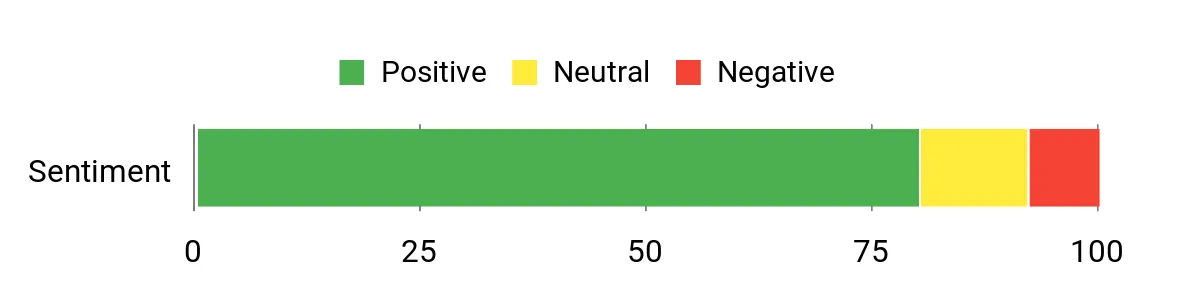
If you want to add serious looping power to your holiday pedalboard, this little LEKATO unit is one of those gadgets you’ll keep reaching for. You get nine separate loop banks and a visual LED display that makes timing easier, plus studio‑grade 48K/24‑bit uncompressed audio and an analog dry‑through path so your tone stays natural. It’s great for daily practice — use the tuner and the long memory to build practice backing tracks — but it also works for small gigs, songwriting sessions or building ideas on the fly.
It’s compact, straightforward to use, and worth considering if you like layering multiple parts without hauling a laptop or big rig.
Most players like how much looping power is packed into such a small pedal — the long recording time, bright LED display and reliable tuner get frequent praise. People also comment that it sounds clean and feels solid, though a few mention being picky about power supplies or wishing larger foot switches for easier bank switching onstage.
Overall Sentiment: Positive
| Situation | How It Helps |
|---|---|
| Bedroom Practice | Use long loop times and the tuner to build practice beds and rehearse solos without needing extra gear. |
| Songwriting | Layer multiple parts across banks to sketch arrangements and return to ideas later via USB backup. |
| Small Gigs / Open Mics | LED timing indicators and undo/redo foot commands make on-the-fly corrections and live layering simpler. |
| Travel / Compact Rigs | Its small footprint and analog dry‑through let you add looping to a pared-down board without changing your core tone. |
The LEKATO squeezes multi-bank looping, uncompressed 48K/24‑bit recording, USB file transfer and a usable tuner into a compact metal enclosure, so you can manage several full-length loops without extra devices.
| Feature | Customization Level |
|---|---|
| Loop Banks | 9 separate banks let you store distinct loops for different songs or sections |
| Loop Length | Set the first loop length up to 10 minutes; overdubs follow that base length |
| Foot Commands | Record, stop, undo/redo and erase all accessible via different foot presses for live control |
| USB Import/Export | Upload and download WAV loop files to edit or archive on your computer |
| Tuner Mode | Built-in high-sensitivity tuner with continuous switching to avoid interrupting playback |
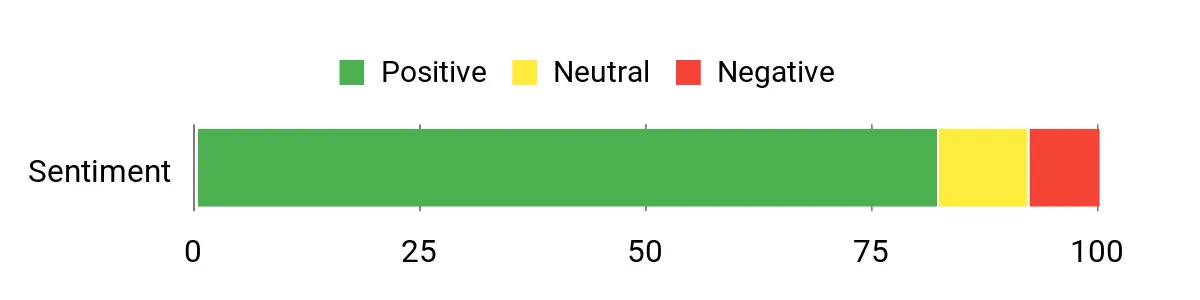
If you're putting together a holiday pedalboard and want one compact box that can do a lot, the Mooer GE150 Pro is an easy one to recommend. It packs amp modelling, cabinet sims, an expression pedal and four multi-purpose footswitches into a small footprint, plus a usable looper and a drum machine so you can practice, write, or play solo shows without dragging a full rig. The USB‑C OTG recording and GIR/IR loader make it simple to capture ideas or load your favourite cabinet responses, and the Pro Li variant adds long battery life if you like playing outside or at impromptu jams.
In short, it’s great for daily practice, quick home recording sessions, and lightweight gigging when you want fewer cables and more tone options — a solid, flexible piece to build around.
Most players say the GE150 Pro punches above its size — people commonly praise the variety and realism of the amp sims, the convenience of the looper and drum patterns, and the ability to record via USB‑C. Users also note the flexibility of the footswitches and IR loading, while a few mention a short learning curve for deeper editing and occasional nitpicks about the expression pedal feel or screen visibility.
Overall Sentiment: Positive
| Situation | How It Helps |
|---|---|
| Bedroom Practice | Use presets, the built-in tuner and drum patterns to practice efficiently without extra gear; the looper makes repetition simple. |
| Songwriting | Layer ideas with the stereo looper and back them with drum grooves to sketch full arrangements on the fly. |
| Small Gigs / Busking | Run direct to a PA or use the battery option to play unplugged sets while keeping a wide palette of tones and backing rhythms. |
| Travel / Gear-Light Rigs | Its compact footprint and all-in-one feature set let you leave bulky pedals at home and still have versatile sounds. |
Combines MNRS modelling with IR/GIR support, four assignable footswitches and a built‑in stereo looper/drum module, letting you map performance controls and load realistic cabinet samples without extra hardware.
| Feature | Customization Level |
|---|---|
| Amp Module Slots | Load and save up to 20 sample slots for amp modelling, plus 55 built-in amp preamps to tweak |
| Cabinet/IR Support | Import GIR/IR files and store them across the cab module's 20 slots for tailored speaker responses |
| Preset Editing | 200 factory presets are fully editable so you can save and recall your own signal chains and effect settings |
| Expression Pedal Mapping | Map the pedal to sweep effect parameters or switch it to volume mode via the toe‑tap feature for performance flexibility |
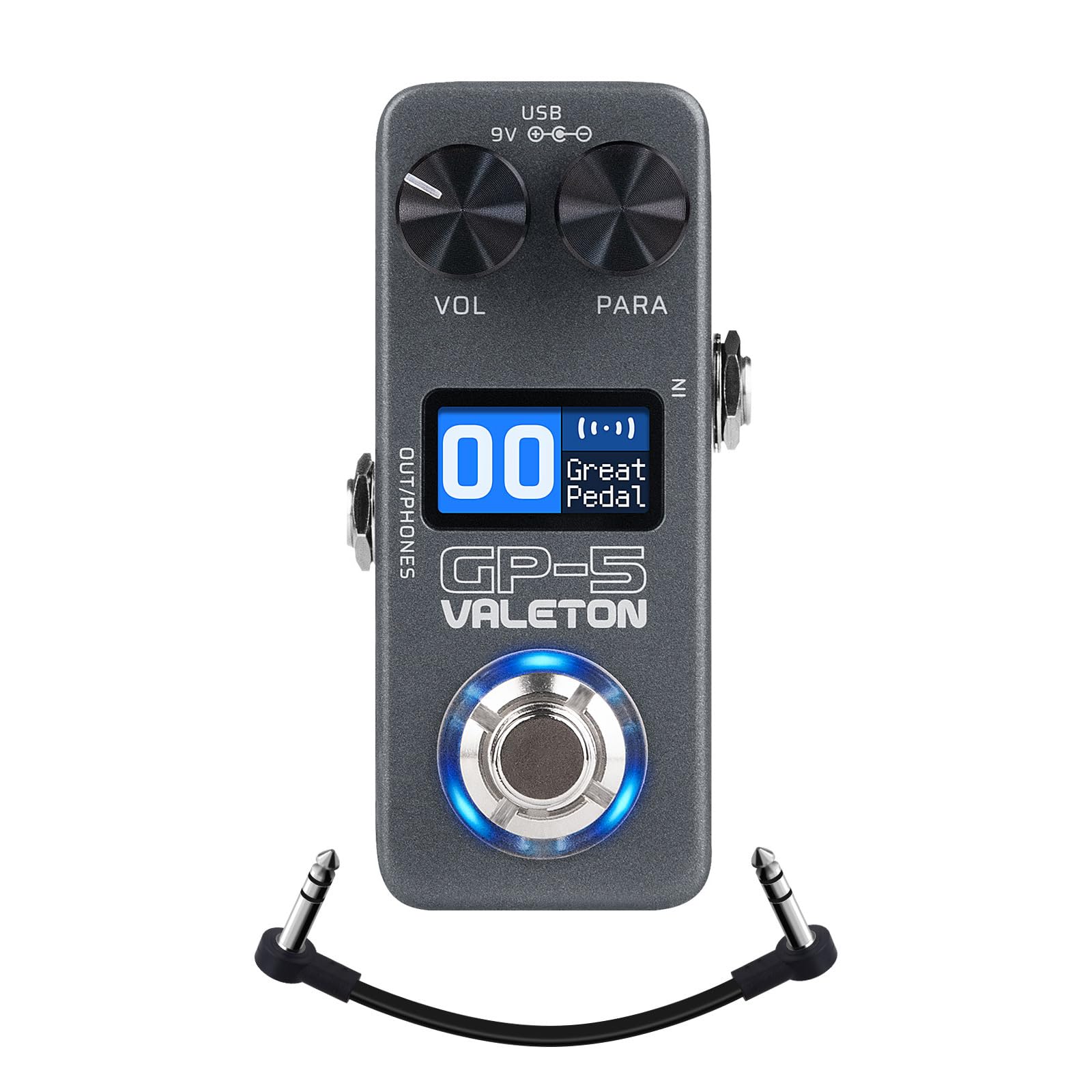
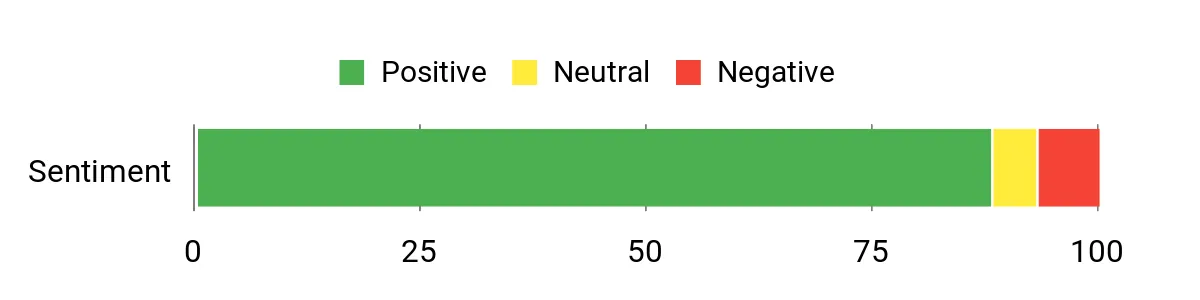
If you're putting together a holiday pedalboard and need something tiny that still covers a lot of ground, the Valeton GP-5 is worth a close look. It lets you load NAM captures and cabinet IRs, run more than a hundred effects in flexible chains, and tweak tones from a color LCD or the phone app — all in a palm-sized metal box that runs from USB or a 9V supply. For daily practice it's brilliant with headphones, for quick home recordings you can use USB‑C, and for travel or a stripped-back gig it’s an easy way to bring loads of tones without hauling a rack.
You will want the app handy for deep editing, but if portability and the ability to load real amp captures matter to you, this little unit makes building a compact, capable board feel straightforward.
You’ll notice lots of players praise how much capability is packed into such a small box — portability and NAM/IR loading come up again and again. People like that it’s great for headphone practice and easy USB recording, and many appreciate the app for quick editing. Common gripes are that deeper editing is easier via the phone (the pedal’s controls are limited) and some users point out occasional quirks when converting captures.
Overall Sentiment: Positive
| Situation | How It Helps |
|---|---|
| Bedroom Practice | Plug in headphones, load a NAM capture or IR, and practice full‑sounding rigs without waking anyone — the compact size makes it effortless to tuck on a desk. |
| Travel / Rehearsal | Slip it in your bag for rehearsals or flights; you get lots of tones without lugging a larger modeler or multiple pedals. |
| Quick Home Recording | Use the USB‑C interface to record direct to your phone or computer and capture ideas fast, with realistic amp/IR options available. |
| Backup Gig Rig | Keep it on your board as a failsafe — you can go straight to a PA or use it as a compact FRFR front end when your main rig needs a break. |
Brings NAM capture compatibility and third‑party IR loading into a micro‑stompbox, pairing compact hardware with a Bluetooth app and USB‑C audio so you can carry realistic amp tones and recordability in a pocketable package.
| Feature | Customization Level |
|---|---|
| NAM Capture Slots | Store dozens of NAM captures converted to the unit's format for quick recall and realistic amp tones |
| IR Loader | Import third‑party cabinet IRs to tailor speaker response and blend with captures |
| Preset Library | Use and edit included presets or save your own banks via the app for instant patch switching |
| Footswitch & LED Modes | Assign footswitch behavior and LED modes to suit performance needs and navigate patches easily |
If you want a go-to distortion that’s been in countless rigs for decades, the DS-1 is a safe bet. You’ll get that crunchy, cutting tone that sits well in a band mix and cleans up nicely when you roll your guitar volume down. For everyday practice it’s simple and immediate — plug in, dial gain/tone/level, and play.
For special sessions or gigs it gives you a reliably aggressive voice that pairs well with overdrives or boost pedals if you want more texture. If you’re building a holiday pedalboard, it’s the kind of classic stompbox that brings character without fuss, and it’s built to last so you don’t have to babysit it between shows.
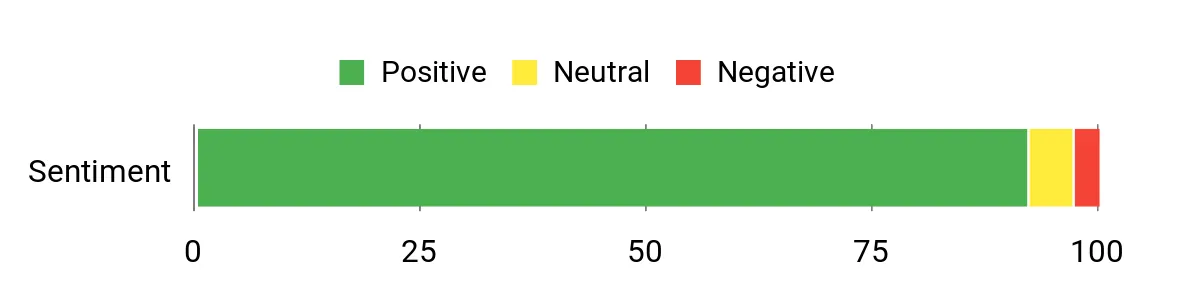
Players often praise the DS-1 for its distinctive crunch and rock-ready presence, noting how the tone control really shapes brightness. Folks also mention how sturdy it feels underfoot and how straightforward it is to use — many like that it can both push an amp and sit as a primary distortion. A few players point out it can be bright at high gain, but most appreciate the classic character it brings to a rig.
Overall Sentiment: Positive
| Situation | How It Helps |
|---|---|
| Band Rehearsal | Cuts through the mix with a focused mid-forward bite so your riffs and solos aren’t lost behind drums or keys. |
| Bedroom Practice | Keeps things simple: set gain and tone, roll the guitar volume for cleaner sounds, and play without complicated menus. |
| Recording Sessions | Provides a reliable, repeatable distortion tone that tracks well and layers nicely with other guitar parts. |
| Gigging / Road Use | Solid construction and a compact footprint make it easy to mount on a pedalboard and trust night after night. |
The DS-1 didn’t invent distortion, but it popularized a signature, hard-edged tone that’s remained largely unchanged — a simple, effective design that let players shape aggressive sounds without complexity.
| Feature | Customization Level |
|---|---|
| Gain | Wide range from mild breakup to high grit so you can tailor aggression to style |
| Tone | Adjusts brightness and presence; roll it back for darker, chunkier sounds |
| Level | Set output to balance with clean signal or drive the next pedal/amp section harder |
| Volume Clean-Up | Use your guitar’s volume control to clean the effect for dynamic playing without changing settings |
If you want a pedal that gives you that warm, amp‑like breakup without fuss, the BD‑2 is a great choice. You plug in, set Level, Tone and Drive, and it reacts to how hard you play and the position of your guitar volume — so you can get anything from a subtle boost to a lively overdrive.
For everyday practice it’s simple and expressive; for recording or a holiday gig it adds organic warmth that sits nicely in a mix. If you’re building a seasonal pedalboard, this one brings a classic, playable voice that’s easy to slot in next to a tuner or reverb.
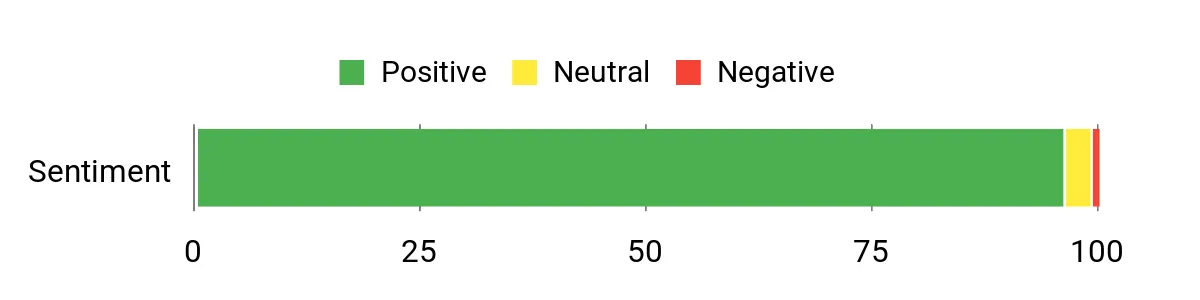
Most players say the BD‑2 nails a warm, alive overdrive that reacts to your touch and guitar volume, making phrasing feel more musical. People commonly praise how easy it is to dial in and how well it pairs with tube amps or other pedals, while a few mention it’s on the gentler side of crunch if you want very heavy distortion.
Overall Sentiment: Positive
| Situation | How It Helps |
|---|---|
| Band Rehearsal | Adds a warm mid‑forward drive that helps solos and rhythm parts sit clearly in a full band mix. |
| Bedroom Practice | You can coax cleaner tones by rolling your guitar volume, so you get dynamic practice without re‑tweaking settings. |
| Recording Sessions | Delivers a consistent, amp‑like texture that layers well on tracks and responds nicely to mic and amp choices. |
| Gigging / Road Use | Compact and sturdy, it’s easy to mount on a pedalboard and trust night after night without fuss. |
The BD‑2 isn’t flashy, but its knack for simulating the warmth and touch sensitivity of a cranked tube amp made that musical, feel‑driven overdrive accessible in a compact stompbox.
| Feature | Customization Level |
|---|---|
| Drive | From subtle breakup to a pronounced overdrive for solos and grit |
| Tone | Controls brightness and presence so you can carve space in a mix |
| Level | Set output to match clean tone or push the next stage harder |
| Volume Clean‑Up | Use your guitar’s volume to dial back the effect for clean passages without changing knobs |
If you want a tuner that just works and survives life on a pedalboard, the TU‑3 is the kind of tool you’ll reach for without thinking. You get a clear 21‑segment LED readout with a high‑brightness setting that actually cuts through stage lights and sunlight, plus chromatic and guitar/bass modes so you can tune anything from a 7‑string guitar to a 6‑string bass.
It mutes the signal while active, supports flat/drop tunings up to six semitones, and can pass power along in common daisy‑chain setups — which makes it handy for keeping your board tidy. For daily practice it’s simple and reliable; for gigs and recording it’s visible, accurate, and built to take knocks. If you’re assembling a holiday pedalboard, slotting this in as your stomp tuner keeps tuning fast and painless.
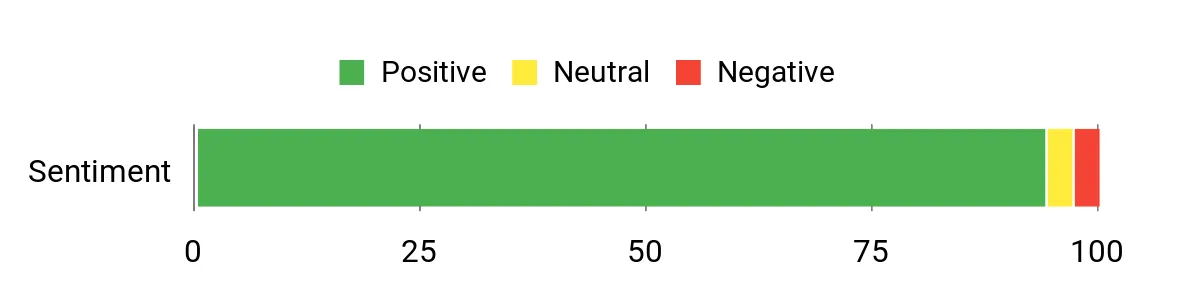
Across many users the TU‑3 gets praised for its pinpoint accuracy, bright display that’s readable onstage, and its tough BOSS build that survives regular gigging. People also highlight practical features like flat tuning and the ability to route/power other pedals, while a small number mention battery vs.
adapter considerations.
Overall Sentiment: Positive
| Situation | How It Helps |
|---|---|
| Live Gig / Outdoor Stage | High‑Brightness mode and a clear LED meter let you tune reliably under stage lights or sunlight so you don’t miss a break between songs. |
| Band Rehearsal | Automatic mute keeps your amp quiet while you tune, so you can fix intonation without disrupting the room. |
| Recording Session | Accurate tuning and support for alternate tunings mean your takes stay in tune and you can switch tunings quickly between tracks. |
| Pedalboard Build / Travel | Tough stompbox housing and pass‑thru power options reduce cable clutter and stand up to getting moved around frequently. |
The TU‑3 adapts stage tuner features into a compact stompbox: a high‑visibility multi‑segment meter, Accu‑Pitch visual confirmation, and flexible tuning modes bring professional‑grade tuning into a rugged pedal format that fits seamlessly on modern boards.
| Feature | Customization Level |
|---|---|
| Brightness Mode | Switch between standard and High‑Brightness for better visibility in different lighting |
| Tuning Mode | Choose Chromatic or Guitar/Bass mode to match the instrument and tuning workflow |
| Flat / Drop Tuning | Set up to six semitones down to handle common alternate tunings quickly |
| Output Routing | Use Output and Bypass to create two signal paths or route to multiple amps |
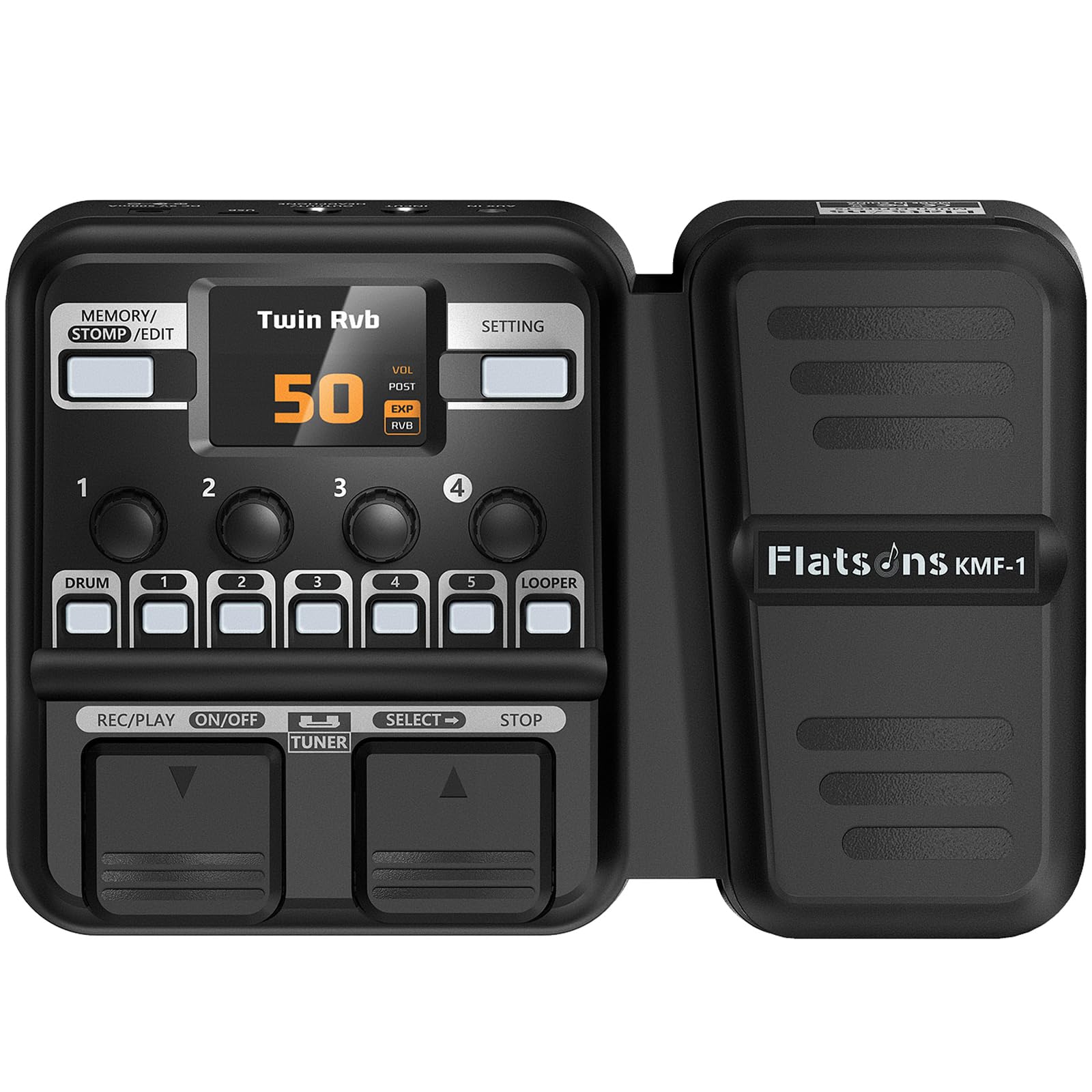
If you want one box that covers a lot of ground, the KMF-1 is the sort of pedal you’ll reach for when you want options without hauling a whole board. It combines a clear color screen, stomp/edit modes, an assignable expression pedal and a 30‑second looper so you can practice, write, or jump straight into a gig-ready patch.
For everyday practice you can plug headphones into the unit and use drum rhythms and presets to focus on timing and tone; for small shows or recording it gives you amp/cab simulations and IR sampling to get pleasing tones through headphones, monitors or a PA. It’s an easy way to experiment, learn signal flow and keep your setup compact — if you like having lots of sounds at your feet, this one’s worth trying.
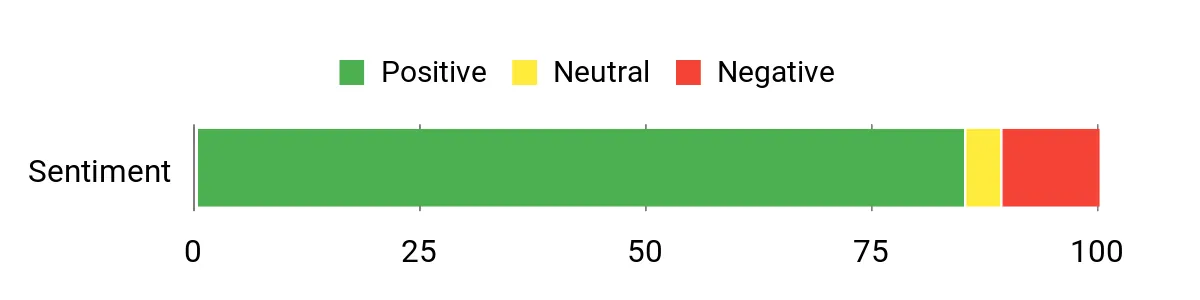
Most buyers like how much the KMF‑1 packs into a small unit: people regularly praise the variety of presets, the useful drum rhythms, and the looper and tuner for practicing. Users also point out the amp/cab options and DSP-driven cab sims as highlights, while a minority mention occasional setup or reliability hiccups and note that the learning curve for editing can take a bit of time.
Overall Sentiment: Positive
| Situation | How It Helps |
|---|---|
| Bedroom Practice | Plug headphones into the pedal, pick a preset and a drum rhythm, and practice quietly while dialing tones without needing an amp. |
| Songwriting / Looping | The 30s looper plus onboard drum patterns let you build parts and sketch ideas quickly without extra gear. |
| Small Gig / Busking | Amp and cab sims let you send a full signal to a PA or powered speaker so you can perform without hauling an amp. |
| Tonal Experimentation | Stomp Mode, Edit Mode and assignable expression controls make it easy to try different pedal chains and tweak parameters on the fly. |
The KMF‑1 brings advanced DSP features—including 512‑point IR cabinet sampling and 32‑bit signal processing—into an affordable floor multi‑effects unit, pairing pro-style amp/cab modeling with flexible stomp and edit workflows plus an assignable expression pedal.
| Feature | Customization Level |
|---|---|
| Presets & Memory | 50 preset slots with grouped banks so you can save stage patches and quick access setups |
| Stomp / Edit Blocks | Five independent effect blocks that you can enable, reorder and tweak for custom signal chains |
| Expression Pedal | 2‑in‑1 pedal with six assignable effects for real‑time control over wah, volume or other parameters |
| Amp & Cab Selection | Choose from 18 amp models and 18 cabinet sims, plus IR sampling options to shape the final tone |
| Parameter Editing | Advanced Edit Mode to fine‑tune individual effect parameters for precise sound design |
If you want a small reverb that doesn’t take up much real estate on your board, the Verb Square is an easy grab. You get seven distinct reverb flavors so you can go from subtle room ambience to lush church or plate textures without fuss.
It’s light and sturdy thanks to the aluminium body, so you can toss it in a gig bag or keep it on a compact board for practice. Use it day-to-day for warming up clean tones or adding space to rhythm parts, and bring it out for recording or mellow holiday sets when you want a more atmospheric, roomy sound. If you like simple controls and a transparent bypass when the effect is off, this one’s a practical little addition to most setups.
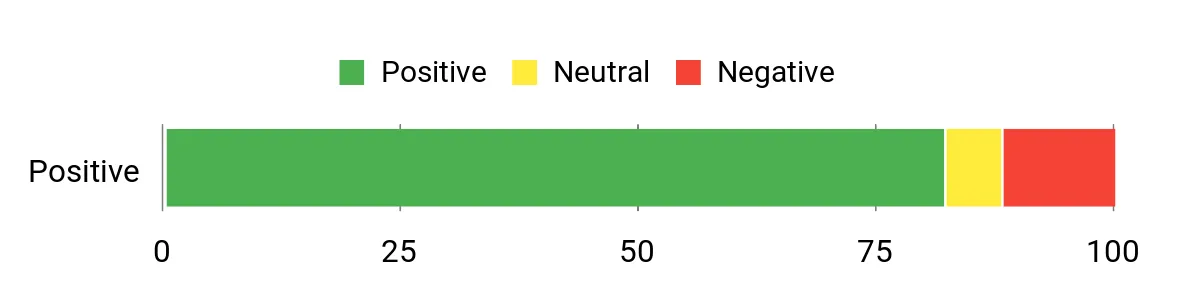
Buyers often praise how many usable reverb sounds you get from such a small unit, and they like that the pedal stays transparent when bypassed. Customers also notice the sturdy metal casing and the space-saving size.
A number of users point out that you need a proper 9V power source and a few report occasional quality-control or power-related hiccups.
Overall Sentiment: Positive
| Situation | How It Helps |
|---|---|
| Bedroom Practice | Adds a touch of room or plate reverb to make practice tones feel more alive without needing extra gear or a big amp. |
| Recording at Home | Gives you quick access to different ambiences so you can experiment with textures when tracking clean guitars or acoustic parts. |
| Small Gigs / Coffeehouse Sets | Compact size and true bypass mean you can tuck it on a tiny board and switch atmospheres without losing your dry tone between songs. |
| Traveling / Pedalboard Minimalism | Lightweight aluminium build and mini footprint make it easy to pack and fit on cramped boards while still offering a broad palette of reverbs. |
Packing seven useful digital reverb algorithms and a true-bypass circuit into a mini aluminium chassis makes it simple to add quality ambient options to a compact pedalboard without sacrificing transparency or durability.
| Feature | Customization Level |
|---|---|
| Reverb Modes | Seven selectable modes (Room, Hall, Church, Spring, Plate, Studio, Mod) to quickly change ambience |
| Effect On/Off | True bypass keeps your signal unaffected when the pedal is disengaged |
| Indicator & Form Factor | LED status indicator and mini footprint let you arrange it easily on tight boards |
| Power | Runs on standard DC 9V so you can use common pedal power supplies |
If you’re trying to tame hiss and hum without messing with your tone, this Donner noise gate is a tidy little solution. You get a single dial and a two-way switch (Hard or Soft) so dialing in fast, tight cuts or gentler gating is quick and intuitive. It’s true-bypass, so when you want the pedal out of the chain your dry signal stays intact, and the mini footprint means it won’t hog space on a crowded board.
Use it for quieting high-gain rigs during practice, cleaning up noisy rigs for small gigs, or keeping things tight when you record at home. If you want something simple that just reduces noise and keeps your sound natural, this is an easy pedal to reach for.
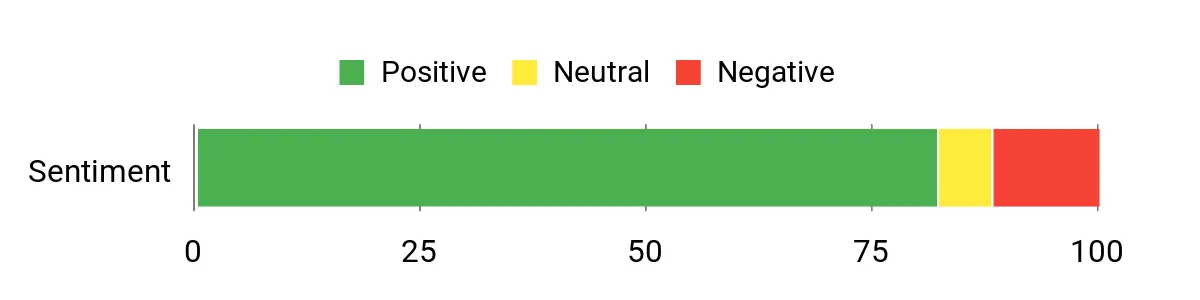
Most players appreciate how straightforward this pedal is to set up and how effectively it reduces hiss without changing the character of their guitar. Folks often call out the compact size and solid-feeling build, and many like having the Hard and Soft modes for different situations.
A number of users also remind you to use a clean 9V supply and mention occasional quality-control hiccups, but overall people tend to say it does the job reliably.
Overall Sentiment: Positive
| Situation | How It Helps |
|---|---|
| Bedroom Practice | Keeps your late-night high-gain practice from drowning in amp hiss so you can focus on playing, not noise. |
| Small Gigs / Coffeehouse Sets | Lets you tighten up noisy patches between quieter songs so vocals and acoustic parts stay clear. |
| Home Recording | Reduces background hum and amp noise on takes, which means less cleanup in post and cleaner tracks. |
| Pedalboard Minimalism / Travel | Tiny footprint and sturdy casing mean you can tuck it onto a small board or toss it in a gig bag without adding bulk. |
Putting a responsive two-mode gate and true-bypass switching into a tiny, road-ready enclosure gives you practical noise control without stealing real estate or coloring your tone.
| Feature | Customization Level |
|---|---|
| Threshold Dial | Adjust how aggressively the gate closes, from gentle reduction to tight muting |
| Mode Switch | Hard mode for fast, firm cuts or Soft mode for smoother, more musical gating |
| Bypass | True bypass ensures your signal stays transparent when the effect is off |
| Power | Runs on standard DC 9V; using a clean supply is recommended to avoid adding noise |
If you want a no-nonsense overdrive that sits nicely in a pedal chain, the SD-1 is one of those go-to pedals you keep coming back to. You can dial anything from a subtle, amp-like breakup to a crunchy, mid-forward drive that helps solos and rhythm parts cut through. It's small enough for crowded boards, tough enough for gig bags, and simple enough that dialing a sound is mostly about feel, not menus. Use it for daily practice to push a clean amp, for small gigs when you need consistent tone, or in the studio when you want a warm, sustaining overdrive that stacks well with other pedals.
If you're building a holiday pedalboard that needs a classic, useful drive, this one’s an easy pick to include.
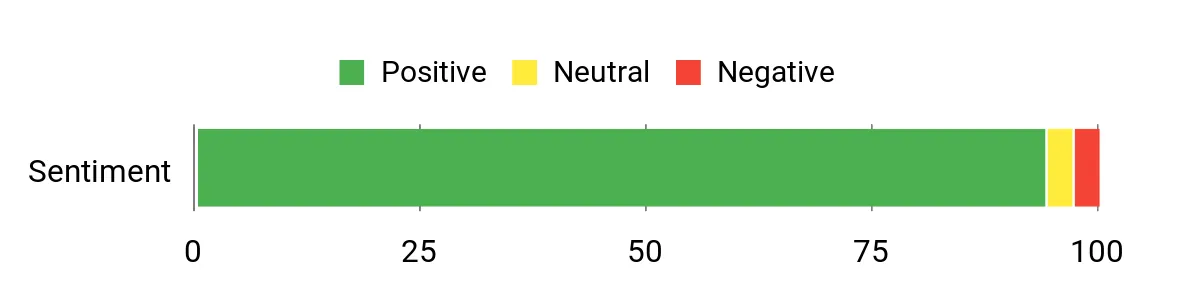
You’ll notice players repeatedly calling out the SD-1’s raw, musical tone and how reliably it tightens up their sound. Folks often highlight the pedal’s durability, the way it stacks with other pedals or pushes an amp, and its usefulness for classic rock and blues styles. A few people mention it can be bright or lean on low end in some setups, but most agree it’s a versatile, workhorse overdrive that just performs.
Overall Sentiment: Positive
| Situation | How It Helps |
|---|---|
| Bedroom Practice | Gives you playable breakup at low volume so you can practice dynamics and phrasing without blasting the amp. |
| Small Gigs / Bar Shows | Provides a consistent mid-forward drive that helps your guitar sit in the mix and feel stable night after night. |
| Home Recording / Demos | Adds warm saturation and sustain that records well, and it’s easy to tweak quickly between takes. |
| Pedal Stacking / Lead Boost | Works great in front of a distortion or amp to push levels and add harmonic richness without masking your tone. |
Packing an asymmetrical clipping circuit that mimics tube-like behavior into a compact, road-ready pedal gives you expressive overdrive without bulky gear or complex routing.
| Feature | Customization Level |
|---|---|
| Gain | Controls the amount of breakup, from subtle edge to pronounced crunch |
| Level | Sets output volume so you can use the pedal as a clean boost or unity-gain drive |
| Tone | Shapes brightness and presence to help the pedal sit with different guitars and amps |
| Variant (Waza Craft) | A Waza Craft option offers a slightly different voicing for players seeking extra tonal options |
You get a small, road-friendly analog delay that’s surprisingly musical for its size. Dial in anything from short slap-back echoes to long, ambient repeats using the Delay, Feedback and Level controls, and the true bypass keeps your tone clean when the pedal is off.
It’s great for daily practice — add subtle spatial depth to riffs without overwhelming your amp — and it’s equally handy for holiday sets or ambient layers in the studio when you want warm, vintage-style repeats. If you need a compact delay that won’t hog room on a crowded board, this is an easy pedal to slot in and start using right away.
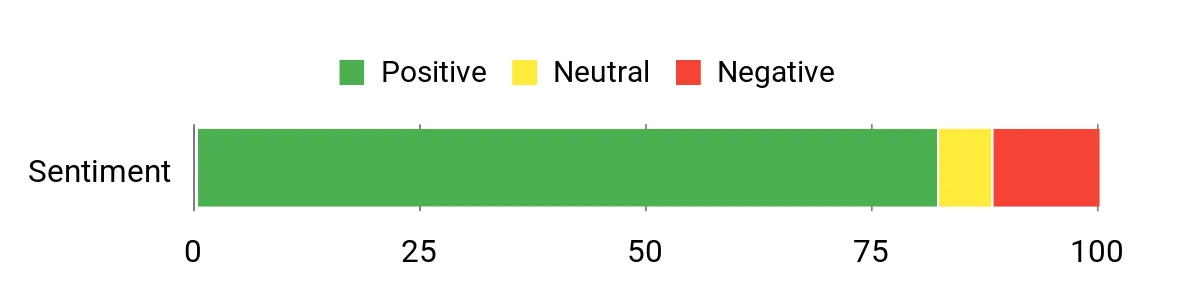
You’ll often see players praising the pedal’s warm, classic analog sound and how well it complements both clean and overdriven tones. Folks frequently mention the compact size and sturdy aluminum build as a big plus for crowded boards and travel.
A number of users do note occasional hiss or rare quality-control hiccups, but most say the tone and functionality make it an easy addition to a pedalboard.
Overall Sentiment: Positive
| Situation | How It Helps |
|---|---|
| Bedroom Practice | Adds depth to practice sessions without turning up volume — useful for working on phrasing and timing with tasteful repeats. |
| Small Gigs / Café Sets | Provides ambient washes or subtle echoes that help your guitar sit in the mix without stealing the show. |
| Home Recording / Demos | Gives you analog-style repeats that record nicely and don’t need heavy processing later. |
| Compact / Travel Boards | Tiny footprint and durable casing let you bring delay tones on the road without sacrificing pedalboard space. |
Shrinking an analog-style delay circuit into a mini, pedalboard-friendly package while keeping a warm, vintage character makes it easier to get classic repeats without bulk.
| Feature | Customization Level |
|---|---|
| Delay (Time) | Sets delay length from short slap-back to long ambient repeats (20 ms–620 ms) |
| Feedback (Repeats) | Controls the number of repeats so you can go from a single echo to cascading, immersive layers |
| Level (Mix) | Balances wet signal against your dry tone so echoes sit where you want them in the mix |
| True Bypass / LED | Choose to keep your tone pure when off; LED gives a clear on/off indicator |
This little pedal gives you both delay and reverb in a single, board-friendly box, so you can add space without juggling two pedals. You can dial in short slap-backs for practice, long ambient washes for late-night layering, or stitch delay and reverb together for that holiday-set shimmer.
Tap tempo and trail mode make it easy to lock in with a band, while the separate level controls let you blend wet and dry signals exactly how you like. If you want flexible atmosphere without taking up much pedalboard real estate, this is a practical, easy-to-use option to consider.
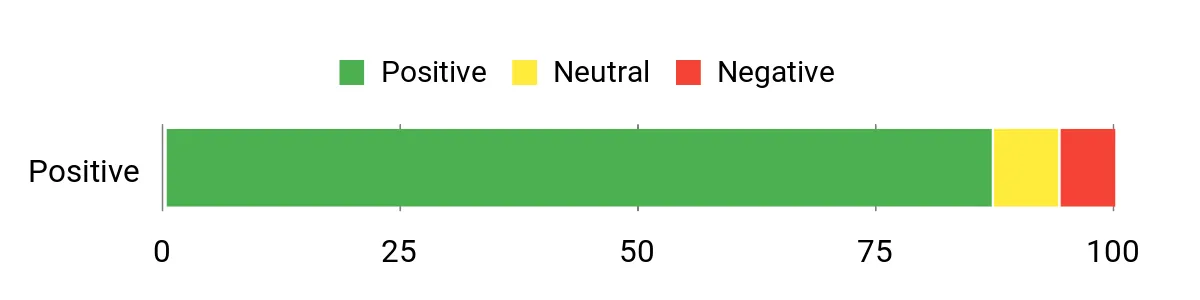
Players consistently praise the pedal for packing usable delay and reverb into a small, well-built unit and for how easy it is to shape sounds with the separate level controls. Many mention the tap tempo and trails as helpful for live use, and you’ll see people calling the delay especially musical for the price.
A minority note that long reverb tails can sound a bit bright or that some modes add unexpected modulation, but most users find the tone and flexibility a great fit for practice, home recording, and gigging.
Overall Sentiment: Positive
| Situation | How It Helps |
|---|---|
| Bedroom Practice | Adds depth to riffs at lower volumes so you can work on phrasing and ambience without turning up the amp. |
| Small Gigs / Holiday Sets | Tap tempo and trail mode let you match the room and keep natural decay between songs for a polished live sound. |
| Home Recording | Independent dry/wet controls and a tasteful digital delay give you usable layers that sit well in mixes. |
| Compact Pedalboards / Travel | Two effects in one metal box frees up space so you can bring atmospheric tones without a bulky setup. |
Combining a long-range digital delay with a plate-style reverb, plus tap tempo, trail mode and independent level controls, so you can craft layered ambient sounds from a single compact pedal.
| Feature | Customization Level |
|---|---|
| Delay (Time) | Adjusts delay length up to 2000 ms for anything from slap-back to expansive repeats |
| Feedback (Repeats) | Controls how many echoes you hear, from a single repeat to cascading delays |
| Dry/Wet Levels | Separate controls let you set the balance between your dry signal and effected signal |
| Reverb Decay / Plate | Sets the reverb tail length and character so you can go from subtle room to large plate ambience |
If you want big, immersive reverb without a huge footprint on your board, this is a friendly place to start. The Fundamental Ambient gives you three distinct reverb algorithms in a small metal enclosure, so you can go from soft, pad-like swells to darker, lo-fi textures with a single switch.
The controls are intentionally simple, which makes dialing in usable tones fast — great for practice, recording at home, or tempering a holiday set where you don’t want to fuss with complicated menus. It’s built to sit next to your other pedals without hogging space, and the tonal character is musical enough to be useful live while still being approachable for newer players. If your goal is to add lush atmosphere to songs or to create ambient beds for seasonal shows, this pedal is an easy, practical choice you’ll probably reach for often.
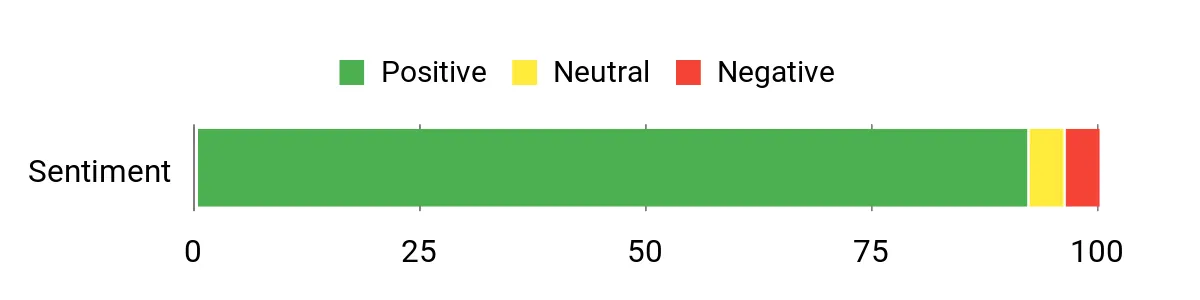
You’ll notice most players highlight how musical and easy-to-use the pedal is — people often mention the lush tails, compact size, and straightforward controls as big wins. Many users say it fits neatly into both gigging and home setups, and the three-mode switching gives enough variety for ambient work without overwhelming you with options. A small number of players mention they wish for more tweakable parameters, but the overall impression is that it sounds great for its size and purpose.
Overall Sentiment: Positive
| Situation | How It Helps |
|---|---|
| Bedroom Practice | Gives your parts a sense of space at low volumes so you can work on phrasing and atmosphere without blasting the amp. |
| Small Gigs / Holiday Sets | Lets you add lush reverb tails that fill a room and smooth transitions between songs, helping your acoustic or electric parts sound more polished. |
| Home Recording | Provides usable ambient layers that sit nicely in a mix without needing heavy post-processing. |
| Compact Pedalboards / Travel | Offers big ambient tones in a small footprint, so you can bring atmosphere without sacrificing space for other essentials. |
Puts three distinct, performance-ready reverb algorithms into a tiny, stage-ready enclosure with a simplified control set so you can craft expansive textures without a steep learning curve.
| Feature | Customization Level |
|---|---|
| Reverb Mode Selector | Three-position switch gives distinct algorithm choices from pad-like to lo-fi textures for immediate tonal variety |
| Decay / Tail Length | Sets how long the reverb lingers so you can go from subtle room to long ambient washes |
| Mix / Level | Controls how prominent the effected signal is relative to your dry tone for sit-in-the-mix adjustments |
| Footswitch Behavior | Silent, soft-press bypass allows smooth on/off transitions suitable for stage use |
If you’re putting together a holiday pedalboard and want one box that does a lot without taking up space, the G1X Four is a really handy option. It packs 70+ effects, 13 amp models, a looper and 68 drum patterns into a compact unit with an expression pedal, so you can shape wah, volume or pitch in real time. It runs on AA batteries, so you can practice in the living room, busk at a market, or throw it in a carry-on for rehearsals without hunting for an outlet. The interface is straightforward enough that you’ll spend more time playing and less time scrolling menus, and it’s flexible enough for casual recording, small holiday gigs, and travel rigs.
If you want a single, travel-friendly unit that covers most tonal bases and keeps your board tidy, this is worth a close look.
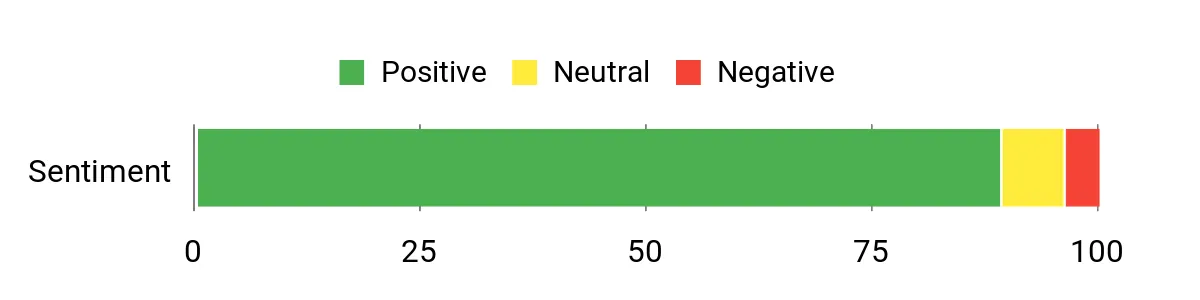
You’ll see a lot of players appreciate how much is packed into a small, affordable box — the effects variety, the expression pedal, and the looper/drum combo get frequent praise. People also like that it’s easy to use on stage or at home and that battery power makes it truly portable.
A common note is that power or processing can be limited when you stack many heavy effects, and some users rely on the PC editor to swap things around for more complex setups.
Overall Sentiment: Positive
| Situation | How It Helps |
|---|---|
| Bedroom Practice | Gives you ready-made tones, backing drums and a looper so you can work on phrasing and arrangements without needing an amp or extra gear. |
| Small Gigs / Holiday Sets | Lets you cover multiple sounds and switch patches quickly, while the expression pedal adds live dynamics for solos or intros. |
| Travel / Rehearsals | Runs on AA batteries and is lightweight, so you can practice or patch in on the go without hunting for power. |
| Home Recording | USB connectivity and built-in amp/cab sims let you capture tidy, direct-in tones and experiment with effects without heavy outboard gear. |
Combines a broad effects library, built-in looper and drum machine, plus an expression pedal and battery-powered portability into one compact floor unit, making multi-function practice and small-gig setups simpler.
| Feature | Customization Level |
|---|---|
| Expression Pedal Assignment | Real-time control over wah, volume or pitch; assignable to different parameters within presets |
| Patch Memory | Create and save up to 50 custom patches to organize your go-to sounds |
| Effects Chain | Run up to five simultaneous effects and rearrange their order to shape signal flow |
| USB / Editor | Connect to a computer to update firmware, manage presets, and swap effect modules for deeper editing |
If you want a single dirt pedal that covers a surprising range, the RAT2 is a solid pick for your holiday board. You can dial anything from a subtle tube-like breakup to full-on fuzzy grit with just three knobs, so it’s great for everyday practice, bedroom tracking, or punching up solos at a holiday gig.
It sits well in front of tube amps and can also be used as a clean boost when you need a little extra push for leads. Built tough and simple to operate, it’s the kind of pedal you reach for when you want reliable, characterful distortion without fuss.
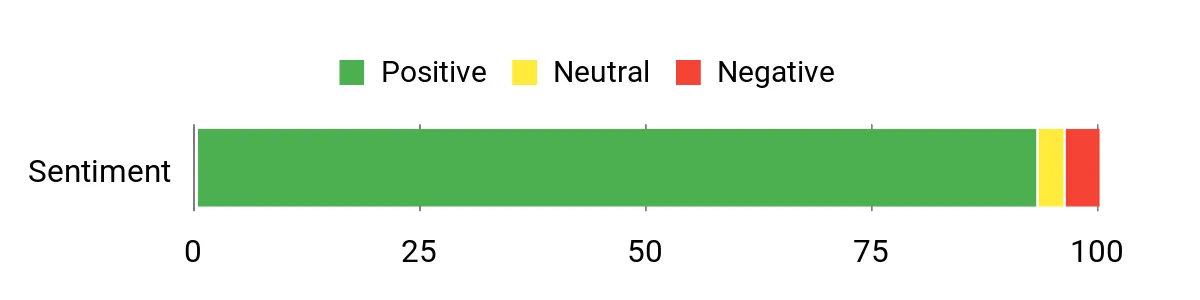
Players frequently praise the RAT2 for its versatility and rugged build — many note that it covers everything from subtle breakup to aggressive distortion while remaining musical. Folks also highlight how responsive it is to guitar volume and pickup changes, and that the simple control set makes it easy to get usable tones quickly.
A few users mention the pedal’s footprint and the top-mounted jacks as minor annoyances, but the general consensus is that it delivers classic, reliable dirt.
Overall Sentiment: Positive
| Situation | How It Helps |
|---|---|
| Bedroom Practice | Lets you explore a lot of gain textures without complicated routing, so you can work on dynamics and tone using just your amp and one pedal. |
| Small Gigs / Holiday Sets | Gets you arena-style rhythm grit and soaring lead tones with minimal tweaking, so patch changes stay simple during short sets. |
| Recording / Home Studio | Adds character and harmonic richness to direct-in or miked amp tracks, and it’s easy to ride the guitar volume for cleaner takes. |
| Solo Boost For Leads | Use it pushed a bit for solos to lift your signal and add sustain without changing your core tone. |
The RAT2 keeps things simple but flexible: a single compact circuit delivers a broad palette of dirt tones that respond naturally to your guitar and amp, bridging clean breakup, overdrive and fuzz-like textures in one pedal.
| Feature | Customization Level |
|---|---|
| Distort (Gain) | Adjust from subtle breakup to heavy saturation to shape overall grit and sustain |
| Filter / Tone | Rolls off highs for darker fuzz-like sounds or opens up for brighter, cutting distortion |
| Volume / Boost | Set unity gain for stacking or boost for solos and front-of-amp drive |
| Style Variants | Available in Turbo and Dirty RAT flavors if you want different diode/clipping characters |
| Power Options | Runs on a 9V battery or standard adapter so you can choose pedalboard power or battery convenience |
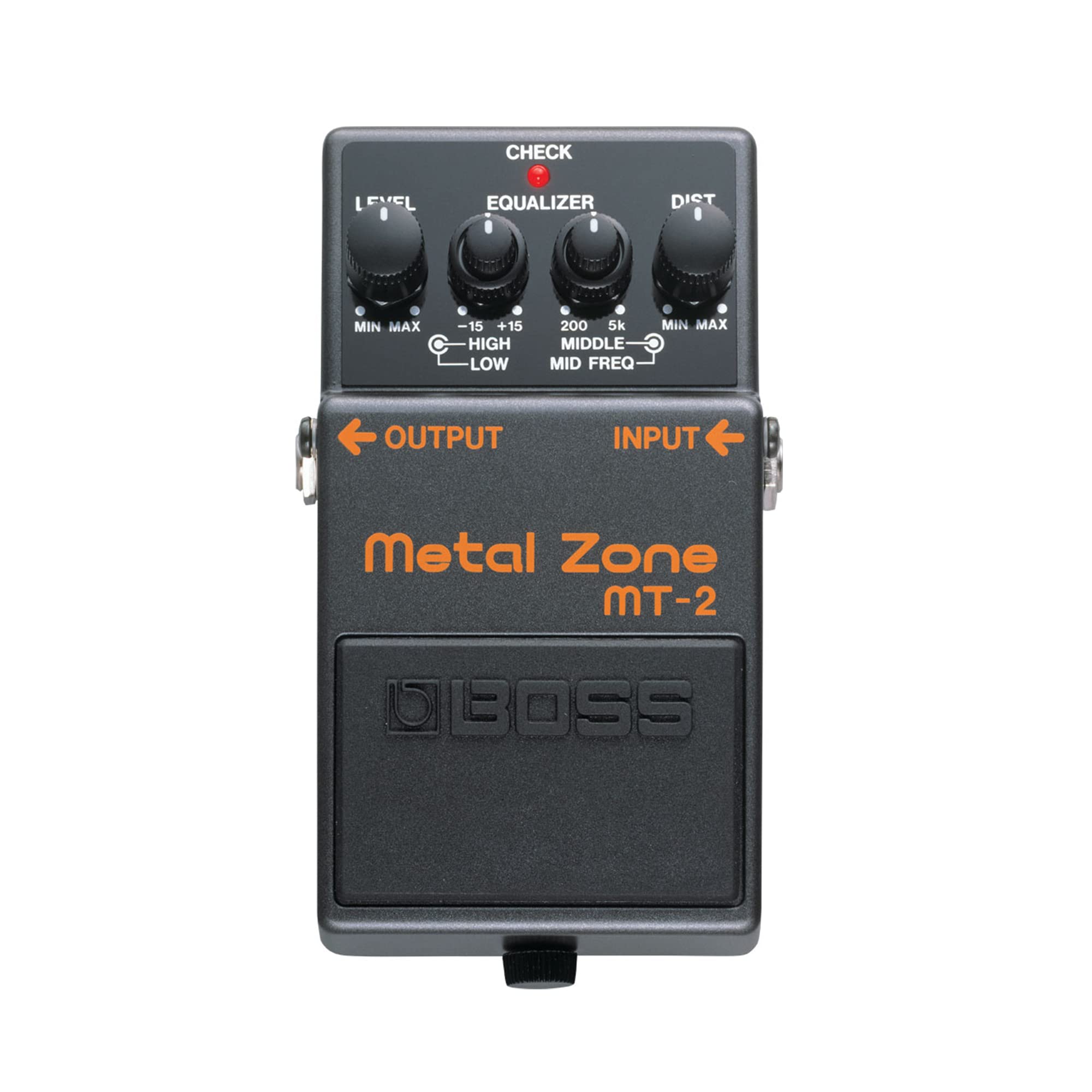
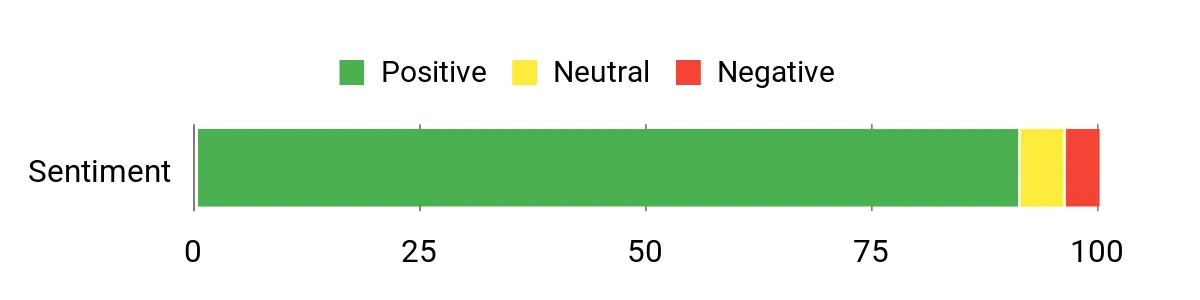
If you’re after a pedal that leans hard into high-gain territory, the MT-2 is one you’ll reach for on a busy pedalboard. You can sculpt anything from scooped, chuggy rhythms to thick, sustaining lead tones thanks to its dual-stage gain and detailed EQ section.
It’s handy for daily practice when you want that aggressive edge, and it’s solid for holiday gigs or rehearsals where cutting through a mix matters. Short of being completely hands-off, it rewards a little dialing in, so you’ll get the exact bite or fullness you want once you learn its sweet spots.
Most players appreciate how much tonal control the MT-2 puts at your feet, especially the separate mid-frequency control that really changes the character of the distortion. Folks often say it can sound overly fizzy if you just crank everything, but with modest gain and thoughtful EQ it becomes thick and very usable. Many also point out it’s a go-to for heavy rhythm tones and that its construction feels built to last.
Overall Sentiment: Positive
| Situation | How It Helps |
|---|---|
| Bedroom Practice | lets you experiment with extreme gain textures at low volumes by dialing back level and gain, so you can work on tone without drowning out the room. |
| Rehearsal / Band Practice | cuts through a dense mix when you boost mids or sculpt scooped rhythms for tight, chunky palm-muted riffs. |
| Small Gigs / Holiday Sets | gives consistent high-gain presence that makes rhythm parts sound massive and helps solos sustain without needing complicated amp tweaks. |
| Recording / Home Studio | offers a range of tones from crunchy push to saturated metal, and its EQ lets you shape tracks before hitting the amp or DI chain. |
The MT-2’s dual-stage gain design combined with an extensive three-band EQ (including a mid-frequency sweep) gives you more tonal shaping than most compact high-gain pedals, letting you dial very specific metal and heavy-rock voices from one box.
| Feature | Customization Level |
|---|---|
| Dist/Gain | Adjust from moderate crunch to searing, saturated metal distortion to set overall grit and sustain. |
| Level / Volume | Match bypass level, push amp for solos, or keep it lower for bedroom practice without changing amp settings. |
| Low and High EQ | Boost lows for chunk and fullness or cut highs to tame harshness and focus the tone. |
| Mid Frequency & Mid Level | Sweep the mid frequency to find the sweet spot for scooped modern metal or mid-forward classic tones. |
| Power / Placement | Runs on standard pedal power and responds differently depending on placement (front of amp vs effects loop), giving you another tone-shaping option. |
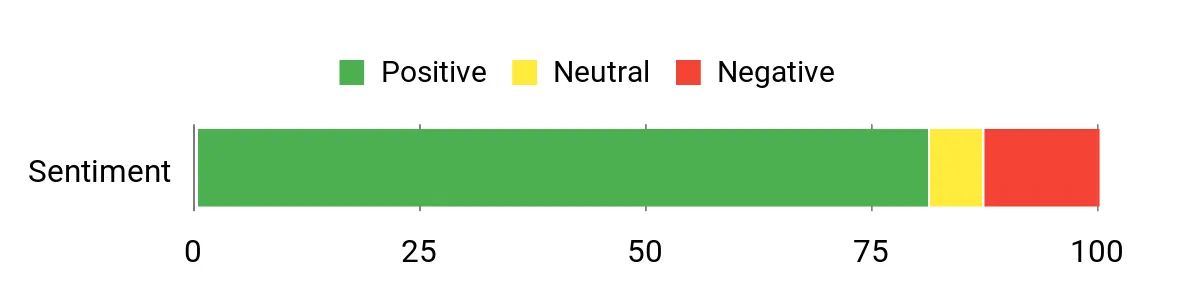
If you want huge amp-and-pedal tones without hauling a rig, this tiny TONEX One is the kind of gadget you’ll reach for. It packs AI tone models of amps, cabinets and stomps, plus a tuner, EQ, gate, compressor and reverb, so you can practice quietly on headphones, run direct to PA or tuck it on a compact pedalboard for rehearsals. It’s also great for holiday gigs where you need a reliable, pedalboard-friendly preamp or a quick headphone practice tool.
I’d recommend it if you value portability and realistic amp capture and you don’t mind spending a little time with the editor to get things exactly how you like them.
You’ll hear a lot of players praising how realistic the amp and cab captures sound given the pedal’s size, and many like using it as a compact practice preamp or a space-saving board addition. People also commonly mention the small learning curve around the editor and navigation, and that occasional software quirks (or cable issues) can be frustrating but are often worked around with firmware or a different USB-C lead.
Overall Sentiment: Positive
| Situation | How It Helps |
|---|---|
| Bedroom Practice | lets you plug in headphones or a small speaker and get convincing amp tones without waking anyone, while onboard effects cover the basics. |
| Small Gigs / Holiday Sets | acts as a compact DI/preamp so you can go straight to FOH or an FRFR cab and still have great live amp character. |
| Pedalboard Upgrade | frees up space by replacing bulkier amp-sim blocks and gives you access to many different amp personalities in one slot. |
| Travel / Practice On The Go | is tiny and USB-C powered so you can use it with a power bank or laptop for quick practice sessions anywhere. |
The TONEX One brings high-quality AI capture technology into a micro-pedal format, letting you load thousands of real amp, cab and stomp captures and run them with low latency from a palm-sized device.
| Feature | Customization Level |
|---|---|
| Preset Modes (A/B/Stomp) | Switch between two main presets or use stomp mode to toggle a single capture on and off for simple A/B setups. |
| Loadable Tone Models | Download and organize thousands of captures via the TONEX Librarian and store up to 20 presets on the pedal. |
| Onboard Effects | Adjust EQ, gate, compressor and reverb directly on the unit for quick tweaks without opening the editor. |
| Micro-Knob Colors | Assign different knob LED colors to help visually separate captures and make switching faster on a crowded board. |
| Output Configuration | Use TRS mono or stereo outs to route to an amp, PA or FRFR cabinet depending on your setup. |
You want a pedalboard that helps you play more and worry less, so start by deciding what you actually use in rehearsal and on stage: which tones, which effects, and whether you need looping or backing drums. Prioritize essentials like a reliable tuner and a core dirt or boost pedal, then add modulation, delay and reverb as your sound demands; if you love layering loops, a straightforward looper such as the BOSS RC-1 gives you an immediate, fun way to build parts without a steep learning curve. Pay attention to simplicity and compatibility — choose pedals that speak the same power and signal language (9V center-negative is common), or pick a multi-effects unit if you need lots of sounds in a compact footprint.
Try your planned chain at home before committing: you’ll discover which pedals interact well, which ones you actually use in a set, and where a single versatile pedal can replace several niche boxes.
You can build a stage-ready board that travels with you if you match size to purpose and plan logistics in advance: pick a pedalboard platform that fits the number of pedals you realistically use and choose a protective case that absorbs knocks and keeps cables tidy. Keep footswitches and high-usage controls near the front so you can hit them without looking, and secure pedals with hook-and-loop or low-profile clamps so nothing shifts during transport.
If you gig or fly, consider swapping bulky single pedals for a versatile multi-effects unit or a compact looper to save space; test how your board sits with typical venue floor monitors and stage boxes so you know exactly where to stand and tap. Do a full run-through with your exact power supply and patch cables before the first show so you travel confident and ready.
You lock in reliability by choosing the right power solution and arranging pedals with signal flow in mind: use an isolated power supply to prevent hum and ground loops, match voltage and current ratings, and avoid daisy-chaining noisy adapters across sensitive pedals. Arrange your chain so dynamics and time-based effects sit where they make musical sense — for example, place compressors and overdrives earlier and delays/reverbs later, and keep your tuner in a place you can mute the signal when tuning.
Include a buffer if you have long cable runs or many true-bypass pedals to preserve signal integrity. Maintain your board by checking patch cables and jacks before gigs, keeping spare power and instrument cables handy, wiping contacts periodically, and updating firmware on digital pedals when stable updates are available.
With a thoughtful power plan, a tested layout, and a small maintenance routine, you’ll keep your holiday pedalboard sounding great night after night.
Building a pedalboard is about solving real problems: staying in tune, getting reliable tones, and making setup portable and repeatable. Choose pedals that match how you play — a compact modeler or multi-effects unit if you want a lot of tones in one box, a simple looper like the RC-1 if you want instant, distraction-free looping, and a trusted stomp like the DS-1 or BD-2 when you need a specific signature tone. Focus on durability, a sensible signal chain, and power/grounding that won’t add hum. When you plan this way, you’ll spend less time tweaking and more time creating music that matters to you.
| BOSS RC-1 Loop Station Pedal | MOOER GE100 Multi-Effects Guitar Pedal | LEKATO Looper Guitar Pedal | |
|---|---|---|---|
 |  |  | |
| Sound Quality | Clear and responsive; great for layering sounds. | Varied effects; good for practicing and casual performance. | Good sound quality; easy to layer and practice with. |
| Effects and Highlights |
|
|
|
| Dimensions (L x W x H) | 5.08 x 2.32 x 2.87 inches | 9.06 x 5.51 x 2.36 inches | 1.95 x 1.57 x 3.54 inches |
| Power Source | Batteries (1 AAA) or AC adapter | DC 9V adapter or 4 AA batteries | Electric or via 9V adapter |
| See Pricing | See Pricing | See Pricing |

bestguitarequipment.com is a participant in the Amazon Services LLC Associates Program, an affiliate advertising program designed to provide a means for website owners to earn advertising fees by advertising and linking to Amazon.com, and any other website that may be affiliated with Amazon Service LLC Associates Program.