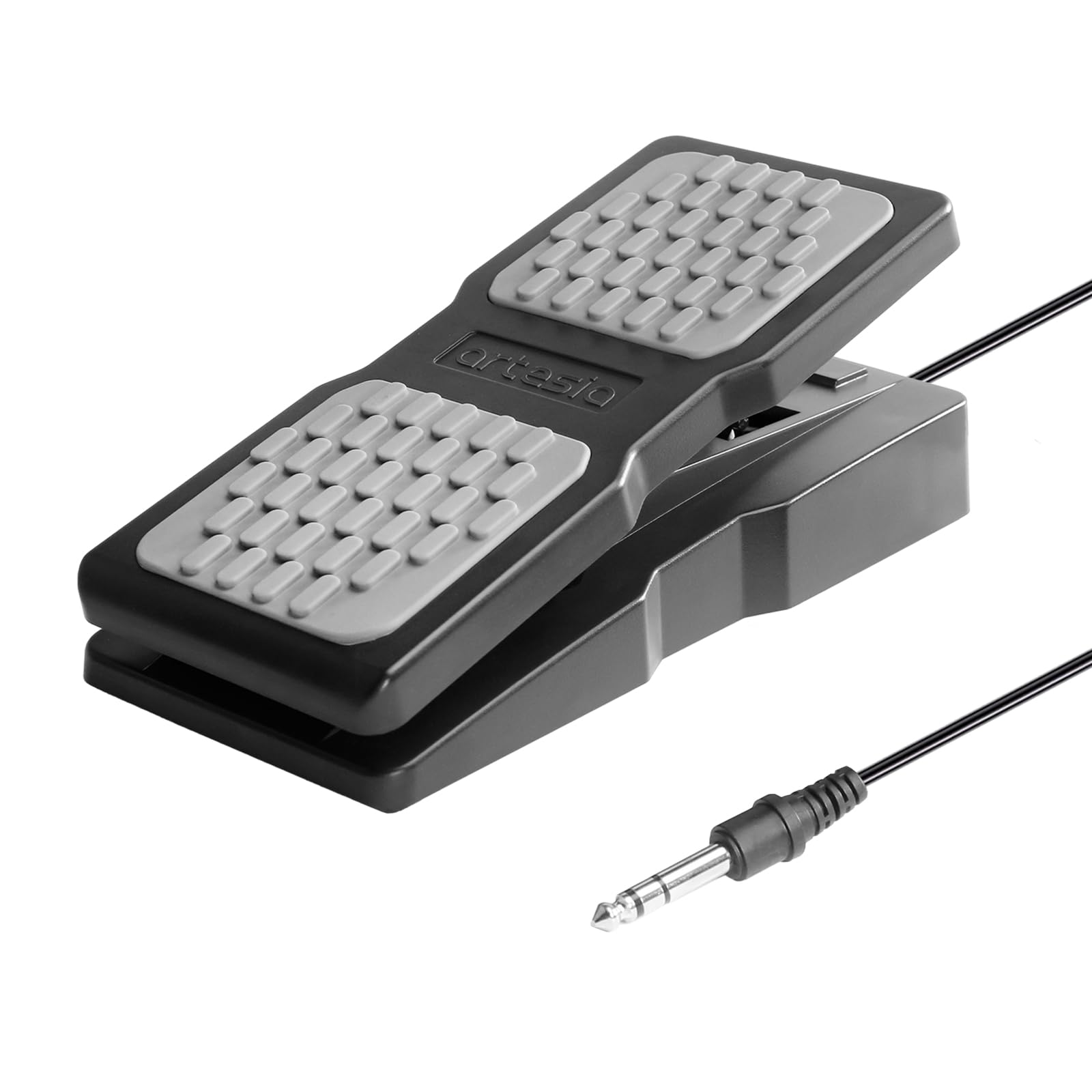
This winter is a great time to rethink your rig and add real-time control to your playing. Whether you play gigs, record at home, or practise tone shaping, an expression or volume pedal gives you immediate, musical control over effects, dynamics and synth-style sweeps. Choosing the right pedal helps you save pedalboard space, shape solos with subtlety, and open new creative options in songs you already know. Below you’ll find pedals chosen to suit different budgets, board sizes, and workflows so you can pick the one that helps you play and sound better this season.
| Category | Product | Score |
|---|---|---|
| 🏆 Best Versatility | Zoom G1X | 92/100 |
| 💼 Best for Small Boards | Hotone Ampero | 82/100 |
| 💰 Best Budget Full-Size | Sonicake FlipVol | 78/100 |
| ⭐ Best Pro Build | BOSS EV-30 | 95/100 |
| 🚀 Most Versatile | Hotone SoulPress | 90/100 |
| 🔀 Best Dual Output | Foot Captain | 84/100 |
| 🎹 Best for Keyboards | Korg EXP-2 | 97/100 |
| 🔰 Best for Dynamics | Yamaha FC7 | 94/100 |
| 💵 Best Budget Controller | M-AUDIO EX-P | 90/100 |
| 🔧 Easiest Setup | Artesia AP-EX | 80/100 |
You want a pedal that works for your rig, lasts through gigs, and helps you play more expressively. We evaluated real-world usefulness, build quality, compatibility, size, and value.
That means we favoured pedals that give clean sweeps, reliable wiring (TRS where needed), clear polarity or range adjustments, and features that solve real problems — saving space on a small board, adding dual outputs for multi-device control, or delivering professional heft for touring. We also considered customer feedback patterns so you can see trade-offs like occasional firmware/cable issues versus long-term durability.
The result is a set of pedals that helps you add tactile control to your tone without guessing which model will match your setup.
You get a lot for a small footprint with the Zoom G1X Four. It packs 70+ effects, 13 amp models, a looper and drum patterns plus an integrated expression pedal so you can shape sounds in real time.
It’s battery-powered and compact, which makes it great for practice, bedroom recording, travel, and small gigs — and the USB connectivity lets you edit patches from your computer when you want to dive deeper. If you want one box that lets you experiment, loop, and perform without hauling a ton of gear, this is an easy piece to slot into your rig.
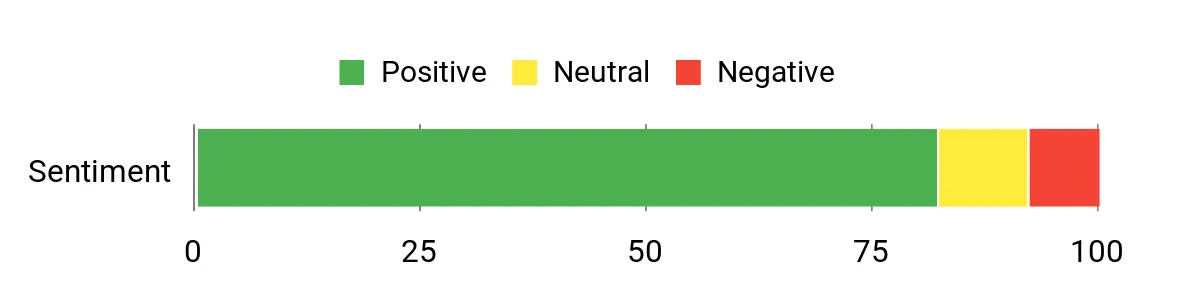
Customers commonly praise the G1X Four for its wide range of effects, the usefulness of the expression pedal, and the convenience of the looper and drum patterns. Many mention it as a great value and a solid practice or small-gig tool, while a few note limits when you push processor capacity or specific signal-chain quirks.
Overall Sentiment: Positive
This pedal works for daily practice, sketching song ideas with the looper, processing synths or guitars in the studio, and running a compact live rig for small venues or busking. You can save patches, use the aux input to play along with tracks, and switch between battery and USB power depending on the situation.
Putting an expression pedal, looper, drum machine and a large effects library into a pocketable floor unit is the core cleverness here. The interface makes it straightforward to tweak patches on the fly, and the ability to edit via USB keeps things flexible without overcomplicating your setup.
You get a compact, space-saving expression pedal that doubles as a footswitch — great when your pedalboard is already crowded. The Ampero II Press uses a passive circuit so there’s no power to fuss with, and the built-in switch gives a tactile "click" to change modes quickly. Independent jacks for footswitch and expression plus a solid potentiometer make it easy to patch into modelers, synths or a small live rig.
If you want a small, practical way to add hands-free control to tight setups, this one’s worth considering — just be mindful of the cable it ships with.
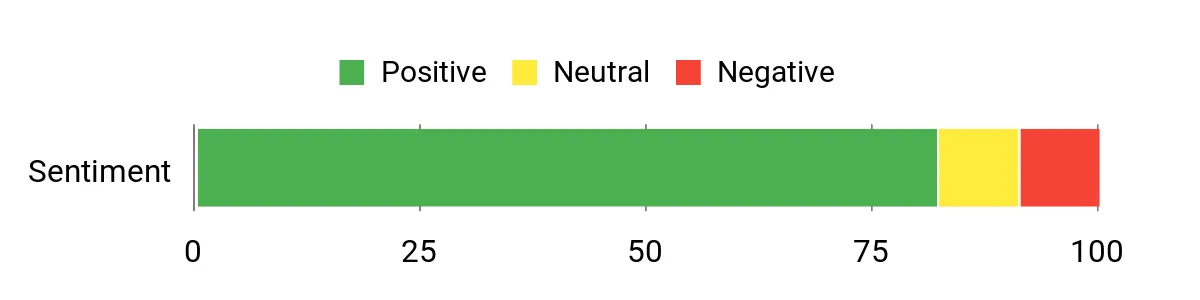
You’ll see buyers praise the compact form factor, the clever footswitch + expression combo, and the fact it doesn’t need power. Many users highlight the solid feel and precise response from the potentiometer.
Common complaints focus on the included TS cable (some rigs need TRS) and occasional quality-control or noise/connectivity issues, so people often recommend checking cables and functionality right away.
Overall Sentiment: Positive
Perfect for cramped boards, practice sessions at home, quick studio setups, and small-stage rigs. Use it as a volume or wah controller for modelers, assign it to synth parameters, or pair it with HOTONE Ampero hardware for tidy, multifunction control.
Putting a footswitch and expression pedal into a single passive unit with separate outputs is the main smart idea here — it reduces clutter without forcing you to compromise control. The tactile mode switch and attention to the pot’s feel help it behave like a full-size pedal in a smaller package.
You get a full-size, metal-bodied pedal that doubles as an expression and passive volume unit, so it works with modelers, amps and keyboards without needing batteries. The sweep feels smooth and there’s an adjustable tension and rubber grip points that make it behave more like a traditional pedal than a toy.
It’s compact enough to save space on smaller boards while still giving you a usable heel-toe range, which is handy for practice, travel, and tight gig rigs. If you want a straightforward, no-fuss pedal that covers volume and expression duties reliably, this is a practical pick.
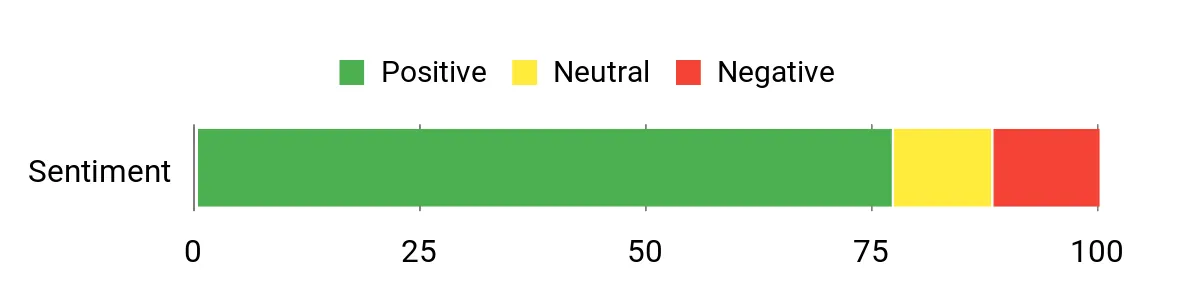
Buyers commonly note the clever 2-in-1 design, praising how it shrinks footprint without sacrificing functionality. People appreciate the passive, battery-free operation and metal build, and many mention the smooth sweep and easy tension adjustment.
Typical downsides brought up are occasional hiss when using the wah mode and the compact size requiring a bit more foot precision.
Overall Sentiment: Positive
Use it as a straightforward volume pedal for practice, a compact wah/volume option on smaller boards, or an expression controller for synths and modelers. It’s a handy studio tool for recording automation and a reliable gig companion when you need simple, hands-free control.
Combining a full-size expression sweep with a passive volume circuit in one metal-bodied unit is a tidy, practical idea — you get fewer pedals on your board and still keep full functionality. The emphasis on passive design and adjustable tension makes it behave like a bigger pedal without needing extra power or complicated setup.
If you need pro-level expression control but don’t have room for a full-size pedal, this is the one to reach for. The EV-30 gives you a silky, precise sweep that feels far more refined than most compact pedals, and the die-cast chassis means it stands up to road use.
You can run two devices from the same pedal thanks to the isolated dual outputs, and the polarity switch helps you match it to synths, modelers, and pedals. Use it for subtle volume swells during practice, hands-free parameter tweaks in the studio, or tight gig rigs where every inch of board space counts.
It’s the kind of pedal that quietly makes your setup more capable without drawing attention to itself — if you want reliable, accurate control in a small footprint, this is a safe pick.
Customers frequently praise the build quality and the smooth, accurate feel of the pedal. Many mention the usefulness of the dual, isolated outputs and the ability to fine-tune ranges for different devices.
A few people note that setup can be fiddly with some gear and that you might need to tweak settings or cables, but overall impressions lean strongly toward durability and precise control.
Overall Sentiment: Positive
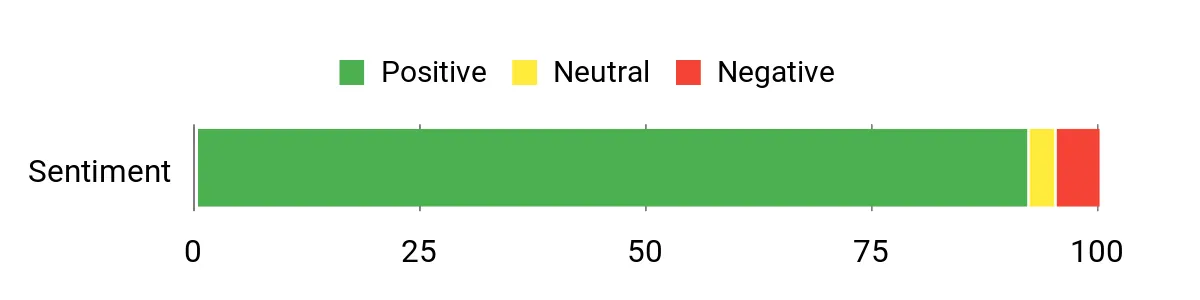
Pair it with amp modelers for real-time filter or volume control, assign it to delay and reverb parameters for expressive live playing, or use it in the studio to automate synth and plugin parameters. The dual outputs are especially handy if you want one pedal to manage a modeler and a keyboard at the same time.
The EV-30 squeezes pro features into a compact package: a refined internal pivot and feel that rivals bigger pedals, plus electronically isolated dual outputs and independent range controls. It lets you get sophisticated, dual-device control without adding bulk to your board.
This little pedal is a neat trick for your board: you get wah, volume, expression and a combined volume/wah mode all in one compact unit. It’s built to save space so you can keep your setup tidy without losing functionality, and the LED indicators help you see where the pedal sits at a glance.
Use it for everyday practice to shape tone and do volume swells, then switch modes for gigs where you need a wah or to control synth/modeler parameters with an external device. If you want one pedal that pulls multiple duties and doesn’t hog pedalboard real estate, this is a practical and surprisingly musical option.
Players often praise how much you get in such a small package — the multi‑mode approach is a common highlight, as are the LED indicators and solid feel. Many users appreciate that it saves pedalboard space while still sounding musical as a wah and handling volume and expression duties. A smaller group mention issues like a slight dead spot at heel‑down or a switch click when engaging, but overall impressions lean toward it being a smart, versatile addition.
Overall Sentiment: Positive
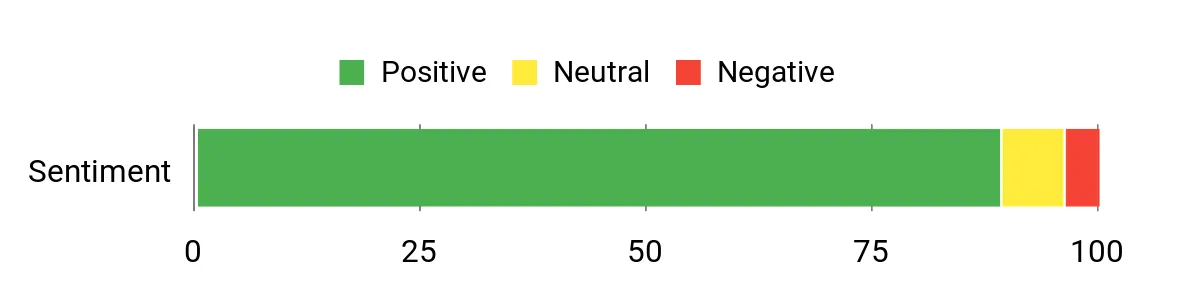
Flip between volume, wah, and expression on the fly to suit practice, recording, or live gigs. It’s handy for bedroom players who also gig, session players who need quick access to multiple functions, and anyone running small boards or multi‑device setups where space and flexibility matter.
Packing four functions into a single, compact pedal with visible LED position feedback and true bypass is a tidy bit of engineering. The combination of switchable modes and an expression input makes it adaptable to both modern modelers and classic pedal chains.
This is the kind of compact, no‑nonsense expression pedal you reach for when you need reliable control without wasting pedalboard space. You get dual outputs that work with both tip and ring wiring, a balanced shaft position for smooth toe/heel action, and a sturdy all‑metal build that feels like it will survive gigs and rehearsals. Use it for everyday practice to dial volume swells or wah sweeps, slot it into a live rig as a dedicated volume or synth controller, or toss it in your gig bag for weekend shows where compatibility with different modelers matters.
If you want a small, solid pedal that plays nicely with a range of gear, this one’s an easy, practical pick.
Across many buyers the pedal’s build quality and dual‑output flexibility keep coming up as big positives — people like that it just works with different devices without adapters. Users also highlight the compact size and the smooth, confident sweep when controlling volume or wah.
A smaller group mention that the unit can feel a bit small for large‑footed players or that the toe‑switch can be sensitive, but mostly the feedback centers on reliability and compatibility.
Overall Sentiment: Positive
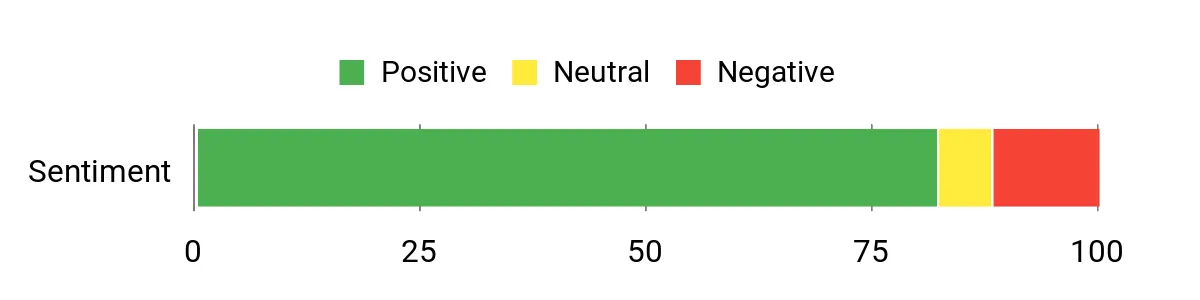
Flip between volume control, wah sweeps or use it as an external expression input for modelers and synths — it fits bedroom practice, studio sessions and live setups. Its dual outputs make it especially handy if you hop between different rigs or share gear with other players who expect different cable wiring.
The real smart bit is packing dual tip/ring compatibility into a compact metal pedal with an optimized shaft geometry — that combination solves two common headaches: inconsistent wiring across devices and awkward pedal ergonomics. It’s not flashy, but it’s thoughtful engineering for real‑world use.
If you need a pro-level expression pedal that won’t dominate your pedalboard, the EV-30 fits that slot neatly. You get a solid die-cast aluminium chassis that feels like it will last forever, a silky smooth pivot for precise sweeps, and two electronically isolated outputs so you can control separate devices without ground-loop noise. The independent range and polarity switches mean you can tailor each output to different pedals, amps or synths, so it works just as well in the studio, at home practice or shoved into a cramped live rig. It’s an easy pick when you want dependable, precise real-time control without sacrificing build quality or compatibility.
You’ll see a lot of praise for the build quality and the smooth, precise sweep — people often point out how solid and reliable it feels. The dual, isolated outputs and the polarity/range adjustments are repeatedly mentioned as making it easy to use with a mix of pedals, amps and keyboards.
A few users note the included TRS cable length or that the pedal is compact for very large feet, but most say those are small compromises compared with its durability and performance.
Overall Sentiment: Positive
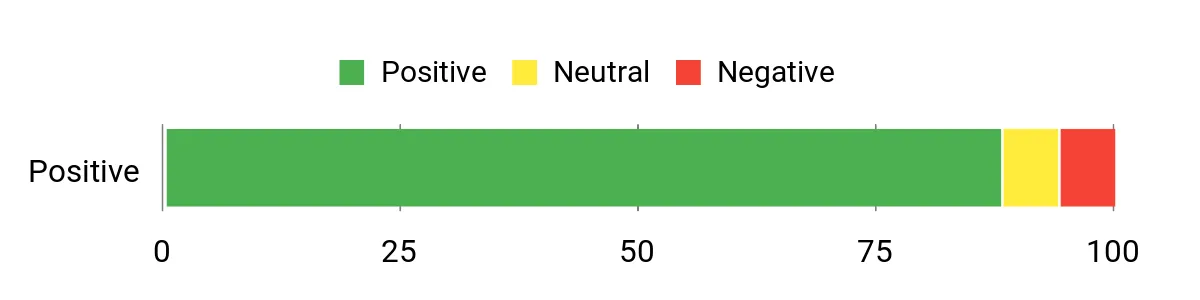
Use it as a volume pedal, wah controller, filter sweeper or as an external expression input for multi-effects, modelers and synths. Its isolated dual outputs make it handy when you need to control two parameters at once — ideal for switching setups between practice, recording sessions and live gigs without swapping gear.
The clever part is how BOSS packs pro features into a compact package: an internal mechanism for an ultra-smooth feel, electronically isolated dual outputs, and per-output range/polarity controls. That combination solves common hassles around compatibility and noise without adding bulk.
If you play keyboards or use synth modules, the EXP-2 is the kind of plug-and-play expression pedal that makes things feel more musical. You get a compact, sturdy pedal that sits neatly beside your board and a side-mounted minimum setting so you can set a comfortable floor for sweeps. It hooks up with a 3-conductor connection and behaves predictably with a wide range of Korg gear, so whether you’re shaping filter sweeps in the studio, controlling volume in rehearsal, or adding expression on stage, it’s reliable and low-fuss.
If you want a simple, dependable way to add real-time control to keyboards and processors, this is an easy pick.
Most customers highlight how well built and reliable the EXP-2 feels, noting the sturdy construction and consistent pedal action. People also appreciate the adjustable minimum setting and how easy it is to integrate with Korg gear and external processors. A small number mention model-specific limitations on certain keyboards, but the general consensus is that it delivers predictable, usable expression control.
Overall Sentiment: Positive
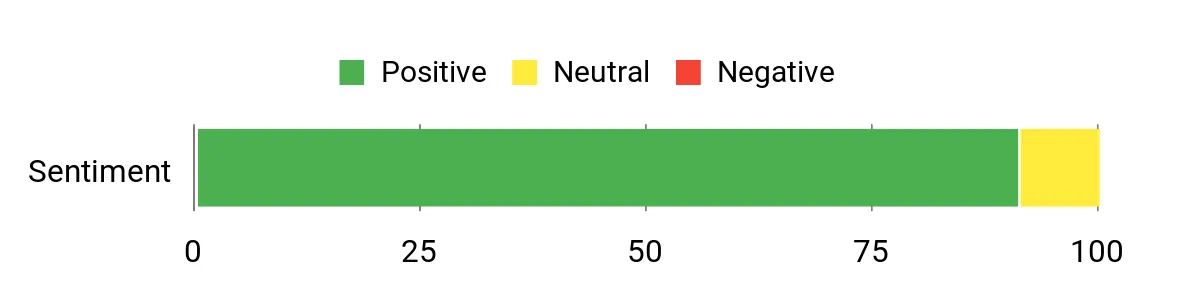
Use it for volume swells, wah-style sweeps, filter modulation or as an external expression input for synths and multi-effects. It’s small enough for daily practice setups and robust enough to handle occasional gigs or studio sessions, making it a natural fit when you want expressive control without a lot of hassle.
The neat touch is the side-mounted minimum adjustment, which gives you a quick way to set a usable starting point for sweeps without opening the pedal. Combined with a three-conductor hookup and compact design, it solves practical compatibility and space issues for keyboardists.
If you want a pedal that feels like it will last, the FC7 is a safe bet. You get a solid metal body, a satisfyingly long throw for subtle sweeps, and Yamaha’s Fortissimo function so you can push past the detent for an extra burst of level or expression.
The pedal angle and spring point are adjustable, so you can tailor the feel whether you’re sitting at a synth or standing with a board, and the rubber underside keeps it from wandering around. It’s the kind of controller you reach for when you want dependable, musical control in the studio, in rehearsal, or on stage.
Customers commonly praise the FC7 for its build quality and smooth, predictable action, saying it feels substantial underfoot and keeps its position. People also note how useful the Fortissimo feature and adjustable throw are for nuanced playing, though a handful mention compatibility quirks with some gear and the permanently attached cable as things to be aware of.
Overall Sentiment: Positive
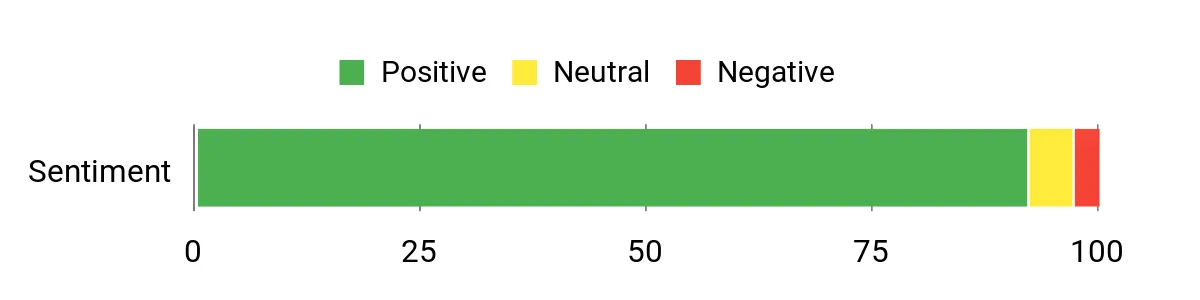
Use it for gentle volume swells, precise filter or synth sweeps, wah-style dynamics, or as an external expression input for multi-effects and amp modelling. It’s compact enough for regular practice and sturdy enough for gigging, so you can rely on it whether you’re shaping tones in the bedroom, tracking in the studio, or performing live.
The Fortissimo function is a neat twist — it gives you an intentional break point with access to higher values when you press through. Combine that with the adjustable spring and pedal angle and you’ve got a pedal that adapts to different playing styles rather than forcing one.
Think of this as a no-nonsense expression pedal that just works. You can plug it into a keyboard, MIDI controller or many effect units and use it to shape volume, modulation, filter sweeps or other assignable parameters in real time.
The built-in polarity switch makes it easy to match different gear, the long hardwired TRS lead keeps your setup tidy, and the textured footrest gives you reliable footing whether you’re practicing at home, tracking in the studio, or slipping it into a gig bag. If you want an affordable, portable pedal that covers the essentials without fuss, this is a solid pick.
You’ll often see buyers appreciating how dependable and compatible this pedal is — the polarity switch and the long attached TRS lead come up a lot. People like the compact, durable feel and the smooth sweep for expressive control.
A small number of users mention grip or minor mechanical noises over long-term use, but most say it delivers consistent performance for practice, home recording and light gigging.
Overall Sentiment: Positive
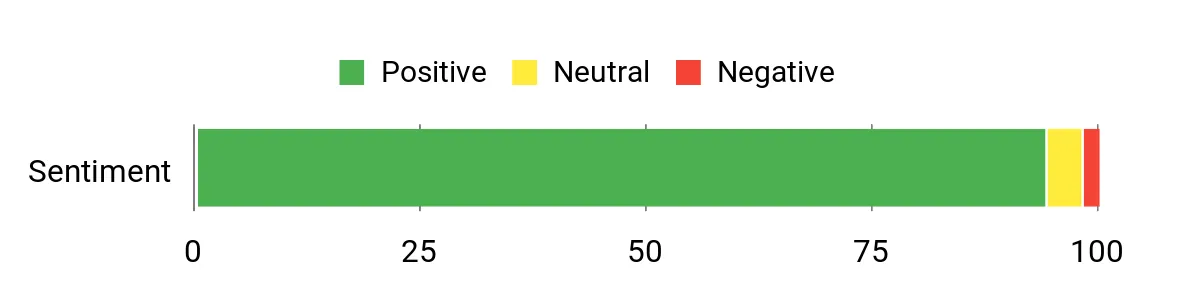
Use it to control volume swells, morph filters on synth patches, modulate effects parameters, or act as an external expression input for multi-effects and modelling units. It’s small enough to sit on a bedroom desk but sturdy enough to live on a rehearsal rig, so you can take the same pedal from practice to stage without rethinking your workflow.
There aren’t flashy extras here — the innovation is in reliable, thoughtful design: a built-in polarity switch for effortless compatibility and a permanently fitted TRS cable so you don’t have to worry about loose connectors. It’s a practical, compatibility-first approach that solves the everyday headaches players run into.
This is a fuss-free expression pedal you can drop into most setups without second-guessing compatibility. You get a built-in polarity switch so it plays nicely with different keyboards and controllers, a range-adjust knob to fine-tune travel, and a long hardwired lead that keeps cables tidy.
It’s sturdy enough for regular practice, light gigging, or sneaking into a studio session, and the non-slip surface actually keeps your foot where you want it. If you want something that simply works and won’t slow you down when switching gear, this is an easy choice.
You’ll notice most owners appreciate how reliably it connects to different keyboards and controllers — the polarity switch and adjustable range come up a lot. People commonly mention the solid feel underfoot and the convenience of the long attached cable.
A few users point out the action can be a bit stiff or slow to return depending on how they use it, but overall the consensus is that it’s a dependable, compatibility-first pedal.
Overall Sentiment: Positive
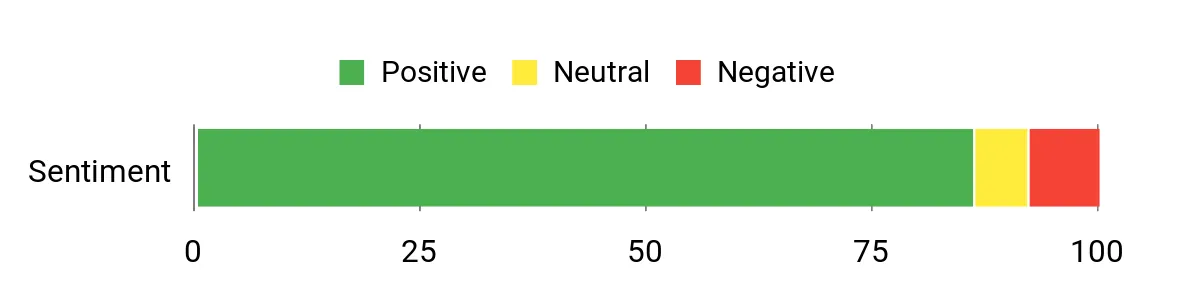
Use it for volume swells, modulation on synth patches, controlling wah-style filter sweeps, or as an external expression input for multi-effects and modeling units. It’s small enough to live on a bedroom rig yet durable enough to hop from rehearsal to a low-key gig without reshuffling your setup.
There’s no flashy gimmickry; the clever bit is practical: a polarity switch plus an adjustable travel knob solves the common headaches of mixing equipment from different eras or brands. That kind of thoughtful, compatibility-focused design is the feature that makes life easier on stage and in the studio.
If you’re short on pedalboard real estate but still want volume control and a usable wah, this tiny SONICAKE does both without fuss. It automatically switches between passive volume and expression/wah modes (use a TRS cable for gradual control), runs without batteries, and feels surprisingly solid underfoot thanks to a metal base plate and rubber pads. It’s great for daily practice, traveling players who want to stay light, or fitting into a cramped gig rig; for a low-profile pedal that still gives you a usable sweep and quick volume control, it’s an easy one to recommend.
Most players like how much functionality SONICAKE squeezed into such a small pedal—people often praise the dual volume/wah idea, the solid-feeling construction and how well it fits on tiny boards. Users also point out a few trade-offs: the compact size requires a bit of foot precision and some report noticeable hiss when the wah is engaged.
Overall, folks tend to say it punches above its size and is a handy travel or board-friendly option.
Overall Sentiment: Positive
Use it as a compact volume pedal for acoustic or electric setups, switch into wah mode for solos or funky rhythm work, or plug it into modeling rigs and synths as an expression input. It’s useful for bedroom practice, quick studio sessions, tight pedalboard layouts and lightweight gig rigs where saving space matters.
The clever bit isn’t flashy electronics but practical design: combining passive volume, expression and wah into one tiny enclosure, plus auto-detection so you don’t have to fiddle with switches. Little engineering choices—rubber heel placement, adjustable tension, and a metal base—make the small form factor genuinely usable rather than just novelty.
If you want both a volume pedal and an expression/wah option without stealing space on your board, this little Donner does the job. You plug in and it automatically switches between passive volume and expression/wah mode depending on the cable you use, so you don’t have to flip switches mid-setup.
It’s light, simple to use, and works well for bedroom practice, quick studio sessions, or gigs where every inch of pedalboard counts. The sweep is a bit quicker because of the compact footprint, so you’ll get used to dialing in your footwork; for a budget-friendly, space-saving tool that covers two common needs, it’s an easy pedal to recommend.
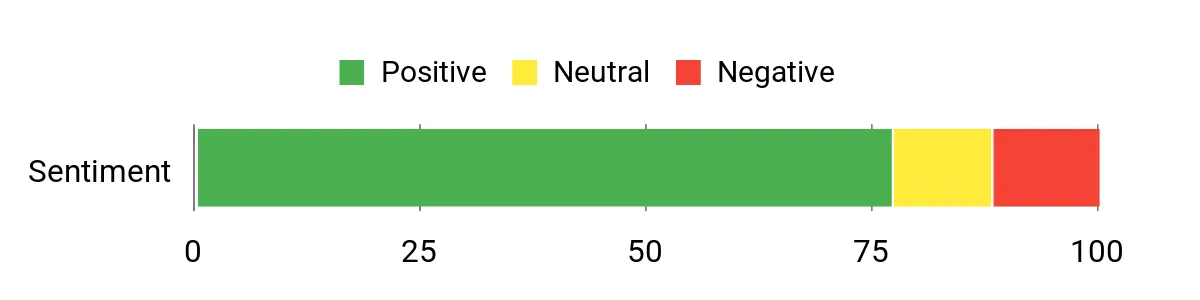
Across many players, people appreciate how much functionality Donner squeezed into a tiny pedal — the automatic mode switching and the dual volume/wah idea come up a lot. Users commonly praise the convenience for small boards and travel, note that it feels solid for the price, and mention the fast sweep and small footprint as trade-offs that take a little getting used to.
Overall Sentiment: Positive
Use it as a compact volume control for dynamics, flip into expression/wah mode for lead lines and funky rhythm parts, or route it into synths and modelling rigs as an expression input. It’s ideal for home practice, tight pedalboard rigs, quick session work and lightweight gig setups where space and simplicity matter.
The smart bit here is practical, not flashy: combining a passive volume pedal and an expression/wah into one enclosure with auto-detect switching. That design choice cuts down on clutter and makes the pedal plug-and-play friendly for a variety of instruments.
This little MEDIORAYS is the kind of pedal you reach for when you want more control without hogging space. You get a volume pedal and an expression input in one compact box that senses which function you need as soon as you plug in, so setup is painless.
It’s great for quiet practice sessions, home-recording days when you’re juggling synths and guitar, and light gigging where your board needs to stay lean. If you want a straightforward, no-fuss way to add dynamics or sweepable control to pedals and keyboards, it’s an easy pick to keep on your board.
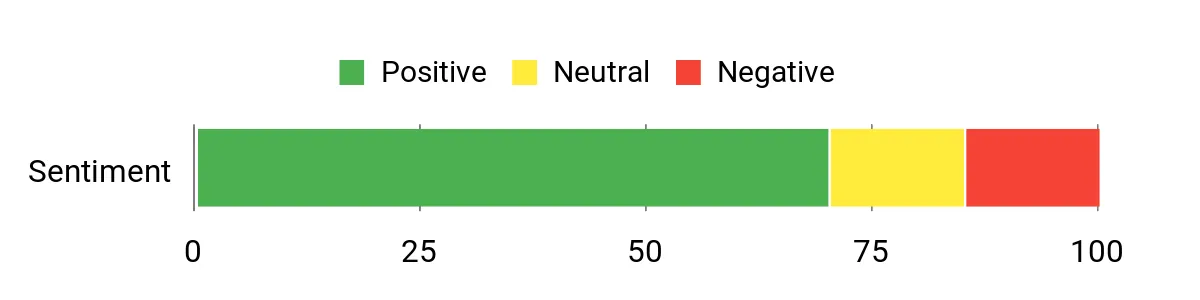
Most players like how much functionality is packed into a small pedal — the auto-detect feature and dual purpose design come up a lot as helpful for simplifying setups. Folks commonly note that it’s easy to use right away, connects well with guitars and keyboards, and feels solid enough for regular practice and light gig use. A few users remark that getting used to the compact sweep takes a minute, but overall the consensus is that it delivers good value and practical versatility.
Overall Sentiment: Positive
Use it to tame volume dynamics on stage, shape leads with expression-controlled wahs or filters, or feed it into synths and modelling amps as an expression input. It’s equally handy for bedroom practice, sketching ideas in the studio, or slimming down a pedalboard for quick-change gigging — you won’t need a separate volume and expression pedal in most casual setups.
The key idea here is practical: combine a passive volume pedal and an expression input into one compact chassis and let the jack wiring decide the mode. That removes a switch, saves space, and makes the pedal plug-and-play friendly for a variety of instruments.
This little Ampero Press is perfect when you need options but not extra bulk. You get a volume pedal and an expression input in one low-profile aluminum chassis, and a simple switch lets you change modes without rearranging your board.
It runs passively so you don't need a power supply, and the independent outputs make it easy to feed a multi‑effects unit or a separate volume path. If your board is tight or you travel with a compact setup, it’s a smart way to add dynamics and sweep control without sacrificing space.
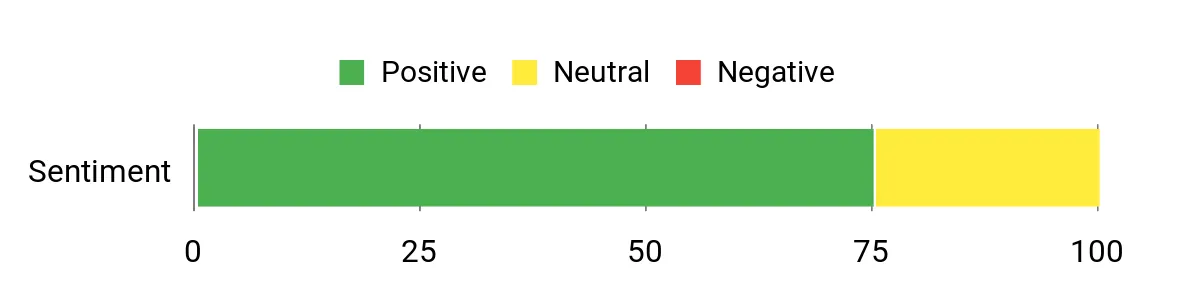
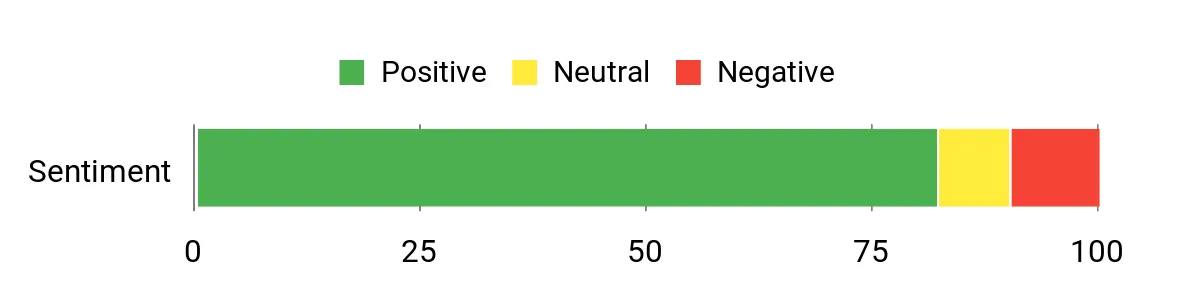
Players repeatedly praise how much functionality is packed into a small pedal — the dual-purpose design and solid build come up a lot as helpful for compact boards. Folks often mention the independent outputs and passive operation as practical pluses, and the built quality gets good marks. Common gripes center on the included cable (some say it’s the wrong type) and occasional reports of noise or reliability issues, so some users swap the cable or double-check connections.
Overall Sentiment: Positive
Use it as a simple volume control for stage and practice, flip it to expression mode to sweep wahs or filter effects, or feed synths and modelling amps as an external controller. It’s especially handy for bedroom recording, travel rigs and small‑board gig setups where you want multi-function without losing pedal real estate.
The clever bit here is packing two essential controls into one compact aluminum pedal and letting the physical switching and independent jacks handle routing. That saves space and simplifies your signal chain while still giving you usable sweep and volume control.
Choosing a pedal starts with matching it to your gear and playing style: decide whether you need a dedicated wah or a compact 2‑in‑1 volume/expression, check build quality and travel length so the pedal feels natural under your foot, and prefer metal or die‑cast housings if you gig often. Check Connector Type (TRS vs TS) And Impedance because many multi‑effects and processors expect a stereo TRS plug and a 10 kΩ pot; if you get that wrong the sweep will be unusable.
Think about whether you want active features (tuner, buffer) or a passive pedal, and remember that passive pedals avoid battery issues in cold weather while active pedals can offer extra features you’ll love in the studio.
Most modern multi‑effects units and amps accept standard expression pedals, but you must verify the device manual for cable type, polarity and expected potentiometer value before you buy or plug in. If you already own a unit with a built‑in pedal (for example, some Zoom processors include one) you can still add an external pedal to control other parameters or to get a different sweep feel; if the pedal seems unresponsive try reversing tip and ring, using a pedal with a polarity switch, or a small TRS polarity adapter to match your gear. Always calibrate the pedal range in the unit, test the sweep with a simple preset, and save the patched min/max values so the pedal behaves reliably on stage.
Keep your pedal performing by securing it with Velcro or dual lock so it won’t move underfoot, use quality TRS cables and avoid daisy‑chaining cheap cords, and warm your gear gently before playing in cold weather since low temperatures can stiffen pots and reduce battery life. Clean and exercise the pot occasionally to prevent scratchy noise, set pedal tension and travel to suit your shoe and technique, and if you encounter noise add a buffer or isolate the pedal from noisy power sources; calibrate the sweep and save presets before gigs to avoid surprises and to get consistent, expressive control every time.
By adding the right expression pedal you give yourself immediate control over dynamics, effects and tone shaping so you can make songs more expressive and adapt faster on stage. If you need a single, flexible unit to cover many sounds, the Zoom G1X is a strong all-round choice. If you care about rock-solid touring reliability, pick a BOSS EV-30 or the Yamaha FC7.
For small boards or compact rigs, the Hotone and Sonicake mini designs let you keep functionality while saving space. Use the selection criteria above to match a pedal to your priority — sound control, compactness, or budget — and you’ll get more expressive phrasing and better-sounding gigs this winter.
| Product | Image | Item Weight | Product Dimensions |
|---|---|---|---|
| Zoom G1X Four Multi-Effects Processor with Expression Pedal |  | 0.705 ounces | 6.2 x 8.5 x 2 inches |
| HOTONE 2 in 1 Passive Expression Footswitch EXP Pedal |  | 1.32 pounds | 6.38 x 3.19 x 2.01 inches |
| SONICAKE Volume Expression Pedal |  | 2.2 pounds | 5.83 x 2.56 x 2.4 inches |
| BOSS EV-30 Dual Expression Guitar Pedal |  | 2.19 pounds | 10.5 x 4 x 3 inches |
| Hotone Wah Active Volume Passive Expression Guitar Effects Pedal |  | 1.37 pounds | 6.38 x 3.19 x 2.01 inches |
| Paint Audio Foot Captain Dual Outputs Expression Pedal |  | 15.1 ounces | 5.7 x 2.44 x 1.96 inches |

bestguitarequipment.com is a participant in the Amazon Services LLC Associates Program, an affiliate advertising program designed to provide a means for website owners to earn advertising fees by advertising and linking to Amazon.com, and any other website that may be affiliated with Amazon Service LLC Associates Program.