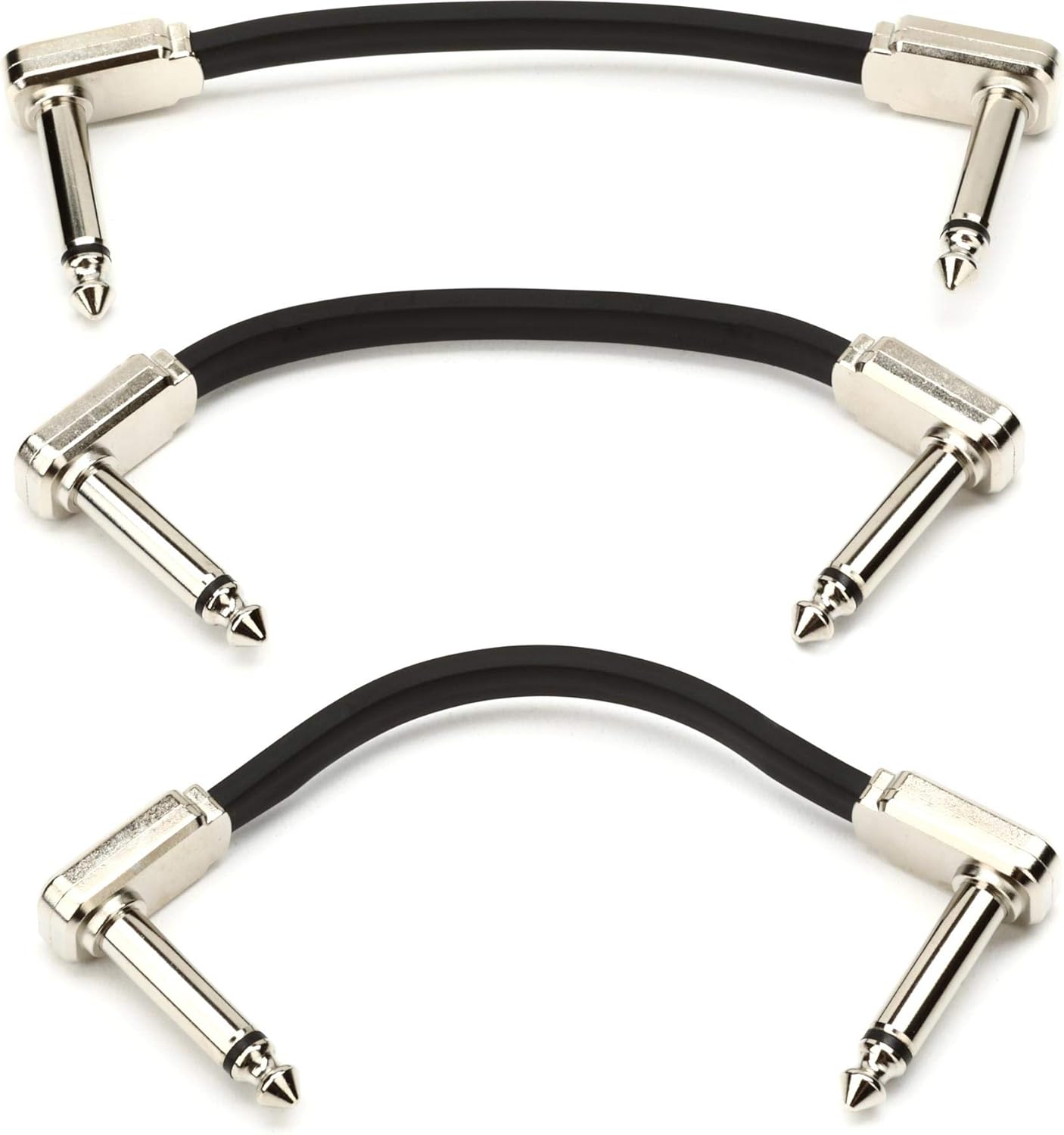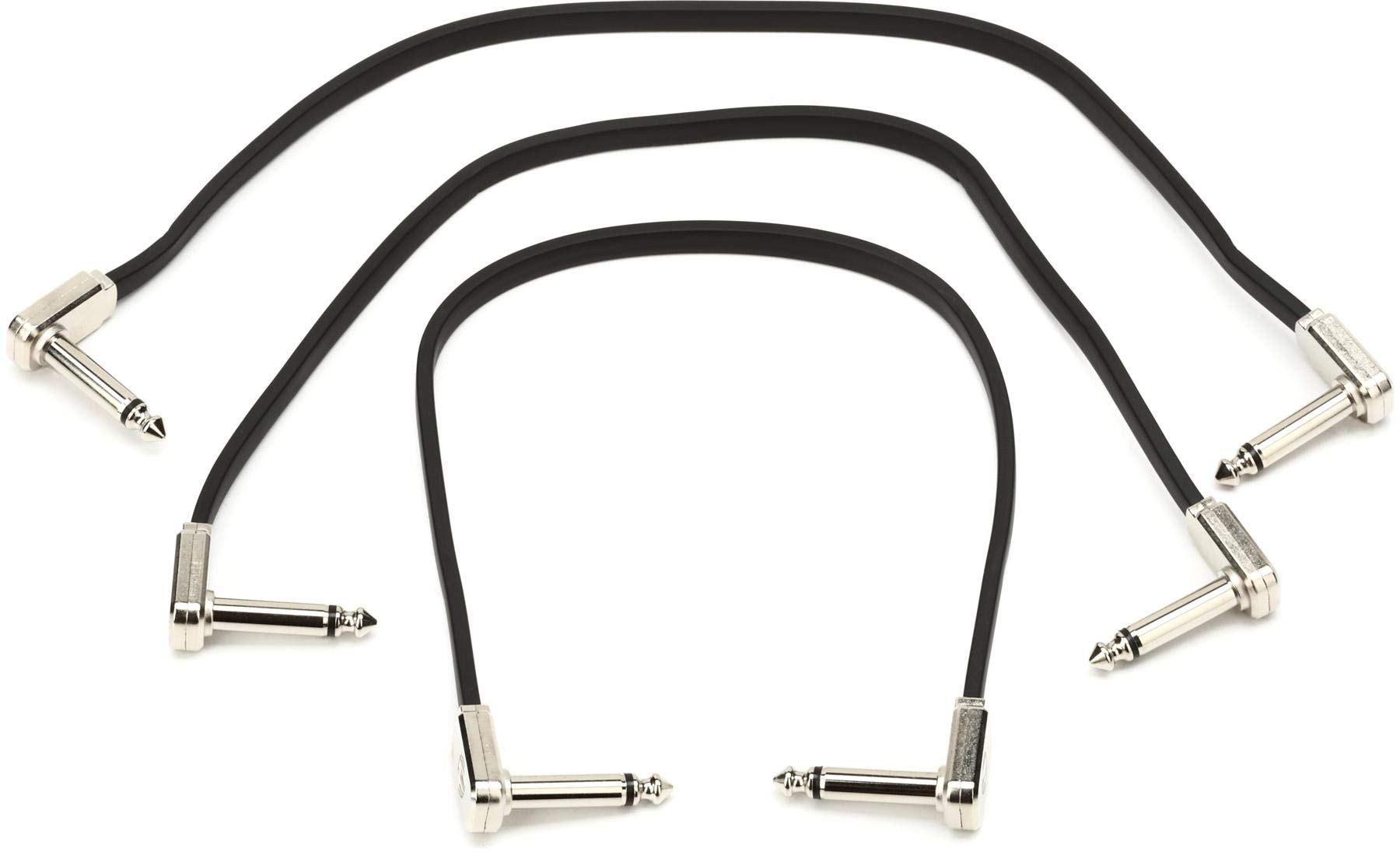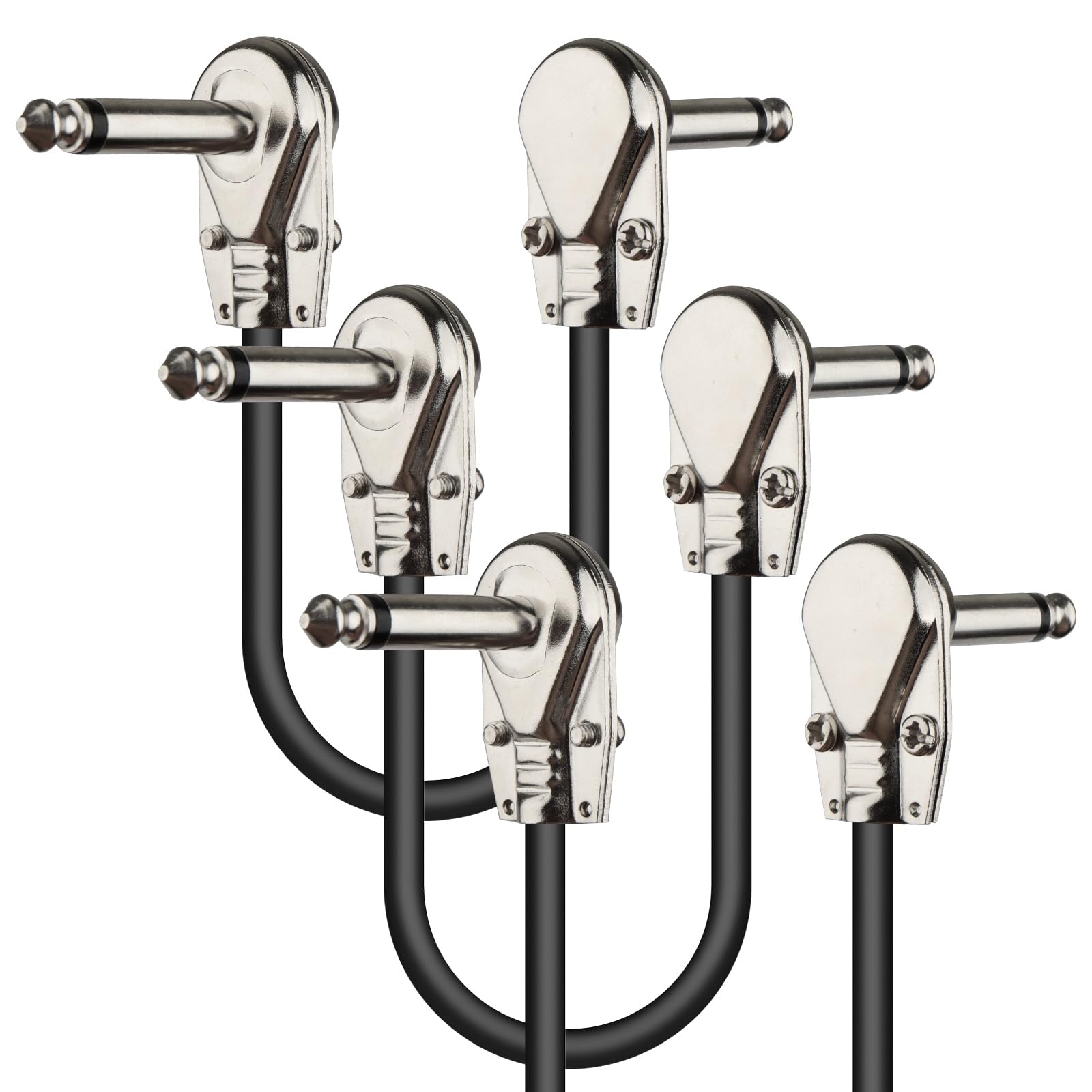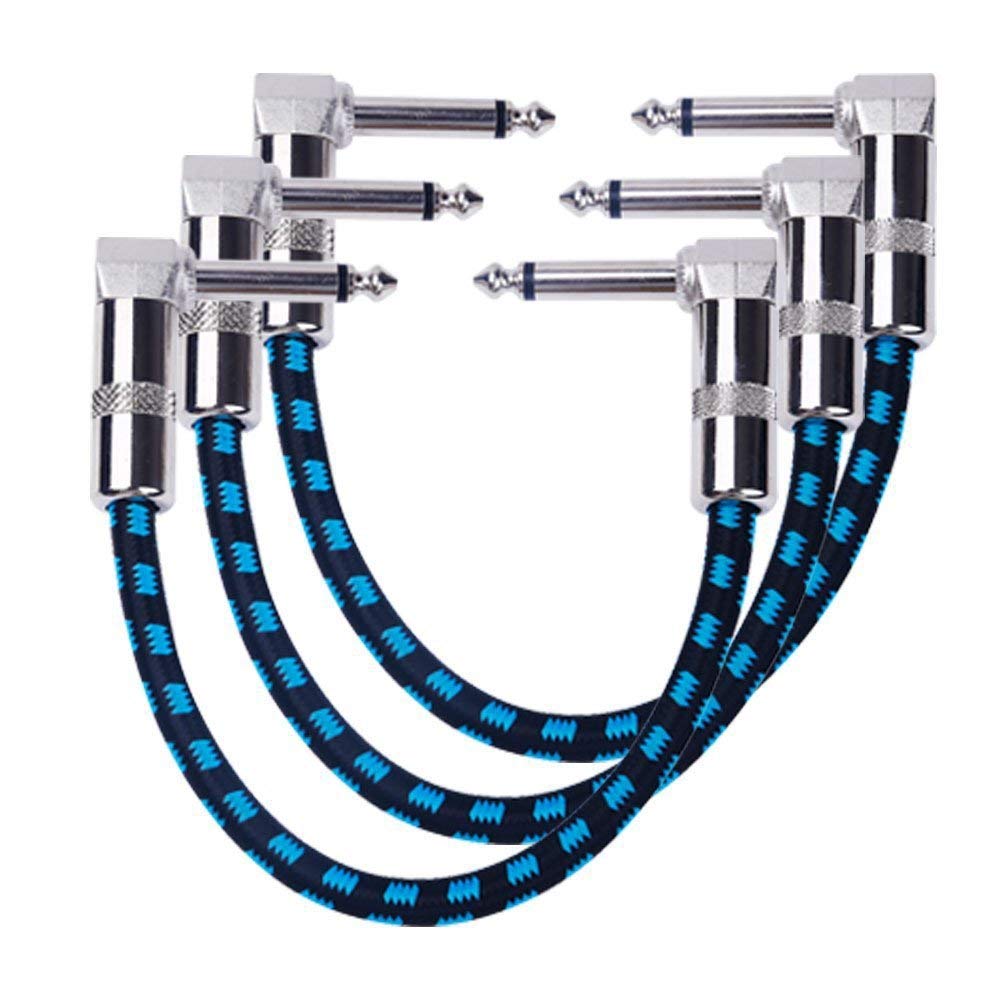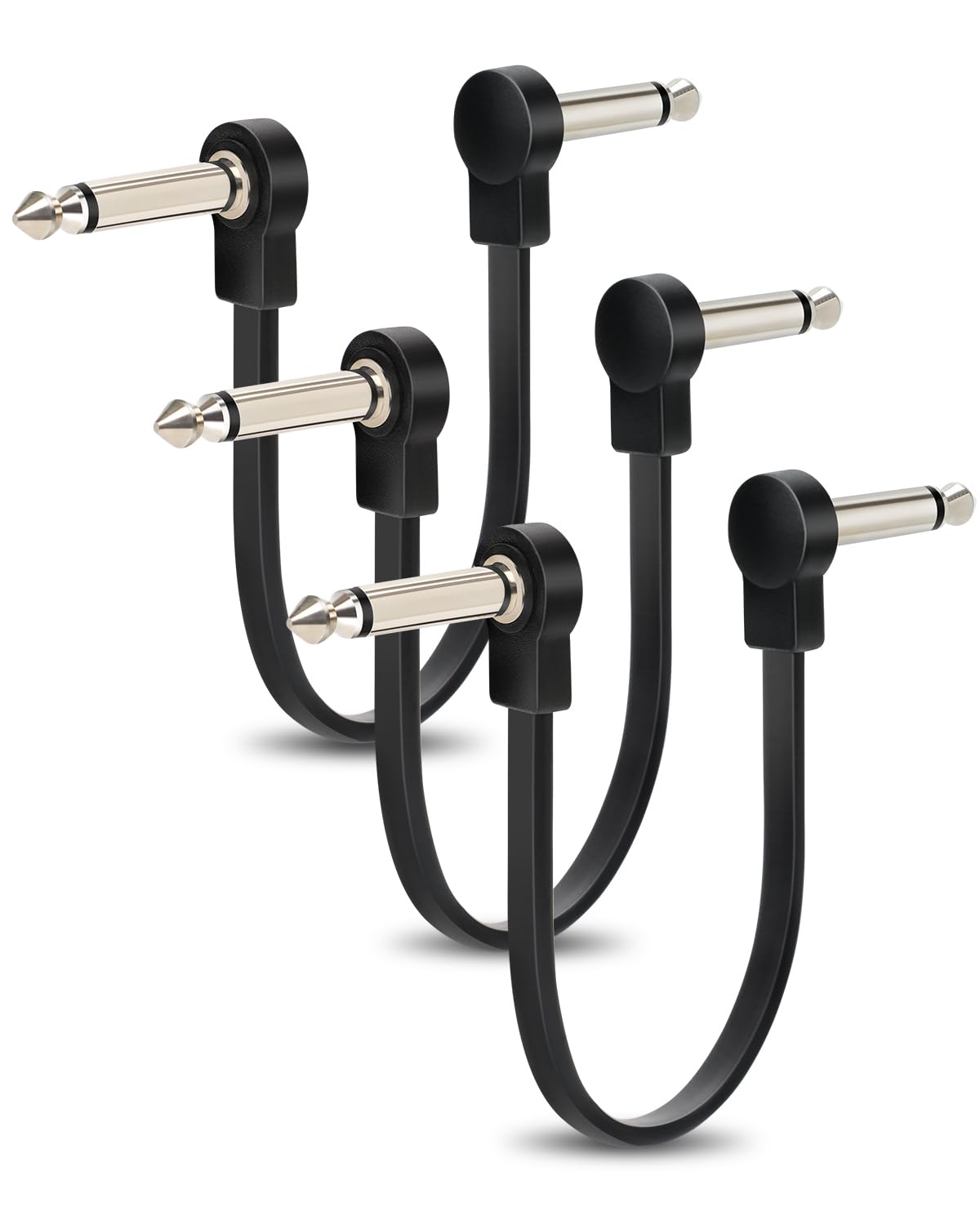
If you want a pedalboard that stays organized, quiet and reliable, choosing the right patch cables matters more than you think. Short, low-profile patch cables save space and let you position pedals tightly so you can add more effects; well-shielded and oxygen-free conductors keep your tone clean and free from hum; and the right pack size or length saves money and setup time.
This guide helps you pick cables that match your rig and goals so you can spend less time troubleshooting and more time playing.
| Category | Product | Score |
|---|---|---|
| 💰 Best Budget Pack | Amazon Basics | 89/100 |
| 🏆 Best Tone Clarity | MXR Patch | 97/100 |
| 🔰 Best Ultra-Budget | Voltrish Patch | 85/100 |
| 🎯 Best Long Reach | GOGHOST 12in | 92/100 |
| ⭐ Best Space Saver | Heams Pack | 90/100 |
| 🔧 Best Braided | Elebase 6in | 91/100 |
| 💼 Best Bulk Pack | Donner Flat | 92/100 |
| 🚀 Best Shielding | Sovvid Pack | 88/100 |
| 🌟 Best Pro Choice | Ernie Ball 6in | 95/100 |
| 🎨 Best Ultra-Thin | Rock Stock | 94/100 |
You want patch cables that solve real problems: space, noise, durability and price. We evaluated options for: length variety (short to long for different layouts); connector profile (low, flat, or right-angle for tight jacks); conductor and shielding quality (oxygen-free copper, spiral or multi-shielding to reduce hum); build materials (braided, PVC, flat ribbon durability); pack size and price (single vs multi-packs for value); and extra features (metal serviceable plugs, warranty). Each pick balances those factors so you can pick the cable that best suits your pedalboard, budget and playing demands.
These Amazon Basics 6-inch patch cables are the kind of simple upgrade that makes your pedalboard feel more organized. You get right-angle plugs that let your pedals sit close together, flexible cable that won’t fight you when you’re routing, and shielding intended to keep hum and interference down. They’re built for everyday gigging, rehearsals, or demoing new pedal layouts at home — and because they come as a six-pack, you can tidy up a whole board without hunting down individual cables.
If you want a no-fuss set that just works and keeps things neat, these are an easy pick.
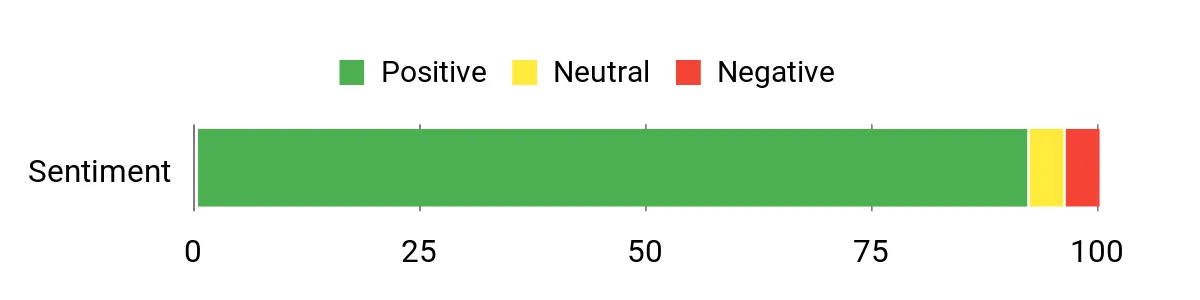
Customers commonly praise how these cables tidy up a pedalboard — the length and right-angle ends make routing simple and keep pedals snug. People mention solid build quality and quiet operation thanks to the shielding.
A few users note the plug heads can be a bit wide for pedals with closely spaced jacks, but most find them a dependable, practical solution.
Overall Sentiment: Positive
| Feature | Ease Level |
|---|---|
| Plugging into pedals | Easy |
| Routing on a pedalboard | Very Easy |
| Cable flexibility | Easy |
| Working with crowded multi-jack pedals | Moderate |
Great for everyday use on practice boards, rehearsal rigs and small gig setups — you can also use the set to kit out a backup board or loan a friend. The compact length and right-angle ends make them especially handy when every inch of pedalboard space matters.
If you want a simple way to clean up your pedalboard and keep your signal honest, these MXR 6" patch cables are the kind of small upgrade that actually makes a difference. You get oxygen‑free copper conductors and spiral shielding to keep interference and handling noise down, plus a flexible PVC jacket that bends where you need it and flat right‑angle plugs that let pedals sit close together. They work great for daily practice, rehearsals, studio patching and tighter gig rigs where space matters.
If you care about preserving tone and removing little annoyances — hum, buzz or bulky connectors getting in the way — these are a solid, practical choice you’ll reach for again and again.
You’ll notice most people praise how these cables keep a board neat while preserving tone — clarity and quiet operation come up a lot. Customers also commonly point out the build quality: flexible jackets, strong connectors and low‑profile plug heads that make routing easy.
A few users mention the plugs can be a touch bulky for some top-mounted jacks and that packaging can clank in transit, but overall the consensus is reliability and clean sound.
Overall Sentiment: Positive

| Feature | Ease Level |
|---|---|
| Plugging into pedals | Easy |
| Routing on a pedalboard | Very Easy |
| Cable flexibility | Easy |
| Working with crowded multi-jack pedals | Moderate |
Perfect for everyday practice rigs, rehearsal setups and compact gig boards where every inch counts. The short length and slim right-angle ends make them ideal for chaining multiple pedals without clutter, and they’re sturdy enough to travel with you between shows or sessions.
These compact flat 5" patch cables are the kind of tiny upgrade that actually makes your life on a pedalboard easier. You get oxygen‑free copper for clear highs and a dual shield to keep hum down, plus low‑profile right‑angle ends that free up space between pedals.
They’re great for daily practice, cramped rehearsal rigs, studio patching and bringing a tidy setup to weekend gigs or rehearsals. If you want something affordable that keeps things neat and doesn’t mess with your tone, these are an easy grab.
Most users highlight how well these cables solve cramped board problems — the flat profile and short length let pedals sit close together without fuss. People also point to quiet performance and solid connectors, saying the cables don’t noticeably alter tone.
Many mention the pack value and that the seller was responsive if they needed info; a few buyers wished for longer length options or different color choices.
Overall Sentiment: Positive

| Feature | Ease Level |
|---|---|
| Plugging into pedals | Easy |
| Routing on a pedalboard | Very Easy |
| Cable flexibility | Easy |
| Working with crowded multi-jack pedals | Moderate |
Perfect for practice rigs, rehearsals and compact gig boards where space is at a premium. Short, flat cables make chaining pedals simple and they’re sturdy enough to travel between rehearsals or shows without adding bulk.
These 12" flat ribbon patch cables are a great go-to if you need a little extra reach without adding bulk. The low‑profile right‑angle plugs help you tuck pedals close together, while the oxygen‑free copper and shielding keep things quiet and clear.
Use them for practice, rehearsals, studio patching or when you need to place a looper or tuner a bit further from the chain — they’re long enough to be useful but still neat. If you want a simple swap that frees up routing options and keeps your tone intact, these are an easy, practical choice.
Buyers consistently note the space‑saving flat design and how it lets pedals sit tightly together without fuss. Many praise the quiet performance and dependable connectors that don’t seem to alter tone, and several customers appreciate having a longer patch option for placing loopers or pedals slightly off the main chain. A few people ask for more color choices or different length combos, but overall the feeling is that these do the job well.
Overall Sentiment: Positive

| Feature | Ease Level |
|---|---|
| Plugging into pedals | Easy |
| Routing on a pedalboard | Very Easy |
| Cable flexibility | Easy |
| Working with crowded multi-jack pedals | Moderate |
Great for practice rigs, rehearsal boards and studio patching where a bit more reach matters. The flat profile helps you cram pedals closer while still giving you room to position loopers, tuners or expression pedals without awkward stretches.
These flat 6-inch patch cables are made for anyone who wants a cleaner, tighter pedalboard. You’ll notice how the low-profile ribbon and right-angle plugs let pedals sit flush so you can squeeze in another stompbox or two.
The premium copper cores and multilayer shielding aim to keep hum and interference down, while the flexible jacket makes routing simple whether you’re reconfiguring at home or loading in for a gig. Use them for practice, rehearsal, studio patching or when you need a compact setup for travel — they’re an easy swap if you want a neater board without messing with your tone.
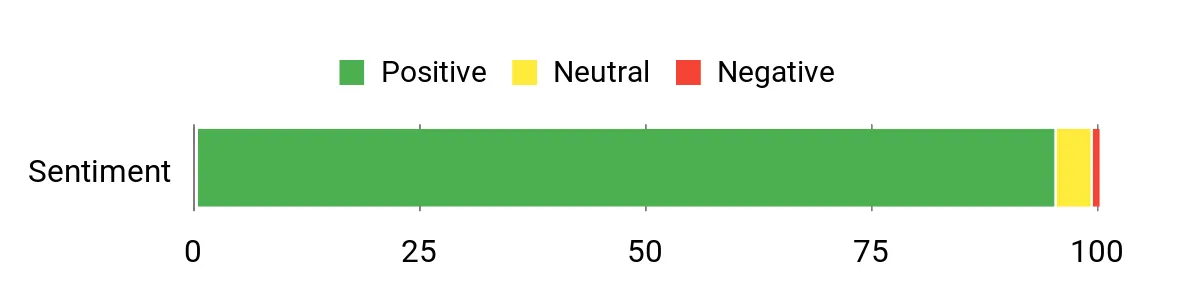
Customers commonly praise the space-saving flat design and how much neater their boards look after swapping to these cables. Many mention quiet performance thanks to the shielding and that the connectors stay reliable through heavy use. People also like the flexibility and durability—perfect for road kits or everyday practice setups.
Overall Sentiment: Positive
| Feature | Ease Level |
|---|---|
| Plugging into pedals | Easy |
| Routing on a pedalboard | Very Easy |
| Cable flexibility | Easy |
| Working on a touring rig | Moderate |
Ideal for compact pedalboards, practice rigs, studio patching and small-stage setups where saving space matters. They’re also handy for travel or quick rig changes when you need dependable, low-profile connections.
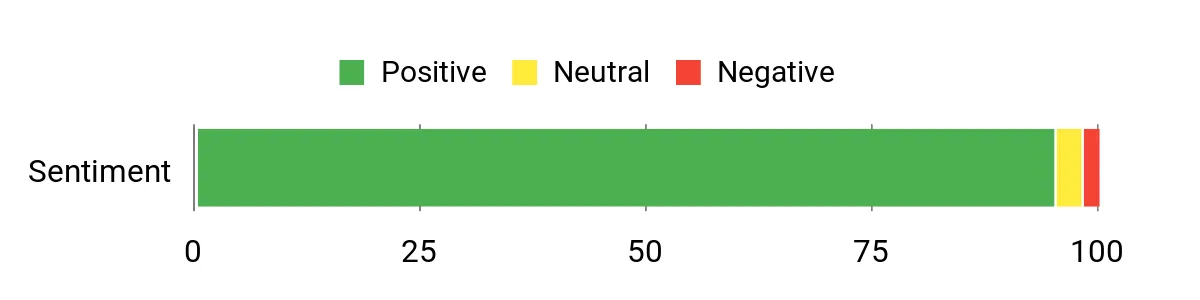
If you want short, tough patch cables that don’t feel disposable, these are a solid option. You’ll get a braided jacket, oxygen-free copper core and spiral shielding that aim to keep hum and interference down while the right-angle aluminum-alloy plugs sit neatly on most pedals.
They’re great for chaining effects on a home pedalboard, tidying up a rehearsal rig, or adding reliable links for studio patching and small gigs. If your board is ultra-tight, you might need to plan connector placement because the housings are on the stiffer side, but for everyday use these cables give you durable, noise-conscious performance that just works.
You’ll notice buyers repeatedly calling out the build quality and quiet performance — the braided jacket and copper core come up a lot as reasons these feel more reliable than throwaway cables. Many people appreciate how tidy their pedals look with short, right-angle links, though a number of users mention the connector housings can be a bit stiff in very cramped board layouts.
Overall the common thread is dependable, low-noise connections that last.
Overall Sentiment: Positive
| Feature | Ease Level |
|---|---|
| Plugging into pedals | Easy |
| Routing on a pedalboard | Easy |
| Cable flexibility | Moderate |
| Fitting extremely tight layouts | Moderate |
Perfect for compact pedalboards, rehearsal rigs and studio patching where short, reliable links matter. They’re also handy for quick setup and teardown at small gigs, though you may want low-profile alternatives for ultra-dense boards.
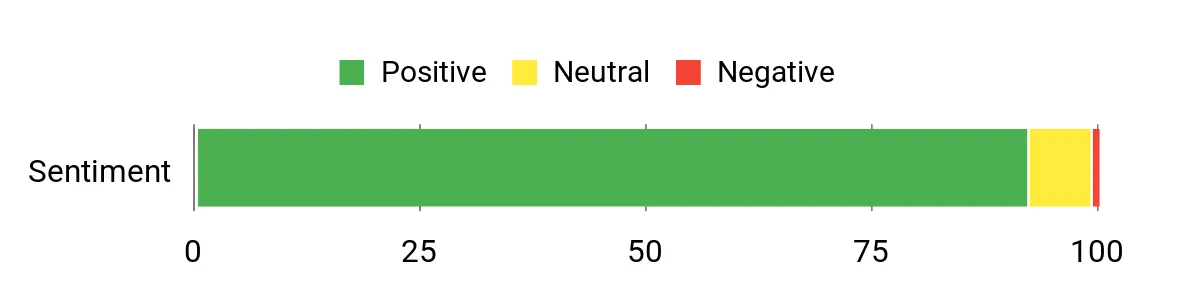
If you’ve ever wrestled with a crowded pedalboard, these Donner flat patch cables are the kind of small change that makes setup easier. The flat PVC jacket helps them sit neat and low between pedals so you can squeeze in an extra stompbox or two, while the right-angle molded TS plugs keep connections secure.
They’re flexible enough for daily practice, tidy enough for rehearsals, and simple to swap in for a weekend gig or a compact travel rig. If you want a bulk pack that cleans up wiring and gets your pedals talking without fuss, these are a practical, no-drama choice you can rely on.
Most buyers highlight how much board real estate these flat cables free up and appreciate that the links look neater than round cables. Folks often note the clear signal and flexibility as positives, though a few mention that the connector heads can be bulkier than premium options and that occasional quality-control hiccups pop up. Overall, people tend to treat them as a smart, space-saving choice for mono pedal setups.
Overall Sentiment: Positive
| Feature | Ease Level |
|---|---|
| Plugging into pedals | Easy |
| Routing on a pedalboard | Easy |
| Working with stereo outputs or ultra-tight layouts | Moderate |
| Durability under heavy gigging | Moderate |
Great for home practice rigs, rehearsal boards and small-gig setups where pedal spacing is limited. They’re ideal if you need multiple short links at once, though you might pick a different low-profile option for dense stereo configurations or very heavy touring use.
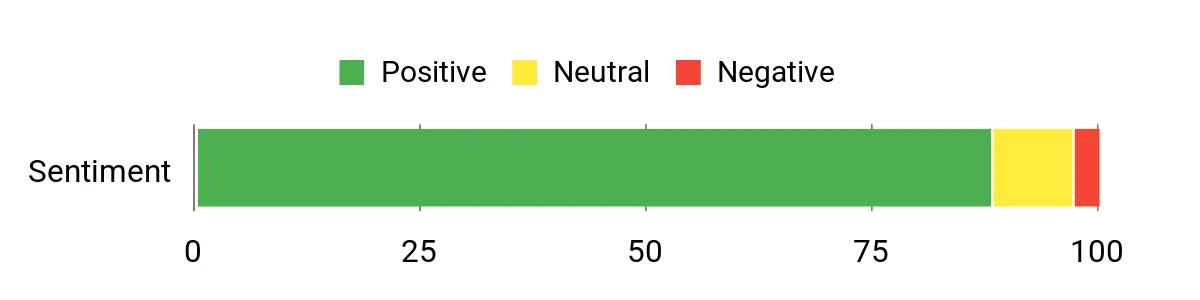
If you want cleaner-sounding pedal chains without fuss, these Sovvid patch cables are an easy way to tighten up your rig. You’ll notice the reduced hiss thanks to the heavy shielding and the oxygen-free copper conductor that keeps your tone clear.
The right-angle molded plugs make arranging pedals simpler, and the flexible jacket stands up to daily plugging and unplugging — good for practice, rehearsals, and smaller gigs. If you need dependable short links that keep signals honest and boards tidy, these are a solid, no-nonsense choice.
Buyers commonly call out the low noise floor and solid signal clarity, crediting the shielding and OFC conductors. Folks also like the right-angle plugs for tidier boards and say the cables feel well built, though some mention the lengths aren’t always what they expected and that they’re not the absolute lowest-profile option for ultra-tight layouts.
Overall Sentiment: Positive
| Feature | Ease Level |
|---|---|
| Plugging into pedals | Easy |
| Routing on a pedalboard | Easy |
| Working with ultra-tight pedal layouts | Moderate |
| Durability under frequent use | Moderate |
Great for home practice rigs, rehearsal setups and small to mid-size gigs where you want low-noise links and reliable plugs. They’re especially handy if you need multiple short cables at once, but if you’re building an ultra-compact stereo board you might prefer a pancake or extra-low-profile plug.
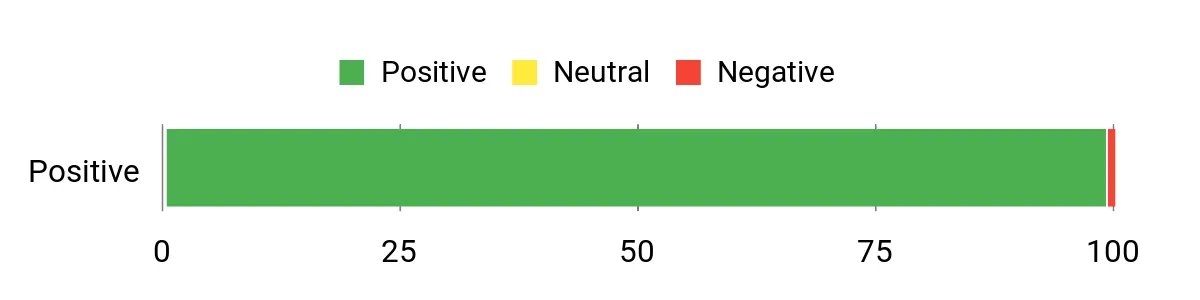
These Ernie Ball flat ribbon patch cables are one of those small upgrades that quietly make your pedalboard easier to live with. You’ll appreciate how the slim, flat profile lets you tuck pedals close together while the low-profile metal plugs keep everything low and neat.
The shielding and high-purity copper help keep noise down so your pedals sound as intended, whether you’re practicing at home, tracking in the studio, or playing a small gig. They come in a handy three-pack of 6‑inch lengths, which is great for rewiring a compact board — they’re the sort of thing you buy once and stop fussing about.
People repeatedly praise the space-saving flat design and how tidy these make a pedalboard look. Many note the clear, uncolored signal and low handling noise thanks to the shielding and good conductor.
Buyers also appreciate the solid-feeling metal plugs and overall build, though a few mention occasional stiffness or long-term connector wear in very heavy-use setups.
Overall Sentiment: Positive
| Feature | Ease Level |
|---|---|
| Plugging into pedals | Easy |
| Routing on a pedalboard | Easy |
| Working with ultra-tight layouts | Easy |
| Durability under frequent swapping | Moderate |
Perfect for home practice rigs, studio patching, and small live setups where pedal spacing matters. They’re especially useful if you like rearranging pedals often or want a clean, compact board; for very heavy touring use you might watch for connector wear over time.
These Ernie Ball flat ribbon cables are one of those upgrades you hardly notice until your pedalboard looks and behaves so much better. You can tuck pedals close together thanks to the slim, flat profile, and the low-profile metal plugs keep things neat so nothing blocks adjacent jacks.
The shielding and high-purity copper help keep hum and handling noise down, whether you’re rehearsing at home, tracking in the studio, or doing a quick small‑venue gig. They come as a three-pack of 3‑inch leads, which is perfect for tight layouts or when you want to simplify wiring — a tidy, practical choice you’ll use every time you reconfigure your board.
Customers consistently highlight the space-saving flat design and how much cleaner their pedalboards look after switching to these. Folks also point to the clear, uncolored signal and low handling noise from the shielding, and many appreciate the solid-feeling metal plugs.
A small number of users mention slight stiffness or potential connector wear with very heavy, frequent swapping.
Overall Sentiment: Positive

| Feature | Ease Level |
|---|---|
| Plugging into pedals | Easy |
| Routing on a tight board | Easy |
| Swapping pedals frequently | Moderate |
| Packing and storing spare cables | Easy |
Great for home rigs, studio patching and small live setups where pedal spacing matters. You’ll especially like them if you rearrange pedals often or want a compact, tidy board; for heavy touring, keep an eye on connectors over time.
These flat Rock Stock cables are the kind of small change that makes your pedalboard feel purpose-built. You can snug pedals up close without awkward gaps because the ribbon profile and low‑height connectors tuck under knobs and next to jacks.
The gold‑plated right‑angle plugs and braided shielding help keep your signal clean, so whether you’re dialing tones at home, tracking in the studio, or piecing together a compact live rig, you get minimal noise and a neater layout. They come in a three‑pack and in S or C orientations, which is handy when you’re routing tight rows or need to bridge odd jack placements — a practical upgrade if you like a tidy board and fewer cable tangles.
People routinely praise how much cleaner their pedalboards look once they switch to these flat cables, and many mention a noticeable drop in cable clutter. Customers also highlight the solid feel of the connectors and the way the shielding keeps hum and handling noise low.
A few users point out that for very heavy, constant patch swapping you might want to watch connector wear, but most find them dependable for regular use.
Overall Sentiment: Positive

| Feature | Ease Level |
|---|---|
| Plugging into pedals | Easy |
| Routing on a tight board | Easy |
| Choosing C vs S orientation | Easy |
| Swapping pedals frequently | Moderate |
| Packing and storing spares | Easy |
Perfect for home rigs, bedroom studios, and small live setups where space matters. If you rearrange pedals often or want a cleaner stage footprint, these make life simpler. For nonstop touring, they still work well but consider keeping a few spares on hand.
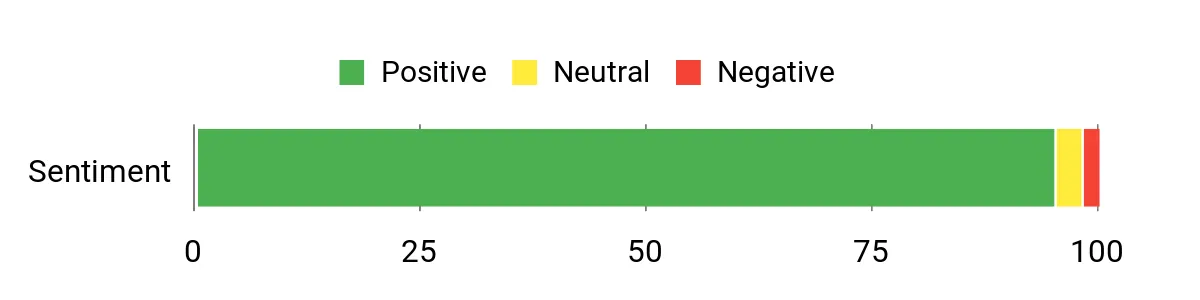
These Ernie Ball flat ribbon patch cables are one of those small upgrades that quietly make your pedalboard feel custom. The slim, ribbon profile and low-height metal plugs let you squeeze pedals tight together so you’re not fighting for space or knocking knobs every time you tweak something.
They use high-purity oxygen-free copper and layered shielding, which helps keep your tone clear and handling noise low — good news whether you’re tracking at home or patching a compact live rig. You get three 12 inch cables in the pack, and they’re built to route cleanly under pedals and around risers, so if you like a tidy board and fewer cable tangles, these are an easy swap.
People commonly mention how much neater their pedalboards look after switching to these flat cables, and many appreciate the space savings when arranging pedals tightly. Customers also praise the clear signal and low handling noise from the shielding, while a handful note occasional connector wear if you’re constantly swapping patches.
Overall Sentiment: Positive
| Feature | Ease Level |
|---|---|
| Plugging into pedals | Easy |
| Routing on a tight board | Easy |
| Flexibility and bend | Moderate |
| Swapping pedals frequently | Moderate |
| Packing and storing spares | Easy |
Great for home practice, bedroom studios, and smaller live rigs where space and a clean layout matter. If you rearrange pedals often or need a compact stage footprint these make wiring simpler; for heavy touring it's wise to keep a few extras on hand.
These little 6-inch patch cables are exactly the kind of no-nonsense upgrade you reach for when you want a cleaner pedalboard without fuss. You get three metal right-angle plugs that feel serviceable and sturdy, a flexible PVC jacket that routes nicely under pedals, and oxygen-free copper with dual shielding so your signal stays clear. They’re great for everyday practice, bedroom recording, and tighter live rigs where you want reliable connections without bulky cables getting in the way. If you want dependable, straightforward patches that keep things tidy and quiet, these are an easy, practical pick.
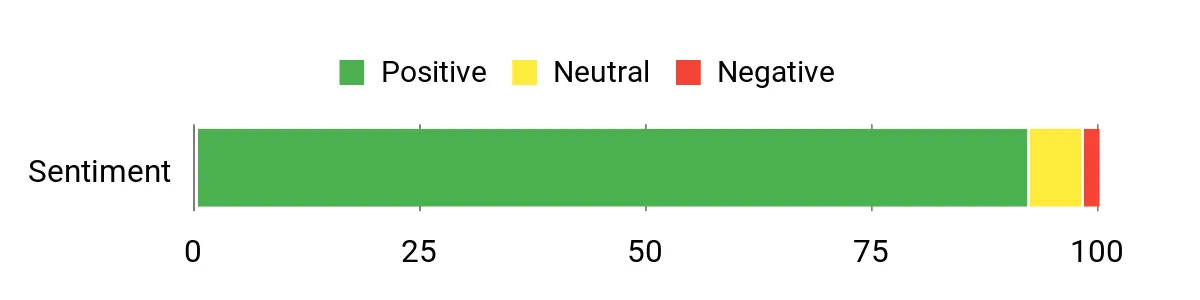
Customers frequently praise the solid build and serviceable metal plugs, saying the cables feel sturdier than other budget options. People also note clean, quiet signal transfer thanks to the shielding and OFC conductors.
A few users mention the connector housings are a bit bulky for extremely tight or side-by-side jacks, but most find the length and flexibility work well for typical pedalboard layouts.
Overall Sentiment: Positive
| Feature | Ease Level |
|---|---|
| Plugging into pedals | Easy |
| Routing beneath pedals | Easy |
| Fitting very compact boards | Moderate |
| Servicing connectors | Easy |
| Swapping patches frequently | Moderate |
Perfect for home players, practice rigs, and small live setups where board neatness and reliable, quiet connections matter. If you habitually pack pedals very tight or tour heavily, keep a few extras on hand, but these work well for most everyday and gigging needs.
You get a tidy three-pack of 6‑inch right‑angle patch cables that make your pedalboard look and feel more put together. The tweed woven jacket is surprisingly durable and coils neatly under pedals, while the metal plugs and strain reliefs give a solid, no‑nonsense connection. They’re designed for clean signal transfer with low capacitance, so your tone stays intact whether you’re tracking at home, rehearsing, or slotting pedals into a compact live rig. If you want dependable patches that balance style and function, these are an easy grab for most players.
Most users highlight how well built the cables feel — the tweed cover and metal plugs get repeated mentions — and they like that the signal stays clean thanks to good shielding. People also appreciate the short length for tidy boards, though a few note the jacket can be a bit stiff when jacks sit unusually close together.
Overall Sentiment: Positive

| Feature | Ease Level |
|---|---|
| Plugging into pedals | Easy |
| Routing under pedals | Easy |
| Fitting very tight, side‑by‑side jacks | Moderate |
| Removing and re‑plugging often | Easy |
| Long‑term durability | Moderate |
Great for home practice, bedroom recording setups, and small-to-medium live boards where neatness and reliable signal matter. If your board uses extremely closely spaced jacks, test fit one cable first, but for most rigs these handle everyday gigging and rehearsal solidly.
These are the kind of patch cables you reach for when you want something that just works and keeps working. At 6 inches with a flat, extra‑thick ribbon and compact right‑angle plugs, they tuck neatly between pedals so your board stays tidy and playable.
The rubber jacket feels tough without being stiff, so you can route them under pedals at home, use them for rehearsals, or trust them on a weekend gig. They handle regular use and occasional rough handling better than thinner options, so if you want dependable, low‑profile patches that make wiring a no‑fuss task, these are a smart choice.
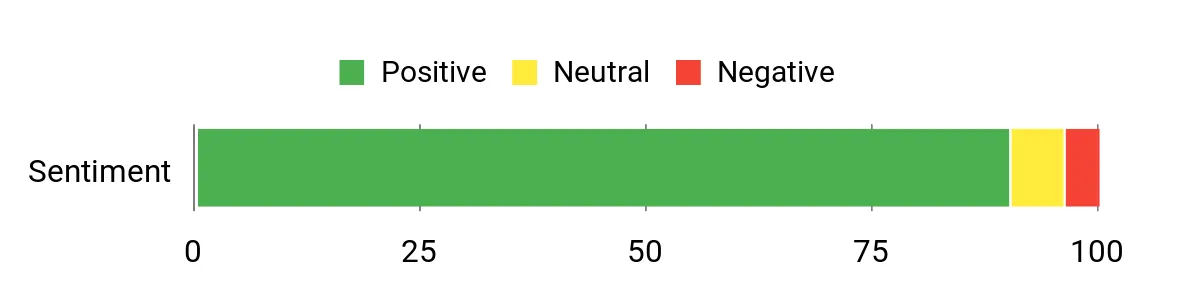
You’ll notice most users praise the build quality and compact connector profile — those two things are mentioned again and again. People like how the flat cable helps keep pedals close together without adding noise, and the rubber jacket gets credit for lasting through heavy use.
A few say they’d prefer shorter lengths for ultra‑mini boards, but overall the consensus is these strike a good balance between toughness and tidy routing.
Overall Sentiment: Positive
| Feature | Ease Level |
|---|---|
| Plugging into pedals | Easy |
| Routing neatly under and between pedals | Easy |
| Fitting extremely tight, side‑by‑side jacks | Moderate |
| Swapping cables quickly during setup | Easy |
| Long‑term durability | Moderate |
Perfect for home practice, bedroom recording, rehearsal spaces and smaller live rigs where space is at a premium. They’re especially useful if you want a neat board without sacrificing reliability; just test one in very tight stereo jack areas if your pedals are unusually close.
If you want a neater pedalboard without fuss, these 6‑inch flat patch cables are one of the easiest swaps you can make. The ultra‑thin, low‑profile right‑angle plugs let you push pedals close together, and the oxygen‑free copper plus dual‑layer shielding keeps hum to a minimum so your tone stays clear.
They feel light but built to last — reinforced strain relief and solid plugs mean they survive frequent setup and tear‑down. Great for daily practice, bedroom recording, rehearsals and compact live rigs; grab a pack and you’ll have matching links that simplify routing and reduce clutter.
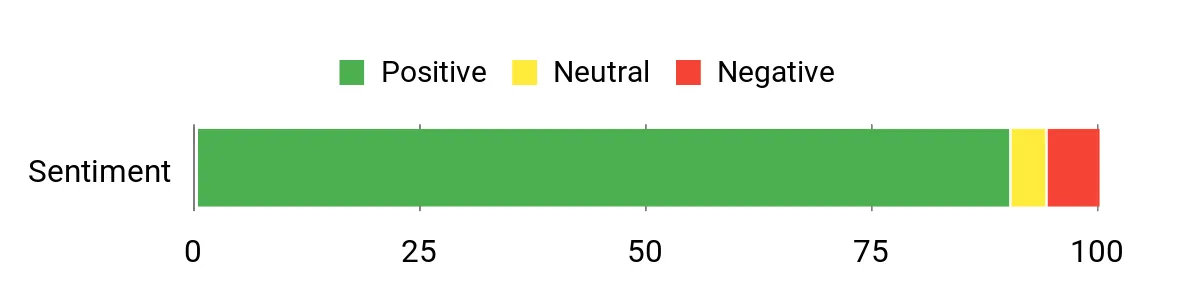
You’ll see a lot of comments about how tidy these make pedalboards and how little noise they introduce. Most users highlight the compact connector profile and decent build — people appreciate the solid plugs and the way the flat cable keeps pedals close together. A few mention wanting shorter or slightly stiffer options for very compact, nonstandard rigs, but overall the feedback points to dependable, no‑nonsense performance.
Overall Sentiment: Positive
| Feature | Ease Level |
|---|---|
| Plugging into pedals | Easy |
| Routing neatly under and between pedals | Easy |
| Fitting extremely tight, side‑by‑side jacks | Easy |
| Swapping cables quickly during setup | Easy |
| Long‑term durability | Moderate |
Perfect for your home practice, bedroom recording, rehearsal spaces and smaller live rigs where board space is limited. They’re especially handy if you like a clean, compact layout — just check compatibility if your pedals have unusually recessed or offset jacks.
If you want tidy, color‑coded links between pedals without fuss, this six‑pack from Donner is exactly the kind of kit that makes life easier. The 12‑inch length is long enough to bridge most stompboxes but short enough to keep your board neat, and the oxygen‑free copper plus low capacitance design helps your tone stay clear.
You’ll appreciate the molded TS plugs and solid outer casting when you’re swapping pedals or shuttling the board to rehearsals — they feel secure and plug in cleanly. Great for everyday practice, home recording sessions, rehearsal rooms and small live rigs; grab a set if you like consistent cables that simply do the job.
You’ll notice most users praise how these just work — solid plugs, consistent wiring and noticeably low capacitance for short runs. People often point out the convenience of the multicolored set for quick pedal identification and the overall build that feels more robust than the price would suggest.
A few mention shorter lengths can feel a bit stiff at first, but overall the consensus is dependable, no‑nonsense performance for pedalboard wiring.
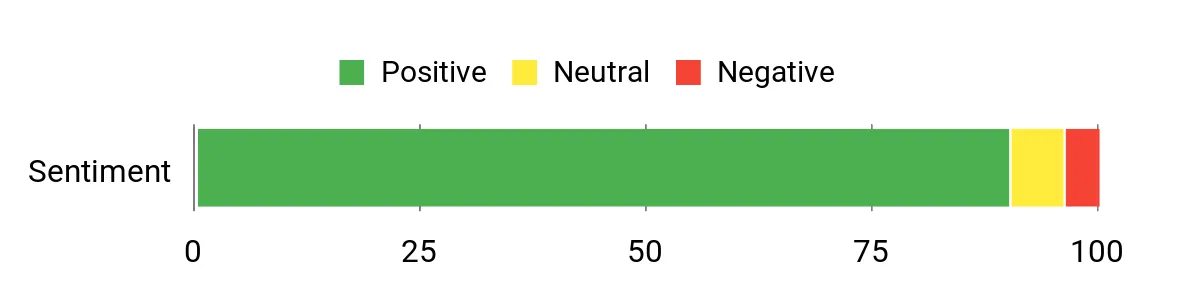
Overall Sentiment: Positive
| Feature | Ease Level |
|---|---|
| Plugging into pedals | Easy |
| Color‑coding and identifying signal paths | Easy |
| Routing on compact pedalboards | Easy |
| Withstanding frequent transport and setup | Moderate |
Perfect for home practice, rehearsals and small‑to‑medium live rigs where consistent, short connections keep your board tidy. The color coding also makes quick swaps and troubleshooting a lot less annoying.
If you're trying to keep a crowded pedalboard neat without losing tone, this MXR 18" ribbon cable is exactly the kind of tool that helps. The flat, ultra-thin profile lets pedals sit close together, while low-profile metal ends and oxygen‑free copper keep the signal clear and handling noise to a minimum.
It's flexible enough for daily practice and reliable enough for studio work or gigging, and the sealed metal ends feel like they can survive being plugged and unplugged a lot. If you want tidy wiring and a quiet signal chain, this is a practical, no-nonsense pick.
Most users highlight how these cables tidy up pedalboards while keeping tone intact — the flat design and low-profile plugs make a noticeable difference for cramped layouts. People also mention consistent build quality and quiet operation thanks to the shielding and oxygen-free copper, and many find the cables flexible enough for everyday studio use and reliable enough for live setups.
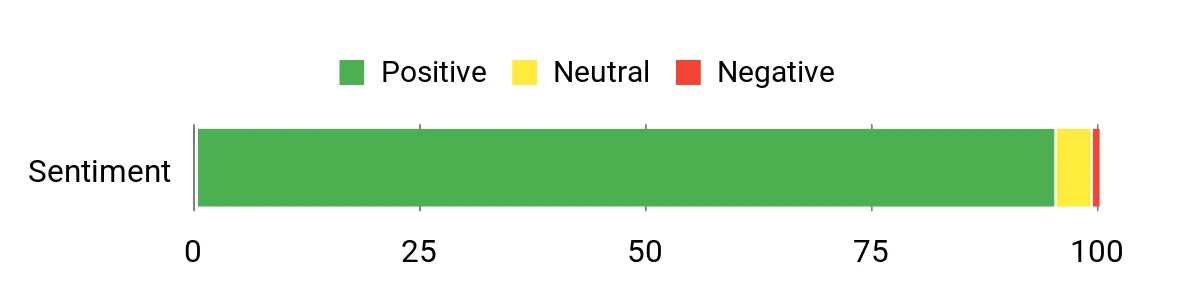
Overall Sentiment: Positive
| Feature | Ease Level |
|---|---|
| Plugging into pedals | Easy |
| Routing on compact pedalboards | Easy |
| Keeping noise and interference down | Easy |
| Standing up to frequent transport | Moderate |
Great for home practice, studio sessions and live rigs where saving space and preserving tone matter. Works especially well with side-mounted jacks and compact pedal layouts, and it's a solid daily driver for touring musicians who need tidy, quiet connections.
If you want an easy way to clean up your pedalboard wiring, these Donner 6" patch cables are a practical pick. You get six color-coded short cables that tuck neatly between pedals, molded right‑angle plugs that fit tight setups, and oxygen‑free copper with shielding to keep the signal clear.
They work well for daily practice, studio patching and small gigs, and the multicolored set makes tracing signal paths painless. If you value a tidy board and reliable, no‑nonsense connections, these are worth grabbing.
You’ll notice most buyers appreciate how these cables tidy pedalboards without noticeably changing your tone; the shielding and oxygen‑free copper get frequent mentions for keeping things quiet. People also like the molded right‑angle plugs and the color coding for quick setup, though a few note the very short versions can feel a bit stiff at first.
Overall the consensus is dependable performance and sensible build for everyday use.
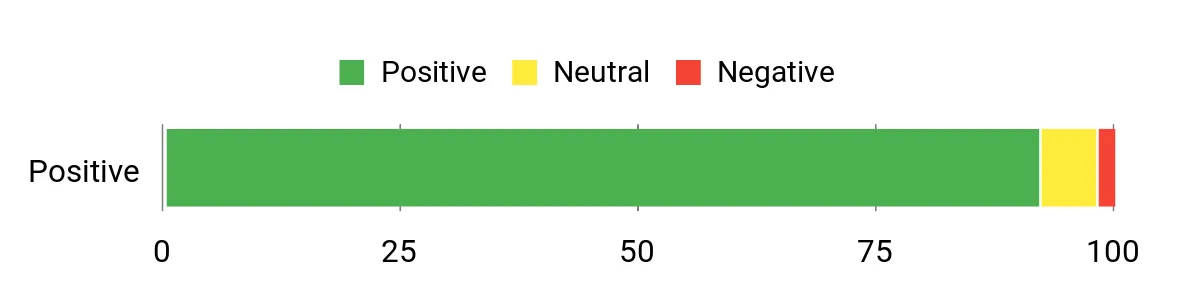
Overall Sentiment: Positive
| Feature | Ease Level |
|---|---|
| Plugging into pedals | Easy |
| Routing and organizing on a pedalboard | Easy |
| Identifying signal paths with color coding | Easy |
| Standing up to heavy touring abuse | Moderate |
Perfect for home practice, rehearsal spaces and compact gig rigs where short, tidy connections matter. The multicolored pack is also handy in the studio when you want to keep signal chains obvious, and having six cables means you can swap or replace without hunting for spares.
You pick cables by matching them to your board layout and signal priorities rather than chasing brand names. Short, low-profile right-angle or flat ribbon cables are ideal when you need to squeeze pedals tightly together because they maximize usable real estate and reduce visual clutter.
If you run many pedals close to each other, prioritize cable length (3–6 inches for side-by-side rows, 12–18 inches for routing between rows), connector profile (low-profile vs. pancake vs.
serviceable metal plugs), and construction (oxygen-free copper conductors and good shielding) so you don’t trade space for noise or fragility. Remember that large connector housings can block adjacent jacks on some pedals, and stereo pedals often need specific orientations or a slightly longer lead — plan for those exceptions when you choose connectors and lengths.
Short patch cables generally won’t change your tone in any audible way, and the biggest risk to signal quality comes from long runs, poor shielding, or loose/faulty connectors. You keep your sound intact by using short, well-shielded cables with quality conductors; short runs minimize capacitance and protect highs, while spiral or multiple shields and oxygen-free copper reduce interference. Most hums and buzzes are caused by grounding or power-supply issues, not the patch cables themselves, but a defective connector or bad solder can produce intermittent noise — if you hear problems, isolate them quickly by swapping in a known-good short patch and checking connections.
You’ll get the most reliable, tidy setup by planning your layout, using the shortest cable that lets pedals sit where you want, and routing cables flat or under the board to avoid accidental tugs. Plug connectors in fully and avoid overly tight bends at the jack; secure excess slack with soft ties or under-board routing rather than pinching the jacket.
For gigs, keep a few spare patches (including at least one with a serviceable metal plug) so you can swap broken cables fast. Test new cables at home before a show by checking for continuity and listening for noise while tapping pedals and moving plugs; replace any cable that becomes intermittent rather than trying to coax it to keep working. With a little planning and a few reliable spares, you’ll keep your rig sounding clean and your board looking pro.
By swapping to the right patches you get two immediate wins: more pedalboard real estate and cleaner signal. Short, low-profile and well-shielded cables keep pedals tight and your tone uncolored, while durable construction and the right pack size save you money and road headaches.
Pick the category that matches your priority — whether it's budget, pro-grade clarity, extreme thinness, or rugged touring reliability — and your setup will feel more intentional and perform more reliably.
| Product | Image | Length | Connector Type |
|---|---|---|---|
| Amazon Basics 1/4 Inch Guitar Patch Auxiliary Cable, 6 in, 6-Pack |  | 6 inches | 1/4 Inch TS |
| MXR Patch Cable 6 in|15 cm - 3 Pack (3PDCP06) | 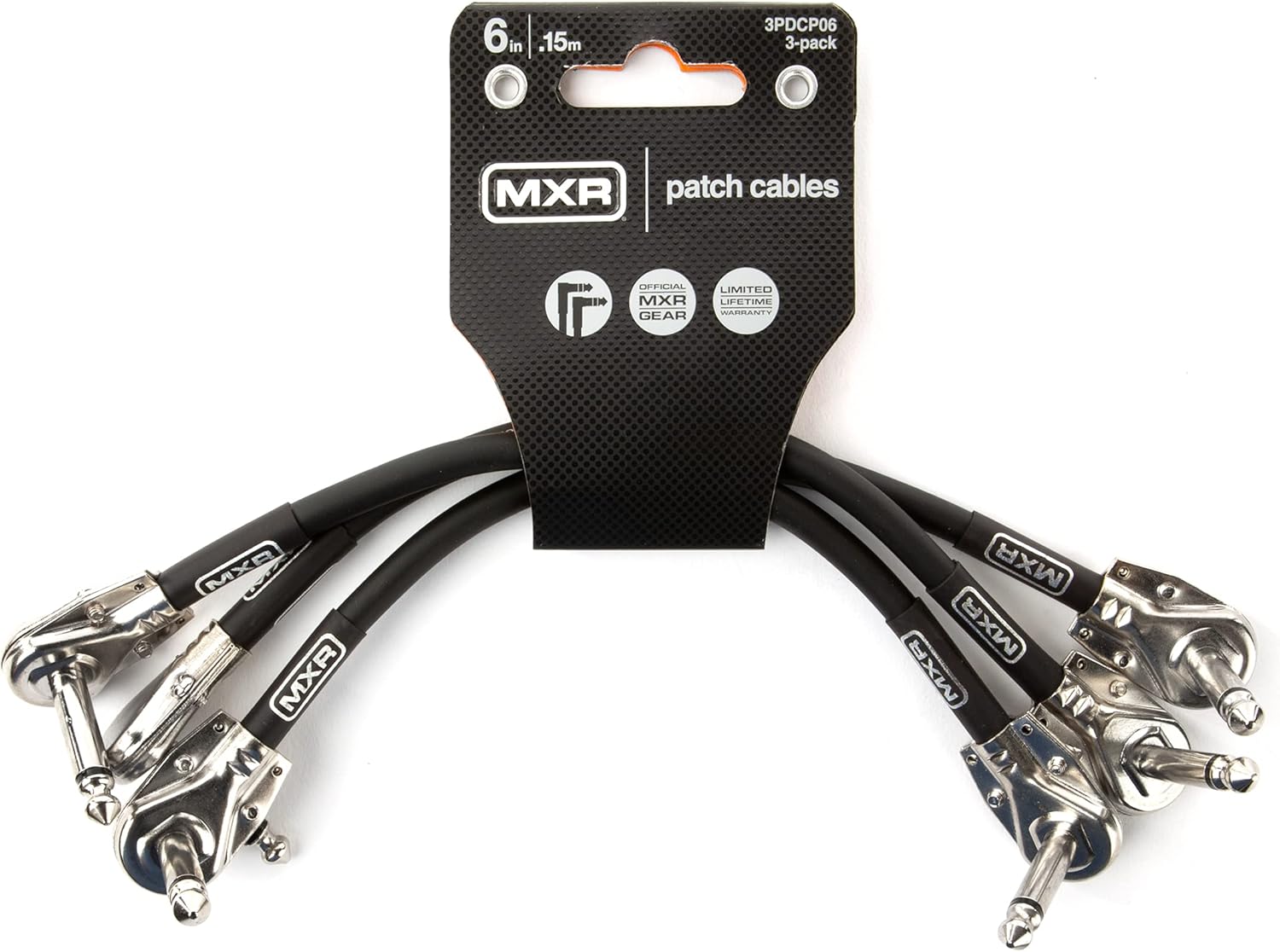 | 6 inches | Auxiliary |
| 3 Pack Guitar Patch Cables, Premium 5 Inch Right-Angle 1/4" TS Pedal Board Cable |  | 5 inches | Auxiliary |
| 12 Inch Guitar Patch Cables 6 Pack, 1/4" TS Right Angle Effect Pedal Flat Cables |  | 12 inches | 1/4" TS |
| Professional 6 Pack 6 Inch Guitar Patch Cables |  | 6 inches | Auxiliary |
| Elebase Guitar Patch Cables 6-Inch 3-Pack |  | 6 inches | 1/4 Inch TS, Right Angle |
| Donner Flat Patch Cables for Guitar Effect Pedal 6 Inch Save Space |  | 6 inches | Auxiliary |
| 6 Pack 6 Inch Guitar Patch Cables - Black Pedal Effect Cord |  | 6 inches | Auxiliary |
| Ernie Ball Flat Ribbon Patch Cable 3-Pack, 6in |  | 6 inches | 1/4 Inch TS |

bestguitarequipment.com is a participant in the Amazon Services LLC Associates Program, an affiliate advertising program designed to provide a means for website owners to earn advertising fees by advertising and linking to Amazon.com, and any other website that may be affiliated with Amazon Service LLC Associates Program.