EQ pedals are one of the fastest ways to change your tone, solve stage problems, and craft a signature sound. Whether you want to tame harsh highs, fatten low-end, or carve space for other players, an EQ pedal puts precise control at your feet. In this guide you’ll find carefully chosen options across price, size, and function so you can pick the tool that helps you sound better in rehearsal, recording, and live shows.
You’ll learn which pedals are best for bass, for compact boards, for pro rigs, and for tight budgets so you can spend smarter and get results sooner.
| Category | Product | Score |
|---|---|---|
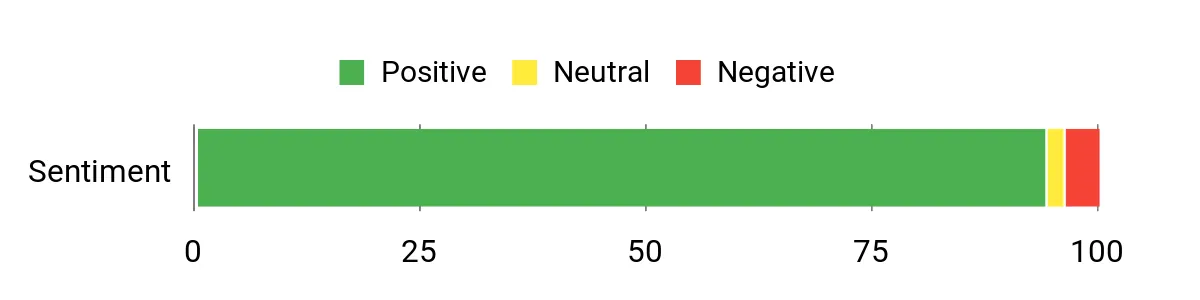
| 🏆 Best Stage Staple | BOSS GE-7 | 95/100 |
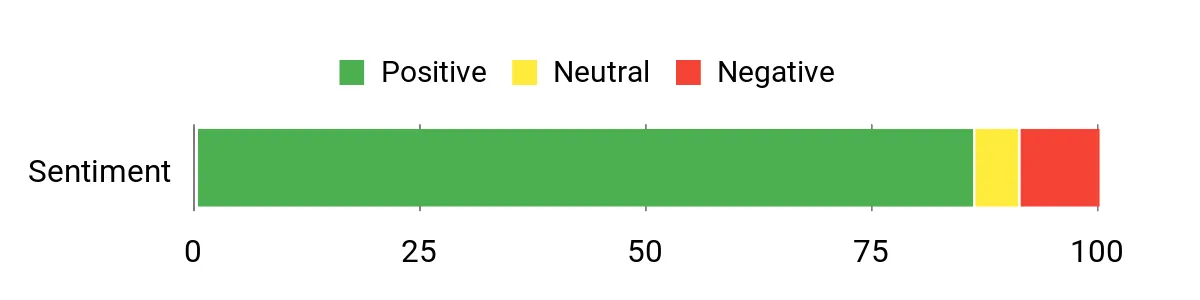
| 🎯 Best for Bassists | JOYO MONOMYTH | 86/100 |
| ⭐ Best Pro Ten-Band | MXR Ten-Band | 92/100 |
| 🎨 Best Multi-Use 10-Band | JOYO 10-Band | 84/100 |
| 🚀 Best Budget Performer | SONICAKE 10-Band | 86/100 |
| 🔰 Best Value 10-Band | STRICH 10-Band | 86/100 |
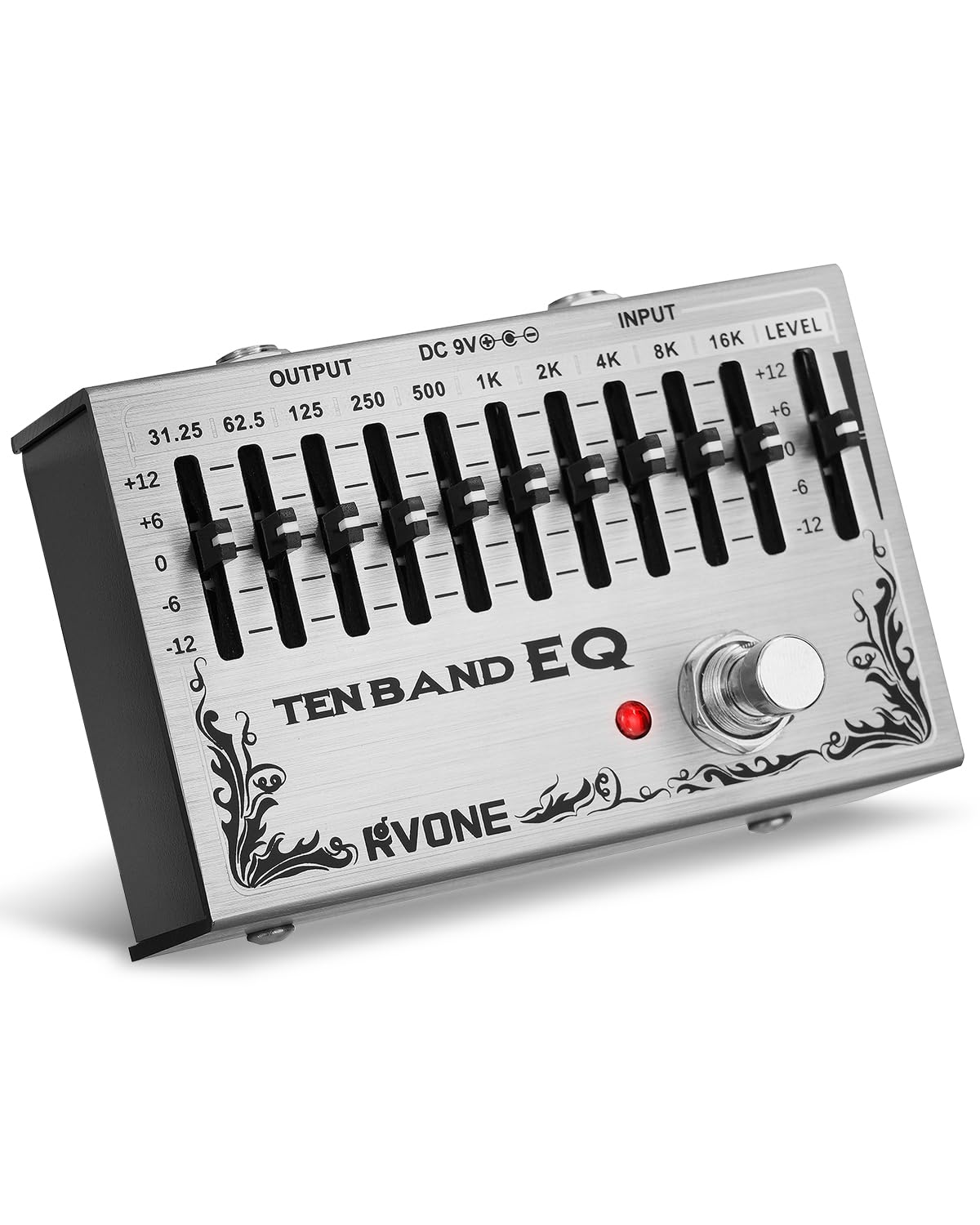
| 💼 Best Compact EQ | RVONE 10-Band | 95/100 |
| 🎯 Best Mini 7-Band | EX 7-Band | 86/100 |
| 🎛️ Best Compact 6-Band | JOYO 6-Band | 83/100 |
| 🔍 Best Live Feedback Control | Donner EQ | 86/100 |
You want pedals that actually help you reach a target tone, so picks emphasize real-world usefulness: tonal range and clarity, noise floor and build quality, footprint for pedalboards, special features (true bypass, DI/XLR, blend, noise reduction), and value at the price point. We also weighted reputation and consistent user feedback so you get options that perform in rehearsal, recording, and live settings.
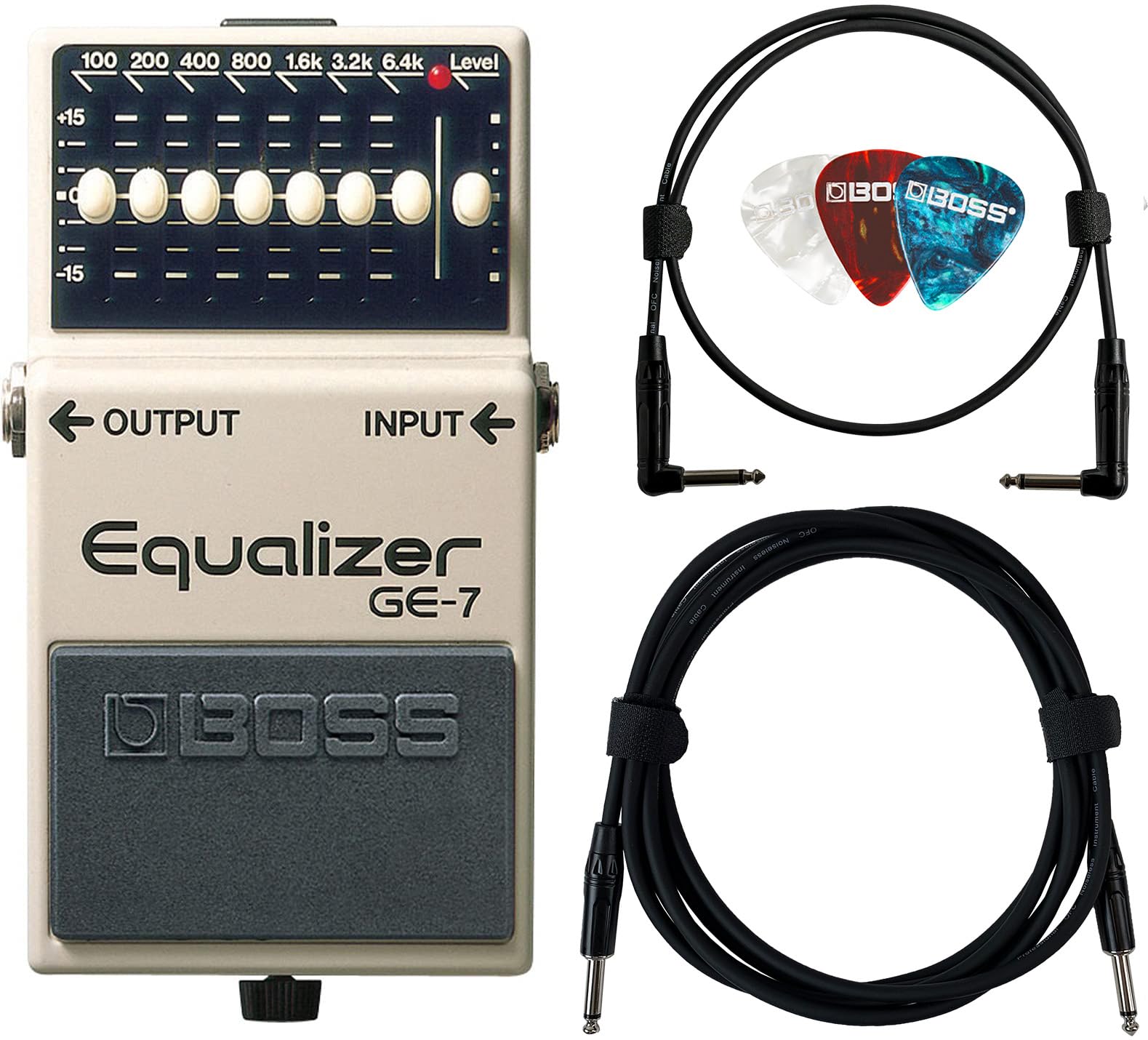
If you like being able to fix a tone on the fly, the GE-7 is the kind of tool that becomes second nature on your board. You get seven guitar‑friendly frequency sliders (100 Hz up to 6.4 kHz) with ±15 dB of cut/boost and a level slider to tame or push the overall signal.
It’s compact enough for tight pedalboards, tough enough for regular road use, and handy whether you’re dialing a studio tone, trimming problem frequencies in a loud venue, or adding a touch of boost for a solo. In short, it’s simple, immediate, and the kind of pedal you’ll reach for whenever you need to shape your sound quickly.
You’ll hear a lot of users praising the GE-7 for how quickly it solves tone issues — people mention its ability to tame feedback, clean up a muddy mix, or add just the right presence to a solo. Reviewers commonly note the solid BOSS build and consistent performance across units, while a few point out a bit of hiss when pushing large boosts.
Overall, customers see it as a practical, everyday tool for shaping your sound.
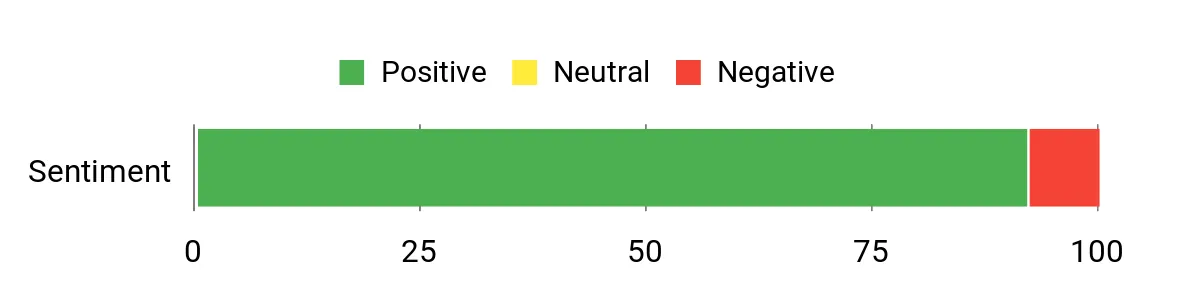
Overall Sentiment: Positive
Use it between your guitar and amp to cleanly notch problem frequencies, slap it in front of drives to shape saturation, or put it at the end of the chain as a tone finisher. It works equally well for electric and acoustic‑electrics, recording sessions, small rehearsals, and festival stages where quick EQ tweaks save the song.
Built in a sturdy metal chassis and backed by BOSS’s five‑year warranty, the GE-7 is designed to handle road wear. Power it with a standard 9V supply or battery and avoid leaving batteries inserted long term to prevent leakage. Standard good practice: use the correct polarity adapter and secure pedalboard mounting to prevent cable strain.
If you play bass and want one pedal that covers a lot of ground, the MONOMYTH is a handy little workhorse. You get a full 6‑band graphic EQ so you can surgically shape lows and mids, plus an independent overdrive channel with blend and level controls so you can add grit without throwing away your low end. Flip the CAB Sim for a more amp‑like output and use the ground/noise reduction switch with a proper 9V DC supply to keep things quiet.
It’s small enough for a crowded pedalboard, useful as a DI/preamp in rehearsal or live, and flexible enough to serve as a go‑to tone tool when you want consistency between gigs and sessions.
You’ll hear a lot of players appreciating how much tone control the MONOMYTH puts under your feet — the EQ and blendable overdrive get mentioned most often. Folks like using it as a preamp / DI or on stage because the cab sim and EQ let them shape a consistent sound.
A few users note slight differences in output level or some background hiss in certain setups, but most praise the build and value for everyday use.
Overall Sentiment: Positive
Use it in front of an amp to tighten low end, as a DI into a mixing desk for consistent stage tone, or on a recorded track when you need quick, hands‑on EQ and drive control. It works whether you’re gigging, practicing at home, or patching into a small studio setup.
Solid metal casing and straightforward controls make it durable for regular use; stick to a recommended 9V DC supply and the proper polarity to avoid noise or damage. The Ground/Left noise‑reduction switch helps cut hum, and standard care (secure mounting, avoiding long‑term battery use) will keep it working smoothly.
If you want hands‑on control over your tone, this MXR Ten‑Band is the kind of tool that makes tweaking feel satisfying rather than fiddly. You can cut or boost ten frequencies to tame a muddy low end, add presence to leads, or warm up an acoustic — and the extra headroom from 18‑volt operation keeps things clean when you push it.
The second output is genuinely useful if you run two amp chains or want a separate EQ’d feed for FOH, and the aluminum case stands up to road life. For practice, recording, or live work, it gives you quick, obvious results so you can spend less time chasing tone and more time playing.
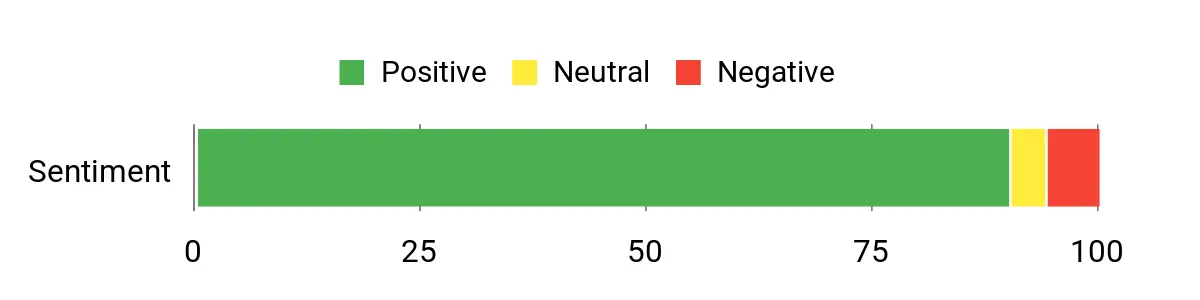
Most players like how much control the Ten‑Band puts at your feet — the EQ range and low noise performance get mentioned a lot. Folks also compliment the solid build and how it tightens bass or adds presence to a dull amp.
A common gripe is that the LED indicators are very bright, which some users tone down for stage comfort.
Overall Sentiment: Positive
Use it in front of an amp to shape your core tone, send one output to your amp and the other to FOH for consistent live sound, or patch it into a home‑recording chain when you need quick, musical EQ moves. It works with electric and acoustic instruments and is equally handy for tightening bass, lifting solos, or taming room resonances during practice.
The aluminum chassis and true bypass switching help protect the pedal from bumps and keep your signal clean. Stick to an appropriate 18V power supply and correct polarity to avoid hiss or damage. Be aware the LED sliders are intensely bright — avoid staring at them and consider dimming them if you're working in a dark stage environment.
You get hands‑on control over a wide frequency range, which is exactly what you want when a tone needs rescuing. Dial in tight lows for a five‑string bass, scoop mids for rhythm work, or add presence to a lead — the ten sliders make those moves obvious and musical. There’s a dedicated volume knob that can push a solo or nudge a tube amp into natural breakup, and the compact build fits neatly on crowded boards.
Whether you’re polishing tones in the studio, fixing room resonances at rehearsals, or adding clarity onstage, it’s a practical, no‑fuss tool that keeps you focused on playing rather than chasing settings.
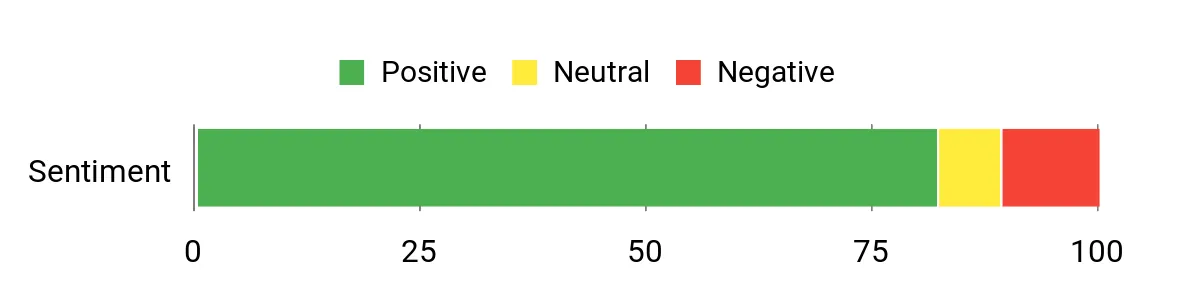
Most players enjoy how much tonal range you get from a compact pedal — folks often mention the useful frequency spread and the boost knob as real tone‑saving features. People also note the sturdy feel and the LED options as handy touches for gigs.
Common downsides reported are the lack of a supplied power adapter and occasional compatibility or heat concerns on some setups, so plan to use a reliable 9V supply.
Overall Sentiment: Positive
Use it in front of an amp to shape your core tone, drop it into a DI chain for consistent FOH sound, or patch it into a home‑recording setup to tame problem frequencies. It handles bass and guitar equally well, and the compact footprint makes it useful for tight practice rigs, pedalboard‑heavy live sets, or quick studio fixes.
Designed for 9V DC operation (center negative); don’t try to power it with the wrong polarity or voltage. The manual advises against disassembly and to keep the documentation for reference. Also use a proper power supply with enough current to avoid noise or instability.
You get a hands‑on way to sculpt tone quickly — those ten sliders make it obvious how each frequency layer reacts. Toss it in front of an amp to tighten low end, pull mids for a cleaner rhythm part, or lift presence for leads; it’s practical for rehearsals, bedroom recording, and small‑venue gigs alike.
The metal chassis and true‑bypass circuit keep the signal honest, and its compact footprint means it won’t hog precious pedalboard space. If you want a straightforward, no‑nonsense equalizer that helps you rescue or refine tones on the fly, this is an easy tool to reach for.
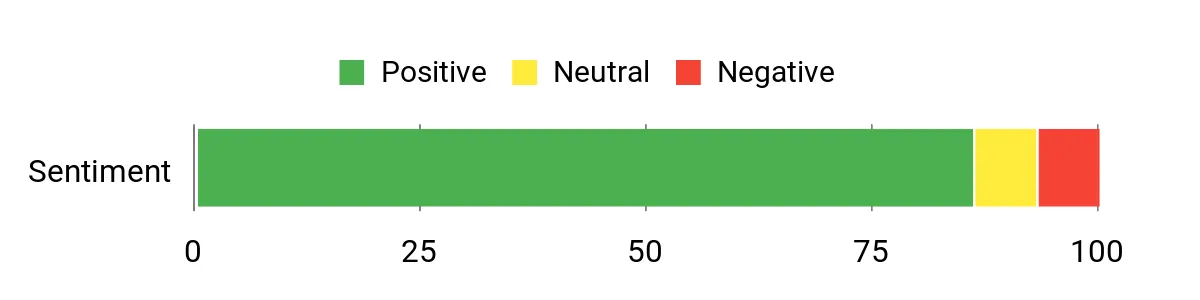
Players often highlight how much control the sliders give you for dialing out boxy room tones or boosting a solo. Folks also mention the solid metal build and the analog character as nice touches for the price. Common gripes are predictable — you’ll need to supply your own 9V adapter and a few users recommend checking grounding/power options if you hear any hiss.
Overall Sentiment: Positive
Use it in front of an amp to shape your core tone, stick it in a DI chain to tame problem frequencies for FOH, or drop it into a home‑recording setup to carve space for other instruments. It’s compact enough for practice rigs and flexible enough for quick studio fixes or small live gigs.
Operates on 9V DC (center negative); using the wrong polarity or voltage can damage the unit. Avoid opening the enclosure and use a regulated pedal power supply with sufficient current to prevent noise and instability. Keep moisture away and secure cables to reduce risk of accidental tugs.
You get a compact, hands‑on graphic EQ that makes it easy to shape tone on the fly. Slide a few bands to tighten the low end, scoop mids for rhythm parts, or lift presence for solos — it works great in front of an amp, in an FX loop, or in a DI chain for recording.
The metal body feels sturdy enough to toss in a gig bag, and true bypass helps keep your signal clean when it’s off. If you want a practical, travel‑friendly EQ that gives you more control without overcomplicating things, this one is a solid choice.
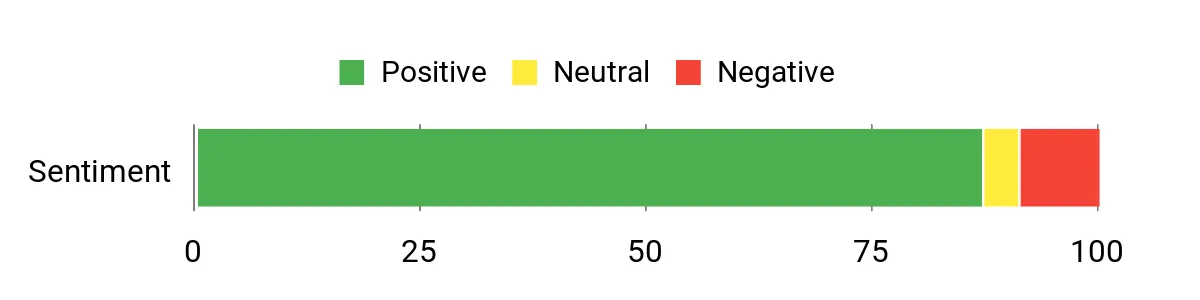
Most players like how much control the sliders give you and comment on the solid metal build. People frequently note low noise and a notched zero point on the sliders that makes dialing settings easier.
A few buyers mention needing to supply a 9V adapter and that a small number experienced some hiss depending on their power or rig.
Overall Sentiment: Positive
Use it up front to sculpt your core amp tone, drop it in the FX loop to tame an amp’s character, or add it to a DI path when you need to clean up a live mix or a home recording. It’s small enough for practice and flexible enough for quick fixes during rehearsals or small gigs.
Runs on 9V DC (center‑negative); using the wrong polarity or voltage can damage the pedal. Always use a regulated pedal supply with the correct polarity, avoid exposing the unit to moisture, and secure cables to prevent accidental tugs. Don’t open the enclosure unless you’re qualified to service electronics.
This little 10‑band graphic EQ is honest and useful — you can tuck it on a crowded pedalboard and still get studio‑style tone shaping. Slide a few bands to tighten up boominess, brighten a solo, or carve space in a mix; the master level doubles as a convenient boost when you want extra push into the amp.
It’s built like a compact workhorse with top‑mounted jacks for easy routing, and the true bypass keeps your dry signal intact when you’re not using it. Whether you’re rehearsing, recording in a bedroom studio, or chasing tone on a small club stage, this pedal gives practical control without getting fussy. If you want an approachable EQ that travels well and does more than you’d expect from its size, this is a smart pick.
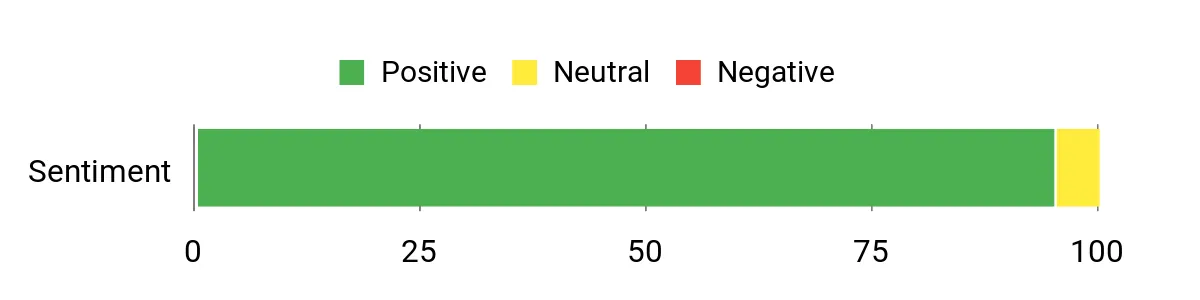
Players consistently point to solid build quality and the amount of control the ten sliders provide — it feels like a more expensive unit. Many appreciate the small footprint and true bypass, and people often mention the master volume boost as a handy feature. A few users note a bright slider LED and occasional minor noise depending on power or chain, and they remind others to bring a 9V adapter.
Overall Sentiment: Positive
Put it up front to shape your amp’s core tone, drop it in an effects loop to tame amp coloration, or add it to a DI path for a cleaner live or recording signal. It’s compact enough for travel, useful for quick fixes during rehearsals, and flexible enough for small gigs and home sessions.
Runs on 9V DC (center‑negative); using the wrong polarity or voltage can damage the pedal. Use a regulated pedal supply with correct polarity, keep the unit dry, and secure cables to avoid accidental tugs.
Don’t open the enclosure unless you’re qualified to service electronics.
This is a pocket‑sized 7‑band graphic EQ that hands you real tone control without taking over your pedalboard. You can shave muddiness, lift presence for a solo, or scoop problem mids fast — the sliders are direct and easy to hear as you tweak.
The metal chassis and true bypass feel solid for gigging, and the LEVEL knob doubles as a subtle clean boost when you need a little extra push. Use it up front to shape your amp’s voice, drop it in an effects loop to tame amp coloration, or stick it in a DI chain for recording.
If you want an affordable, no‑fuss EQ that works for practice, small shows, and quick studio fixes, this is a practical pick.
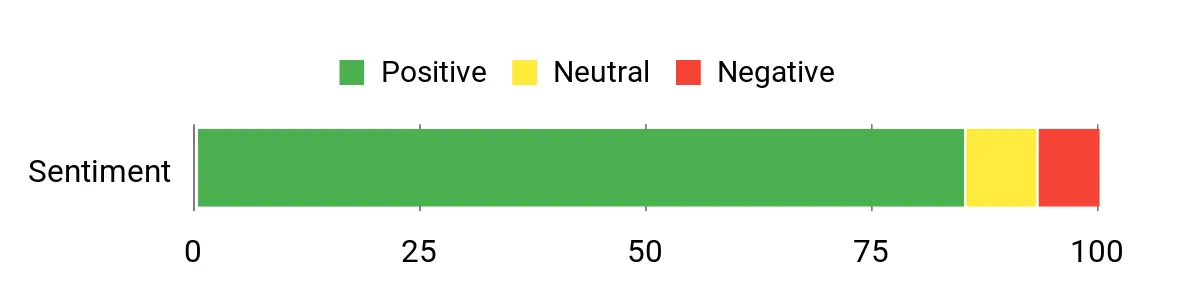
Most players praise the small footprint and solid metal build, saying it gives a surprising amount of control for the size. Customers often highlight the feel of the sliders and the usefulness of the level control for dialing solos or matching bypassed volume.
A recurring caveat is occasional noise on very clean signals and some folks reporting fiddly pots or rare hardware issues, so others suggest checking the unit when you get it and using a good regulated 9V supply.
Overall Sentiment: Positive
Drop it at the front of your chain to sculpt your amp’s basic tone, or put it in the effects loop/DI to tame harsh amp character. It’s compact enough for daily practice, flexible for small club gigs, and handy for quick fixes during home recording sessions.
Runs on 9V DC (center‑negative) — using the wrong polarity or voltage can damage the pedal. Use a regulated pedal supply, keep the unit dry, and secure cables to prevent accidental tugs. Avoid opening the enclosure unless you’re qualified to service electronics.
This little 6‑band EQ hands you serious control without hogging pedalboard real estate. You can cut muddiness, add presence to solos, or shave problem lows in seconds — each slider gives ±18dB of adjustment so you’re not just nudging, you’re shaping.
The metal chassis and true bypass keep the sound honest whether you’re practicing at home, tracking direct to your DAW, or slipping it onto a small gig board for a club night. If you want a straightforward, no‑nonsense EQ that’s useful every time you play, this one’s a practical, easy add to your rig.
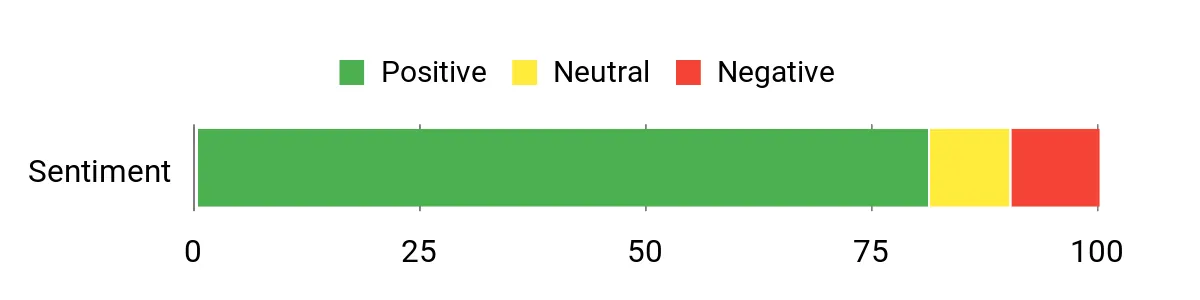
Players commonly praise how much tonal control you get for the size — boosting mids for solos or cutting low‑end mud are frequent use cases. Many mention the solid metal build and the clarity that true bypass preserves, though a minority report occasional noise or rare DOA units, so checking the pedal on arrival is a common tip.
Overall Sentiment: Positive
Drop it up front to shape your amp’s base tone, put it in an effects loop to tame amp coloration, or use it in a DI/recording chain to clean up a direct signal. It’s compact enough for daily practice, flexible for rehearsals and small gigs, and handy for quick fixes in the studio.
Operates on 9V DC (center‑negative). Use a regulated pedal supply with the correct polarity to avoid damage; if you use a battery, remove it when storing for long periods.
Keep the unit dry, secure cables to prevent accidental pulls, and avoid opening the enclosure unless you know how to service electronics safely.
You get a lot of control in a pedal that won’t dominate your board. The 10 sliders cover a wide range so you can surgically cut problem frequencies or boost a band for extra presence, and the ±15 dB range means you’re making real changes, not just nudges.
Because it’s built in an aluminium shell and uses true bypass, it feels sturdy and keeps your signal clean whether you’re practicing at home, tracking in the studio, or dialing things in onstage to tame feedback. It’s useful for everyday tone tweaks — and when you need to rescue a gig from ringing frequencies, it’s the kind of tool you’ll reach for without overthinking it.
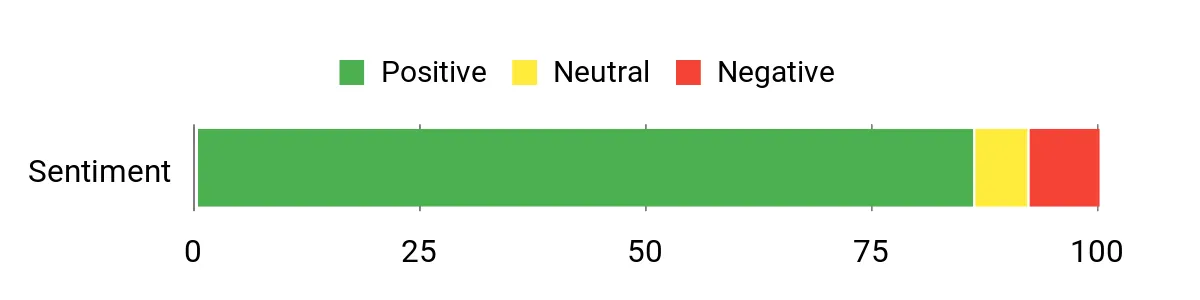
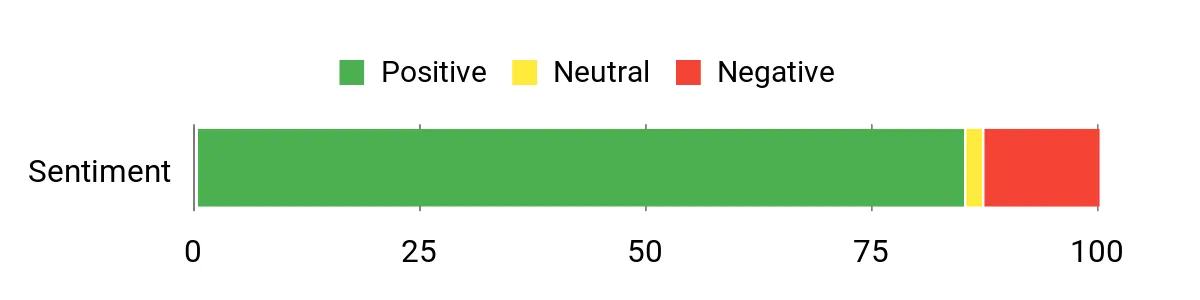
You’ll see a lot of players appreciating how much tonal control this puts under your feet — people frequently mention clearer tone, tighter low end and useful midrange shaping. Reviews often highlight the quiet operation and true bypass as positives, and many like the build quality and smooth sliders.
A handful of users note visibility of the slider tips or rare unit issues, so some players add caps or check units on arrival.
Overall Sentiment: Positive
Use it in front of your amp to change your core tone, tuck it in an effects loop to sculpt amp coloration, or place it after modulation and delay to clean up a wet signal for recording. It’s small enough for daily practice rigs, flexible for rehearsal and live use, and handy for quick corrective moves during a set.
Runs on 9V DC (use the correct polarity adapter). Use a regulated pedal power supply to avoid voltage spikes and remove any battery when storing for long periods.
Keep the unit dry, avoid yanking cables from the jacks, and don’t open the enclosure unless you’re comfortable servicing small electronics.
You get a lot more control than the size suggests. Those ten sliders span from deep lows to shimmering highs, so you can carve out space in a mix, fatten a thin amp, or tame a ringing monitor without fuss. The volume knob and LEDs make it easy to spot and adjust on a dim stage, and its compact footprint means it slides onto a crowded board or PA setup without taking over. For everyday practice you can use it to fine‑tune your tone, and when you need to rescue a live mix or shape a recording it’s a handy, no‑drama tool you’ll reach for again and again.
If you want an affordable, workhorse EQ that does the essentials well, this is the sort of pedal you can happily live with on your board.
People commonly praise how much tonal control this small pedal offers and how it can add warmth or clarity to both solid‑state amps and full rigs. Users often mention the responsive sliders and the compact, solid feel as big pluses, and many appreciate that it’s easy to use for live feedback control or subtle studio tweaks.
A few buyers note the unit doesn’t include a power supply and some report occasional switch or slider quirks, so checking the unit on arrival is a common tip.
Overall Sentiment: Positive
Put it in front of your amp to change your core tone, use it in an effects loop to shape amp coloration, or tuck it after modulation and delay to clean up a wet signal for mixing. It’s small enough to live on a practice rig, flexible enough for rehearsals and gigs, and helpful for quick corrective moves on stage or in a PA setup.
Runs on 9V DC — use a regulated pedal power supply with the correct polarity (ring positive) to avoid damage. Remove any batteries before long storage and keep the unit dry.
Avoid yanking cables from the jacks and don’t open the enclosure unless you’re comfortable working on small electronics.
This is the kind of EQ you’ll reach for when you want surgical control without fuss. The six sliders cover the key guitar frequencies and each gives you a wide ±18 dB range, so you can scoop mids, fatten the low end, or tame a screaming monitor.
The low‑noise design and true bypass mean it plays nicely in front of pedals or tucked into an amp effects loop. For practice it helps you dial in a reliable core tone; on stage it’s great for quick fixes and shaping solos; in the studio you can use it to craft a vocal‑like presence or tighten a mix.
If you want a rugged, no‑nonsense pedal that actually gets the job done, this one’s an easy keeper on your board.
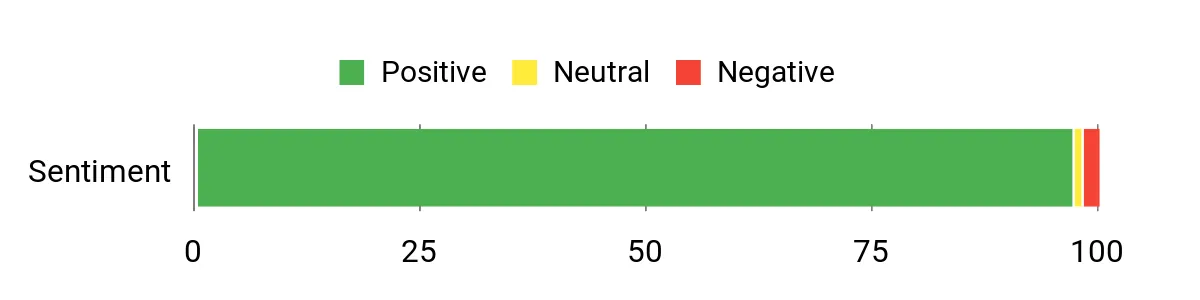
You’ll notice most users praise the pedal’s low noise floor, solid build, and how effectively the six sliders let them zero in on problem frequencies or sculpt a desired tone. People also like the bright LEDs and true‑bypass feel for keeping tone intact.
A few mention power‑supply or battery‑access quirks on arrival, so checking the unit when you get it is a common tip.
Overall Sentiment: Positive
Drop it in front of your amp to change your core tone, pop it in the effects loop as a lead booster, or use it to tame stage feedback and carve space in a busy mix. It’s compact enough for everyday practice rigs, flexible enough for rehearsal and gig use, and precise enough for studio sessions.
Runs on 9 V power or battery — use a regulated 9 V supply and confirm the correct polarity for your setup. Remove batteries during long storage, keep the pedal dry, and avoid forcefully yanking cables. If you’re not comfortable with small electronics, don’t open the enclosure.
This is the bass EQ you grab when you want straightforward, reliable control over low‑end tone. The seven sliders cover the ranges that matter for bass, so you can tighten the low mids, add sub presence, or dial back boominess without fuss.
The level control doubles as a boost or cut, which makes it handy as a subtle volume lift for solos or as a tone tweak in front of an amp. It’s built like most BOSS pedals — solid and road‑worthy — and works well for practice, rehearsals, gigs, and recording when you need to carve space in a mix. If you want a no‑nonsense tool to shape bass fundamentals, this one fits neatly on most pedalboards.
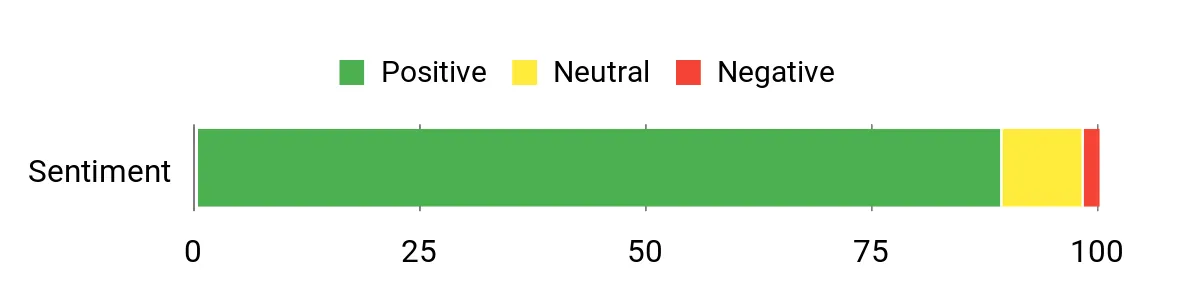
Most users point to how effectively the GEB-7 lets them shape bass tone — from taming boom to adding low‑end weight — and they like that it can act as a useful boost. People frequently mention the build quality and low noise floor as strong points, plus the pedal’s usefulness across different basses.
A smaller group notes the frequency spacing leaves a gap in certain mid‑range areas, so some players swap or complement it depending on their needs.
Overall Sentiment: Positive
Use it at the front of your chain to sculpt your core tone, drop it in the effects loop to fine‑tune amp coloration, or set it as a stage boost for solos. It’s practical for everyday practice, tightens mixes in rehearsal, and can clean up recordings by removing muddy frequencies or emphasizing presence.
Runs on 9 V power or a battery — use a regulated 9 V supply and match the polarity. Remove batteries during long storage and keep the pedal away from moisture. Don’t force jacks or switches; if you’re unsure about internal repairs, leave disassembly to a technician.
If you want hands-on control over your tone, this 10‑band MXR gives you a huge range to sculpt everything from subtle polish to dramatic scoops. You can use it to tame harsh amp resonances at practice, carve space in a rehearsal mix, or push a lead forward on stage. The added noise‑reduction circuitry and true‑bypass make it quiet when you need transparency, and the second output opens up routing options if you run multiple amps or FX chains. It’s the kind of pedal you reach for when you want practical, repeatable tone shaping, and the included Tonebird bundle means you get cables, a tuner and a few extras to get started right away.
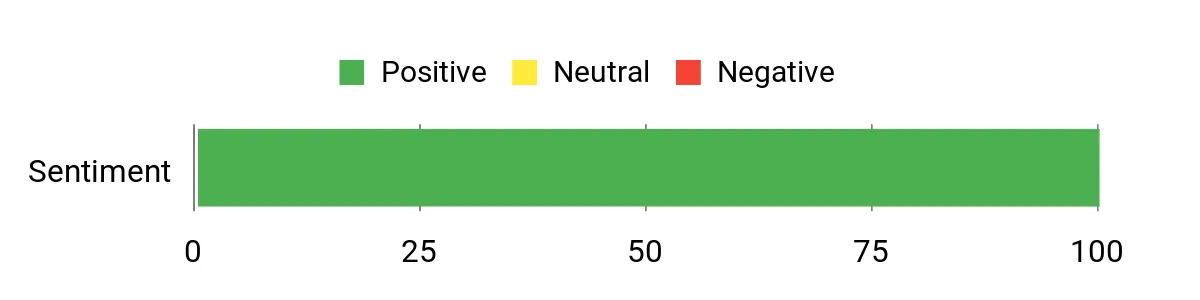
People tend to like how much tonal control this EQ gives you — users often mention that the sliders let them dial in everything from subtle fixes to big tone moves. Build quality and the quiet circuitry come up a lot as positives, and a fair number of players note the LEDs are very bright on small stages or in bedrooms.
Many also appreciate the bundled accessories that make it easier to get set up right away.
Overall Sentiment: Positive
Drop it at the front of your chain for shaping your core guitar or bass tone, use it in an amp loop to tweak amplifier character, or send one output to front-of-house and the other to a stage amp for different on‑stage voicings. It works for daily practice, tight rehearsal adjustments, recording sessions when you need surgical cuts, and live gigs where quick fixes are a must.
Runs from a standard 9 V supply — use a regulated adapter and match polarity. Remove batteries for long storage and keep the pedal dry.
Don’t force jacks or switches; if LED brightness bothers you, simple tape or a small dab of paint can tone them down instead of opening the unit.
This is the kind of EQ pedal you reach for when you need reliable, hands‑on tone control. The seven sliders give you straightforward control over the usual trouble spots, so you can tighten up a muddy rehearsal tone, push a solo forward, or tame feedback on stage.
Because it’s compact and built like a tank, it fits neatly on a pedalboard and survives gigging without fuss. If you want a no‑nonsense way to shape your sound and a couple of handy cables and picks to get started, it’s a solid, practical choice.
Customers regularly point to how much tonal control the sliders provide and how easy the pedal is to use live. Many appreciate the build quality and that it doubles as a practical boost for solos or a way to cut troublesome mids.
People also like the included cables and picks as useful extras out of the box, while a small number mention it’s a basic EQ that won’t replace more feature‑heavy units.
Overall Sentiment: Positive
Drop it at the front of your chain to shape your guitar or bass tone, use it to add a midrange push for solos, or place it in an amp loop for surgical corrections. It’s great for daily practice, tightening up sound in rehearsals, quick fixes in the studio, and steady performance work onstage where you need dependable, immediate control.
Runs on a standard 9 V supply — use a regulated adapter and mind the polarity. Remove the battery if you won’t use it for long periods, keep the unit dry, and avoid forcing connectors. The sturdy metal housing helps protect internals during transport and use.
You want an EQ that matches the role you need it to play: precise problem-solving, creative reshaping, or a boost for solos. If you plan to tame feedback or fine‑tune guitar‑optimized resonances choose a pedal with dedicated guitar frequency bands like the BOSS GE-7 with its 7 guitar‑optimized bands and level slider; if you need surgical control or to service multiple instruments, a 10‑band unit gives more resolution while bass players should favor bass‑specific models that extend deeper lows.
Pay attention to boost/cut range, bypass type (true bypass vs buffered), power requirements (most run on 9V), footprint for your board, and whether the unit has noise‑reduction circuitry or DI/XLR outputs if you plan to send direct to FOH or in‑ears. Trust your ears more than specs: get hands‑on time or test it in context with your amp, guitar pickups (active vs passive respond differently), and the other pedals you use.
Placement depends on the job: put the EQ before your drive pedals if you want to shape the signal that feeds distortion, or place it after distortion or in your amp’s effects loop to shape the final tone and create a lead boost. Use subtle moves — a few dB of cut or boost — to avoid unnatural results; for example, cut offending mids to reduce boxiness or boost 1.6–4 kHz for presence and solo cut. You can also use the EQ as an on‑board boost by keeping frequency sliders near unity and using the level control to push the amp; many players keep a GE‑7 or MXR EQ set as an always‑on tone enhancer.
Always A/B with the pedal bypassed as you tweak, and remember small, musical adjustments translate best live and in the mix.
EQ pedals can introduce hiss if you push multiple bands hard or rely on cheap power and cables, but the right practices keep your tone intact: use a stable, isolated power supply rated for the pedal, choose quality patch cables, and consider units with noise‑reduction circuitry if you plan to boost a lot. If you hear hiss when boosting, try reducing the boost, placing the EQ after high‑gain stages or adding a noise gate, and check whether a buffered pedal in front of long cable runs helps; sometimes a transparent buffer is exactly what you need.
Finally, beware of overly bright LEDs on some models on dark stages — cover them if they distract — and remember that a well‑built EQ is a tool to unlock your sound, not to replace good tone from your hands and amp.
EQ pedals let you solve problems, craft presence, and create a signature voice faster than almost any other pedal. If you need a reliable stage workhorse, reach for a classic like the BOSS GE-7. If you play bass, the GEB-7 or a bass-centric simulator will protect low-end clarity.
For tight pedalboards pick compact, low-noise options like RVONE or the EX 7-Band. On a budget, STRICH, Horse, and SONICAKE deliver surprising value. Decide first what problem you want to solve—feedback, muddiness, lack of presence, or a boost—and pick the pedal designed to target that issue.
You’ll be able to dial in mixes that sit better, cut through when you need to, and finally get consistent tones across rooms and rigs.
| Product | Image | Weight | Power Source |
|---|---|---|---|
| BOSS GE-7 Equalizer |  | 15 ounces | USB Powered / Battery (included) |
| JOYO Bass Guitar Pedals Overdrive |  | 14.5 ounces | Corded Electric |
| MXR Ten Band EQ Guitar Effects Pedal |  | 1 pounds | Corded Electric |
| JOYO EQ Pedal 10 Band Equalizer |  | 10.2 ounces | Corded Electric |
| SONICAKE EQ Equalizer Guitar Effects Pedal |  | 12.7 ounces | DC Power Supply |
| STRICH EQ Pedal for Electric Guitar |  | 9.9 ounces | Corded Electric |
| 10-Band Equalizer Pedal | 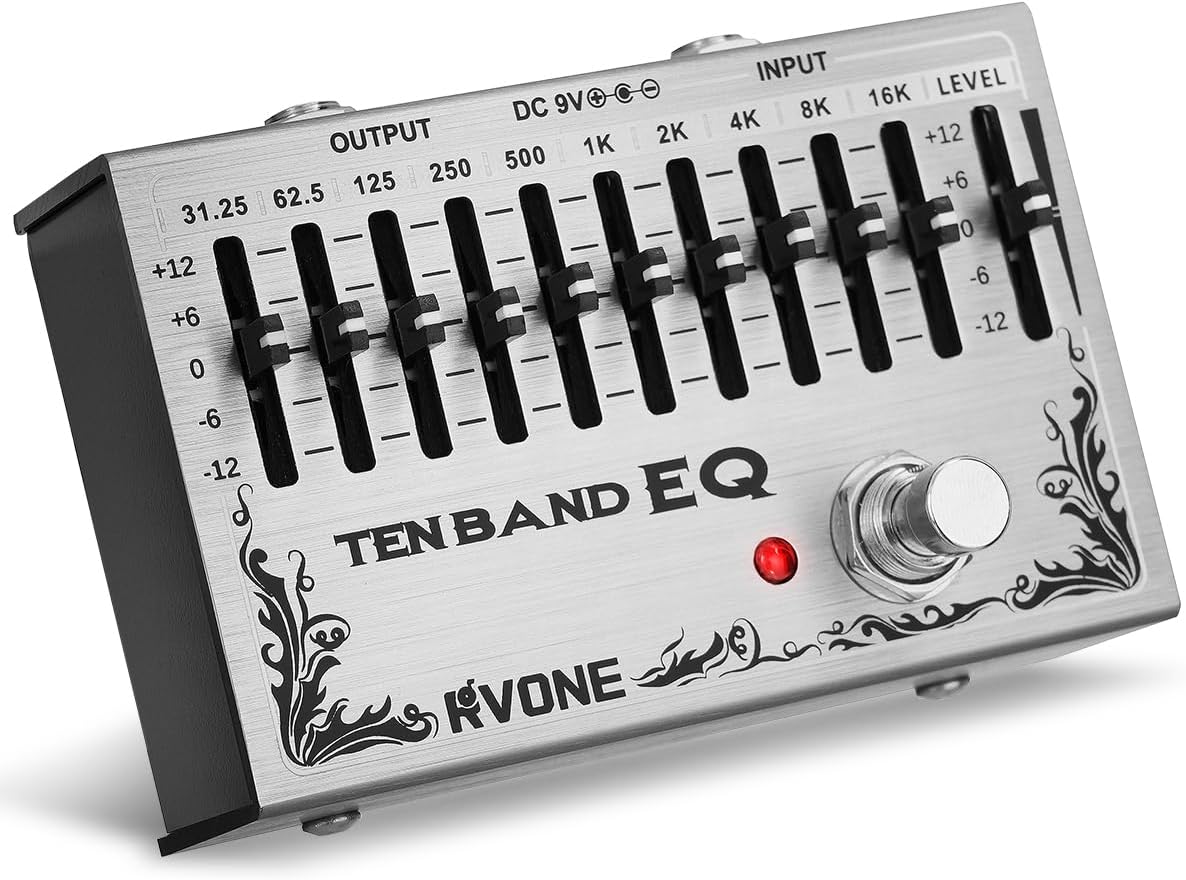 | 11.5 ounces | Corded Electric |
| EX 7 Band EQ Equalizer Mini Guitar Pedal |  | 6 ounces | Adapter |
| JOYO 6-Band EQ Pedal |  | 10.2 ounces | Corded Electric / Battery |
| Donner EQ Pedal, 10 Band Equalizer |  | 9 ounces | Adapter, Electric, Plug |
| 10 Band EQ Pedal |  | 10.1 ounces | Electric |
| MXR® Six Band EQ |  | 9.9 ounces | Battery Powered |
| MXR M108S Ten Band EQ |  | 1.61 pounds | Battery Powered |
| Boss GE-7 Graphic Equalizer Bundle |  | 1.94 pounds | Battery Powered / Corded Electric |
| BOSS GEB-7 Seven-Band Graphic Bass Equalizer |  | 11.2 ounces | Battery Powered / Corded Electric |

bestguitarequipment.com is a participant in the Amazon Services LLC Associates Program, an affiliate advertising program designed to provide a means for website owners to earn advertising fees by advertising and linking to Amazon.com, and any other website that may be affiliated with Amazon Service LLC Associates Program.