This winter is a great time to refine your tone and tighten your dynamics. Whether you play country, funk, rock, or aim for studio‑ready consistency, the right compressor pedal helps you control dynamics, add sustain, and make your instrument sit better in a mix. Use this guide to quickly find a pedal that suits your rig, your price range, and the sound you want to lock in.
| Category | Product | Score |
|---|---|---|
| 🏆 Best Boutique Compressor | Keeley Compressor | 95/100 |
| 🔰 Most Dependable Workhorse | Boss CS-3 | 91/100 |
| 🎨 Best Ambient Delay | JHS 3 Delay | 88/100 |
| ⭐ Best Compact Compressor | JHS Whitey | 90/100 |
| 🚀 Best Sustain Classic | MXR Dyna Comp | 92/100 |
| 🎯 Best Mini Format | Wampler Mini Ego | 94/100 |
| 💼 Best Studio-Grade Utility | Pulp N' Peel | 89/100 |
| 🏅 Most Versatile Compressor | Wampler Ego V2 | 95/100 |
| 🎸 Best For Bass | Fender Bassman | 87/100 |
| ⚙️ Best Vintage Studio Model | UA 1176 | 93/100 |
You want a compressor that gives you the tone and control you need without surprises. We evaluated pedals based on:
- Sound quality and transparency: does it improve your tone or just change it?
- Control and flexibility: useful knobs (blend, attack, sustain, tone) that let you adapt to pickups, amp, and style. - Build and reliability: stomp-ready hardware and sensible power requirements so it works gig after gig.
- Value and fit: options for tiny boards, studio use, bass players, and budget rigs so you can pick what matches your priorities. - Real-world versatility: pedals that are as useful in practice, tracking, and live mixes.
If you want a compressor that feels musical and easy to use, this is one to try. You get a simple Release switch tuned for single-coils or humbuckers, a Tone control to bring back those delicate harmonics, and a Blend knob so you can keep the initial pick attack while adding sustain. It’s equally handy in rehearsal, live gigs, or when you’re tracking in the studio — use it up front for tighter rhythm parts, or dial it subtle for a polished clean tone.
I’d recommend it if you want a versatile pedal that helps your guitar sit better in a mix without stealing your character.
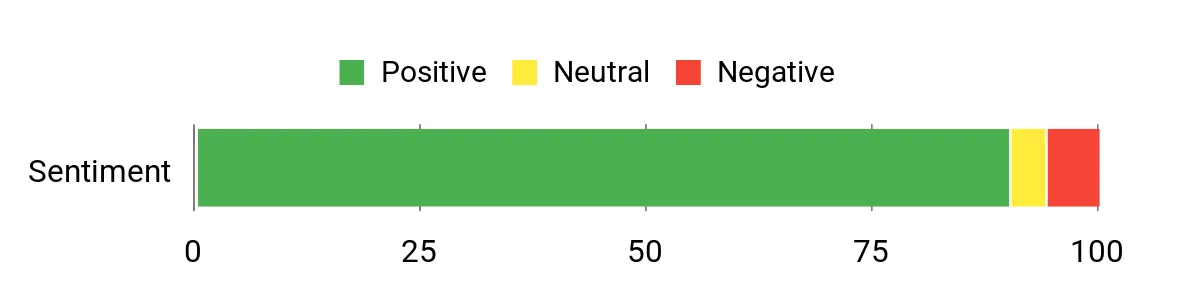
Customers commonly praise how musical and versatile this pedal is — people mention the Blend knob and Release switch as game changers for keeping punch and matching different pickups. Many also find the Tone control useful for recovering lost harmonics, and most users say it’s straightforward to dial in. A few note that power-supply issues can introduce noise, so using an isolated supply is recommended.
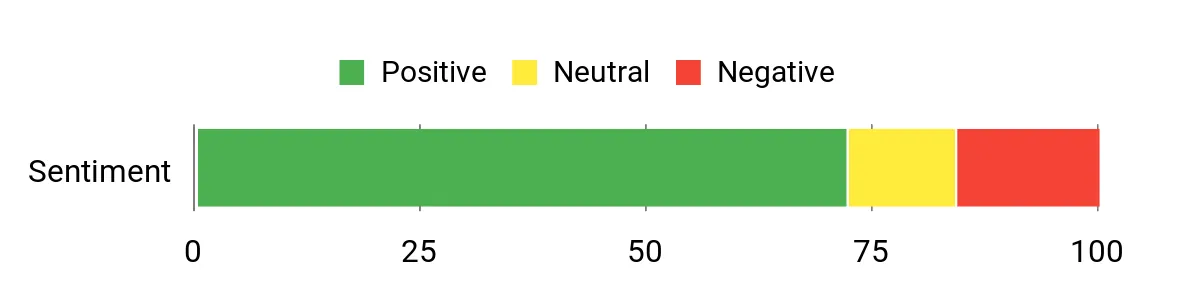
Overall Sentiment: Positive
The Blend control paired with a pickup-specific Release switch makes this pedal feel modern and flexible: you can mix in dry signal to keep attack and choose release behavior to match single-coils or humbuckers, which simplifies getting the right response without lengthy tweaking.
This pedal tackles the usual compressor trade-offs — it helps you keep note punch while adding sustain, restores delicate upper harmonics with the Tone knob, and avoids the overly squashed, noisy character some vintage comps produce. If you’ve struggled to get consistent attack between pickups or wanted sustain without losing dynamics, this addresses those directly.
If you want a straightforward compressor that just gets the job done, the Boss CS-3 is a go-to. You get Level, Tone, Attack and Sustain controls that make it easy to shape pick attack, smooth dynamics, or add sustain without a lot of fiddling. Its low-noise design and rugged build make it handy for daily practice, rehearsals, recording sessions, or road gigs, and it works surprisingly well with bass as well as guitar.
If you prefer reliable, no-nonsense gear that helps your parts sit in a mix, this pedal is a solid pick.
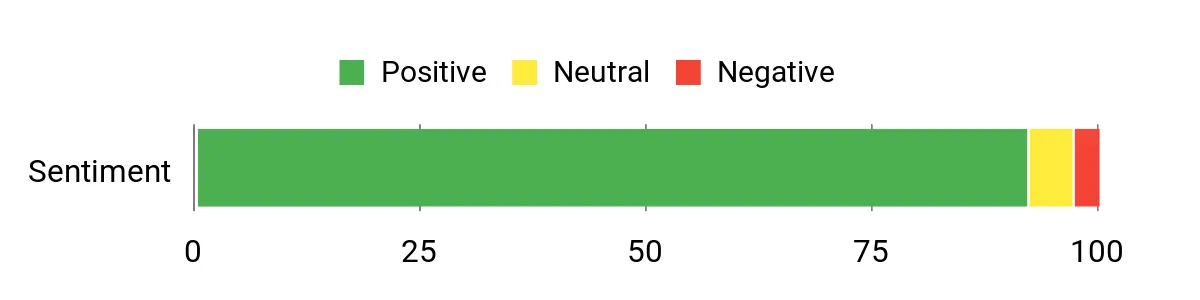
People consistently mention that the CS-3 delivers clean, musical compression and noticeable sustain without adding unwanted grit. Players like the simple controls for quickly finding a useful setting, and many praise its dependability for regular gigging or studio use.
A few users note some background noise in certain setups, which some solve with a noise gate or isolated power supply.
Overall Sentiment: Positive
The CS-3 isn’t about flashy tech — its strength is a straightforward, reliable approach: intuitive controls that let you hit useful compression settings fast, paired with a low-noise design so the effect stays musical rather than obvious.
This pedal evens out inconsistent dynamics, adds sustain without muddying your tone, and helps parts sit more consistently in a mix. It’s a practical fix if you want tighter rhythm feel or steadier clean lines; just be mindful that heavy compression can reduce natural dynamics if overused.
If you want a delay that’s easy to live with but capable of big ambient moments, this is the one you'll reach for. The three-knob layout keeps dialing simple — you can get everything from tight slapback to long, pad-like washes without babysitting menus.
The Type toggle gives you a quick switch between a darker, analog-voiced tone and a cleaner digital flavor, and when you crank the Repeats in analog mode you get classic bucket-brigade runaway for evolving textures. It’s at home on weekend practice sessions, rehearsal boards, and compact gig rigs, but it also pulls extra weight in the studio when you need lush background layers or vocal-like echoes.
If you like straightforward pedals that let you focus on playing rather than programming, you’ll appreciate how fast you can find usable tones here.
Buyers often praise how musical and easy the pedal is to use — the controls are intuitive and you can get pleasing delays fast. People consistently mention the useful contrast between the digital and analog voicings, and many like the dramatic, tape-like repeats you can coax out when pushing the Repeats knob. A few users note quirks with blend levels on low-frequency sources, but most find it solid for guitar and ambient work.
Overall Sentiment: Positive
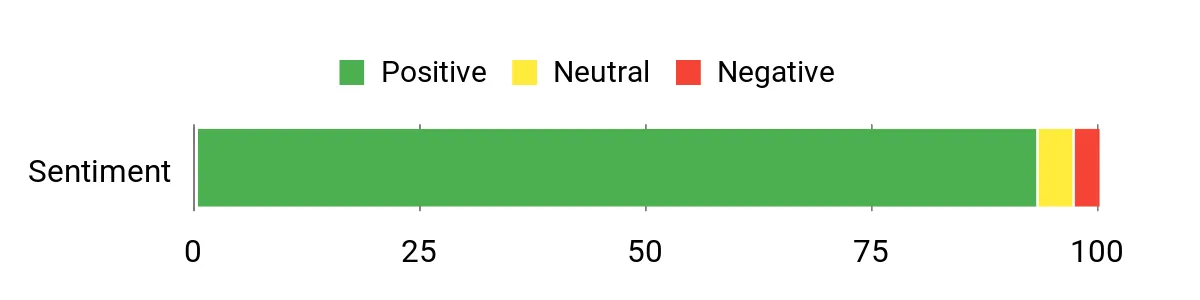
The JHS 3 Series Delay keeps things simple while offering two distinct voicing flavors and the classic bucket-brigade runaway — that combination gives you both immediate, usable tones and more experimental, evolving delays without a complex interface.
This pedal helps you add space and dimension without overcomplicating your signal chain: tighten up rhythm parts with slapback, thicken clean tones with moderate repeats, or create expansive background layers for recordings. It’s especially handy when you want big ambient sounds from a small, easy-to-use unit.
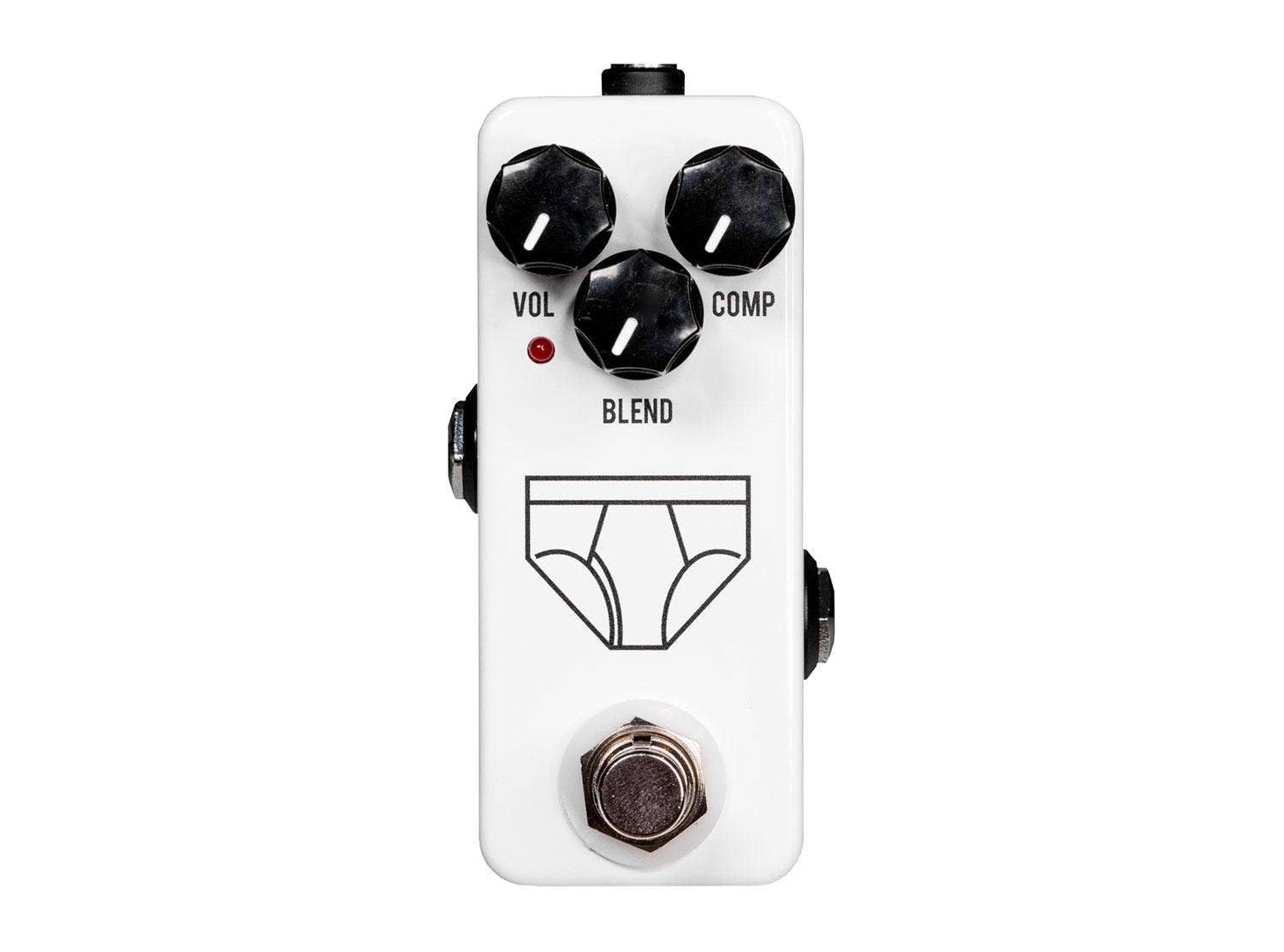
This little pedal is one of those tools you reach for when you want your playing to sit cleaner without fuss. With only Volume, Compression and Blend, you can lock in a consistent rhythm tone, add a touch of sustain to leads, or parallel-compress to keep dynamics while preserving pick attack. Because it’s tiny, it’s ideal for cramped boards, quick live setups, and tight studio racks where you don’t want a lot of knobs to babysit. Use it for daily practice to tame hot pickups or on special gigs when you need a polished, even sound across a set.
If you like straightforward gear that just works and doesn’t make you dig through menus, you’ll probably enjoy how fast you can dial this one in.
Around the board, people often mention how easy it is to use and how it tightens up their tone without sounding squashed. Customers frequently praise the blend control for returning natural attack, note the low noise floor even at higher settings, and appreciate the compact size for busy rigs.
Many users say it preserves the guitar’s personality while giving a more polished, consistent sound.
Overall Sentiment: Positive
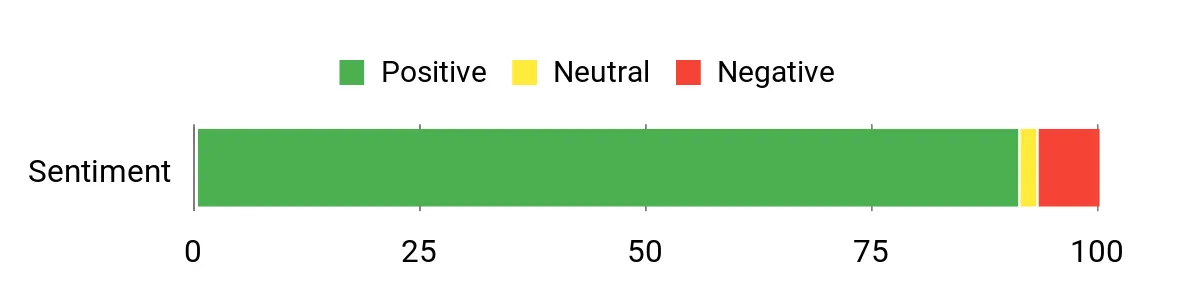
It doesn’t reinvent compression, but the neat combination of a FET voice with a parallel Blend control in such a tiny package is smart — you get studio-style control without complexity or footprint.
This pedal smooths out uneven picking, tames hot pickups, and adds sustain when you need it, all while staying tiny enough for small boards. It’s great when you want consistent levels across songs without losing the tactile response of your instrument.
If you want a no-nonsense compressor that gets the job done, this is the one you reach for. With just a sensitivity control and a simple output, it evens out your playing, fattens single-note leads, and gives chords a steady presence without you having to babysit a bunch of knobs.
It’s built like a tank, runs on a 9V battery or adapter, and fits easily on crowded boards — great for practice sessions, studio tracking, or gigs where you need a reliable, consistent tone. If you like gear that helps your playing sound more polished with minimal fuss, the Dyna Comp is an easy recommendation.
Across many users you’ll hear the same themes: people love how straightforward it is and how it tightens tone without making things sound lifeless. Customers often point out the sustain and punch it adds, praise the solid build quality, and note that any added hiss usually comes from the rest of the chain rather than the pedal itself. Overall, folks appreciate its reliability and how quickly it improves clarity and consistency.
Overall Sentiment: Positive
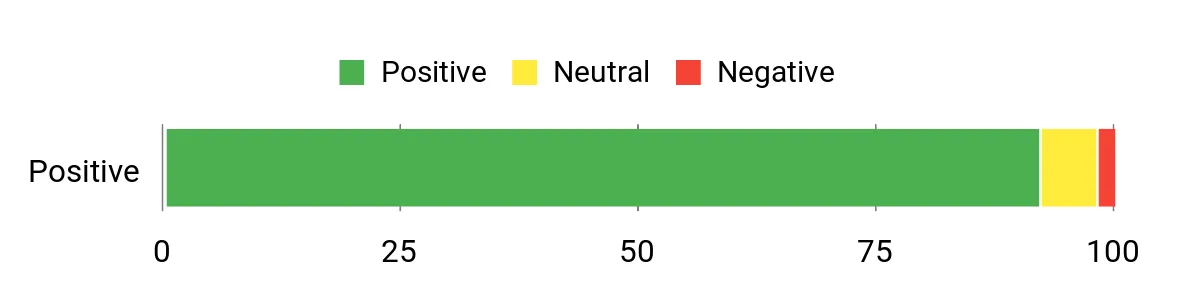
Its strength is understated: rather than fancy features, it delivers a classic compression character that’s been studio-proven for decades. That distinctive, musical response is what keeps it relevant — you get a signature sustain and click that’s hard to replicate with more complex units.
This pedal solves uneven playing and hot pickups by evening levels and adding sustain, so your parts sit cleaner in a mix. It’s ideal when you want consistent volume across songs, tighter rhythm tracks, or a bit more sustain for solos, all without complicated settings.
If you want studio-style compression without taking over your pedalboard, this is a smart pick. You get the signature Ego controls — including tone and attack switches plus a blend knob — in a compact footprint, so you can use it as an "always-on" leveler or a full-on squash effect. It cleans up noisy dynamics, fattens leads, and preserves pick attack when you want it, which makes it great for practice, live gigs, worship sets, acoustic rigs, and tracking in the studio.
Because it’s quiet and transparent, you can tuck it into lots of signal chains and still keep your core tone; if you like a versatile, compact compressor that doesn’t ask for much babysitting, this one’s easy to recommend.
Players commonly praise the blend knob and the way the pedal keeps your pick attack while evening out levels, calling out the tone and attack controls as particularly useful. Many appreciate how compact and quiet it is, saying it’s easy to leave on for practice or live work. A smaller number of users mention packaging or minor durability concerns with switches, but the overall vibe is that it reliably improves clarity and sustain.
Overall Sentiment: Positive
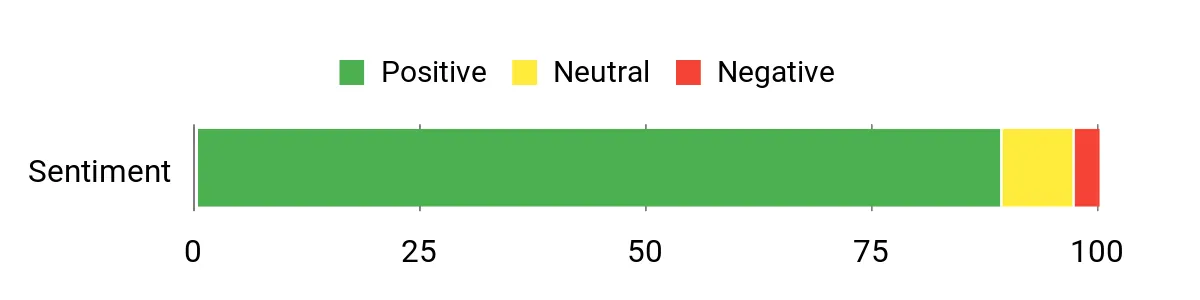
Packing the Ego’s blend and attack functionality into a mini enclosure is the clever bit — it gives you studio-style parallel compression and tonal shaping without the bulk. That combination of transparency plus a true blend control is what sets it apart from many tiny compressors.
It smooths out uneven playing and tames hot pickups while letting transient detail cut through, so your parts sit better in a mix. Use it to keep rhythm parts steady, add sustain to leads, or gently glue acoustic tracks together without losing natural dynamics.
If you want a compressor that can live on a pedalboard or sit in front of a desk, this is a solid choice. You get a true blend control for parallel compression, an EQ knob for shaping tone, and a Dirt toggle when you want grit without reaching for a separate overdrive.
The balanced XLR makes it easy to go direct to a mixer or interface, and the buffer switch gives you flexibility when chaining pedals. Use it for everyday practice, tightening dynamics at rehearsals, live acoustic or electric sets, and direct-to-board or home recording—it's built to be a practical, studio-grade tool you can actually use regularly.
Players frequently praise how transparent the compression feels and how easy the blend knob makes dialing in parallel compression. Many highlight the XLR DI and buffer switch as practical features for recording and gigging, and users like having the Dirt option for adding character. A minority mention occasional build or noise issues, but most enjoy the pedal’s versatility and studio-friendly features.
Overall Sentiment: Positive
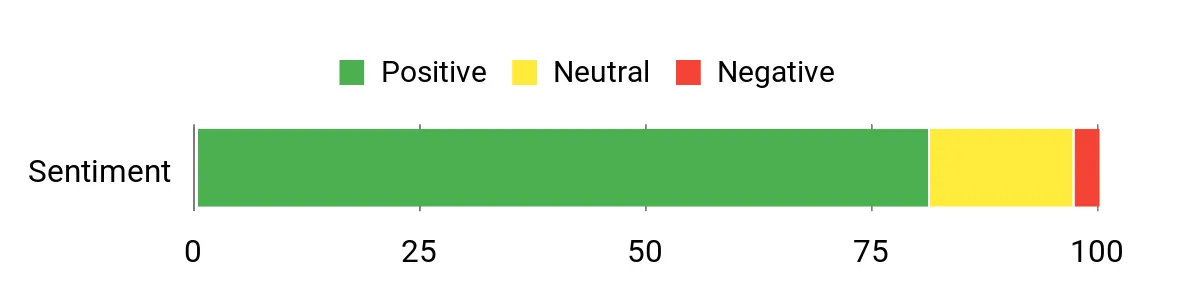
Bringing parallel compression, a full EQ sweep, a dedicated Dirt voiced toggle, and a balanced XLR output into one pedal is a neat bit of design thinking — it turns a compressor into a compact compressor/preamp that fits both pedalboard and studio workflows.
It evens out inconsistent playing, fattens leads without killing attack, and provides a clean direct output for tracking or live DI needs. If you need a single pedal to handle compression, tone shaping, DI, and a touch of grit, this covers those bases so you don’t have to patch together multiple boxes.
If you want a compressor that can do both subtle studio smoothing and full-on country squash, this is the one to try. You get a Blend control so you can keep your pick attack and add parallel compression, an Attack knob to shift between fast, clicky response and slower, more musical leveling, and a Tone control to shape how the compression sits in the mix.
It’s quiet, transparent, and built to be left on when you want—yet flexible enough to be an effect when you need character. Use it for daily practice to even out dynamics, at rehearsals to sit better in the band, for acoustic gigs to tame quacky pickups, or in the studio when you want a clean, controllable sustain without losing feel.
Most players praise how natural and usable the compression sounds, especially noting the Blend control as a game-changer for keeping pick dynamics. People also highlight the Attack and Tone controls for giving real flexibility across styles, and many appreciate how quiet and transparent the unit stays.
A small number mention minor build or switch quirks, but the general consensus is that it reliably improves tone and feel.
Overall Sentiment: Positive
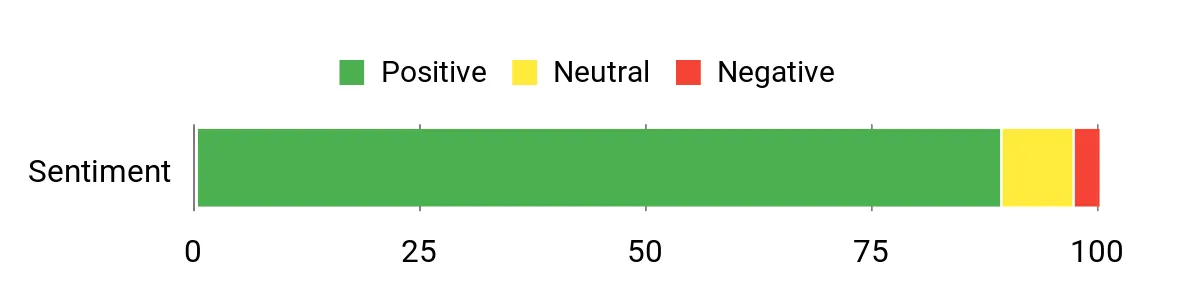
Packing a true parallel blend, an adjustable attack, and transparent tonal shaping into one compact pedal gives you studio-style control on your board. That combination makes it much easier to get both modern, clean compression and vintage-style squash without extra boxes.
It evens out inconsistent playing, fattens leads without smothering attack, and gives acoustic players a way to tame dynamic peaks without losing realism. If you need one pedal that tightens rhythm parts, adds sustain for solos, and still lets your picking dynamics breathe, this covers those needs.
If you play bass and want a compressor that just works, this is a very approachable option. You get studio-style RMS compression, two dialed-in ratio and release presets, internal attack and release tweaks, plus a Blend control so you can keep your natural attack while adding fullness. Use it for daily practice to smooth out sloppy dynamics, at rehearsals to help your part sit in the mix, live gigs to tame low-end peaks, or in the studio when you want consistent, punchy takes with minimal fuss.
It’s compact, straightforward, and built around giving you great bass tone without having to babysit a dozen settings—perfect when you want results fast.
You’ll notice a lot of players appreciate how easy it is to get a usable sound quickly — the presets and simple controls do most of the heavy lifting. People commonly call out the Blend control and the smooth RMS-style compression as big pluses for retaining pick or finger attack.
A few users want different tonal character or mention minor build preferences, but the general theme is that it tightens low end and feels intuitive to use.
Overall Sentiment: Positive
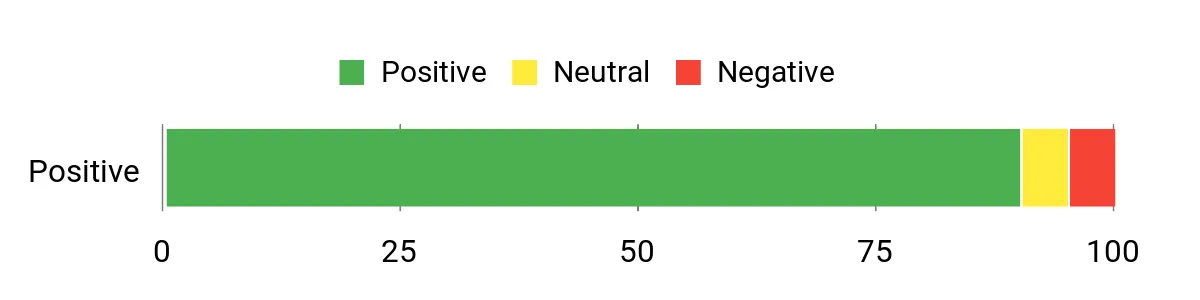
Bringing studio-style RMS compression and a usable Blend control into a compact bass pedal gives you parallel-style options and refined control usually found in rack gear. The combination of preset ratio/release choices plus internal attack/release tuning makes advanced compression behavior accessible without an engineer.
It evens out inconsistent playing, smooths low-end peaks that fight the mix, and lets you preserve pick attack while adding sustain or thickness. Whether you need to tighten rhythm parts for a live set or achieve repeatable takes in the studio, it addresses those common bass timing and dynamics problems without overcomplicating your signal chain.
You get a tiny pedal that behaves like a classic studio limiter — but in a format you can actually fit on your board. The 1176 Studio Compressor gives you the punchy, expressive character of the original hardware with straightforward Attack and Release dials, an infinite Ratio control (including the iconic “all buttons in” sound), and Single/Dual/Sustain modes for everything from subtle leveling to aggressive sustain.
Use it for everyday practice to even out your dynamics, at rehearsal to gel with a band, live to tame spikes and keep your tone consistent, or in the studio when you need that vintage squeeze without hauling rack gear. It’s compact and pedalboard-friendly, but don’t let the size fool you — the parallel compression and true/buffered bypass options make it feel like a full-featured studio box in pedal form. If you want a versatile compressor that can sit quietly in your chain or become a signature effect when you need it, this is one to try.
Most players praise how musical and versatile this pedal is, noting that it can be dialed in for transparent leveling or cranked for huge sustain and grit. Folks frequently mention the Single/Dual/Sustain modes and parallel compression as real strengths, and many appreciate the low noise floor and compact build.
A few buyers flag power-supply needs or tight jack placement on crowded boards, but the overall theme is a pedal that delivers studio-style compression in a practical stompbox.
Overall Sentiment: Positive
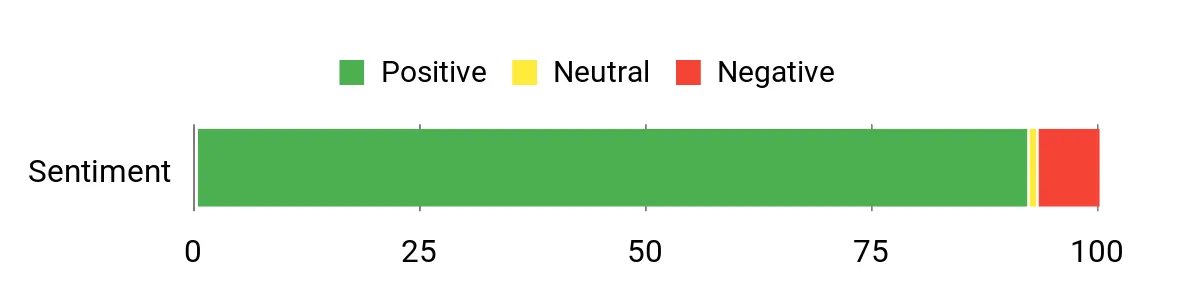
UAFX modeling squeezes the behavior of a storied studio limiter into a compact pedal while preserving nuanced dynamics and tonal character. The combination of infinite Ratio settings, a usable parallel path, and multiple operating modes brings studio-grade compression techniques to a pedalboard without forcing you to learn complex signal chains.
It evens out inconsistent playing, tames harsh peaks, and adds sustain when you want notes to sing without changing your core tone. For live players it keeps levels predictable, for recording it helps lock parts in the mix, and for solo or acoustic work it gives controlled sustain without sounding overtly processed.
With the CP-1X you get a compressor that listens to your playing and reacts in a musical way, not one that squashes everything flat. BOSS’s mDP multiband processing analyzes your signal across registers so you keep the character of your guitar and your touch while smoothing dynamics and adding controlled sustain. It’s great for everyday use — put it on for practice to even out your picking or leave it on for clean tones — and it’s just as useful on stage to tame spikes or in the studio to lock parts into a mix.
The four-knob layout means you can get useful results fast, and the gain-reduction display makes adjustments feel immediate. If you want a compressor that preserves nuance while giving you modern, low-noise control, this one makes a solid addition to your board.
You’ll find a lot of buyers noting how natural and musical the compression sounds, often saying it makes guitars ring longer without sounding processed. Folks commonly praise the clarity and low noise floor, the helpful gain‑reduction display for dialing in settings, and how well it works on both clean and driven tones.
Many appreciate that it’s easy to get useful results quickly while still offering enough nuance for studio work.
Overall Sentiment: Positive
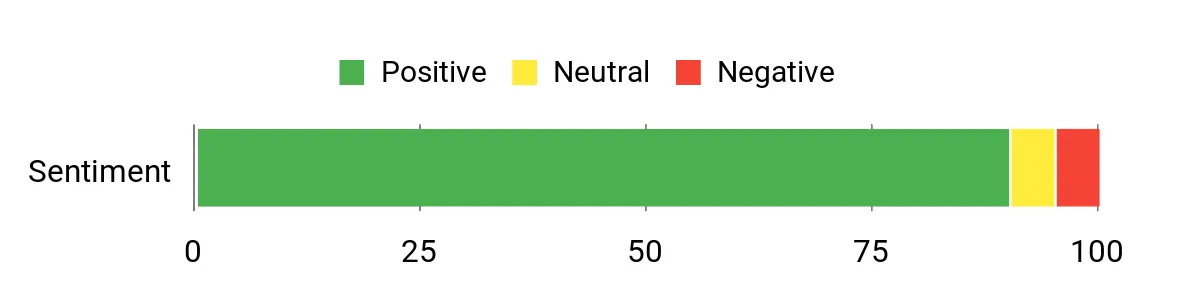
BOSS’s mDP multiband approach analyzes your signal in multiple dimensions as you play, so compression happens where it helps most without smearing tone. The combination of intelligent digital processing with stompbox-friendly controls brings studio-style dynamic shaping to everyday pedalboard use.
It evens out inconsistent attack and sustain, tames harsh peaks, and helps parts sit more consistently in a mix or live mix. For practicing, gigging, or recording, it gives you predictable dynamics and musical sustain without changing the core character of your instrument.
You get a studio-grade bass compressor in a stompbox format that’s built to keep your low end controlled without killing tone. The M87-style compressor uses Constant Headroom Technology to deliver consistent compression across dynamic playing, and the row of gain‑reduction LEDs makes it easy to see what the pedal is doing while you tweak.
It’s perfect for everyday use — slap it on during practice to even out fingerstyle or pick attack, throw it in the signal chain for rehearsal to lock parts in place, or use it in the studio to achieve a polished, consistent track. The included Tonebird 9V power supply, instrument cable, patch cables and multi-tool mean you can plug in and gig without hunting for extras.
If you want dependable, visible compression that preserves your low-frequency clarity, this bundle gets you there fast.
Buyers frequently mention how the pedal tightens low-end dynamics without making the bass sound squashed, and many like the visible gain‑reduction LEDs for actionable feedback. People also appreciate the robust control set — attack and release knobs let you shape feel and sustain — and the Tonebird bundle receives nods for removing the hassle of sourcing cables and power for gigs and rehearsals.
Overall Sentiment: Positive
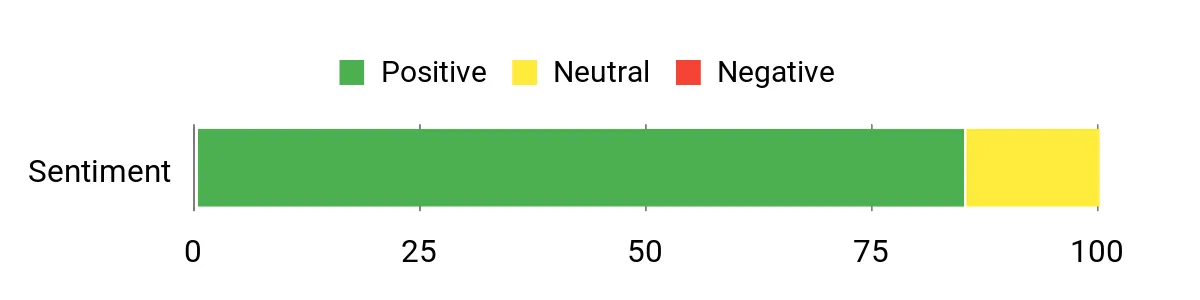
Packing Constant Headroom Technology and a ten‑LED gain‑reduction meter into a pedalboard‑friendly box brings studio-style compression ergonomics to live and practice setups. The combination of detailed controls and clear visual metering makes it simple to translate studio compression concepts into real-time pedal adjustments.
It evens out inconsistent attack, tames transient spikes, and helps bass parts sit more reliably in a band mix or recording without losing low‑end presence. The visible meter and intuitive controls speed up setup at rehearsals or onstage so you spend less time dialing and more time playing.
You get a small, easy-to-use analog compressor that smooths out dynamics without stealing your character. Dial COMP to tame spikes, TONE to add or cut brightness, and LEVEL to keep your output consistent; flip between Normal and Treble modes when you want a flatter response or a bit more presence.
It’s perfect for everyday practice to even out fingerstyle or pick attack, great for rehearsal to help parts sit cleaner in the mix, and simple enough to pop on for low-key gigs or quick studio tracking sessions. If you want straightforward compression that’s pedalboard-friendly and won’t overcomplicate your signal chain, this is a reliable place to start.
Most buyers highlight the value-heavy combo of transparency and simplicity — they like that it evens out attack and adds sustain without making the guitar sound squashed. People also point out the compact size and true bypass as practical perks for pedalboards.
A minority mention occasional noise or quality-control hiccups, but the general consensus is that it punches above its price and is friendly for beginners and board-builders alike.
Overall Sentiment: Positive
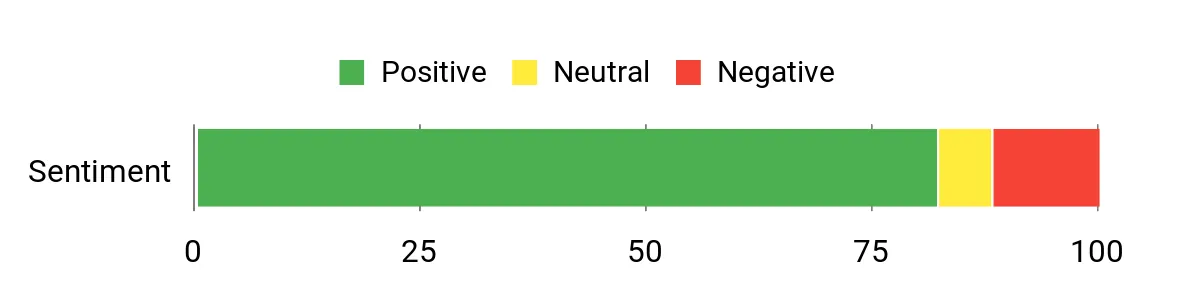
Bringing a warm, analog compressor circuit with a straightforward control set into a tiny, pedalboard-ready package makes compression approachable — you don’t need rack gear or a degree in signal processing to get usable results. The Normal/Treble mode switch gives quick tonal options for different guitars or amp setups without complex routing.
It levels out inconsistent attack, tames sharp transients, and helps single-note parts sit more reliably in a mix or live band setting. Because it’s transparent and true-bypass, you can leave it in your chain and only hear the benefits when you need them.
If you want a musical, hands-on compressor that still feels familiar, the Tone Corset is a great fit. You get straightforward controls — Sustain to dial in compression, Attack to shape how the pick transients come through, Blend to mix dry and compressed signals, and Volume for output — so you can craft anything from subtle leveling to longer, singing sustain.
It’s compact enough for a crowded pedalboard but flexible enough for practice, rehearsals, small gigs, and quick studio tracking. Use it to smooth uneven fingerstyle passages, tighten single-note lines, add presence to an acoustic or solid-state amp, or to tame and shape aggressive drive pedals while keeping clarity.
Buyers repeatedly mention that the pedal sounds musical and doesn’t crush the life out of the tone — the blend knob comes up a lot as a feature people appreciate for retaining pick attack. Folks also note solid build quality and relatively low noise, and many find it useful across different setups from acoustic guitars to driven amps. A number of users point out the included battery and compact size as practical conveniences for gigging and home setups.
Overall Sentiment: Positive
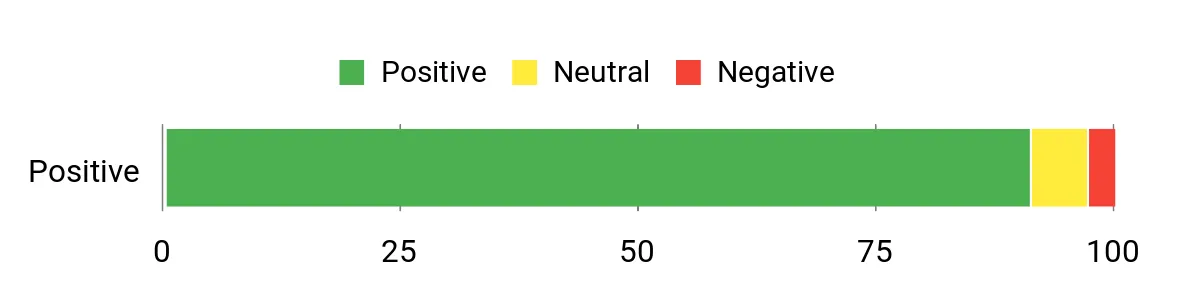
The Tone Corset stands out by pairing a classic analog compressor voice with a wet/dry Blend control, which makes it easy to keep transient detail while adding body and sustain — a simple idea that expands how usable the pedal is in varied signal chains.
It evens out inconsistent attack, brings quieter parts forward, and can tighten up single-note lines so they sit better in a mix or live band. If you struggle with sharp transients or want more sustain without losing clarity, this pedal solves those issues while staying pedalboard-friendly.
This little Yellow Comp squeezes a classic optical compressor voice into a tiny, pedalboard-friendly package. You'll get smooth attack and decay that tames dynamics, plus simple EQ and volume controls so you can shape tone without fuss. It’s great for quietly practicing at home, tightening up single-note lines in the studio, or slipping onto a crowded board for gigs where space is tight. If you want a no-nonsense compressor that keeps your pick attack and adds a bit of sustain without taking over your signal chain, this is an easy one to reach for.
Players often praise how much tone you get from such a tiny pedal — the optical-style compression and the compact size come up a lot. Folks also like the true bypass and solid metal build, which feel reliable for practice and small gigs.
Common downsides mentioned are occasional noise and a small number of units with reliability issues, so some buyers recommend checking the pedal after purchase.
Overall Sentiment: Positive
The Yellow Comp stands out by delivering an approachable optical compressor experience in an ultra-compact format, combining simple tone-shaping (EQ and volume) with true bypass so you don’t sacrifice board space or signal integrity.
It evens out inconsistent playing, brings quieter parts forward, and gives single-note passages a more even presence — useful whether you’re tracking at home, tightening a live mix, or adding sustain to lead lines. For cramped pedalboards or on-the-go setups, it solves the problem of getting quality compression without a bulky footprint.
You pick the right compressor by identifying the sound you want: do you want gentle level smoothing for clean rhythm, lots of sustain for leads, or that snappy "chicken-pickin'" country attack? Look for controls and circuit types that match that goal — FET circuits give fast, punchy attack, optical and boutique designs often deliver smoother, more musical leveling, and pedals with a blend control (so you can mix dry and compressed signals) let you keep your initial pick attack while gaining sustain. Start by trying a pedal with simple controls so you can hear how Attack, Release, and Sustain interact with your guitar and amp; if you play bass, choose a compressor voiced for low end and with a blend or parallel option to keep thump.
Try before you commit, prioritize the controls you’ll actually use on stage or in the studio, and choose a pedal that makes you want to play more — that immediate musical improvement is what matters most.
You’ll find most perceived compressor noise comes from power and grounding, not the circuit itself, so start by powering your board with an isolated supply and avoid daisy-chaining power to multiple pedals when possible; use good patch cables and keep cable runs tidy to reduce hum. Place a noise gate before dirty pedals but after the compressor if the compressor raises the noise floor, and experiment with true bypass versus buffered pedals if you notice tone loss or hiss.
If a pedal is battery-capable, try a fresh battery to isolate power-supply problems during troubleshooting, and ensure any pedal that needs higher current is supplied accordingly to prevent artifacts — these simple steps usually eliminate the buzz and let the compressor do its job transparently.
You’ll usually get the tightest, most consistent result by placing compression early in the chain, directly after your tuner or buffer, so it evens dynamics before overdrive or modulation; however, putting a compressor after your drive can produce different textures, so don’t be afraid to experiment. Set the pedal to unity gain so the on/off volume matches, dial Compression/Sustain low to start and increase until you hear the smoothing or sustain you want, then use Attack and Release to preserve pick transients or to lengthen notes; use the Blend control to reintroduce punch if the sound feels too squashed.
For acoustic, DI, or bass work, consider pedals with XLR outputs or dedicated bass voicing, and always match levels by ear in the context of your amp or mix — small adjustments often create the biggest musical improvements.
You now have a shortlist that covers boutique tone, studio classics, compact minis, and budget options so you can choose the pedal that matches your sound and setup. If you care most about transparency and studio polish, Boss CP-1X, Wampler Ego, or the Keeley Compressor belong on your board.
If you need a no-frills, pocketable option that still tightens your sound, the JHS Whitey or Wampler Mini Ego are smart picks. For bass players, the Fender Bassman is tailored to low‑end dynamics.
Use this guide to match a pedal’s strengths to your playing style and rig so you can lock in a more consistent, professional sound this winter.
| Product | Image | Dimensions (L x W x H) | Weight | Power Source |
|---|---|---|---|---|
| Keeley Compressor Plus Pedal |  | 6.75" x 4.25" x 3.25" | 10.6 ounces | Corded Electric |
| Boss CS-3 Compressor/Sustainer Pedal |  | 6" x 3.75" x 2.7" | 14.9 ounces | 1 AAA battery required |
| JHS Pedals 3 Series Delay |  | 4" x 3" x 2" | 10.4 ounces | 9V DC Negative Center |
| JHS Pedals Whitey Tighty Compressor Guitar Effects Pedal |  | 1" x 3" | 8.7 ounces | External power supply required |
| MXR Dyna Comp Compressor |  | 5.8" x 4.5" x 2.8" | 1 ounce | 1 9V battery required |
| Wampler Mini Ego Compressor |  | 7" x 4" x 7" | 7 ounces | DC power supply required |

bestguitarequipment.com is a participant in the Amazon Services LLC Associates Program, an affiliate advertising program designed to provide a means for website owners to earn advertising fees by advertising and linking to Amazon.com, and any other website that may be affiliated with Amazon Service LLC Associates Program.