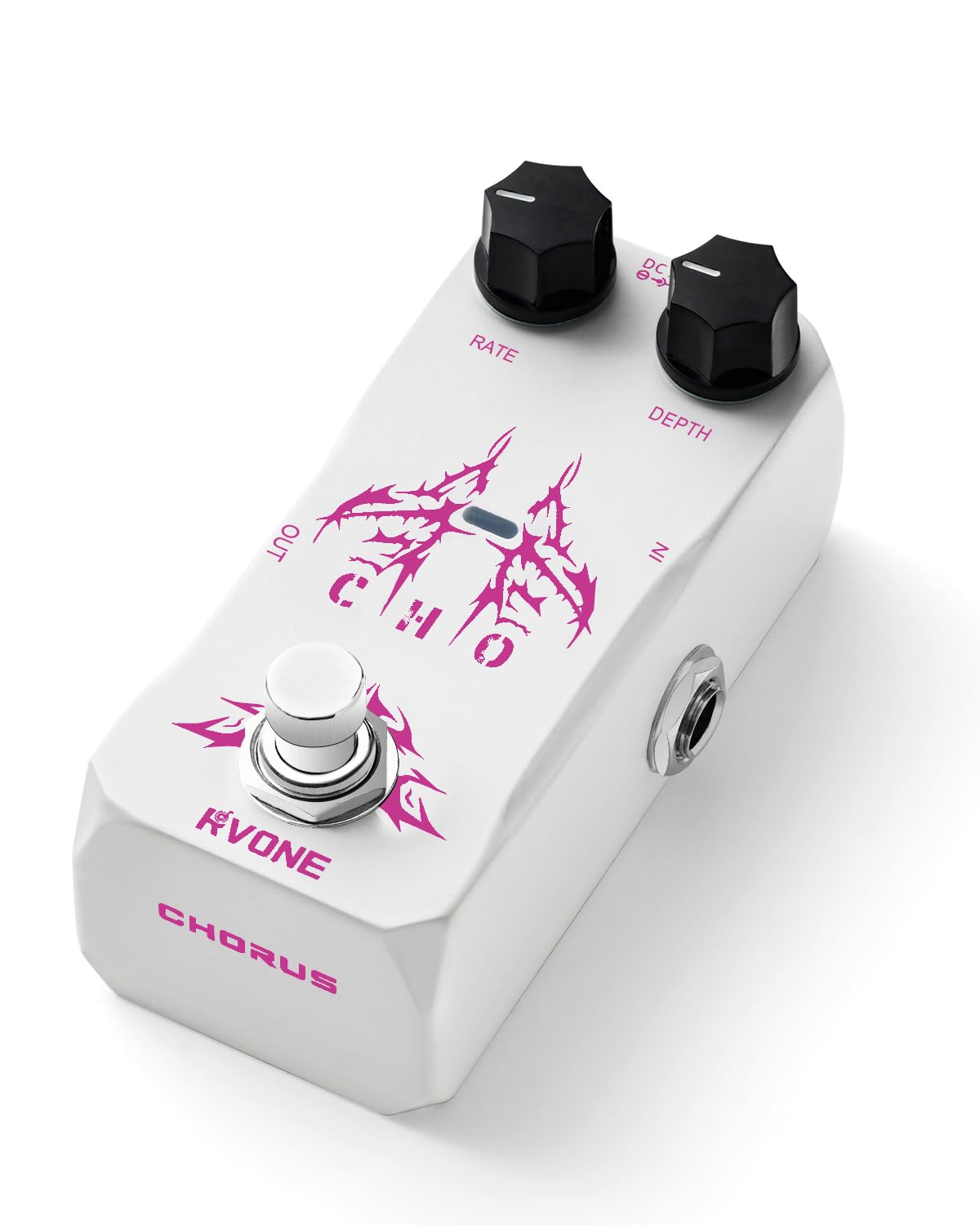
This guide puts chorus pedals in front of you so you can give your guitar, bass, or keys a richer, more spacious sound this holiday season. Whether you want subtle depth under your vocals or the classic 80s shimmer for festive covers, a good chorus pedal transforms your tone and makes your playing stand out. Try one and you’ll instantly hear how modulation breathes life into chords, solos, and atmospheres, and how a well-chosen pedal can be the most impactful holiday gift for a musician in your life.
| Category | Product | Score |
|---|---|---|
| 🚀 Best Premium Reissue | BOSS CE-2W | 96/100 |
| 🎯 Best For Clarity | BOSS CH-1 | 92/100 |
| 🔰 Best Analog Warmth | MXR Analog | 89/100 |
| 💰 Best Value Multimode | TC SCF | 90/100 |
| 🎨 Best Beginner-Friendly | Walrus Fundamental | 88/100 |
| ⭐ Best Classic Sound | EHX Small Clone | 95/100 |
| 💼 Best For Bass | EHX Bass Clone | 80/100 |
| 💸 Best Budget Pick | Donner Tutti | 78/100 |
| 🪄 Best Compact | Pogolab Mini | 76/100 |
| 🔎 Best No-Frills | RVONE Chorus | 75/100 |
You want a chorus pedal that matches your music and setup, so we evaluated each unit on tone quality, versatility, and build. Tone quality: we favored pedals that deliver clear modulation, usable wet/dry balance, and musical rate/depth ranges.
Versatility: pedals with stereo outputs, multiple modes, or EQ controls scored higher because they adapt to different rigs (guitar, bass, keys). Build and reliability: rugged switches, reputable brands, and low noise circuits matter if you gig or record.
Value: price-to-performance was considered so you can find options from budget mini pedals to premium Waza reissues. We also weighed real-user feedback to confirm consistency across play styles and environments.
If you're looking to add a polished, shimmering layer to your sound without losing note definition, the BOSS CH-1 is the kind of pedal that makes that easy. You get clear, cutting highs and a stereo spread that helps chords and leads sit nicely in a mix, whether you're plugged into a single amp or running dual outputs. The four knobs — Effect Level, EQ, Rate and Depth — let you shape anything from a subtle sheen for practice or recording to thicker, more obvious modulation for live holiday sets. It's compact enough to fit on most pedalboards and tough enough to travel to gigs, and it's useful on guitars, keyboards, synths and even amplified acoustic instruments.
If you want a reliable chorus that stays musical and easy to dial in, this is a solid pick.
You’ll notice a recurring theme in user feedback: people like how clean and musical the CH-1 sounds. Customers frequently call out the clarity of the highs, the usefulness of the EQ and Rate/Depth controls, and the stereo outputs for creating a bigger stage sound.
Many also mention the pedal’s rugged, road-ready build and how easy it is to get usable tones quickly.
Overall Sentiment: Positive

This pedal plays well in lots of settings — subtle shimmer for bedroom practice, tasteful modulation for recording, and broader stereo textures for live gigs. You can use it on electric and acoustic guitars, electric pianos, synths and other pickups, and it responds well to different amp and effect combinations.
The CH-1 has that familiar BOSS blue and compact footprint that looks neat on any board. It's understated but professional, so it blends in visually while standing up to road use.
The pedal’s strength is straightforward: a clean, crystal chorus with a stereo effect that’s easy to place in the mix. It’s not flashy, but the combination of clarity, precise controls and stereo connectivity keeps it relevant decades after its debut.
If you want that classic, warm chorus without diving into complicated menus, the CE-2W is a very approachable reissue. You get faithful recreations of the CE-2’s subtle shimmer and the CE-1’s lush stereo chorus, plus a vibrato/custom option for more dramatic textures. The two simple knobs — Rate and Depth — let you find usable settings fast, whether you’re practicing at home, tracking holiday vocal or guitar layers in the studio, or adding width to a live set.
The all-analog BBD circuitry and stereo outputs give you that vintage character and a roomy spread that works great on guitars, keys, and synths. If you like analog tone with straightforward controls and solid build quality, this one’s worth a close listen.
You’ll notice a consistent thread in user feedback: people love the pedal’s vintage, musical sound and the fact that it’s easy to dial in. Customers often highlight the stereo mode and CE-1/CE-2 selections as big advantages, and many comment on the solid build and noise-free operation compared with older units. The simple controls and authentic analog character come up a lot as reasons folks keep it on their board.
Overall Sentiment: Positive

This pedal adapts well to lots of situations — use it for a gentle shimmer when practicing, push it for thicker 80s-style textures in a holiday gig, or run it into a stereo pair for lush studio washes. It’s friendly with electric and acoustic guitars, keyboards and synths, and even finds work doubling parts or adding atmosphere to vocal or ambient tracks.
The familiar blue BOSS footprint is understated and tidy on a pedalboard, and the Waza Craft finish gives it a slightly premium feel. It looks like a piece of gear built to last, which matches the solid metal enclosure and classic layout.
What sets the CE-2W apart is the combination of faithful analog circuitry with modern usability: stereo outputs, CE-1 mode reproduction and variable chorus depth that the originals didn’t offer. It’s essentially a vintage sound updated for today’s players and rigs.
This pedal gives you that warm, classic analog chorus without a steep learning curve. The bucket‑brigade circuit produces a thick, musical shimmer you can dial in gently for subtle depth or crank for full watery 80s character.
The Rate, Level and Depth knobs plus the High and Low cut let you shape tone in a way digital emulations often miss, so you can smooth out clean parts, fatten rhythm guitars for holiday sessions, or add an organic spread to leads when tracking. It’s built like a little tank and designed to live on your board, so whether you’re practicing at home, recording seasonal layers, or gigging a cozy holiday set, this is a reliable way to add richness to your sound. If you want analog warmth that’s easy to use and dependable on the road, this one’s a safe bet.
Most players praise the pedal’s warm, organic sound and say it sits nicely in a mix without sounding brittle. People frequently point to the range of controls — especially the high/low cuts — as helpful for shaping tone, and many note the solid build that feels road‑ready. A few users mention the LED is bright or prefer different placements in the signal chain, but the overall consensus is that it delivers classic analog chorus character.
Overall Sentiment: Positive

You can keep it on for subtle thickness during practice, push it for big 80s‑style textures in a holiday jam, or use it to add width and motion when recording layered parts. It works well with clean and mildly overdriven tones, and players use it on guitars, keys, and even synths when they want a natural, analog flavor.
The MXR’s compact blue enclosure looks tidy and purposeful on a pedalboard. It’s not flashy, but the durable metal finish and compact footprint communicate that it’s built to be used rather than just admired.
What stands out is the combination of bucket‑brigade analog circuitry with practical tone controls like the High and Low cuts — that lets you sculpt the chorus in a more musical way than basic Rate/Depth-only pedals. It keeps the vintage character but gives you modern flexibility for different rigs and genres.
You get classic, vintage-style modulation with modern usability. The SCF delivers stereo chorus, flange and a pitch/vibrato mode through an original BBD analog circuit paired with a high‑fidelity preamp, so the sound stays warm and musical without excess noise.
Updated features like a standard 9 V DC socket and adjustable input gain with a clip indicator make it easy to drop onto a crowded board or into a studio rig. Use it to fatten acoustic strums for holiday recordings, add shimmer to clean electric parts at a cozy gig, or create wide, cinematic textures when you’re layering tracks — if you want flexible, authentic analog modulation that’s ready for real life, this pedal fits the bill.
Most players highlight the SCF’s rich, retro chorus tone and low noise as standout traits, and they like that it covers chorus, flange and pitch effects without taking much space. Customers often mention the improved power jack and adjustable input gain as practical upgrades, and many appreciate the pedal’s solid feel and clean, usable sounds. A few users note that switching between modes requires hands-on adjustments rather than a stomp-switch change and that some players prefer a different flavour of digital chorus, but the overall sentiment leans toward satisfaction with the tonal results.
Overall Sentiment: Positive

You can leave it on for subtle thickness during practice, switch to deeper chorus or vibrato for dreamy holiday parts, or use the flange and pitch modes for more dramatic textures in the studio. It plays nicely with clean and overdriven tones, works well on electric and acoustic guitars, and can even add stereo width to keys or pads when you’re layering seasonal arrangements.
The compact black enclosure has a retro vibe that fits easily on most boards. It’s not flashy, but the clean layout and durable build convey practicality — it looks like a tool you’ll actually use rather than something fragile to admire.
Reissuing the original BBD circuit while adding a modern preamp, adjustable input gain with clip indicator, and a standard 9 V DC socket is a smart blend of vintage tone and up-to-date pedalboard convenience. It keeps the classic sound but removes some of the fiddlier hassles of older designs.
This chorus is built so you can stop fussing and start playing. The three horizontal sliders make dialing in rate, depth and mix feel immediate, and the three-mode switch (Light, Medium, Heavy) gives you quick, usable flavors for everything from subtle shimmer to lush holiday pad-like swells. It’s voiced to sit musically in a band context while still being approachable for newer players, and the rugged metal box means it handles rehearsals and gig setups without drama.
Use it to add sparkle to acoustic strums during a seasonal livestream, thicken clean electric parts for a cozy living-room set, or layer wide textures when you’re building those cinematic arrangements. If you want a chorus that’s friendly to learn on but capable enough for real shows, this is an easy one to recommend.
You’ll notice most players praise how easy it is to get great chorus tones without overcomplicating settings. People often point out the unique slider layout and three-mode switch as practical and fun to use, and many appreciate that the pedal sounds musical both at home and onstage. Customers also mention the solid build and how compact it is for board real estate.
Overall Sentiment: Positive

This pedal works as a subtle thickening tool for everyday practice, a tasteful shimmer for unplugged holiday sets, or a deeper, ambient texture when you’re crafting layered recordings. It plays well with clean amps and pedals, and because it’s compact you can use it for guitar, keys, or any dry signal that needs a touch of width.
The black-and-white finish has a clean, understated look that blends into most pedalboards. It’s not flashy, but the linear sliders and simple graphics give it a distinct, usable aesthetic that feels purpose-driven rather than ornamental.
Swapping traditional knobs for horizontal sliders is a small but effective change that speeds up adjustments and gives you a tactile reference point. Pairing that with a three-way mode switch keeps the control set simple while offering meaningful tonal options—an approachable balance of form and function.
You get a compact, straightforward chorus that’s easy to slot into practice sessions, bedroom recordings, or a small gig setup. The Tutti Love keeps things simple — Rate and Depth for the usual modulation shapes, plus an extra Level knob so you can balance the effect without hunting for other pedals.
It’s voiced toward a warm, jazzy shimmer but works nicely on clean rock and pop tones too. Because it’s an analog circuit in an aluminum housing and uses true bypass, you’ll find it reliable for rehearsals and low-key holiday livestreams; just remember it doesn’t include a 9V power supply.
If you want a no-fuss way to add lush, vintage-style chorus to your signal chain without taking up much board space, this is a very practical pick.
You’ll notice most players praise the warm, musical chorus tone and how easy the pedal is to use right out of the box. Customers often mention the extra Level control as a handy way to blend the effect without juggling other pedals, and many like the small size and solid aluminum case. A handful of users report occasional quality-control or noise issues, so some people recommend checking units on receipt and using a clean 9V supply.
Overall Sentiment: Positive

You can use this as a subtle chorus to thicken rhythm parts during daily practice, dial up a richer shimmer for intimate holiday livestreams, or push it a bit harder for ambient layers when recording. It’s friendly with clean amps and works fine on bass or keys if you want a gentle modulation effect.
The blue-chorus finish is bright without being loud, and the compact aluminum box looks tidy on a board. It’s more about practical durability than flashy design, but the color and size give it a pleasing, usable look.
Adding a dedicated Level control alongside the classic Rate and Depth is a small but useful design choice — it saves you from having to tweak gain staging elsewhere. The pedal’s analog signal path with true bypass keeps the feature set focused and effective for players who prefer straightforward, musical modulation.
If you want that unmistakable, vintage chorus voice without fuss, the Small Clone is one of those pedals you can rely on. It keeps things simple — just Depth and Rate — and that focused control makes it quick to dial in anything from a subtle thickening to a full, warbly modulation. True bypass preserves your dry tone when it’s off, and the included 9V battery means you can get playing right away. Use it for everyday practice to add presence to clean parts, for intimate holiday livestreams to create a warm bed of sound, or to chase specific classic tones in the studio.
It’s compact, built like a tank, and designed to give you that classic chorus personality without a complicated setup, so if you want a nostalgia-leaning effect that actually works in real-life situations, this is a practical pick.
You’ll see a lot of players praise the Small Clone for delivering that classic chorus character right out of the box and being simple to use. Folks commonly note the solid construction and reliable battery life, and many appreciate how it layers well in mixes.
A small number of users mention occasional unit variance or noise, so some recommend giving it a quick check when it arrives.
Overall Sentiment: Positive

You can lean on it for subtle texture during daily practice, use it to thicken rhythm parts for holiday sets or acoustic gigs, or crank the Depth for more dramatic, watery sounds in the studio. It pairs nicely with clean amps but can also add pleasing character to driven tones if you want a grittier modulation.
It has that classic Electro-Harmonix green finish and compact shape that looks at home on any board. The layout is straightforward and no-nonsense, so it’s more about function and vintage charm than flashy design.
The Small Clone isn’t about piles of new features — its strength is reviving a tried-and-true analog circuit that shaped an era of guitar tone. That commitment to a simple, musical sound is the sort of design decision that still feels smart today.
If you play bass and want chorus that keeps your low end intact, this is built for you. The Bass Clone uses a crossover so the deepest notes pass through unchanged while the highs get that classic warble, which means you can add shimmer without turning your low strings into mush.
The controls are straightforward — rate, depth and tone controls plus a bass boost — so you can dial in subtle texture for practice or cranked modulation for studio work. It’s compact and tough enough for regular pedalboard use, and handy for holiday livestreams or cozy acoustic sets when you want a full, pleasing low end beneath shimmering ambience.
If you want an easy-to-use chorus that respects the bass frequencies, this is a solid, practical choice you can rely on.
Customers often highlight how well the pedal keeps bass fundamentals while adding a lush chorus on top, and many like the simple control layout that makes dialing in tones quick. Players also note the solid build and quiet operation in most cases, though a minority report some hiss, occasional popping on engage, or worries about longer-term reliability.
Overall Sentiment: Positive

You can leave it on for everyday practice to thicken parts, use a light setting for acoustic or holiday livestreams to add gentle shimmer, or crank the depth for experimental studio textures. It pairs with clean amps to preserve clarity but can also complement slightly overdriven tones if you want more character.
The pedal’s compact metal body is utilitarian and durable, so it blends into a busy pedalboard without fuss. It’s more about function than flash, which suits players who prefer practical, no-nonsense gear.
Rather than chasing lots of bells and whistles, this model adapts a classic analog chorus circuit with a bass-specific crossover — a smart tweak that solves the common issue of lost low end when adding modulation to bass instruments.
This little chorus is exactly what you reach for when space is tight but you still want real analog warmth. It uses a BBD-style circuit to add that soft, full-bodied modulation that sits nicely under clean tones and thickens solos without stealing the spotlight.
Because it’s compact and built from aluminum, you can tuck it onto a small board or toss it in a gig bag for holiday house shows or livestream sessions. Controls are straightforward, the footswitch is true bypass so your dry tone stays pure, and the indicator light makes stage use easy.
If you want a no-fuss, travel-friendly chorus that gives you classic character rather than a bunch of menus, this is an easy one to recommend.
You’ll notice most players praise the pedal’s warm, musical chorus and appreciate how small and well-built it feels for the price. Common points include the true bypass keeping tone intact and the easy setup, while a few people mention a very bright LED or wish for a blend/mix control and occasional clicking on the stomp.
Overall Sentiment: Positive

It’s great for everyday use — leave it on for practice to add depth to single-note lines or use a light setting during acoustic holiday sets to give chords a gentle shimmer. For special occasions like seasonal livestreams or intimate gigs it adds polish without overwhelming your mix; if you need wide stereo washes or deep multi-voice modulation you’ll want something bigger, but this handles most stage and home needs with ease.
The mini metal enclosure has a neat, no-nonsense look that fits any pedalboard. It’s more about reliability than looks, but the compact size and clean finish give it a tidy, pro vibe that won’t clash with the rest of your setup.
Putting a BBD-style chorus into a tiny, rugged box with true bypass is a practical twist — you get classic analog character without sacrificing pedalboard space. It’s not chasing tons of features; it focuses on packing the essential chorus tone into a travel-ready format.
This is the pedal you grab when you want a lot of modulation options without taking over your board. You get 16 distinct modes — everything from lush chorus and subtle detune to rotary, flanger and wah-like textures — and simple knobs to shape rate, depth and level so you can dial in usable sounds fast. The tap tempo helps if you like syncing wobble or tremolo to a song, and the buffer-bypass approach aims to keep your signal strong when it’s off.
For day-to-day practice it adds movement to single-note lines and fills out rhythm parts; for holiday gigs or livestreams you can stack a mode or two with reverb and delay to get cozy, shimmering textures that sit nicely in a mix. If you want a versatile, travel-friendly modulation box that doesn’t bury you in menus, this is an easy one to recommend.
Most players like that it packs many useful effects into a small, sturdy box and praise how easy it is to find playable sounds quickly. People frequently mention the chorus and detune options sounding musical, the convenience of tap tempo, and the pedal’s small size for boards and travel.
A portion of users note occasional quality-control hiccups, but the common thread is that it delivers a lot of functionality for what it is.
Overall Sentiment: Positive

You can leave it on for practice to add depth to single-note lines or flip to a gentle chorus for acoustic holiday sets to make chords shimmer. It’s handy on small gig boards and for livestreams where you want instant modulation without complicated routing; if you need deep stereo spreads or a huge multi-voice palette for ambient work, you might eventually pair it with a larger unit, but for most home, rehearsal and intimate gig scenarios it covers a surprising amount of ground.
The compact metal case and bright green finish stand out without being flashy, so it looks tidy on a board and feels roadworthy. It’s a practical, no-nonsense aesthetic that signals durability and makes setup on a small stage or at home quick and unobtrusive.
Cramming 16 usable modulation modes and a tap-tempo function into a pedal this size is a practical kind of innovation — it focuses on delivering variety and convenience rather than chasing complex editing. The buffer-bypass approach is a thoughtful detail for preserving tone in real setups.
Think of this as the uncomplicated chorus you reach for when you want instant shimmer without fuss. The classic BBD circuit gives a warm, slightly warbly character that makes single-coil guitars sparkle and humbuckers breathe a little more.
Controls are straightforward — rate and depth — so you can dial usable sounds quickly whether you’re practicing at home, recording a cozy holiday track, or adding texture on a small gig. The metal case feels sturdy enough for a pedalboard that travels, and the true-bypass switching helps keep your tone honest when it’s off.
If you want a compact chorus that does the job and won’t overcomplicate your setup, this is an easy one to reach for.
Across feedback, people note the pedal’s pleasing, vintage-style chorus tone and appreciate how easy it is to dial in with just a couple of knobs. Many call out the solid aluminum build and lack of excessive noise as positives, and users like that it sits well with delay and reverb.
A smaller number mention finish or control quirks on certain variants, but the general pattern is that it delivers reliable, usable chorus without extra bells and whistles.
Overall Sentiment: Positive

You can leave it on during practice to thicken single-note lines, flip it on for jangly rhythm parts at a holiday party, or use it sparingly in a recording to add subtle movement. It’s not a multi-voice ambient machine, but for home, rehearsal and small-stage situations it covers a lot of ground without asking you to learn a complicated interface.
The clean white finish and compact metal body look tidy on a pedalboard and feel durable underfoot. It’s understated rather than flashy, which is exactly what you want if you prefer gear that blends into a practical rig.
The pedal doesn’t chase radical features — its strength is putting vintage BBD chorus and an analog signal path into a small, affordable package with true bypass. That practical focus on classic circuitry and solid construction is a thoughtful, user-first kind of innovation.
You’ll add instant warmth, shimmer and a sense of space that makes holiday arrangements sound fuller and more inviting; a chorus pedal can thicken single-note lines, fatten rhythm parts and create a lush bed under vocals or keys. Use subtle settings for tasteful jangle on acoustic or clean electric guitars, increase depth and rate for dreamy lead sections, and engage stereo outputs when available to produce a wide, immersive sound that fills rooms during seasonal gatherings.
Pair it with a touch of reverb and a gentle delay to craft atmospheric holiday textures that feel professional without overwhelming your arrangement.
You should prioritize the features that match your sound and rig: decide if you want the organic warmth of analog circuitry or the flexibility of digital algorithms, confirm whether the unit offers stereo I/O for a spacious stage or studio sound, check for true bypass or a buffered bypass depending on your pedalboard’s needs, and make sure the power options (battery vs external 9V supply) and physical footprint fit your setup. Build quality, simple yet effective controls, and the ability to pair well with reverb/delay are key — you’ll find pedals that deliver classic, crystalline chorus or richer, vintage-style modulation, so pick what helps your parts sit in the mix the way you envision.
Start with a practical signal-chain rule of thumb but be ready to experiment: place chorus after drive and distortion for a cleaner, shimmering modulation, or before dirt if you want the modulation to be exaggerated by gain. Put chorus before reverb and delay so the time-based effects keep the spatial image intact.
In live situations keep settings conservative, check how chorus reads at performance volume, use a reliable isolated power supply to avoid hum, and practice switching it on and off between songs so your transitions stay smooth. If you use keyboards or stereo rigs, run the pedal’s stereo outs to separate speakers or amp channels for the widest effect, and remove batteries during long storage to protect the pedal’s internals.
Choosing the right chorus pedal helps you shape your holiday performances and recordings by giving your sound more depth, motion, and polish. If you prioritize legendary tones and studio-grade stereo options, the BOSS CE-2W is the premium pick.
If you want crystal-clear modulation that sits well with effects chains, the BOSS CH-1 excels. For warm, analog textures that feel organic, consider the MXR Analog or the classic-sounding EHX Small Clone. If you’re on a tight budget or need something compact for a small board, the Donner or Pogolab mini options give you immediate results without breaking the bank.
Use the selection criteria to match features to your rig, and remember that a chorus pedal is one of the fastest ways to make your holiday sets sound fuller and more professional — pick one that fits your playing style and your budget, and you’ll hear the difference right away.
| Product | Image | Weight | Dimensions | Material |
|---|---|---|---|---|
| BOSS CH-1 SUPER Chorus |  | 1.15 pounds | 6 x 3.8 x 2.8 inches | |
| BOSS CE-2W Chorus | 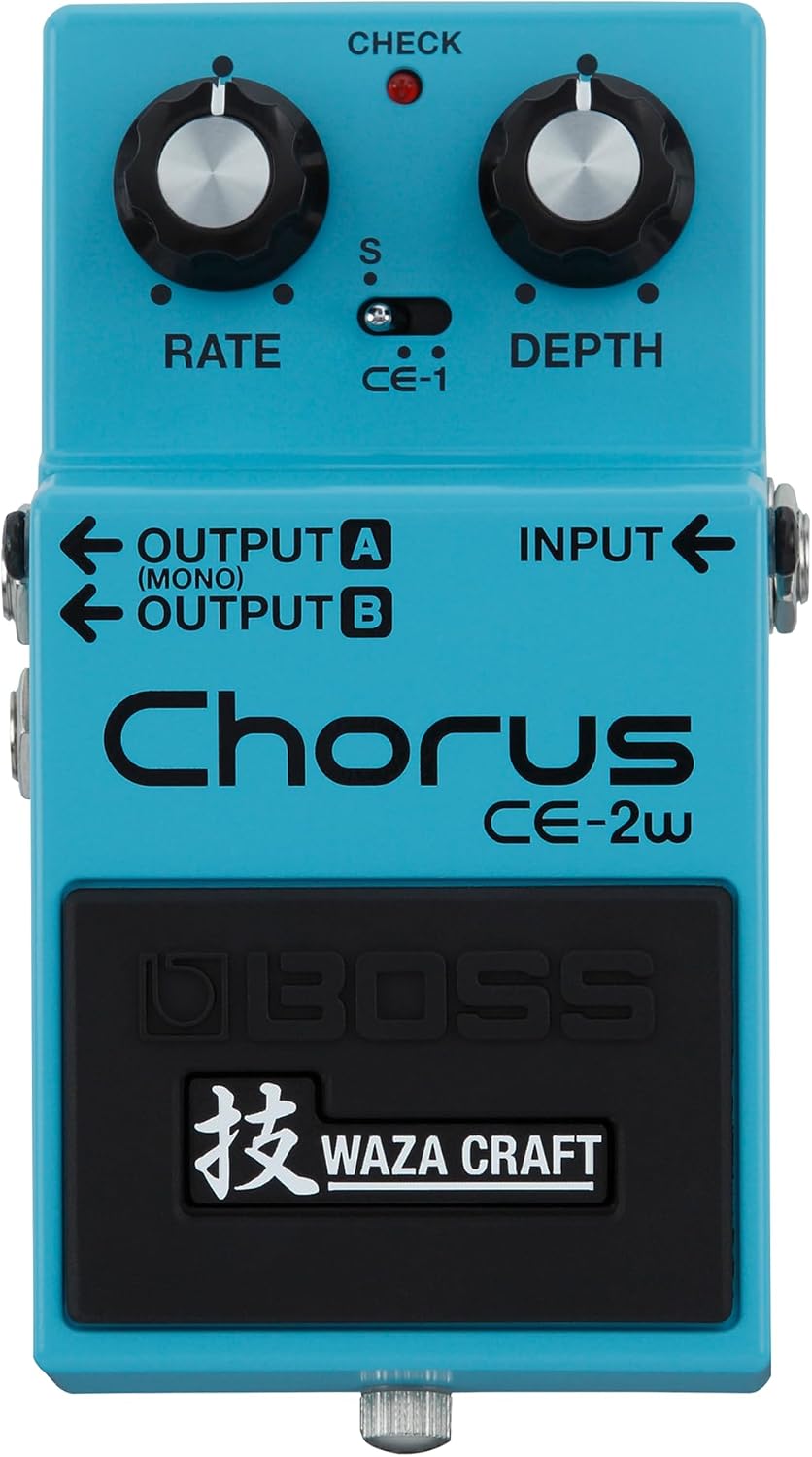 | 1.23 pounds | 6 x 3.8 x 2.65 inches | |
| MXR® Analog Chorus Pedal |  | 11.4 ounces | 2.6 x 5.5 x 4.4 inches | |
| TC Electronic Stereo Chorus Flanger Pedal SCF GOLD |  | 12 ounces | 4.96 x 3.74 x 1.93 inches | |
| Walrus Audio Fundamental Series Chorus |  | 8.4 ounces | 5.55 x 4.5 x 2.85 inches | |
| Donner Chorus Pedal - Tutti Love |  | 8.8 ounces | 6.6 x 4.7 x 2.6 inches | |
| Electro-Harmonix Small Clone Chorus |  | 1.3 pounds | 5.25 x 3.38 x 2.75 inches | |
| Electro-Harmonix Bass Clone Bass Chorus Pedal |  | 11 ounces | 6.25 x 3.2 x 5.65 inches | |
| POGOLAB Mini Analog Chorus Pedal |  | 5.9 ounces | 3.62 x 1.93 x 1.85 inches | |
| Donner Modulation Pedal - Mod Square Ⅱ |  | 8.8 ounces | 3.7 x 1.7 x 2 inches | |
| RVONE Analog Guitar Pedal with BBD Circuitry |  | 5.6 ounces | 3.62 x 1.93 x 1.81 inches |

bestguitarequipment.com is a participant in the Amazon Services LLC Associates Program, an affiliate advertising program designed to provide a means for website owners to earn advertising fees by advertising and linking to Amazon.com, and any other website that may be affiliated with Amazon Service LLC Associates Program.