You want a tight, professional guitar tone that isn’t ruined by hum, hiss, or pedalboard noise. Noise gates and suppressors do that work for you by removing unwanted background sounds while letting your playing breathe. In this guide you’ll find pedals that preserve dynamics and sustain, tame high-gain rigs, or give a budget-friendly clean-up for practice and gigging.
Options range from $21.99 to $202.50, so you can pick a solution that fits your rig and your budget. Read on to find the gate that keeps your tone intact and your silence truly silent.
| Category | Product | Score |
|---|---|---|
| 🏆 Best Classic | BOSS NS-2 | 92/100 |
| 🔬 Best Next-Gen Tech | BOSS NS-1X | 94/100 |
| ⭐ Best Multiband | TC Sentry | 95/100 |
| 🚀 Most Advanced | Decimator X | 98/100 |
| 🎯 Best For Simplicity | MXR Smart Gate | 86/100 |
| 💰 Best Value | EHX Silencer | 85/100 |
| 🔰 Best Ultra-Affordable | JOYO R-23 | 80/100 |
| 🔥 Best For Metal | Revv G8 | 88/100 |
| 💼 Best Compact | Donner Noise Killer | 82/100 |
| 🎯 Best Simple Mini | Rowin LEF-319 | 78/100 |
You need a gate that solves your particular noise problem without destroying tone or feel. We evaluated options for: transparency (how little the pedal colors your tone), response (attack/decay control and how natural the decay feels), routing flexibility (send/return or 4-cable method support), build quality and reliability, user interface (easy dialing for stage use), and value across price ranges. We also balanced use cases: high-gain rigs and djent players need precision and speed, gigging players need robust hardware and true bypass, and home players often prioritize price and compact footprint. Ratings reflect real-world behavior—how the gate preserves sustain, kills hum, and stays out of your way while you play.
If you’re tired of background hiss or amp hum stealing the quiet parts of your playing, the BOSS NS-2 is the kind of pedal that quietly gets the job done. You’ve got straightforward Threshold and Decay knobs to dial how aggressively it clamps down on noise, plus a send/return loop so you can keep reverb and time-based effects sounding natural.
It works great for practice, home recording, or tightening up a live rig full of noisy high-gain pedals — just set it and let it do its thing. It’s simple to use, built like a tank, and a handy tool to have on any pedalboard where preserving tone matters.
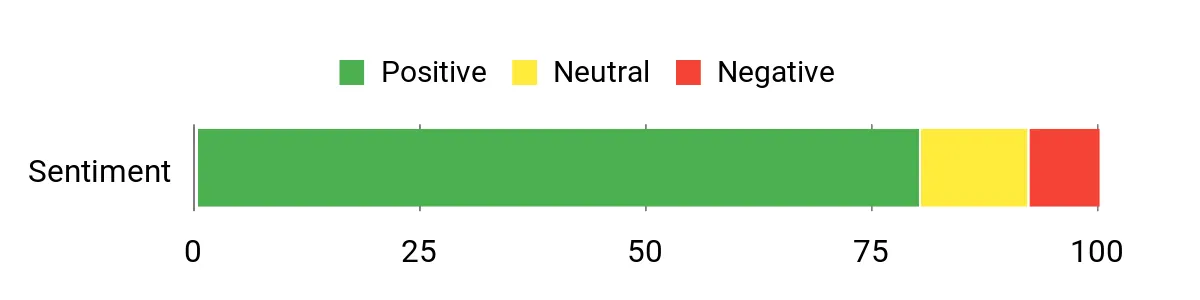
People often point out that the NS-2 removes background noise while keeping the natural attack and feel of the instrument. Many customers value the send/return feature for preserving reverb and delay tails, and several mention the pedal’s reliability and easy setup.
A few note it won’t fix wiring or power issues, but as a noise suppressor it’s widely seen as effective and straightforward.
Overall Sentiment: Positive
Use the correct 9 V power supply or battery specified by the manufacturer, and avoid mixing power sources. If you store the pedal for long periods, remove the battery to prevent leakage. Keep cables and connectors in good condition to prevent shorts.
The pedal’s electronics can last many years with normal use; batteries will age faster, so remove them if you won’t use the unit for a while. Store in a cool, dry place away from moisture and extreme temperatures.
If you want a no-fuss way to quiet down hiss and amp hum, the MXR Smart Gate is one of those pedals you’ll reach for first. You get a single sensitivity control plus three noise-reduction ranges, so dialing in a gentle clean-up for practice or a tighter clamp for gigging is fast and intuitive.
It reacts differently to long sustains versus short staccato notes, so you won’t lose the feel of a ringing chord unless you want to — which makes it useful for everything from bedroom practice and home recording to punchy live tones. It’s compact, built solidly, and honestly great when you just need to stop the noise without wrestling with a dozen menus; if you want simplicity that actually sounds musical, this is a very sensible pick.
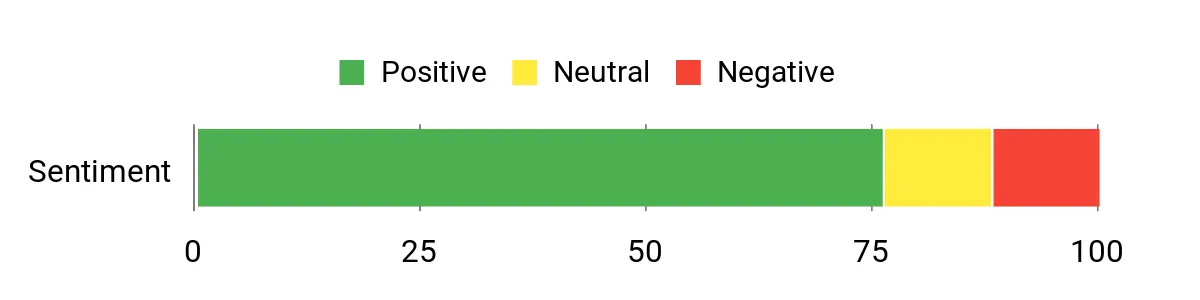
You’ll find most users praise how easily the Smart Gate cleans up hiss while keeping playing dynamics intact — people often mention the single control and three sensitivity settings as a real time-saver. Many note it handles high-gain rigs well and feels durable on a busy board.
A few users do say pushing the trigger very high can thicken the tone or reduce sustain, and there are occasional mentions of reliability issues, but overall customers appreciate the straightforward performance and tonal transparency.
Overall Sentiment: Positive
Use the recommended 9 V power supply or a fresh 9 V battery; avoid mixing battery and external power. Disconnect power when changing wiring or storing to prevent shorts.
Keep cables and jacks clean and undamaged to avoid noise or intermittent connections.
The pedal’s electronics are durable and can last many years with normal use; batteries will deplete faster and should be removed if you store the unit for long periods. Store in a cool, dry place away from moisture and extreme heat.
If you want a flexible, no-nonsense way to quiet your rig, the EHX Silencer is one of those pedals you’ll reach for when noise becomes a problem. You can run it inline to clean up everything before the amp, or use the effects loop to gate only noisy stompboxes while keeping your amp signal intact.
The three simple controls (threshold, release, reduction) give you a lot of control without feeling fiddly — from gentle studio cleanup to tight stage gating for punchy stops. It’s compact, battery-powered with buffered bypass, and a solid choice when you’re after a practical, workhorse noise gate that doesn’t overcomplicate dialing in silence.
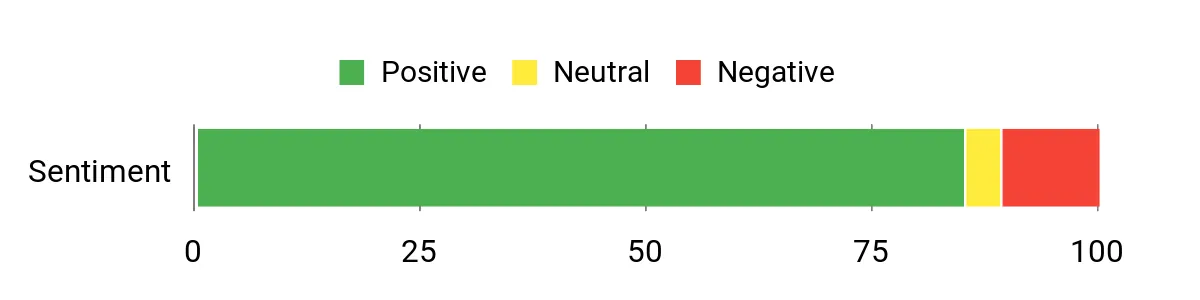
You’ll hear a lot of people appreciate how effectively the Silencer cleans up pedal and amp hiss without making things sound dead. Folks often highlight the loop option and the wide release range as practical features, while also noting it can take a little time to find the sweet spot for your setup. Many users point out it’s great value for what it does, with a few mentioning the sensitivity and buffer as things to be aware of when dialing it in.
Overall Sentiment: Positive
Use a proper 9 V power supply or the included 9 V battery; avoid using both at once. Disconnect power before re-patching or storing the pedal to prevent shorts.
Keep jacks and patch cables clean and free of corrosion to reduce noise and prevent intermittent connections.
The electronics are built to last with normal use; batteries will drain over time and should be removed if you store the pedal for long periods. Store the unit in a cool, dry place away from moisture and extreme heat to help preserve components.
If you’re looking for an easy, no-nonsense way to kill amp and pedal hum, the JOYO R-23 is the sort of small pedal you’ll reach for. You can wire it inline or use the 4-cable method to gate only the noisy parts of your chain, which makes it useful whether you’re practicing at home, tracking in a tiny studio, or tightening up stops on a gig.
The Hold and Release controls let you tune how long the gate stays open and how smoothly it closes, so you can go from natural decay to tight, chopped-off notes without chasing weird artifacts. It’s built in a metal alloy case, so it feels like it’ll handle life on a pedalboard, and for anyone wanting a simple, effective noise gate, it’s a practical little tool to keep around.
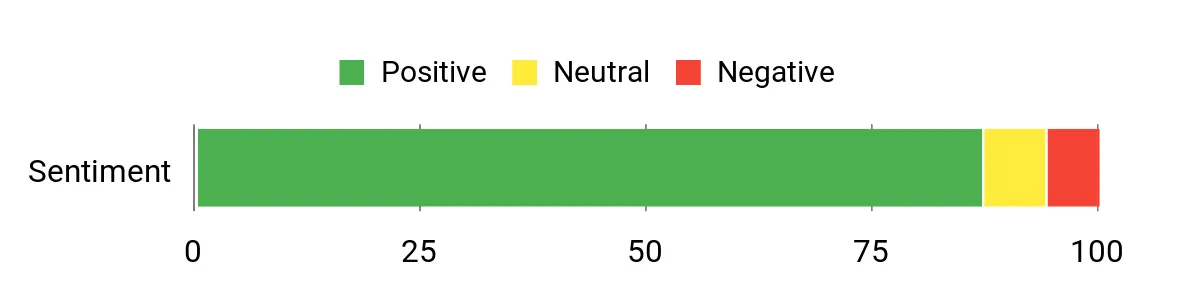
You’ll find most people like how effectively the R-23 tames background hiss and amp hum while keeping the core guitar tone. Users commonly mention that the 2/4-cable flexibility and the Hold/Release controls make it easy to slot into different setups, and the metal case gets nods for feeling solid.
A few folks note it can take a little time to find the sweet spot for threshold and timing, but overall the consensus is that it does exactly what a straightforward noise gate should do.
Overall Sentiment: Positive
Use a regulated 9 V DC adapter rated for the pedal and avoid connecting a battery and adapter at the same time. Disconnect power before re-patching your pedalboard to prevent shorts.
Keep jacks and cables clean and dry to avoid intermittent connections and corrosion.
Electronics are durable with normal use; remove any batteries if you store the pedal long-term to prevent leakage. Store in a cool, dry place away from direct sunlight and excessive humidity to preserve components and finish.
If you want a small, no-fuss way to tame pedalboard and amp hiss, this is the kind of pedal you'll grab. You can slap it at the front or end of your chain to keep unwanted noise under control during practicing, tracking, or playing live without swallowing the tone you worked for.
The Hard and Soft modes let you choose between an aggressive cut or a gentler, more natural decay, so it fits everything from choppy rhythm parts to sustaining leads. Because it’s tiny and built solid, it’s an easy fit on crowded boards and a handy tool to have for gigs, bedroom sessions, or quick studio runs — if you like simplicity that just works, this one’s worth keeping nearby.
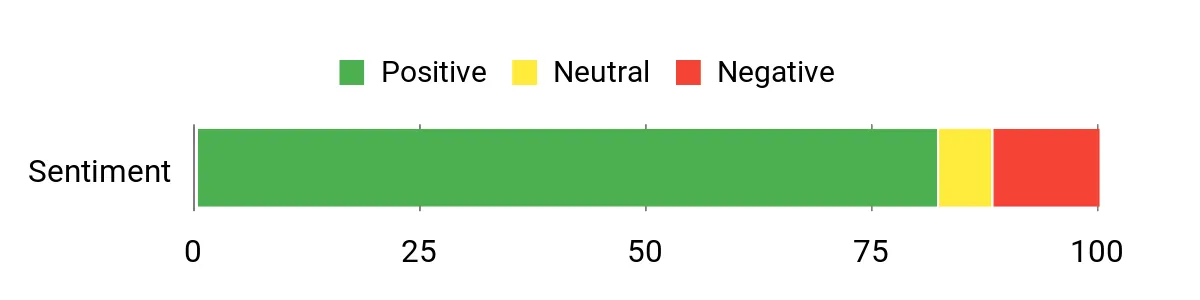
Most users like how effectively it cuts hum and background hiss without making the guitar sound thin — the true bypass and fast detection get consistent mentions. People also appreciate the small size and straightforward controls, which make it easy to fit on a crowded board and set up quickly.
A handful of users remind you to use a clean, regulated 9 V supply to avoid introducing noise, but overall the consensus is that it’s a simple, reliable fix for common noise problems.
Overall Sentiment: Positive
Use a regulated 9 V DC adapter rated for the pedal to avoid introducing power-related noise. Disconnect the adapter before re-patching your pedalboard to reduce the risk of shorts.
Keep the pedal dry and avoid exposing jacks and controls to moisture or corrosive environments.
With normal use electronics last many years; remove any batteries if you store the pedal long-term to prevent leakage. Store in a cool, dry place away from direct sunlight and high humidity to protect components and finish.
If you want a tiny, no-nonsense way to quiet down amp hiss and pedalboard noise, this Rowin is one of those grab-and-go pedals you’ll reach for. You can stick it at the front or end of your chain to tame unwanted background rumble when you practice, record at home, or play small gigs. The two modes let you choose a more aggressive cut or a gentler decay, so it can sit behind a high-gain stack or keep clean tones clear. It’s small enough to save space on crowded boards, built from metal so it feels solid, and simple enough that you can dial it in quickly — great when you just need noise gone without fuss.
You’ll often hear that people appreciate how much noise this little box can kill for its size — especially when running high-gain setups. Customers commonly mention the compact footprint and simple controls as big pluses for gigging or home rigs. At the same time, some users advise checking your power polarity and using a regulated 9 V supply, and a minority report occasional unit issues or variability between batches.
Overall Sentiment: Mixed

Use a regulated DC 9 V adapter with the correct center-negative polarity to avoid damage; the pedal notes it cannot be powered by batteries. Disconnect power before re-patching your board to reduce short risks.
Keep the pedal dry and avoid exposing jacks or controls to moisture or corrosive environments.
With normal use the electronics should last many years; unplug and remove any external power when storing long-term. Store in a cool, dry place away from direct sunlight and high humidity to protect internal components and the finish.
This little RVONE gate is the kind of pedal you reach for when you want to quiet amp hum and pedalboard noise without fuss. You can slap it at the front or end of your chain for practice, home recording, or small gigs, and the oversized threshold control makes it easy to find the sweet spot between a tight chop and a natural decay. The aluminum chassis feels sturdy on a crowded board, true bypass keeps your tone pure when it’s off, and the harmonic-preserving circuitry helps keep pick scrapes and sustain intact even when you’re taming high-gain rigs. For everyday use it’s great at cleaning up hiss and buzz; for a gig or quick session it’s small, reliable, and simple to dial in.
If you want a compact gate that won’t complicate your signal chain, this one’s a solid pick.
Most people like how compact and solid this gate feels and often call out the true bypass and aluminum case as reassuring perks. Customers frequently note it cleans up hum and high-gain noise while keeping playing dynamics intact, and that the threshold control makes the pedal simple to use.
A minority report occasional units with inconsistent gating or tuning quirks, and several remind you to use a proper 9 V center-negative adapter since one isn’t included.
Overall Sentiment: Mixed

Use a regulated DC 9 V adapter with center-negative polarity (the pedal does not include a power supply) to avoid damage. Disconnect power before rearranging patch cables to reduce short risks.
Keep the pedal dry and avoid exposure to moisture, spills, or corrosive environments.
With regular use and proper power handling, the electronics should last for years. Unplug any external adapter when storing long-term and keep the pedal in a cool, dry place away from direct sunlight and excessive humidity to protect the finish and internal components.
If you want a fuss‑free way to tame hiss and amp hum, this little SONICAKE gate is one of those pedals you’re glad to have on the board. You dial everything in with a single threshold knob and choose between a snappy or smoother release depending on whether you’re playing tight riffs or ambient passages.
It’s compact enough for cramped boards, leaves your tone intact thanks to true bypass and analog circuitry, and is ideal for practice, home recording, small gigs, or when you need a quick cleanup for a high‑gain patch. In short: if you want something simple that just gets the job done without messing with your dynamics, this is worth trying.
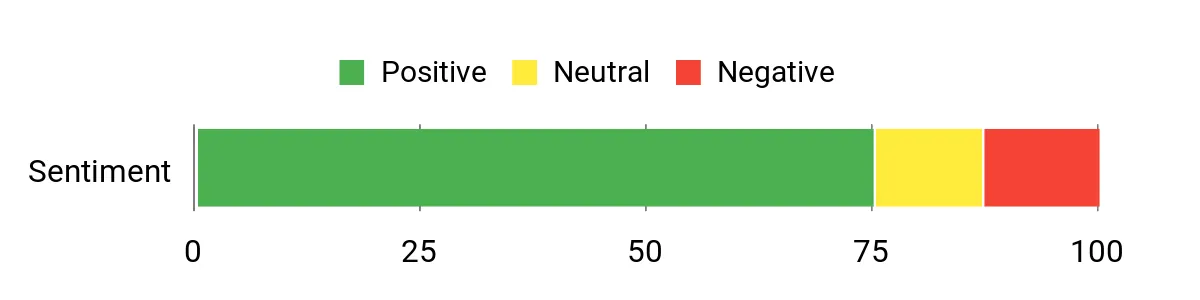
People tend to like how compact and straightforward this gate is — the single threshold control and the two mode options get mentioned a lot. Customers also appreciate the analog design and true bypass for keeping tone intact, and say it’s a handy board staple for cutting hiss without heavy tweaking. A few users note the small enclosure (no internal battery) and occasional ground‑loop hum in some setups, so it’s something to be mindful of when you wire your power chain.
Overall Sentiment: Positive
Use a regulated 9 V DC adapter with center‑negative polarity (power supply not included) to avoid damage. Disconnect power before adding or removing patch cables to reduce the chance of shorts. Keep the pedal dry and away from liquids or extreme humidity, and don’t force jacks — use proper cables and avoid yanking connectors.
With sensible power handling and normal gigging or practice use, the electronics should last for years. Unplug the adapter when storing long term, keep the pedal in a cool, dry place, and protect it from knocks and spills to preserve the finish and internal parts.
If you want a tiny pedal that quietly tidies up your signal without fuss, this Kmise noise gate is the kind of board addition you’ll reach for. You dial in noise suppression with familiar controls while true bypass keeps your clean tone intact when the effect’s off.
It’s small and light, so it slips onto a practice or travel board easily, and the simple control layout makes it handy for quick changes between practice, home recording and small gig setups. For weekend players and bedroom producers it’s a practical, no-nonsense way to cut hiss and amp hum without messing with your dynamics — and if you’re building a compact rig, this one’s worth trying.
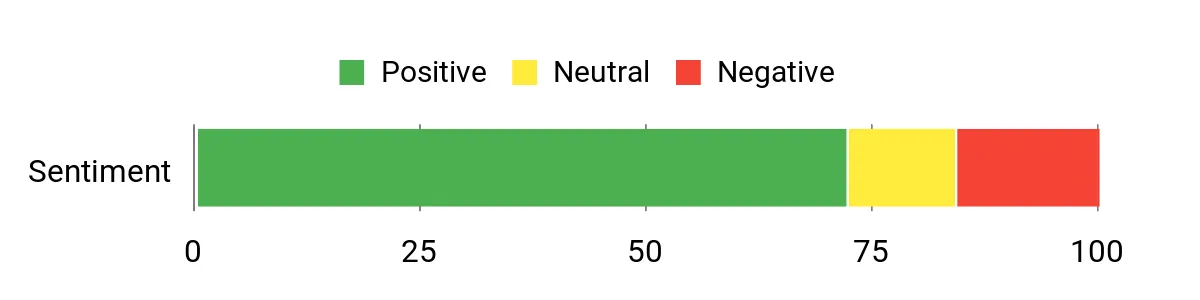
Customers commonly praise how much value is packed into such a small pedal — people mention the true bypass and simple controls as reasons their tone stays clear. Many like the build for casual use and the pedal’s usefulness in tightening high‑gain patches or cutting background hum.
A recurring practical note is that you’ll need a separate 9 V adapter and decent patch cables to avoid ground noise in some setups.
Overall Sentiment: Positive
Use a regulated 9 V DC adapter with the correct polarity (center‑negative) to avoid damage. Disconnect the adapter before plugging or unplugging instruments to reduce risk of shorts. Keep the pedal away from liquids and excessive humidity, and avoid forcing jacks or cables to prevent wear.
With normal use and sensible power handling the electronics should last for years. Unplug the adapter when storing long term, keep the pedal in a cool, dry case or bag, and protect it from drops and heavy knocks to preserve internals and finish.
If you’re fed up with hiss, hum and sputter stealing the focus from your playing, the Decimator X is built to quietly tidy that up without messing with your tone. You get ISP’s adaptive tracking tech, which reacts to both quick chugs and long sustains so you can keep articulation and feel while unwanted noise disappears.
It’s the kind of pedal you’ll reach for in rehearsal, home recording and louder gig situations — especially if you run high‑gain amps or single‑coil guitars that pick up 60‑cycle hum. The metal build and standard 9 V DC power make it easy to drop onto a pedalboard, and if you want a clean, professional signal without chasing tone loss, this is a solid pick to try.
People most often point out how effectively it kills hum and static without making their playing sound choppy or thin. Many users highlight the adaptive gate and how it maintains sustain and dynamics, making it useful for both aggressive high‑gain tones and cleaner single‑coil sounds. Build quality and straightforward integration into existing rigs are also common positives.
Overall Sentiment: Positive

Use a regulated 9 V DC adapter with the correct polarity (center‑negative) to avoid damage. Disconnect power before plugging or unplugging cables to reduce the risk of shorts.
Keep the pedal dry and away from liquids, and avoid applying excessive force to jacks or knobs to prevent wear.
With regular use and correct power handling the electronics should last for years. Store the pedal in a cool, dry place when not in use, unplug the adapter for long storage periods, and protect it from drops and heavy impacts to preserve internal components and finish.
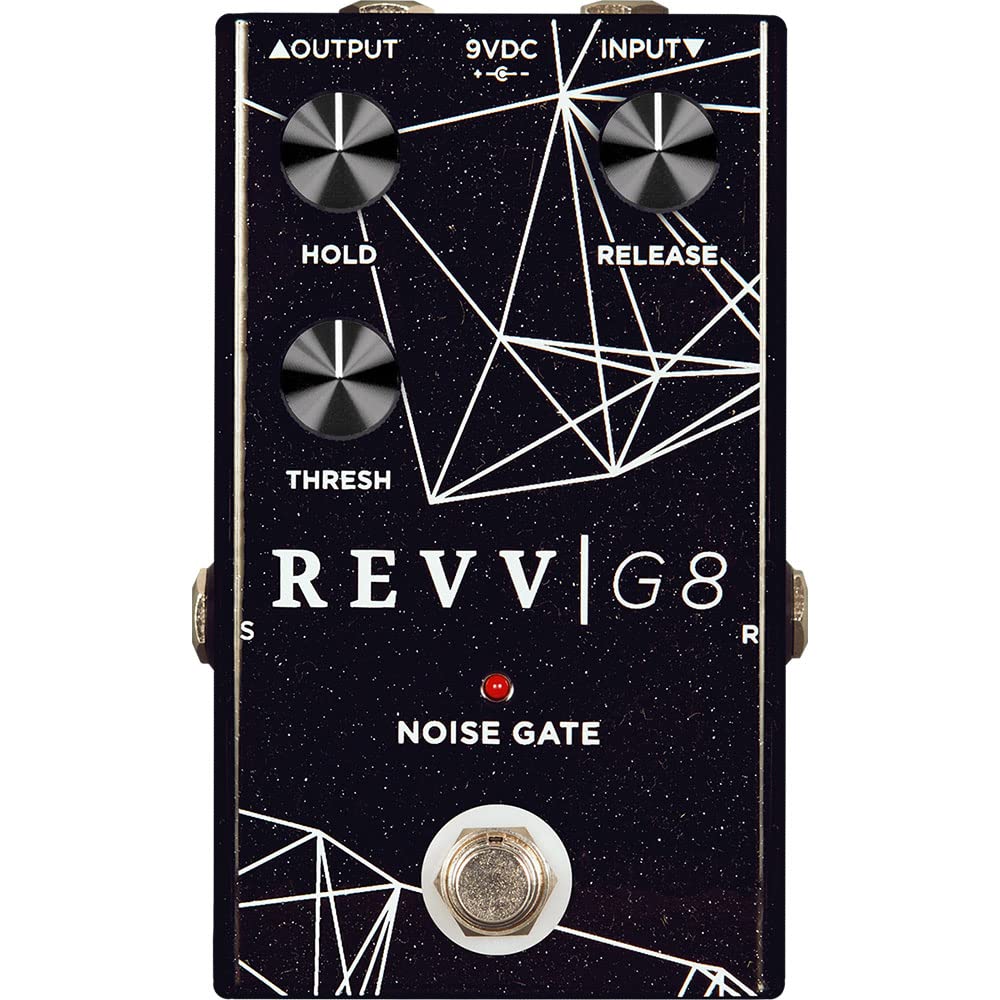
If you play heavier music or run a high‑gain rig, the Revv G8 is built to tame the chaos without stealing your tone. The Hold, Release and Threshold knobs give you precise, hands‑on control so you can dial a tight, natural cut between riffs or let notes breathe when you want sustain.
The dedicated send/return loop lets you isolate noisy pedals instead of nuking your whole chain, which makes it a handy choice for both practice and gig nights. It’s compact enough for a crowded board and runs on standard 9 V DC, so you can slot it into your setup easily — try it in the amp loop or with the four‑cable method if you want the most transparent results.
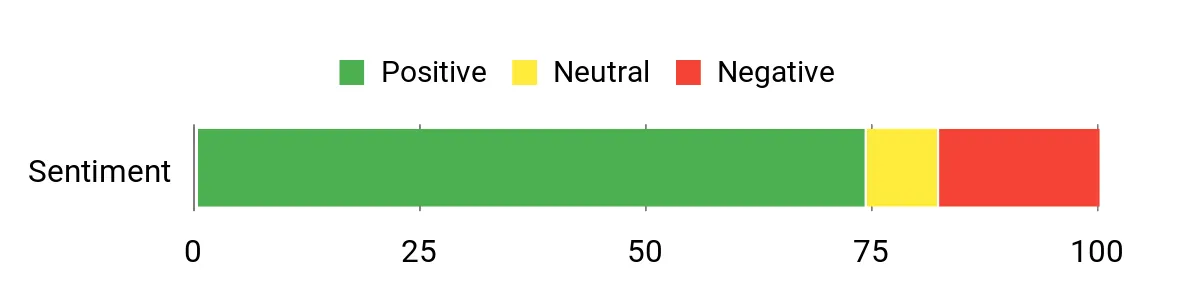
You’ll often see people praise how clean and transparent the G8 is, especially when used with an amp loop or the four‑cable method. Many customers point out the useful Hold and Release controls for getting a natural gate, while a smaller group mentions occasional choppiness, ringing, or a sensitive threshold that needs careful dialing. Overall, folks appreciate the tonal preservation and the send/return loop for dealing with noisy pedals.
Overall Sentiment: Positive
Use a regulated 9 V DC adapter with the correct polarity (center‑negative) to avoid damage. Disconnect power before plugging or unplugging cables to reduce the risk of shorts. Keep the pedal dry and away from liquids, and avoid applying excessive force to jacks or knobs to prevent mechanical wear.
With regular use and proper power handling the electronics should last for years. Store the pedal in a cool, dry place when not in use, unplug the adapter for long storage periods, and protect it from drops and heavy impacts to preserve internal components and finish.
If you’re juggling pedals, amps, and high‑gain tones, the NS‑1X feels like putting a friendly hand on the chaos. You can use Reduction mode for everyday playing and switch to Gate for ultra‑fast, tight chugs — the knobs (Threshold, Decay, Damp) are easy to tweak on the fly so you don’t have to be an engineer to get things sounding right.
The send/return loop is a practical lifesaver when you want to isolate noisy overdrives or distortions instead of nuking your whole chain, and Mute mode gives you a quick way to silence the instrument when you need it. There’s a reduction indicator so you can actually see what the pedal’s doing, plus a DC Out if you want to power other pedals (needs BOSS PSA/PCS cable).
For practice, recording, or a crowded gig board, it’s built to stay transparent while cutting hiss and hum — try the four‑cable method or the loop for the cleanest results.
People commonly mention how well the NS‑1X preserves the natural guitar or bass tone while removing hum and hiss. Many users highlight the send/return loop and the four‑cable method as game changers for noisy pedal chains, and they like the clear, hands‑on controls for dialing in the gate.
A few note a short learning curve to get the settings perfect for different rigs, but overall comments point to strong build quality and reliable performance.
Overall Sentiment: Positive

Use a regulated 9 V DC adapter with the correct center‑negative polarity; the DC Out requires BOSS PSA/PCS accessories if you intend to power other pedals. Disconnect power before plugging or unplugging cables to reduce the risk of shorts. Keep the unit dry and avoid heavy impact to the jacks and knobs to prevent mechanical damage.
With normal use and proper power handling the NS‑1X should last many years. Store the pedal in a cool, dry place when not in use, unplug the adapter for long storage, and protect it from drops and moisture to preserve electronics and finish.
If you want a noise gate that actually disappears into your signal, the Sentry is one you’ll enjoy dialing in. You can choose multiband 'Hiss' for transparent, frequency-aware suppression or flip to the harder 'Gate' mode when you need a tight cut for chugs and high‑gain parts. The send/return loop makes it easy to tame noisy overdrives without killing the rest of your chain, and TonePrint lets you dive deeper if you like to tailor parameters beyond the top‑panel knobs.
For daily practice it keeps hiss at bay; for rehearsal, recording, or a loud gig it gives you control without coloring your tone — worth trying the four‑cable method if you want the cleanest results.
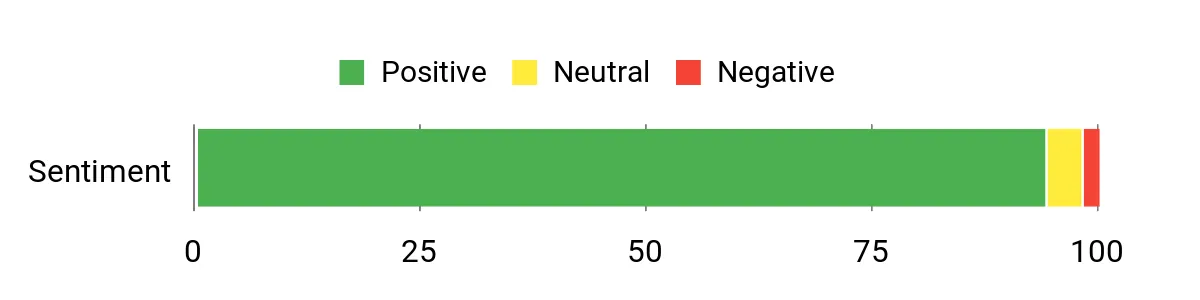
You’ll see most users praise how effectively the Sentry cuts hiss and hum while leaving the core tone intact, especially when using the effects loop with noisy drives. Folks also highlight TonePrint as a big plus for customization, though some mention the desktop/software interface and documentation could be clearer.
Overall people report reliable performance across practice, booking studio time, and gigging.
Overall Sentiment: Positive
Use a regulated 9 V DC adapter with the correct polarity and disconnect power before plugging or unplugging cables. Avoid exposing the pedal to moisture or extreme temperatures, and be gentle with jacks and knobs to prevent mechanical damage.
If using the USB port, connect only to trusted hosts and avoid wet or static-prone environments.
With normal use and care the Sentry should last many years. Store it unplugged in a cool, dry place when not in use, avoid heavy impacts, and remove the power adapter for long storage to protect the electronics.
You’ll like how straightforward the KULT is: one sensitivity knob and a hard/soft mode switch give you practical control without a steep learning curve. It’s built to tame hum and buzz from high‑gain pedals so your riffs and chords come through clearer, whether you’re practicing at home, tracking in a small studio, or tightening up a rehearsal.
The compact footprint and included rubber feet make it easy to drop onto a pedalboard, and the durable build feels like it will survive regular gigging. If you want a no‑fuss gate that cleans up noisy rigs and doesn’t demand a tech manual to use, this is a solid, budget‑minded pick.
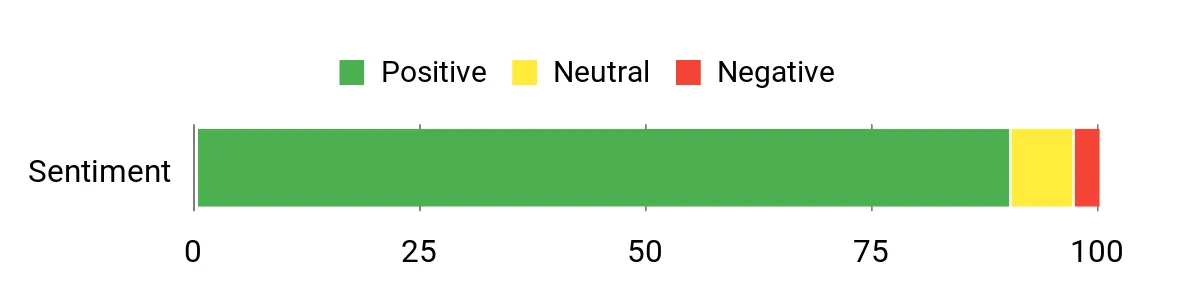
People tend to appreciate how well the pedal reduces unwanted noise while keeping the core guitar tone intact, and many call out the wide threshold range as useful for different gain levels. Users also like the simple controls and rugged feel, though a few note the side power‑jack placement can make cable routing a little awkward.
Overall, feedback centers on reliable performance and easy integration into a pedalboard.
Overall Sentiment: Positive
Use a regulated 9 V DC adapter with the correct polarity and disconnect power before plugging or unplugging cables. Keep the pedal away from moisture and extreme temperatures, avoid heavy impacts, and be careful not to yank patch cables to protect the jacks and internal components.
With normal use and basic care this pedal should last for years. Store it unplugged in a cool, dry place, remove the power supply for long-term storage, and wipe the exterior with a soft, dry cloth to keep contacts and controls in good shape.
You’ll find the Iron Curtain is refreshingly simple: two knobs (threshold and decay) let you shape how aggressively it cuts noise and how smoothly it releases. A switch lets you choose between muting the signal completely or just lowering the background hiss, and the true‑bypass plus metal chassis mean your tone and build quality feel reliable.
It’s great for practice, tightening up a rehearsal, or cleaning signals in a small studio session, and the compact footprint slots onto a pedalboard without drama. If you want a straightforward gate that gets rid of hum and keeps setup time short, this one’s an easy choice.
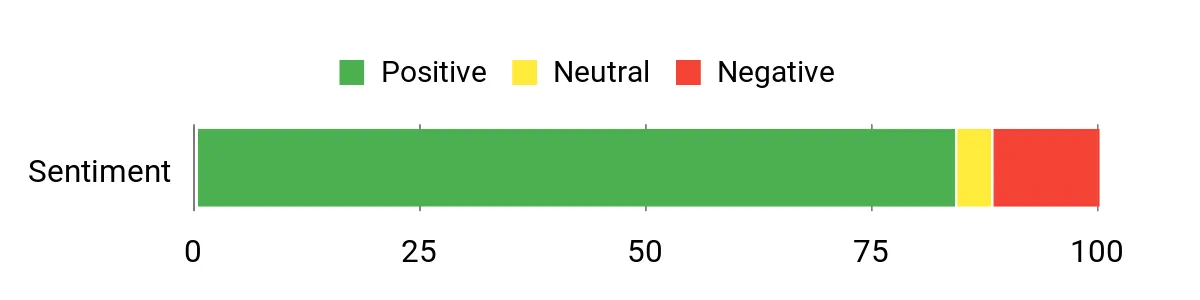
Most people like how solidly built the pedal feels and how straightforward the controls are — it’s the kind of unit you can set and forget. Many users say it cleans up noisy rigs and plays nicely in front of other effects, though a number note it can be less transparent with very high‑gain setups or change the feel of attack and sustain in some chains.
Overall Sentiment: Positive
Use a regulated 9 V DC adapter with the correct polarity and disconnect power before plugging or unplugging cables. Keep the pedal away from moisture and extreme temperatures, avoid heavy impacts, and don’t yank patch cables to protect the jacks and internal components.
With normal use and basic care this pedal should last for years. Store it unplugged in a cool, dry place, remove the power supply for long‑term storage, and wipe the exterior with a soft, dry cloth to keep contacts and controls in good shape.
You should focus on how the gate will interact with your specific setup: identify whether the problem is single-coil hum, amp buzz, or pedal hiss, then look for a pedal with the features that match that problem. Choose a unit with an effects loop / 4-cable method if you want to tame noisy drive/distortion pedals without killing your front-end tone, or a simple inline gate if you just need basic cleanup.
Pay attention to controls like Threshold and Release/Decay so you can dial transparency versus cut-off, and prefer true-bypass or a known buffer behavior if you care about your signal chain. Finally, make sure the pedal accepts a standard isolated 9V supply and has the physical layout and size that fit your board — these practical details keep setup painless and reliable.
You will only lose sustain if the gate is set too aggressively, so you should treat the Threshold and Release/Decay knobs as tone-preservation tools rather than simply noise killers. Start with a conservative Threshold and lengthen the Release until natural decays come through, consider multiband or reduction modes for more transparent action, and use a gate's loop or the two/4-cable method so the gate listens to the right part of your chain.
Also use any available trail or reduction modes to keep reverbs and delays from being abruptly cut; when you set the pedal correctly it removes noise without stealing the musical sustain you rely on.
You should start by isolating the source: mute pedals or unplug the guitar to see whether noise comes from the amp, a pickup, a pedal, or power. Once you know the source, place the gate after the noisy element or put noisy pedals in the gate's send/return and try the 4-cable method for amp loop gating; then set Threshold low and slowly raise it until the noise drops without clipping notes, and adjust Release to avoid choppy cutoffs.
Use an isolated power supply and quality shielded cables to eliminate ground loops and power-borne noise, and remember a gate cannot fix bad house wiring or severe RFI — if hum persists after proper placement and tuning, check grounding at the amp or try a power conditioner. With these steps you’ll get quiet breaks and preserve your tone so you can focus on playing with confidence.
Matching the right noise gate to your rig will transform how you hear yourself and how your band hears you. If you want transparent, studio-grade noise suppression with flexible routing, pick a multiband or next-gen unit like the TC Sentry or BOSS NS-1X.
If you need the ultimate tone-first performance for extreme gain, the Decimator X is the most advanced choice. If you’re tightening up a practice board or need a compact solution for gigs, the Donner, JOYO, or Rowin options give the clean-up you need at a low cost.
Use this list to decide by priority: preserve tone, control sustain, or save space and money — and you’ll end up with a quieter, more professional sound that lets your playing stand out.
| Product | Image | Noise Reduction Method | Key Highlights |
|---|---|---|---|
| BOSS NS-2 Noise Suppressor Guitar Pedal |  | Analog noise reduction with user-adjustable threshold. |
|
| MXR Smart Gate Noise Gate |  | Three selectable types of noise reduction. |
|
| Electro-Harmonix Silencer Noise Gate & Effects Loop Pedal |  | Gates noise while retaining natural note decay. |
|
| JOYO Noise Gate Pedal |  | Basic analog noise gating. |
|
| Donner Noise Gate Pedal | 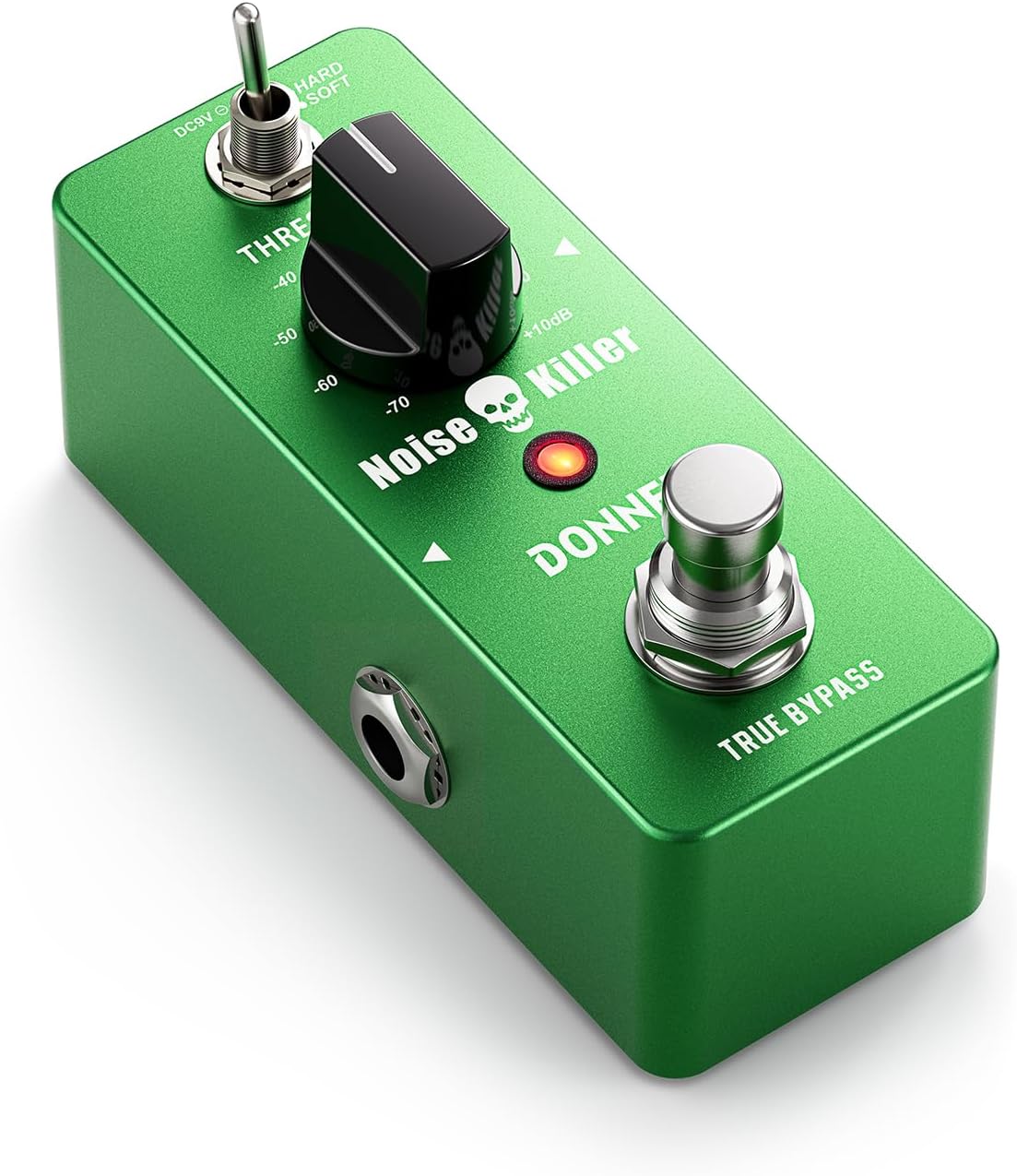 | Analog noise suppression. |
|
| Rowin Guitar Noise Killer |  | Basic noise gating. |
|
| RVONE Intelligent Noise Suppressor Pedal |  | Adaptive dynamic noise suppression. |
|
| SONICAKE Noise Gate Pedal |  | Traditional analog noise gating. |
|
| BOSS NS-1X Noise Suppressor |  | Next-gen digital noise reduction. |
|
| ISP Technologies Decimator X |  | Adaptive noise reduction technology. |
|
| TC Electronic SENTRY |  | Multiband noise gating. |
|

bestguitarequipment.com is a participant in the Amazon Services LLC Associates Program, an affiliate advertising program designed to provide a means for website owners to earn advertising fees by advertising and linking to Amazon.com, and any other website that may be affiliated with Amazon Service LLC Associates Program.