You want a pedal that helps you practice more, write better songs, or finally play live without hauling a pedalboard. Choosing the right multi-effects processor matters because it can accelerate your progress, simplify your rig, and keep your creative momentum. This guide helps you match your goals — practice, portability, tone, or recording — to pedals that actually deliver the features you’ll use.
| Category | Product | Price | Score |
|---|---|---|---|
| 🏆 Best Overall | POD Go | $499.99 | 95/100 |
| 🔰 Most Feature-Rich | Valeton GP200 | $349.99 | 92/100 |
| 🎨 Most Versatile | Donner Arena | $229.99 | 88/100 |
| ⭐ Best Portable | Mooer GE150 | $159.00 | 90/100 |
| 🎯 Best for Beginners | BOSS GT-1 | $169.99 | 89/100 |
| 💰 Best Value | Zoom G1X | $99.99 | 87/100 |
| 💸 Best Practice | Mooer GE100 | $85.99 | 82/100 |
| 🎒 Best Travel | Pocket Master | $64.99 | 80/100 |
| 🎵 Best for Bass | Zoom B1X | $99.99 | 86/100 |
| 🚀 Best Compact | Valeton GP-5 | $79.99 | 83/100 |
You should expect a good multi-effects pedal to balance tone, usability, and value. We prioritized: tone and amp/cab modeling (does it give you usable sounds out of the box and room to tweak?), workflow and controls (can you edit quickly or on a phone/computer?), portability and power options (battery or USB for on-the-road practice), built-in tools you’ll actually use (tuner, looper, drum machine), connectivity (balanced output, USB, MIDI/IR support), and price-to-features (how much capability you get for the money). Each pick targets a different priority so you can pick the one that helps you reach your New Year goals.
If you want one box that helps you practice, sketch song ideas and mess around with tones, the GE100 is a practical companion. You can run it on a 9V adapter or batteries, plug headphones straight in for quiet practice, and use the 180-second looper with the drum machine to build backing parts without a computer.
The large screen and saveable user patches make it less fiddly than tiny pedals, and the scale/chord lesson mode is a neat bonus when you're trying to learn something new. For daily practice and small home jams it’s really convenient; for bigger gigs it’s more of a backup or practice tool, but still useful for quick setups.
Customers commonly praise the GE100 for packing a lot of useful features into a single, compact unit — especially the looper, drum patterns and the big screen. People also like the ability to save and tweak presets, calling it great for practice and hobby gigs. Frequent caveats are uneven preset volume levels, the plastic feeling of the expression pedal and occasional firmware/driver or region-related charger issues.
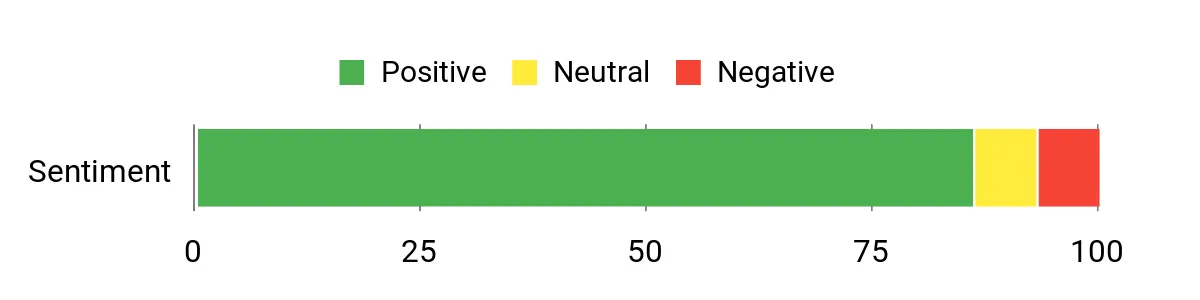
Overall Sentiment: Positive
This pedal works for quiet daily practice with headphones, songwriting sessions using the looper and drum machine, and quick jam setups. Because it can run on batteries, it’s also handy for practicing away from the studio or as a simple on-stage backup.
The GE100 mixes a long looper, a 40-pattern drum machine and built-in learning tools with assignable expression parameters and an adjustable output mode. That combination lets you practice, arrange and perform without jumping between multiple devices.
| Feature | Customization Level |
|---|---|
| Preset Patches | High |
| Effects Modules (66 types) | Extensive |
| Expression Pedal Assignments | Moderate |
| Looper & Drum Patterns | High |
| Output Mode (Line/Amp) | Moderate |
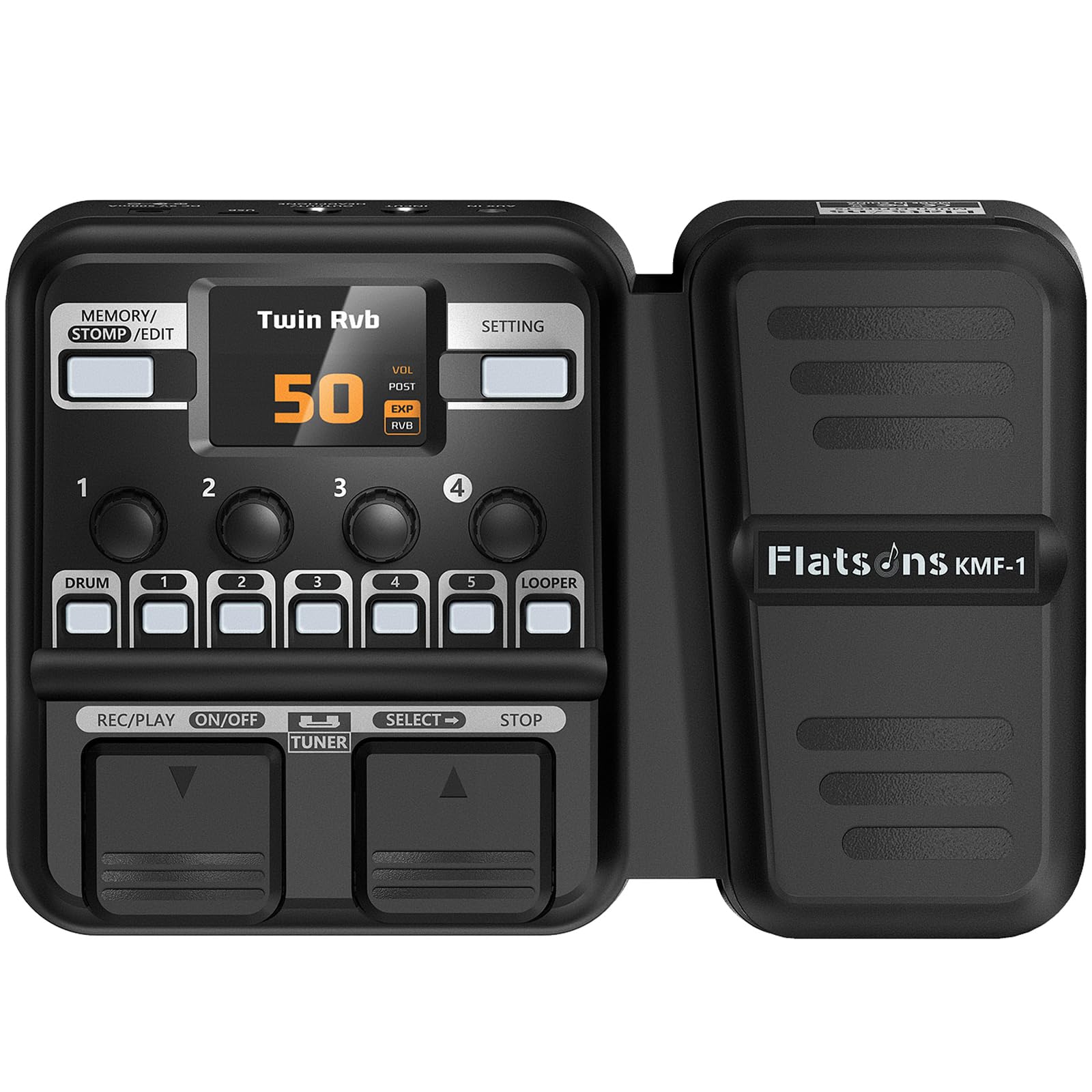
If you want one box that gets you into tone-shaping without hauling a pile of stompboxes, the KMF-1 is a solid pick. You can plug headphones straight in for quiet practice, run it on a 9V adapter or six AAs when you’re away from the studio, and use the built-in looper and drum rhythms to sketch ideas or practice timing. The 50 saved patches and Stomp/Edit workflow let you switch instantly between full rigs or single-pedal setups, and the 2-in-1 expression pedal gives real-time control over wah, volume or other assignable effects. For daily practice, songwriting sessions, or as a compact backup for small gigs, it covers a surprising amount of ground — especially if you care more about features than brand cachet.
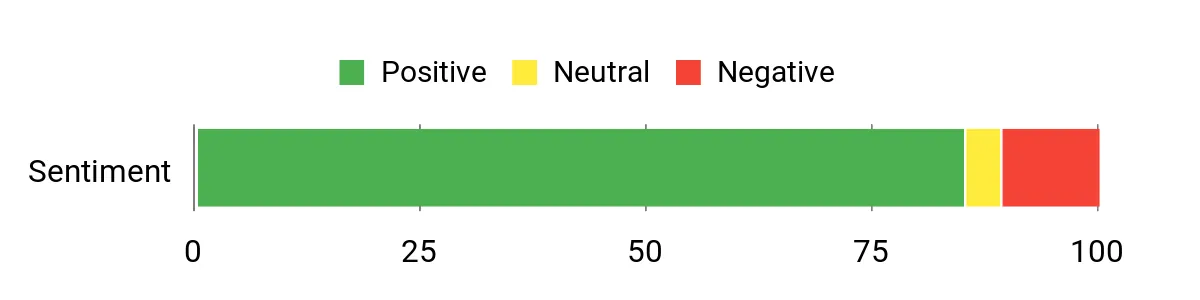
Buyers often highlight how much you get in a single unit — the variety of effects, the amp and cab options, and the handy drum rhythms and looper consistently get mentioned. Many find it beginner-friendly out of the box thanks to presets, and people appreciate battery use and headphone output for silent practice.
Common downsides noted by users include a learning curve with the button layout and occasional unit issues, but many say good support or a replacement fixed those problems.
Overall Sentiment: Positive
Use it for quiet home practice with headphones, songwriting with the looper and drum machine, and quick gig setups where you need a range of tones without a big rig. The USB connectivity and cab simulation also make it useful for simple recording or playing through powered speakers.
The KMF-1 packs advanced DSP features like IR-based cab simulation and multi-block Stomp/Edit routing into a value-minded floor unit, plus a 2-in-1 expression pedal that can control several parameters. That combo gives you studio-style cabinet options alongside hands-on performance controls.
| Feature | Customization Level |
|---|---|
| Preset Patches | High |
| Amp & Cabinet Models (18 each) | Extensive |
| Effects Blocks / Stomp Mode | Extensive |
| Expression Pedal Assignments | Moderate |
| Looper & Drum Patterns | High |
If you want a no-nonsense box that gets you great tones without a big rig, the GT-1 is designed for you. You can run it on four AAs for busking or put it in your gig bag for small shows, then plug it into a laptop via USB when you want to record or fine-tune patches. The Easy Select and Easy Edit modes make hunting for a usable sound straightforward, and the assignable switch plus expression pedal give you real-time control during a song. For daily practice, quick songwriting sessions with the looper, or a compact backup for rehearsals and small gigs, it’s an approachable, well-built option that keeps the focus on playing.
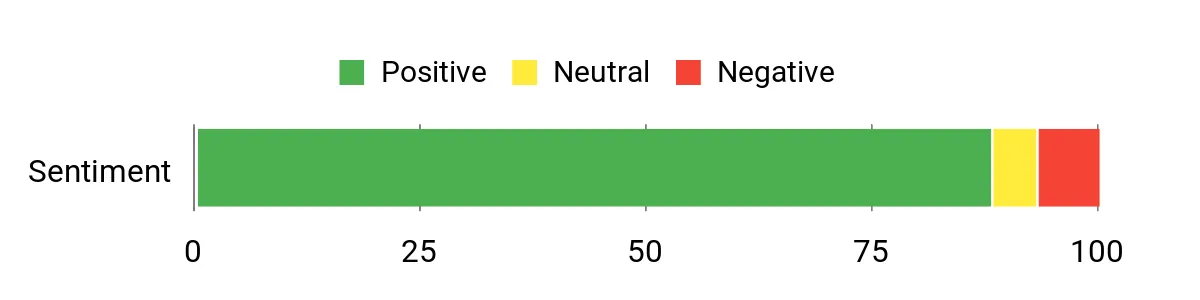
Most buyers praise the tone quality and compact build — people keep coming back to how well it reproduces classic Boss drives and amp characters. Users also appreciate the portability and the convenience of downloadable pro patches and desktop editing. Common caveats mentioned are the short looper time and the occasional need to tweak output levels or presets for consistent volume.
Overall Sentiment: Positive
Use it at home with headphones for quiet practice, run battery-powered busking sets, or slot it into a small live setup as your all-in-one effects solution. The USB connection also makes it handy for simple direct recording or plugging into a laptop for patch management.
The GT-1 squeezes a flagship-class GT-series sound engine into a small, rugged floor unit and pairs that with Quick Edit workflows and Tone Central integration. That mix gives you high-quality amp sims and easy access to pro patches in a package that’s genuinely portable.
| Feature | Customization Level |
|---|---|
| Preset Patches | High |
| Amp Models / Drive Types | Extensive |
| Effects Blocks / Stomp Routing | Extensive |
| Expression Pedal Assignments | Moderate |
| Boss Tone Central (downloadable patches) | Moderate |
If you want a compact box that stretches your practice time and keeps gig prep simple, the G1X Four is a strong pick. You get loads of effects and amp sims in a small, battery-powered package, plus an expression pedal and a handy looper and drum machine for songwriting or solo practice.
It’s light enough to toss in a bag for rehearsals or take to open mics, yet capable enough to sit in a small live rig or home studio. For everyday practice, quick idea-capture, and travel-friendly sessions, it’s a practical, no-fuss companion you’ll keep reaching for.
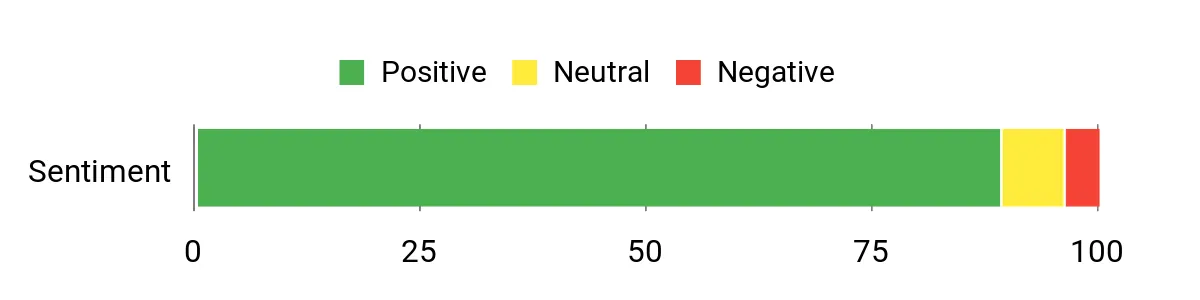
You’ll notice most users highlight how much sound you get for the size — people like the variety of effects, the expressive pedal control, and the looper/drum features for practicing or sketching ideas. There’s also appreciation for the battery operation and simple interface, while a common caveat is the need to swap effects with the editor when you want different combinations or to avoid maxing out the processor.
Overall Sentiment: Positive
Use it at home with headphones for late-night practice, pair it with an amp for small gigs, or plug a phone into the aux to jam along with tracks. It’s equally handy for processing synths or electric guitars in a bedroom studio, and the battery power makes it useful for street playing or quick rehearsals where outlets aren’t handy.
The G1X Four packs expression control, a looper and a drum machine into a compact, battery-friendly floor unit, which makes creative play and practice more immediate. Its simple workflow and on-board performance tools give you more than just effects — it’s built to help you write, rehearse and perform without a big setup.
| Feature | Customization Level |
|---|---|
| Preset Patches | High |
| Effects Blocks (up to 5 at once) | Moderate |
| Expression Pedal Assignments | Moderate |
| Looper / Drum Patterns | Basic |
| Desktop/Editor Software (swap effects) | Moderate |
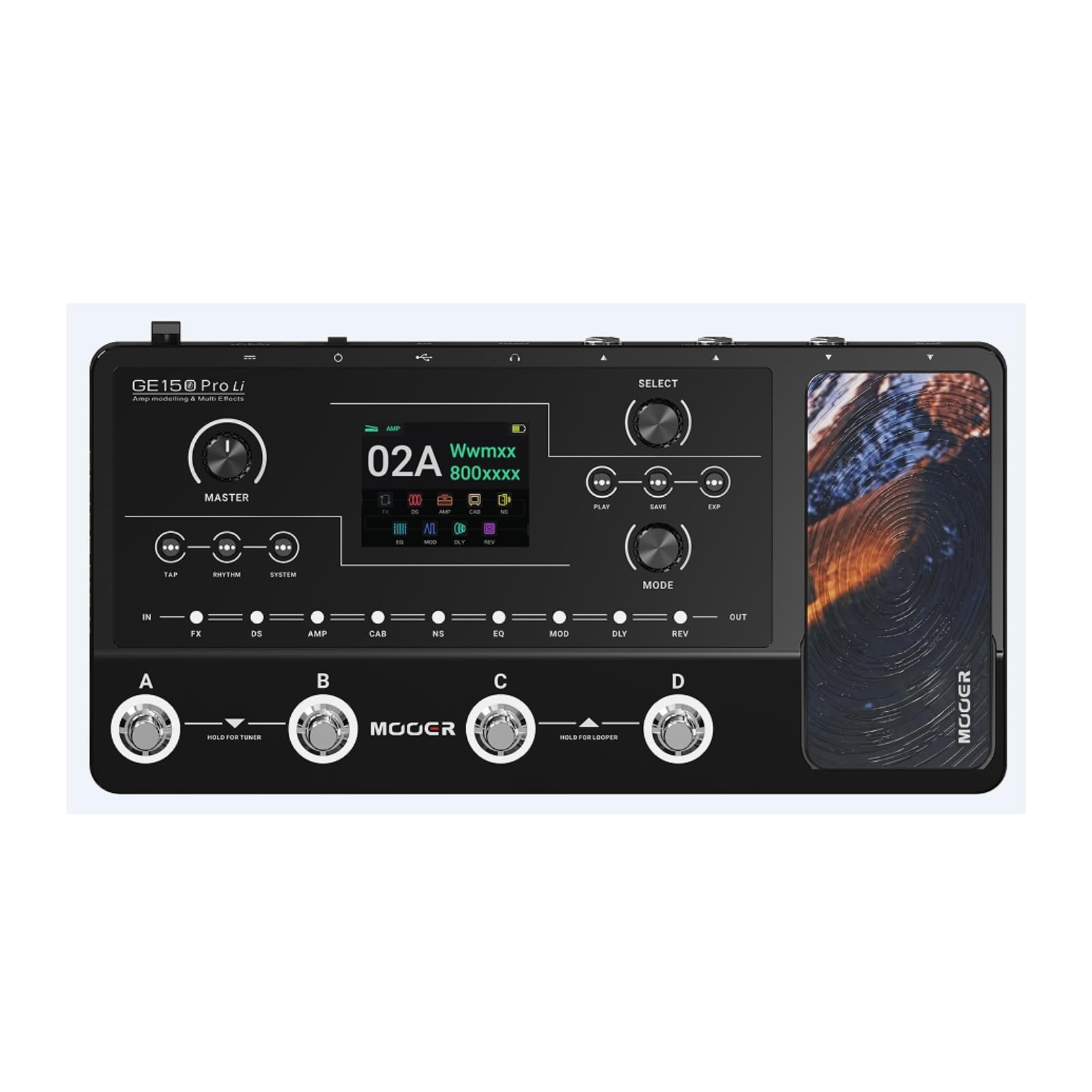
If you want a compact floor unit that actually gets you playing, the GE150 Pro is a smart pick. You get a large palette of amp and cab models (with IR support), an 80‑second stereo looper and built‑in drum machine you can trigger from the four footswitches, plus an expression pedal for real‑time control. The USB‑C OTG recording makes it easy to capture ideas on your phone or laptop, and the rechargeable Pro Li option lets you take it outside without hunting for outlets.
For day‑to‑day practice, quick songwriting sessions, busking or a pared‑down gig rig, it’s one of those pedals you’ll find yourself grabbing first.
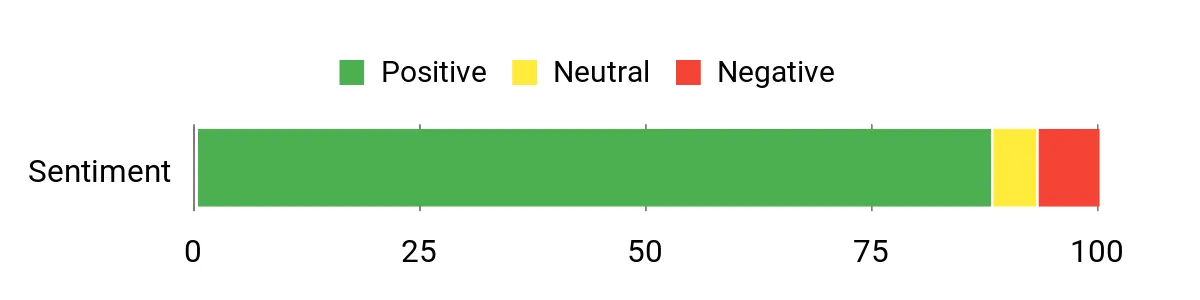
Customers generally praise how much usable tone and performance features come in a small package — the amp sims, looper and drum machine are often called out as especially handy. People also like the portability and USB‑C recording, while a recurring note is that the expression pedal feels a bit light and some factory presets reward a little tweaking.
Overall Sentiment: Positive
You can practice at home through headphones, jam with backing drums and the looper, plug into a PA or FRFR for small gigs, or record directly to your phone via USB‑C. It’s equally useful for quick idea capture, outdoor playing when you don’t want to haul an amp, and as a compact backup rig for travel.
The GE150 Pro mixes MNRS modelling with IR loading, a true stereo looper and a built‑in drum machine — all controllable from four multi‑purpose footswitches. That blend of realistic amp/cab options and performance tools, plus OTG recording and a rechargeable option, makes creative work and on‑the‑go recording feel frictionless.
| Feature | Customization Level |
|---|---|
| Preset Patches | High |
| Amp/Cab IR Loader | High |
| Expression Pedal Assignments & Toe Tap Mapping | Moderate |
| Footswitch Functions / Mapping | Moderate |
| Looper / Drum Patterns | Basic |
If you want a single box that covers practice, recording and compact gigging, the Arena makes that easy. You get a huge library of effects and amps plus long‑resolution IR loading for more realistic cabinet tones, a 60‑second looper and 40 drum patterns so you can sketch ideas or play as a one‑person band. Balanced XLR outputs, MIDI and USB‑C/OTG mean you can plug into a PA, record to a laptop or capture ideas on your phone, and the mobile/desktop editors make sound‑design painless. The expression pedal and customizable CTRL mode give you usable realtime control during practice or shows, so it’s a solid pick whether you’re working on songs at home or stepping up to small stage setups.
Most users appreciate how much functionality Donner packed into a compact unit — the amp and cab modeling, IR support and the variety of effects come up often as highlights. People also value the XLR output and phone/computer editing as practical conveniences for recording and small gigs. Recurring notes mention the touch buttons can be sensitive and a few users report hiss on hotter settings, but overall customers are impressed by the flexibility for practice, demos and lightweight live rigs.
Overall Sentiment: Positive
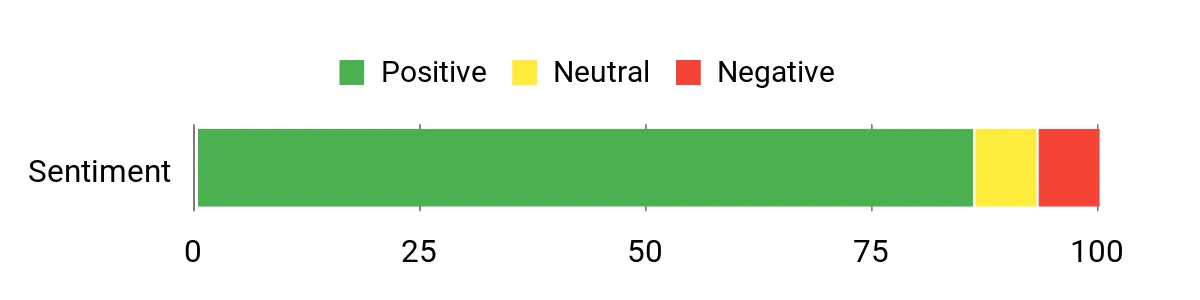
You can practice quietly at home with headphones, build full demo ideas using the looper and drum machine, record directly over USB‑C for quick sketches, or send a balanced feed to a PA via XLR for small shows. It works as a travel‑friendly backup rig, a bedroom studio tool and a one‑person performance box.
The Arena leans on FAVCM audio processing and 24‑bit/44.1 kHz fidelity plus a long IR resolution (up to 23.2 ms) to deliver cabinet and room character that feels less digital and more organic. Pair that with Bluetooth/USB editing, dual expression control and flexible output routing, and the unit delivers studio‑style features in a pedalboard‑friendly package.
| Feature | Customization Level |
|---|---|
| Preset Patches & Effects Chain | High |
| IR Loader / Cab Simulation | High |
| Amp/Cab Modeling & Mic Placement | High |
| Expression Pedal & CTRL Mode Assignments | Moderate |
| Footswitch Mapping / Mobile App Editing | Moderate |
If you play bass and want a single, portable box to explore tones, this is a handy companion. You get 70+ effects, 13 amp emulators, an expression pedal for realtime wah/volume/pitch moves, a looper and a rhythm section — plus a tuner — so it covers practice, sketching ideas and small gigs. It runs on 4 AA batteries for long practice sessions or via USB when you’re at a computer, and the simple screen plus Guitar Lab editing make tweaking patches painless.
For home use, busking or as a compact backup on stage, it’s easy to live with and fun to experiment on, especially if you like trying different amp and filter textures.
Most players like how much tone you get in such a small unit — the amp sims, compressors and filter effects come up a lot as highlights. People also praise the expression pedal, the handy tuner and the looper for practice. Common caveats are the plastic chassis (so handle it gently) and that some presets need a little tweaking to sit right through a PA or FRFR setup.
Overall Sentiment: Positive
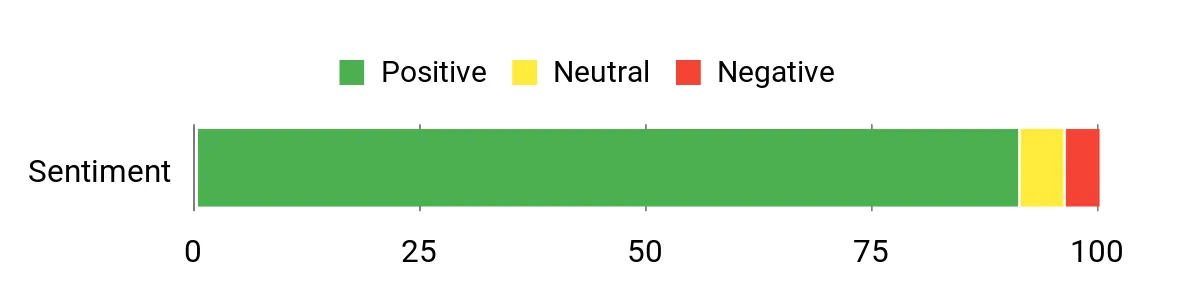
You can practice quietly with headphones, build a quick demo using the looper and drum grooves, or run straight to a small PA for busking or coffee‑shop gigs. It’s small enough to toss in a travel bag, and switching to USB power makes it useful for home recording and editing with Guitar Lab.
Zoom packs a lot of bass‑centric tools into a pedalboard‑friendly form: a broad effects palette plus dedicated amp emulators and a built‑in expression pedal for hands‑on control. The combination of battery longevity and PC/Mac editing gives you modern flexibility without a big footprint.
| Feature | Customization Level |
|---|---|
| Preset Patches & Effects Chain | High |
| Expression Pedal Assignments | High |
| Amp Modeling & Cabinet Settings | Moderate |
| Looper & Rhythm Patterns | Moderate |
| USB/Guitar Lab Editing | High |
You get a tiny, grab-and-go rig that actually covers a surprising amount of ground. The Pocket Master slips into a gig bag, clips to a strap, or lives in your pocket while offering 100 presets, 20 amp/cab models, a short looper and nearly 100 drum patterns — plus OTG USB and Bluetooth so you can play along with tracks or record straight to your phone.
It’s perfect for everyday practice with headphones, sketching ideas between errands, or bringing a compact backup to a casual gig. If you want a fuss-free, portable way to explore tones and capture quick ideas, this is one of the easiest tricks to add to your setup.
You’ll notice most people appreciate how much functionality is packed into such a small unit — the amp models, Bluetooth/USB connectivity and compact size come up a lot. Customers also point out the convenience of the looper and drum grooves for practice, and many like the phone app for quick editing.
Common trade-offs mentioned are the short looper length and occasional noise floor, but those don’t usually stop buyers who want portability and flexibility.
Overall Sentiment: Positive
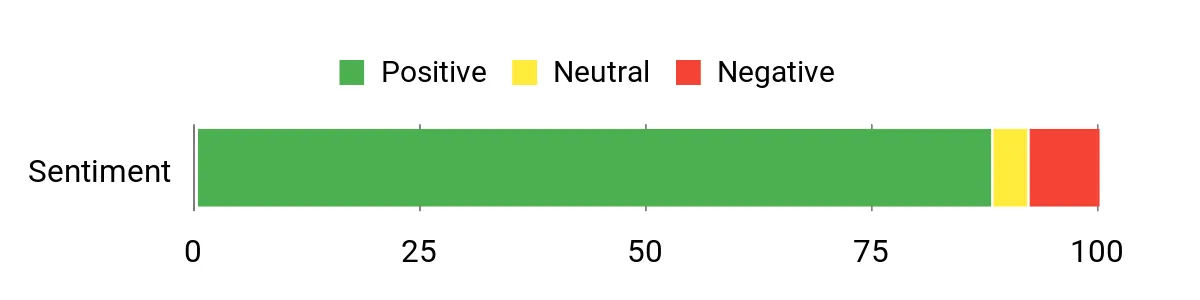
Use it for quiet bedroom practice with headphones, clip it to your strap for on-the-go jamming, or plug it into a phone or laptop for quick recording. It’s a handy travel companion for rehearsals, a backup tone source for casual gigs, and a lightweight creative tool when you want to sketch song ideas fast.
The Pocket Master blends mobile-friendly features — OTG USB streaming, Bluetooth audio and a rechargeable battery — with the ability to import IR/NAM profiles and edit via a companion app. That mix of small physical size and modern connectivity is what makes it stand out as a travel-ready multi-effects option.
| Feature | Customization Level |
|---|---|
| Preset Patches & Effects Chain | High |
| IR / NAM Profile Import | Moderate |
| App (Bluetooth) Editing | High |
| Looper & Drum Pattern Selection | Moderate |
| USB Audio Routing & Input Gain | Moderate |
If you want a single unit that can sit on your board and handle practice, recording and live gigs, the GP200 is built for that. You can dive into a huge library of amps and effects, chain up to 11 modules, save dozens of custom patches and control things with the built-in expression pedal or assignable footswitches. The 4.3" color screen and on-device shortcuts make editing less painful than you’d expect, and the USB-C audio plus multi-output routing means you can record, re-amp or run a direct FOH feed without juggling adapters. For everyday practice it gives instant access to drums, a long looper and headphone-friendly options; for shows it’s rugged, flexible and ready to replace a pile of pedals.
If you want a serious, feature-packed hub to grow into, this is a smart pick.
Most buyers praise the GP200 for sounding bigger than its size and for packing pro-style features into a durable floor unit. People often mention the abundant amp and effect choices, the usefulness of the looper and drum tracks, and how the customizable footswitches make it practical for live use.
A few users note a learning curve because there’s so much on offer, but many appreciate the device once they spend a bit of time with the interface.
Overall Sentiment: Positive
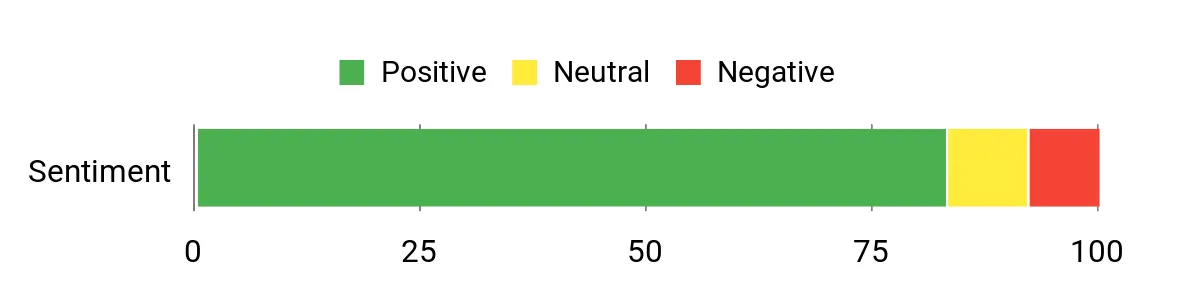
Use it at home for quiet practice with headphones, plug it into your DAW for direct recording, or bring it to gigs as a one-box rig that covers clean, distorted and acoustic needs. The multiple outputs and IR support mean it adapts well to PA systems, FRFR setups or traditional amps, so you can switch between rehearsal, recording sessions and live shows without swapping gear.
The GP200 pairs modern HD modeling with flexible routing — 11 simultaneous modules, user IR storage and 6-in/4-out USB audio with loopback are features you usually find on higher-tier units. That combination of extensive on-board tones, deep patch slots and robust connectivity makes it stand out as a do-it-all multi-effects processor.
| Feature | Customization Level |
|---|---|
| Effects Chain & Module Placement | High |
| User IR Storage | High |
| Footswitch Templates & LED Assignments | High |
| Expression Pedal Parameter Control | High |
| Patch Slots & On-Device Editing | High |
Think of the GP200 as a compact studio on your pedalboard — you can dial in clean tones, pile on high-gain stacks, or build ambient soundscapes without swapping pedals. It gives you a huge library of amps and effects, room for user IRs, and flexible routing so you can practice quietly with headphones, record straight to your DAW over USB‑C, or send a direct feed to FOH at a gig.
The color screen and desktop editor make editing less fiddly than you’d expect, and the looper and drum patterns are actually useful for daily practice. If you want one box that grows with you, this one’s set up for both bedroom tinkering and weekend shows.
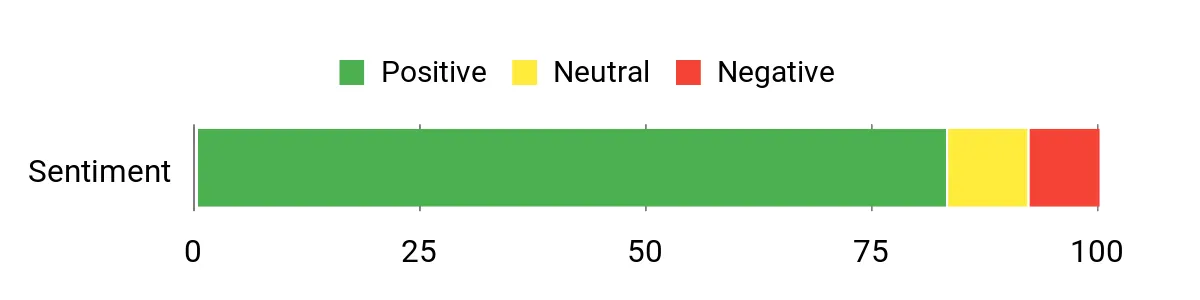
You’ll see a lot of buyers impressed by how much is packed into a single metal chassis — people often call out the breadth of amp and effect choices, the usefulness of the looper and drum tracks, and the solid build. Many note the desktop editor and USB audio make recording and fine-tuning presets straightforward.
A few mention there’s a learning curve because the feature set is so deep, but that it pays off once you spend some time with the interface.
Overall Sentiment: Positive
Use it at home for headphone practice and backing tracks, connect it to your computer for direct recording, or take it onstage as a one-box rig that replaces several pedals and a mic’d cab. The multiple outputs and user IR support mean you can switch between FRFR, PA, or traditional amp setups without reworking your signal chain.
The GP200 combines new‑gen HD modeling with flexible routing — up to 11 simultaneous effect blocks, user IR storage and 6‑in/4‑out USB audio with loopback are features more common in higher-tier units. That blend of extensive tone options and studio-friendly connectivity is what helps it stand out.
| Feature | Customization Level |
|---|---|
| Effects Chain & Module Placement | High |
| User IR Storage | High |
| Footswitch Templates & LED Assignments | High |
| Expression Pedal Parameter Control | High |
| Patch Slots & On‑Device Editing | High |
If you want pro-level tones without hauling a rig, POD Go is the kind of box that gets you there. You can pick great-sounding HX amp and cab models, load your own IRs, and switch tones quickly with snapshots or the eight footswitches. The large color display, five push-encoders and a multi-function expression pedal keep on-the-fly edits simple, and the balanced stereo outputs, duplicate amp out (pre-Cab/IR), stereo effects loop and headphone jack mean you can use it for quiet practice, direct recording, or running straight into a PA at a gig.
The built-in USB audio (4-in/4-out) with re-amping options makes it handy for home studio work, and the compact, cast-aluminum chassis is easy to carry between rehearsals and shows. If you want one pedal that covers practice, recording and live needs, this is a really practical choice you can grow into.
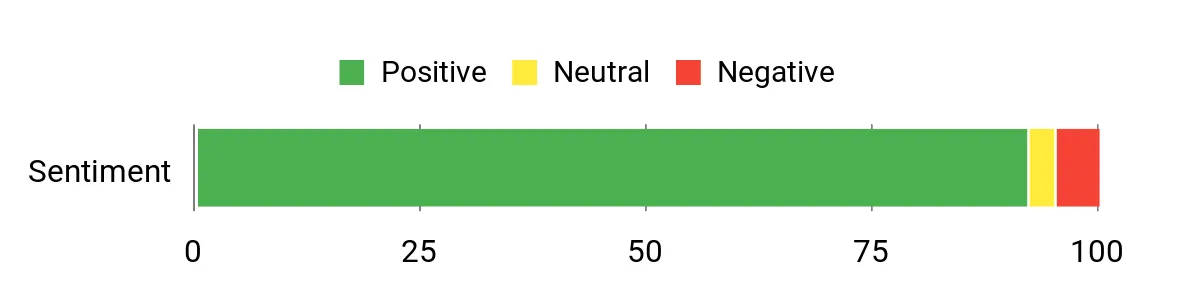
You’ll find most people praise the POD Go for its tone and how easy it is to move between practice, recording and live use. Buyers commonly appreciate the HX-based amp sims, the flexibility of loading IRs and the convenience of snapshots and USB audio. A few users mention a short learning curve when you dig into deeper editing or occasional screen issues, but overall the consensus is that it delivers pro sounds in a portable package.
Overall Sentiment: Positive
Use it for quiet bedroom practice with headphones, plug it straight into a DAW for tracking, or send balanced outputs to FOH for gigs. The duplicate amp out and effects loop let you experiment with parallel routing or re-amping, so you can integrate it into pedalboards, tube amp setups, or FRFR systems without rebuilding your whole signal chain.
POD Go packs HX-quality modeling and third-party IR support into a truly portable floor unit while keeping studio-capable connections like a 4-in/4-out USB interface and pre-Cab duplicate amp output. The snapshot system and hands-on controls make complex patch changes feel immediate, which is a neat bit of design for gigging players who need quick setup.
| Feature | Customization Level |
|---|---|
| Snapshots & Patch Editing | High |
| Expression Pedal Parameter Assignment | High |
| Third-Party IR Loading | High |
| Footswitch Assignments & MIDI Mapping | Medium |
| Signal Routing & Effects Loop | Medium |
If you want one box that covers practice, recording and quick live setups, the FLAMMA FX100 is built for that. You can stack up to nine effect blocks, pick from dozens of amp models and tweak presets on the encoder without getting lost in menus.
The 80-second looper and 40 drum kits make practising or sketching song ideas feel natural, and OTG/USB support means you can plug into a phone or computer for direct recording or streaming. It’s a convenient, portable unit you can grow with as you tinker and learn.
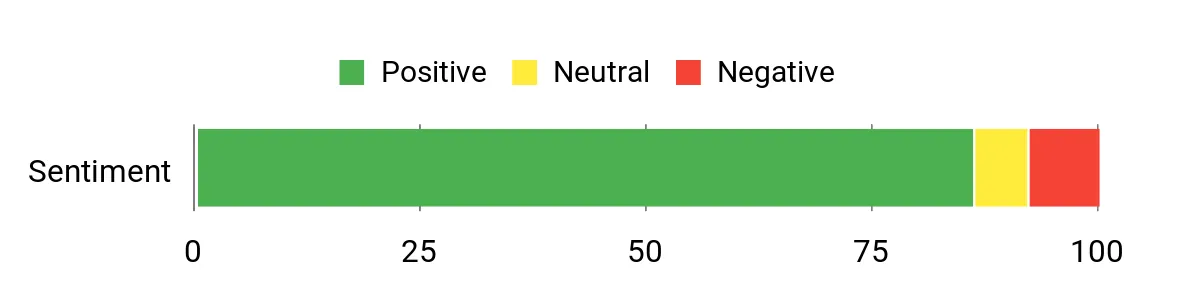
People commonly praise how much functionality FLAMMA packs into a small unit — the amp models, intuitive encoder editing, looper and drum machine come up a lot. Customers also like the solid build and the convenience of USB/OTG for recording or streaming.
A handful of users mention the preset layout and software download could be smoother, but most say it delivers great value and useful features for practice and home recording.
Overall Sentiment: Positive
Use it for late-night headphone practice, loop ideas with the looper and drums, plug directly into a DAW for quick tracking, or run balanced outputs to a small PA for a gig. Its compact metal chassis and standard 9V power make it easy to slot into pedalboards, rehearsal bags or a desktop setup when you want to record or stream.
The FX100 combines multi-block effects, amp/cab modeling, third-party IR slots and mobile OTG connectivity in one compact floor unit, so you can practice, record and stream without juggling multiple devices. Bundling a long looper plus an onboard drum machine with editable presets is a neat way to speed up songwriting and practice sessions.
| Feature | Customization Level |
|---|---|
| Amp & Cab Models | High |
| Effects Blocks (9 simultaneous) | High |
| Preset Editing (On-device & PC/Mac software) | High |
| Expression Pedal Assignment | Medium |
| Third-Party IR Slots | Medium |
Think of the ME-90 as a compact, all-in-one toolkit that helps you get great tones quickly. You can dial in flagship AIRD amp flavors, slot in IRs for cab character, and stack up effects without getting lost in menus — the knob-based controls keep things hands-on. It’s battery-powered for backyard practice or busking, but roomy enough (effects loop, multiple outputs) for rehearsal and quick gig setups. If you want something that covers practice, recording and small-stage work without overcomplicating the process, the ME-90 is an easy box to bring along and grow with.
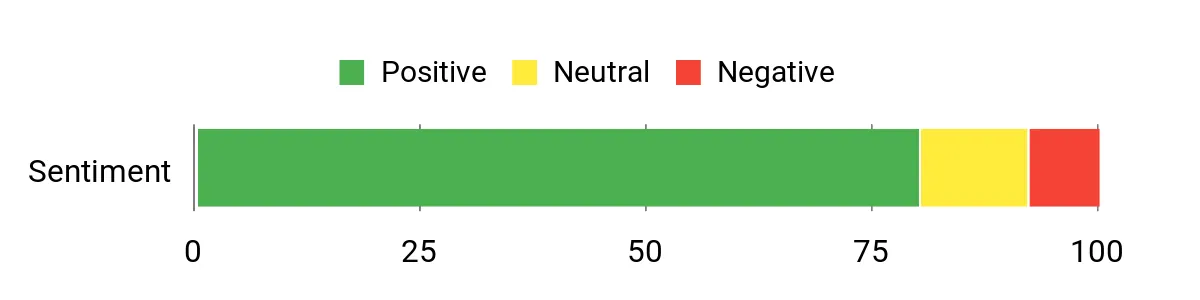
Users regularly highlight how convincing the amp models sound and how useful IR loading is for fine-tuning your tone. People also appreciate the compact, battery-powered design for practice and busking, plus the straightforward knob interface that makes tweaks fast.
A few mention a learning curve when you get into advanced editing or wish for longer looper/features, but overall the consensus is that it delivers reliable, playable tones and useful hands-on controls.
Overall Sentiment: Positive
Use it for quiet late-night practice on headphones, run it into an interface for home recording, or take it to small gigs and busking thanks to battery power and multiple outputs. It fits on pedalboards for hybrid rigs, serves as a concise rehearsal unit with presets for different songs, and makes it simple to switch between clean, drive and ambient sounds during a set.
The ME-90 brings flagship-level AIRD modeling and IR compatibility into a compact, battery-capable floor unit, pairing high-resolution 24-bit/32-bit processing with an intuitive stompbox-style workflow. Combining quality amp modeling, on-board effects derived from higher-end gear and accessible on-device controls gives you pro sounds without needing a studio full of gear.
| Feature | Customization Level |
|---|---|
| Amp Models & AIRD Parameters | High |
| IR Loading (Cabinet Simulation) | High |
| Effects Selection (60 effects) | High |
| Footswitch & Expression Pedal Assignment | Medium |
| Preset Storage & Tone Studio Editing | High |
If you want a single pedal that lets you chase tones rather than parts, the TONEX Pedal is worth a look. You get AI machine-modeled amps, VIR multi-IR cabinets and a big preset library accessed through the included desktop editor and ToneNET. That makes it great for quick bedroom practice with headphones, recording as a USB interface, or dialing in gig-ready tones for a small stage or PA. It’s packed with features, so expect a learning curve — but if you enjoy tweaking and exploring, it opens up a lot of creative possibilities.
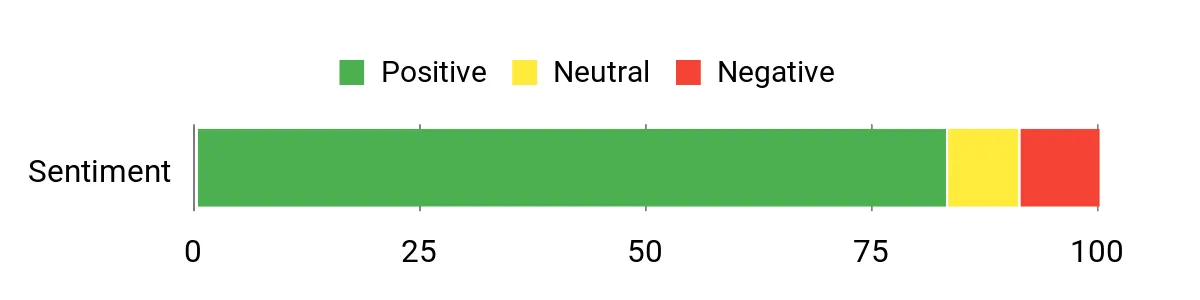
People commonly praise the authentic amp sounds and depth you can get from the AI models and VIR cabinet options, and many enjoy the large online library of tones. On the flip side, reviewers often mention a steep learning curve and a clunky on-device workflow, plus a few comments about noisy models that need careful gating.
Overall, customers appreciate the sonic possibilities even if it takes time to master the software and hardware interface.
Overall Sentiment: Positive
Use it for quiet practice with headphones, run it as an audio interface for home recordings, or feed stereo outputs to an amp or PA for gigs. It’s also handy for experimenting with different amp/cab combos when you don’t want to haul heavy gear — and you can switch between simple preset jamming and deep sound design sessions depending on your mood.
The TONEX blends AI machine modeling with VIR multi-IR cabinet captures and an integrated ToneNET ecosystem, so you’re not just picking presets — you’re tapping a growing library of real-world amp captures and software-backed editing tools. That combination makes it feel more like a tone workstation than a basic multi-FX pedal.
| Feature | Customization Level |
|---|---|
| Amp Models (AI Machine Modeling) | High |
| VIR Multi-IR Cabinets & Custom IR Loader | High |
| Effects Routing (Pre/Post FX) | High |
| Preset Library & ToneNET Integration | High |
| MIDI / Expression Pedal Assignment | Medium |
If you want a no-frills, portable unit that still gives you real tone-shaping options, this LEKATO pedal is a handy companion. You can cycle through 36 presets, tweak amp, delay and reverb modules like individual pedals, and load custom IRs from the phone or PC app. It’s easy to use for quiet bedroom practice through headphones, handy for quick recording sessions via USB/XLR, and small enough to toss in a gig bag when you need a reliable backup rig.
If you enjoy dialing tones without hauling a lot of gear, this one makes that process simple and surprisingly flexible.
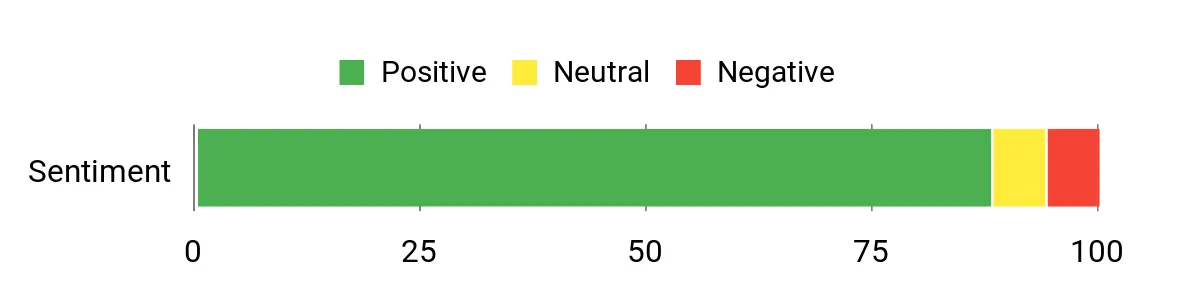
Customers often highlight solid build and the convenience of battery operation and headphone/XLR outs, saying it’s great for practice, travel, or as a backup on gigs. Many appreciate the preset flexibility and the app/IR support for fine-tuning tones, while a few note occasional noise or a slightly weak reverb and say the manual could be clearer.
Overall people mention it punches above its size and price for everyday use.
Overall Sentiment: Positive
Use it for late-night practice with headphones, record directly to your computer via USB or XLR, or run straight into a PA for small shows. It’s compact enough to keep in a gig bag, handy as a backup onstage, and useful for trying different amp/cab setups when you don’t want to haul heavy equipment.
The combination of app-based editing, a built-in IR loader and battery-powered portability makes this feel more modern than old-school compact multi-FX boxes. It’s not about reinventing modeling tech, but about packing practical features—IR support, Bluetooth playback and multiple outputs—into a small, usable package.
| Feature | Customization Level |
|---|---|
| Amp Models and Module Controls | High |
| IR Cabinet Loader (import/delete IRs) | High |
| Preset Banks and On-Board Editing | High |
| Mobile/PC App Editing & Firmware | Medium |
| Output Routing (Headphone / XLR / USB) | Medium |
Think of the G1 FOUR as a compact practice and travel rig that still gives you real tone-shaping options. You can run through a long list of effects and amp models, record loops and sketch song ideas with the built-in looper and drum patterns, or practice late at night through headphones.
It’s battery-powered so you can busk or jam without hunting for an outlet, and USB makes it handy for quick home recordings. If you want a small, no-fuss box that covers practice, sketching ideas, and small-stage use, this one’s an easy grab.
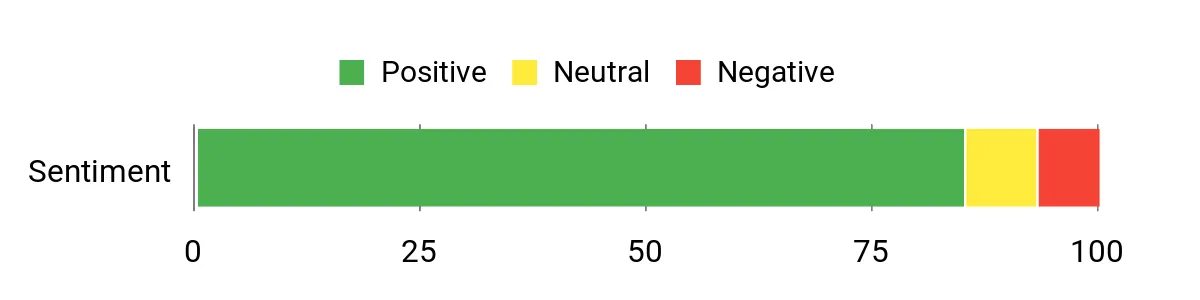
People tend to praise how much functionality is packed into a small, portable unit—many call out the looper and drum patterns as genuinely useful for practice and songwriting. Folks also appreciate the headphone/USB options for quiet recording and the variety of presets, while a smaller number mention occasional processing limits or the need to swap effects via software for deeper edits.
Overall Sentiment: Positive
Use it for late-night practice with headphones, sketching song ideas with the looper and drum machine, busking on battery power, or recording a quick take to your computer via USB. It also doubles as a convenient backup on gigs or a compact option when you don’t want to haul an amp and multiple pedals.
What feels fresh here isn’t a new modeling breakthrough but the practical combo: a looper, a wide effect set, drum patterns and battery operation all in one tiny box. That blend makes it more of a multi-use toolkit than a single-purpose processor.
| Feature | Customization Level |
|---|---|
| Amp Models & Effects | High |
| Looper & Rhythm Patterns | Medium |
| Preset Banks / On-Board Editing | High |
| USB/PC Editor | Medium |
| Expression Pedal / Footswitch Controls | Medium |
If you want a compact, grab-and-go effects toolbox, this is it. You can stack several choruses, delays and reverbs to craft ambient washes or tight rhythmic delays, and the metal top gives it a reassuring feel on a pedalboard or desk. It runs on AA batteries or USB-C, so you can practice in a park, use it with a small rig on a gig, or add texture to synths and acoustic setups at home. For everyday practice and occasional live use, it’s a practical Swiss Army Knife that’s easy to recommend.
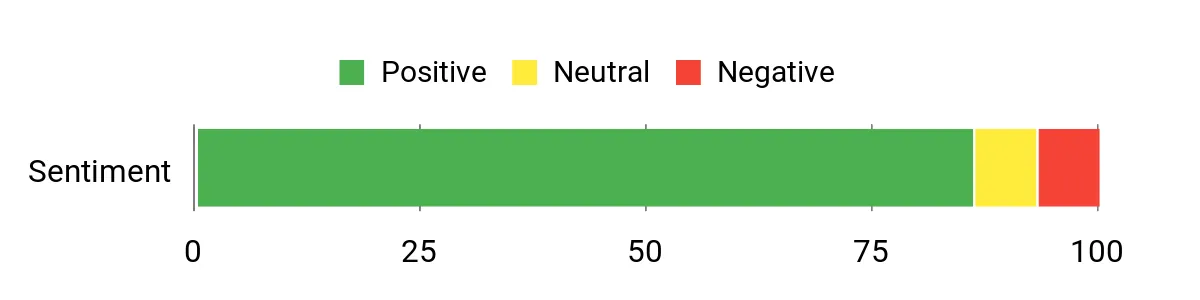
Most players appreciate how much tonal variety Zoom packed into a small, metal-bodied unit — chorus, delay and reverb algorithms often get called out as strong points. People also like the battery option and the ability to chain multiple effects, while a smaller number of users note quirks such as recessed power access and limited MIDI/control over USB.
Overall Sentiment: Positive
Use it for bedroom practice on batteries, add ambient textures in the studio, or keep it as a compact utility pedal on a crowded board. It works for guitar, acoustic setups, synths and as a desktop effects unit when you want a quick sound-design tool.
The clever part is the combination of high-resolution processing, a focused effects set (chorus/delay/reverb) and battery-powered portability — that mix makes high-quality ambient and rhythmic effects genuinely usable outside the studio.
| Feature | Customization Level |
|---|---|
| Effect Chains (up to 6) | High |
| Effect Parameters (per algorithm) | High |
| Preset Memory / On-Device Editing | High |
| USB-C / Mobile App | Medium |
| Battery / Power Options | Medium |
Think of this as a full pedalboard you can tuck in a backpack. You get a rechargeable lithium battery (around nine hours), a solid collection of amp and cab sims, IR loading and USB‑C recording, plus an 80-second stereo looper and built-in drum machine.
The four multi-purpose footswitches and expression pedal make it easy to perform or practice hands-free, and the compact metal body means you can take it to rehearsals, camping jams or small gigs without fuss. If you want a portable all-in-one that helps you focus on playing rather than hauling gear, this is a really practical pick.
Players frequently praise the variety and realism of the tones, and many appreciate how portable it is thanks to the rechargeable battery. Folks also like the looper and drum features for writing and solo practice, and the IR loader/USB‑C options for recording.
A number of users point out the expression pedal and screen can feel a bit basic and that presets sometimes need tweaking to fit a mix.
Overall Sentiment: Positive
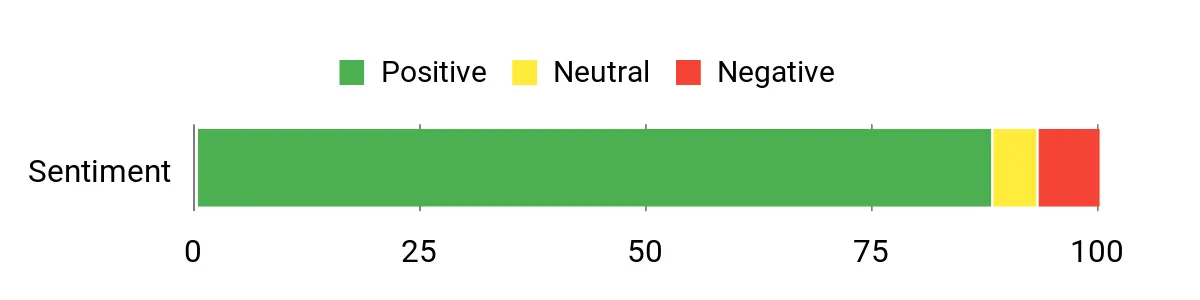
Use it for quick bedroom practice, looped songwriting sessions, mobile recording via USB‑C, or small live gigs where you want a compact, self-contained rig. It’s handy for busking, camping jams or as a reliable backup on a crowded pedalboard.
Packing a rechargeable lithium battery, IR-loading support and a multi-purpose footswitch system into a small floor unit is what makes this stand out — you get studio-friendly features like sample slots and cab sims without needing a laptop or rack to gig or record.
| Feature | Customization Level |
|---|---|
| Amp & Cab Modeling / IR Loader | High |
| Effect Chains & Parameter Tweaks | High |
| Footswitch Mapping & Expression Pedal Modes | High |
| Preset Memory / On-Device Editing | Medium |
| USB‑C Recording / Editor Support | Medium |
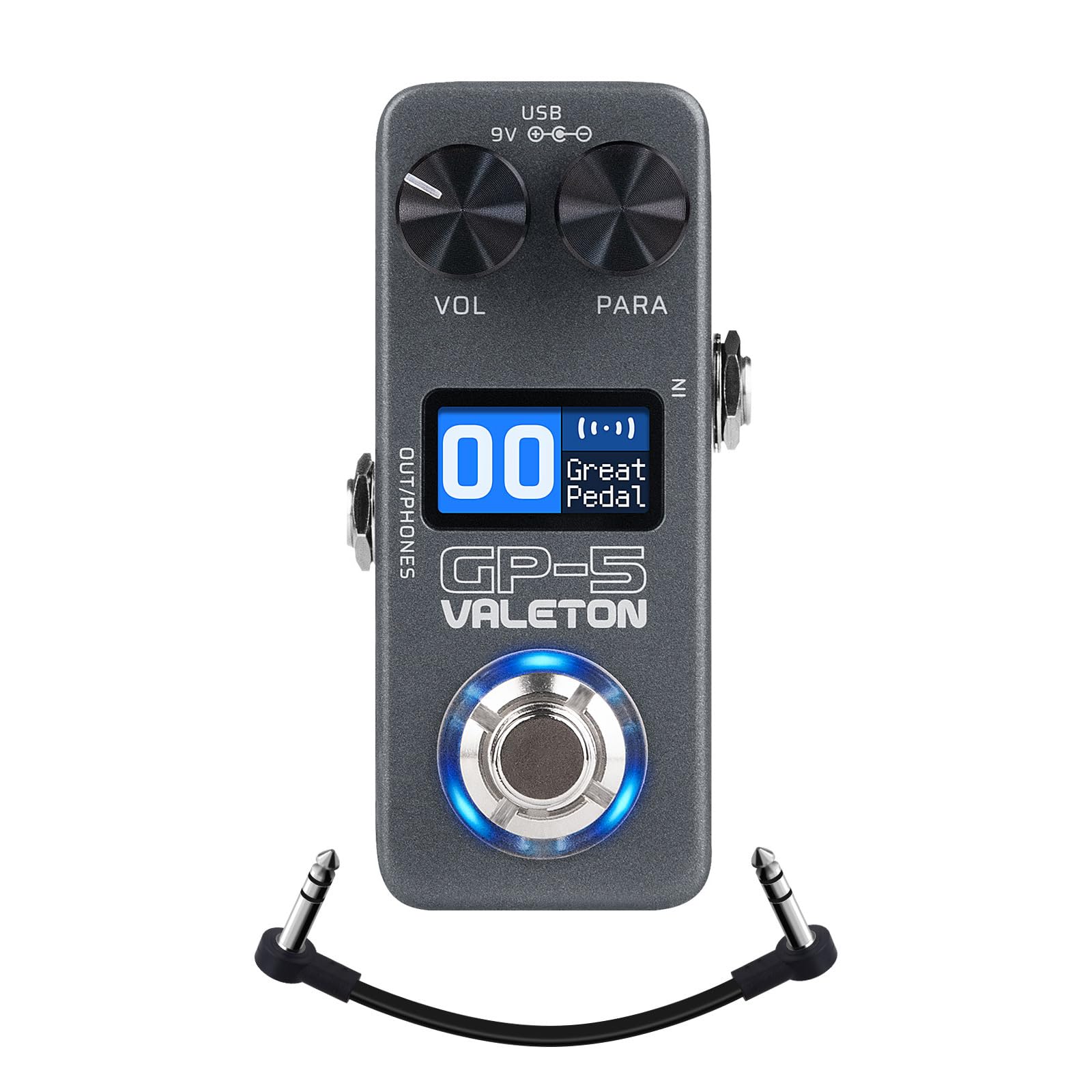
If you want a tiny pedal that acts like a full modeler, this is it. You can load NAM captures and third‑party IRs, tweak tones in the phone app, and run the GP‑5 from a USB‑C power bank for practice anywhere.
It’s great for late‑night headphone sessions, quick studio sketches via USB‑C, or as a lightweight backup on a crowded board. You won’t get flagship processor depth here, but for travel, gigs where space is tight, and everyday practice it’s a refreshingly capable and portable option.
Most players notice how much tone and flexibility Valeton squeezed into a tiny box — folks praise the NAM/IR compatibility, the headphone practice experience, and how easy the phone app makes editing. At the same time people often mention the limited on‑device controls and advise doing deep edits in the app; some users also flag Bluetooth dropouts if you try to rely on it live. Overall the consensus is you get a lot of usable features for a very small, travel‑ready unit.
Overall Sentiment: Positive
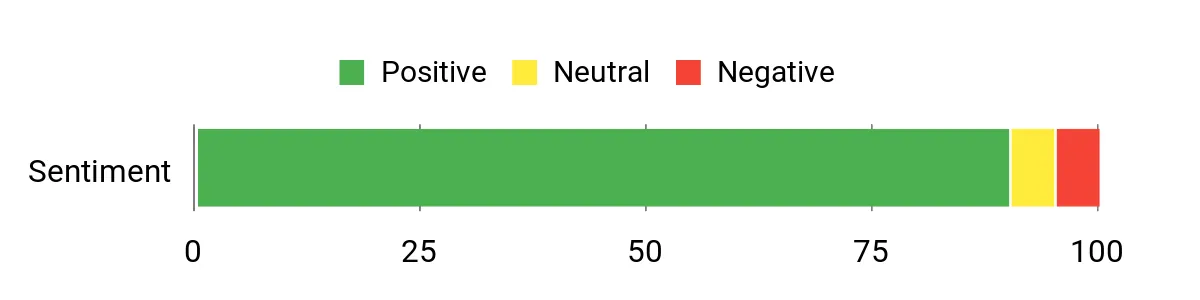
Use it as a bedroom practice rig with headphones, a travel companion powered by a USB‑C bank, a direct‑to‑PA backup for gigs, or a quick USB audio interface for sketching ideas on your phone or laptop. It’s handy for rehearsals, busking with a small PA, or keeping in a backpack for on‑the‑road noodling.
What makes it stand out is packing NAM capture playback, an IR loader, Bluetooth phone editing and USB‑C audio into a palm‑sized metal pedal. That combination of modern file formats and mobile workflow in such a compact footprint is where it earns its niche.
| Feature | Customization Level |
|---|---|
| NAM & IR Loading | High |
| Effect Blocks & Signal Order | Medium-High |
| Bluetooth App Editing | High |
| Footswitch Modes / LED Customization | Medium |
| On‑Device Knob & Screen Editing | Low |
If you want a tiny, take-anywhere rig, this is one you'll actually use. You can clip it to your strap, tuck it in a gig bag, or slip it in your pocket and still get a broad palette of tones — clean to crunchy, acoustic to bass. The built-in battery, Bluetooth app editing, USB OTG audio and ability to load IR/NAM captures make it useful for quick practice sessions, travel recording, busking with headphones or sketching tracks into your phone or laptop.
It won’t replace a high-end studio rig, but for everyday practice, on-the-road creativity, and as a compact backup for rehearsals, it’s a surprisingly capable little workhorse you’ll reach for often.
You’ll find players frequently mention how much tone this little unit packs for its size — the amp models, IR support and app editing get a lot of praise. Folks also like the portability and rechargeable battery for practicing on the go.
Common caveats are a short looper and a modest noise floor, but most users feel those trade-offs are worth the convenience and features.
Overall Sentiment: Positive
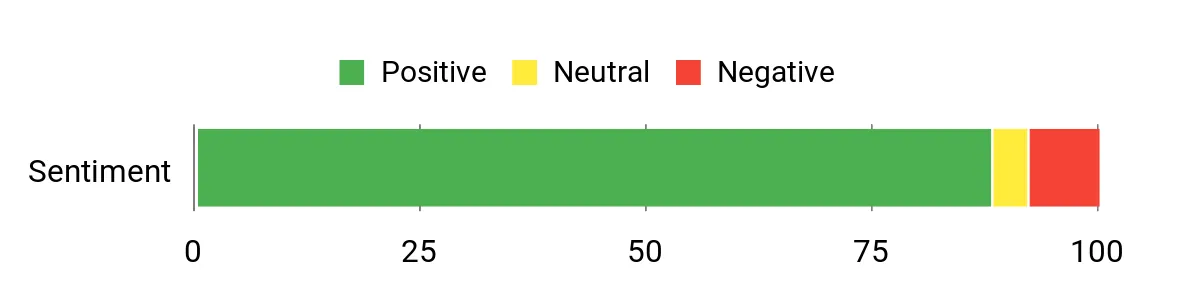
Use it for quiet late-night headphone practice, as a pocket-sized travel rig, or a simple USB audio interface for quick recordings. It’s handy for busking or clipping to a strap for on-the-move practice, and the Bluetooth app plus OTG support mean you can easily pair it with backing tracks or your DAW for rehearsals and sketching ideas.
What sets it apart is cramming modern modeling features — IR/NAM loading, a wide effect library, Bluetooth app control and a stereo OTG interface — into a palm-sized, rechargeable unit. That blend of file-format flexibility and always-ready portability is where it shines.
| Feature | Customization Level |
|---|---|
| NAM & IR Loading | High |
| Effect Blocks & Signal Chain | High |
| Bluetooth App Editing | High |
| Looper & Drum Patterns | Medium |
| On‑Device Controls & Screen | Low |
Start by defining what you want to achieve this year—practice more, write songs, record at home, or gig. Match that goal to features: if you want quick inspiration, prioritize a large library of usable presets and easy editing; if you plan to record or go direct to PA, look for USB audio, XLR/TRS outputs and IR/cab loader support; if you like looping and backing beats, prioritize a reliable looper and drum machine.
Consider practical items you’ll use every day: battery operation or reliable DC power, a comfortable expression/volume/wah pedal, clear display and an editor app that speeds sound design. Finally, choose a unit whose learning curve you’ll actually tackle—one with solid documentation, firmware support and a companion app will get you playing and improving faster.
Yes — for most players a modern multi-effects pedal can replace several stompboxes and let you emulate amp sounds with IR/Cab Simulation and USB recording, which makes practice, bedroom recording and many live situations simpler and more portable. Understand the trade-offs: boutique single‑pedal or tube amp purists may prefer separate hardware for a specific feel or extreme high‑gain nuance, but for songwriting, rehearsals, streaming and small-to-medium gigs a multi-effects unit gives you enormous versatility. If you run it into a real amp, use the pedal's effects loop or disable cabinet sims to preserve amp tone, and when you go direct to FOH use the pedal’s balanced outputs or an IR to deliver a consistent sound.
Start by building a few core presets that cover clean, rhythm and lead parts and save your presets so you can focus on playing rather than dialing in tones on the fly. Balance levels between presets and use the pedal’s noise gate, input gain and global output settings to avoid sudden volume jumps; update firmware and use the companion editor app to make deep edits quickly.
Place drive and gain effects before modulation and time-based effects, calibrate the expression pedal for smooth sweeps, power the unit with the manufacturer‑recommended adapter or a proper pedal power supply, and keep a small setlist of preset numbers for gigs so you switch reliably under pressure. Finally, use the looper and drum machine as songwriting and practice tools—short focused loops and a locked BPM will keep you practicing toward your New Year’s goals.
By choosing the right multi-effects pedal you give yourself a practical tool to keep your resolutions—whether that’s practicing more often, writing songs, or simplifying a live rig. If you want pro tones and live flexibility, the POD Go is the safest all-around choice.
If you value features and expandability, the Valeton GP200 and Donner Arena 2000 give deep editing, IR support and strong I/O. For travel and daily practice, smaller devices like the Pocket Master or Valeton GP-5 let you play anywhere without compromise. Start by picking the pedal whose strengths line up with what you actually will use, then commit to regular practice — the gear should support your goals, not become another shelf of complexity.
| Product | Image | Effects & Amp Models | Battery Life | Dimensions & Weight |
|---|---|---|---|---|
| MOOER GE100 Multi-Effects Guitar Pedal |  | 80 Presets, 66 Effects, 40 Drum Patterns | N/A (DC 9V or 4 AA batteries) | 9.06 x 2.36 x 5.51 inches | 1.61 pounds |
| KMF-1 Guitar Multi Effects Pedal |  | 77 Effects, 50 Presets, 42 Drum Patterns | N/A (DC 9V Adapter & 6 AA Batteries) | 12.52 x 8.07 x 2.64 inches | 2.55 pounds |
| BOSS GT-1 Guitar Effects Processor | 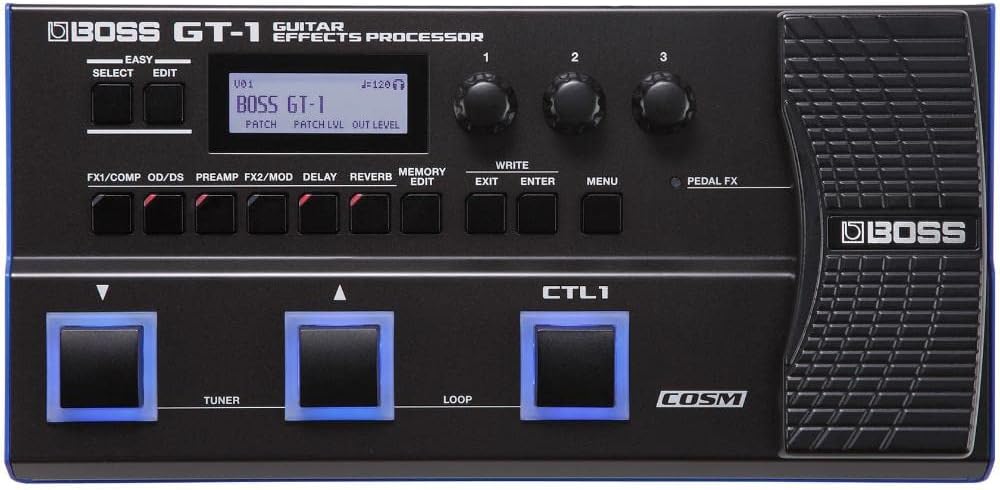 | Wide Range of Amps & Effects, Free Patches via BOSS Tone Central | 7 hours (4 AA batteries) | 15 x 8.5 x 4.5 inches | 2.2 pounds |
| Zoom G1X FOUR Multi-Effects Processor |  | 70+ Effects, 13 Amp Models, 68 Drum Patterns | N/A (4 AA batteries) | 6.2 x 8.5 x 2 inches | 1.6 pounds |
| Valeton GP-200 Multi-Effects Processor |  | Over 240 effects, 140+ amp models | N/A (DC 9V Power Supply) | 12.6 x 7.7 x 2.4 inches | 5.21 pounds |
| BOSS ME-90 Guitar Multi-Effects Pedal | 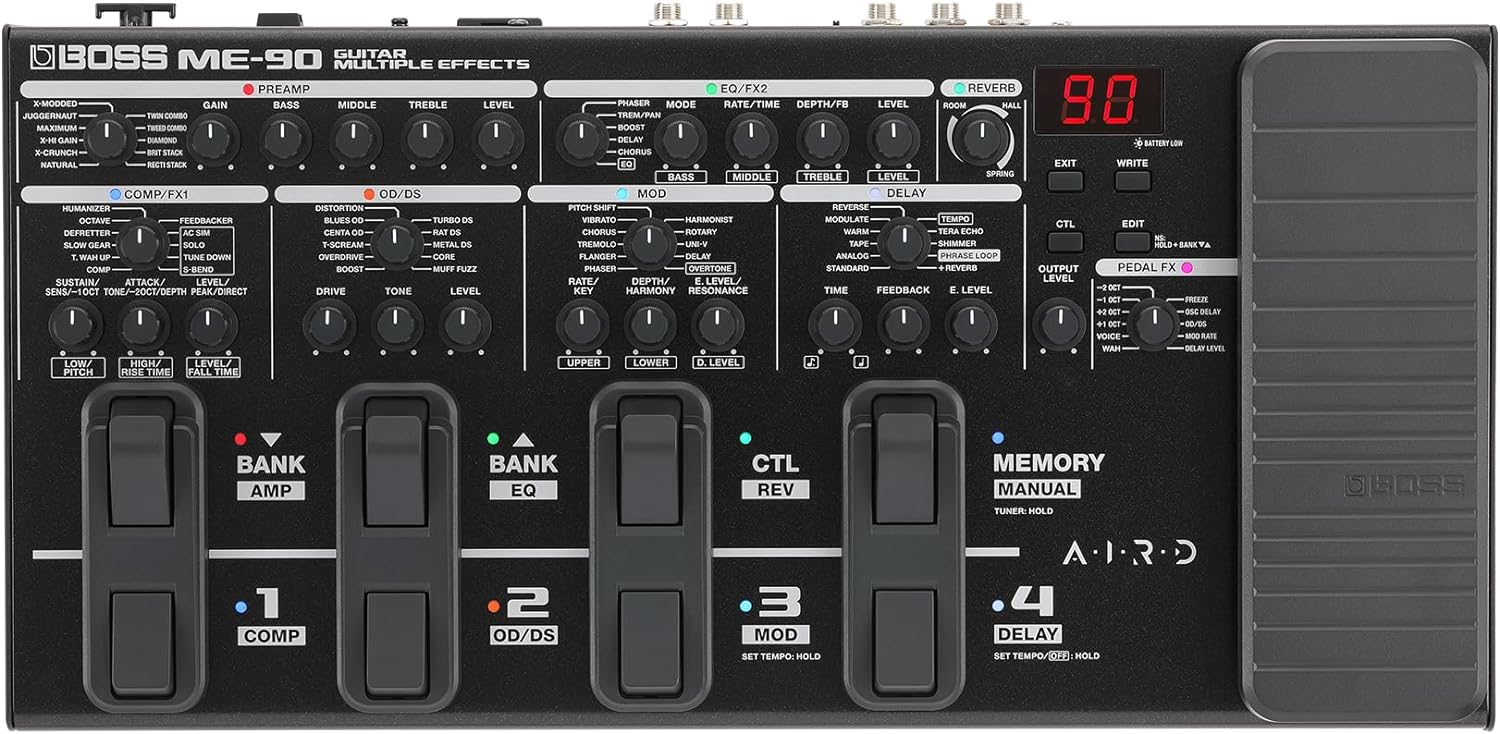 | 11 AIRD Amp Models, 60 Effects | N/A | N/A |

bestguitarequipment.com is a participant in the Amazon Services LLC Associates Program, an affiliate advertising program designed to provide a means for website owners to earn advertising fees by advertising and linking to Amazon.com, and any other website that may be affiliated with Amazon Service LLC Associates Program.