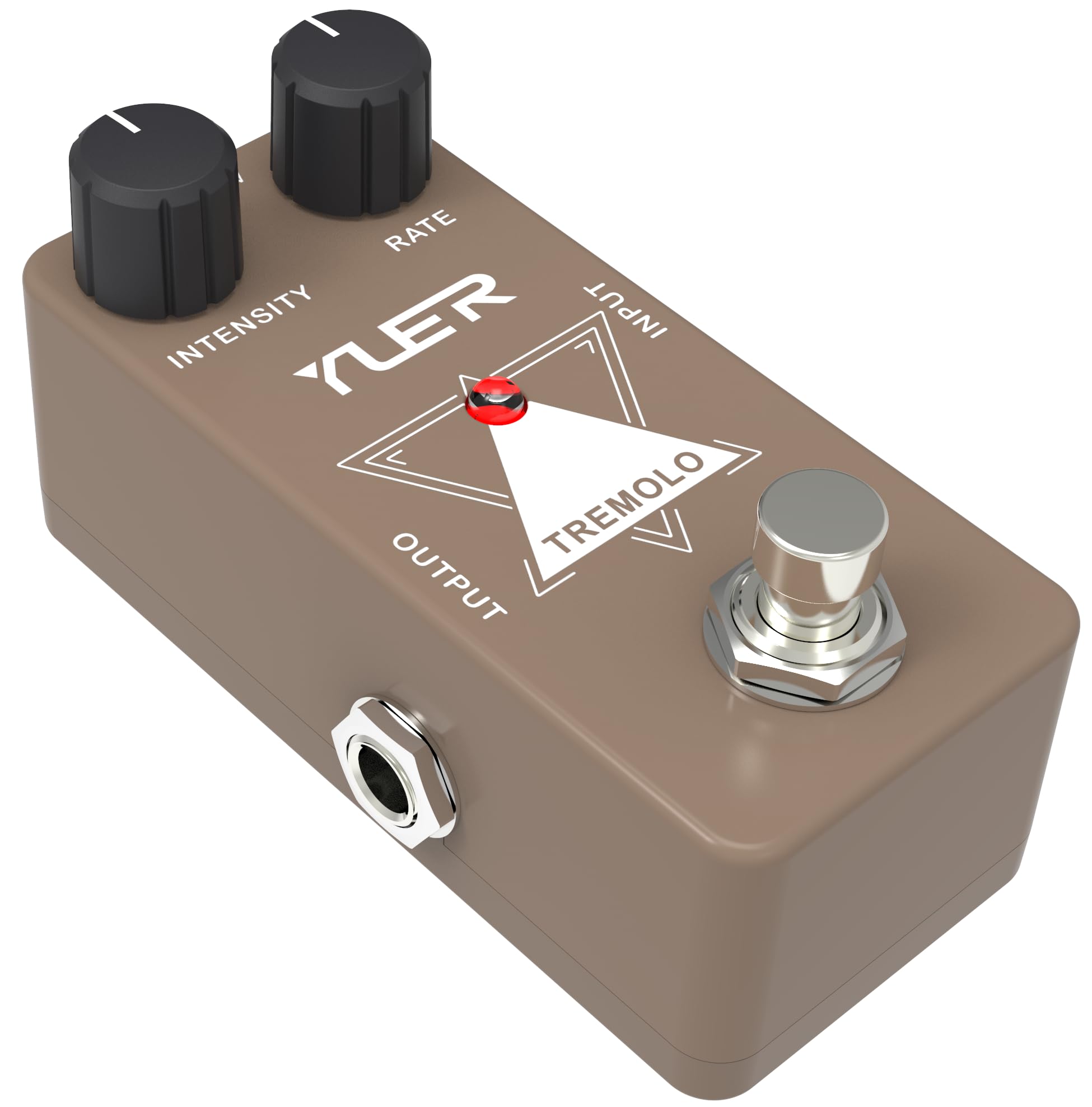
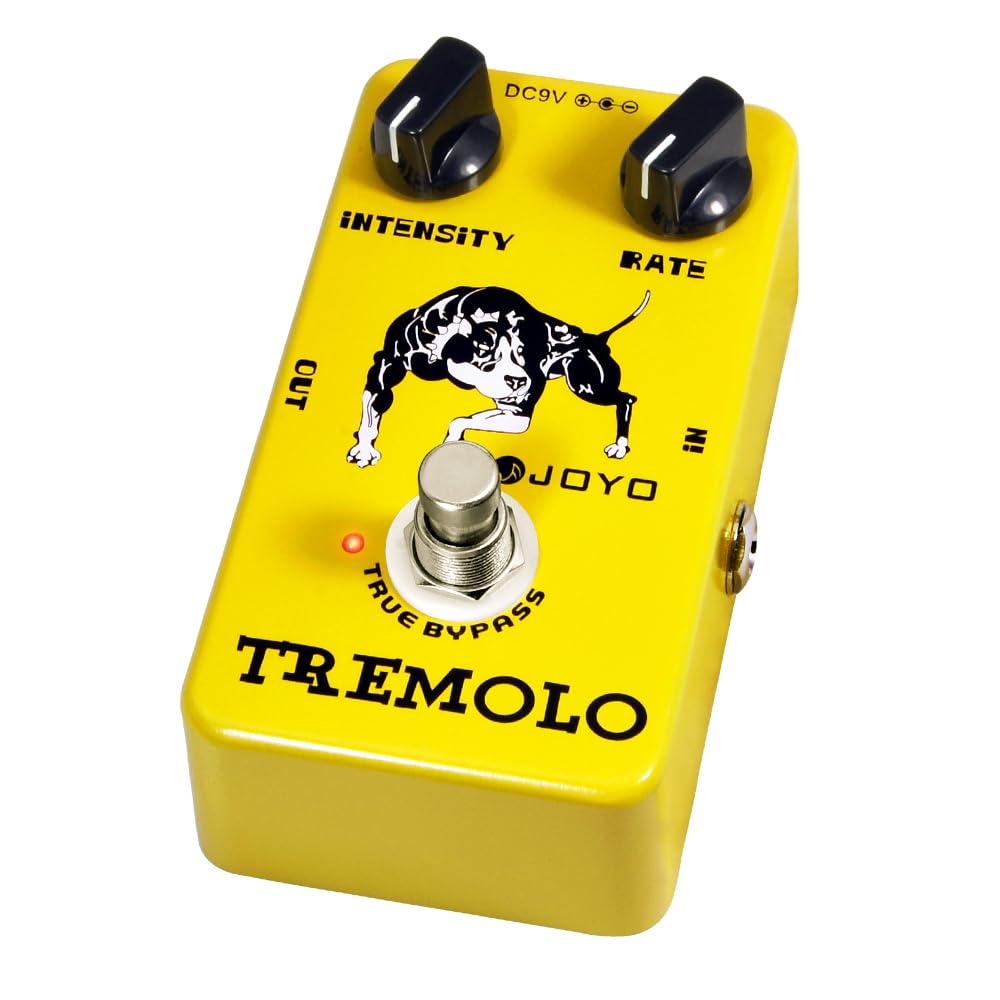
Tremolo pedals change how your notes breathe, push emotion into your rhythm, and add a rhythmic motion that makes your playing more expressive. Whether you want the vintage pulsing of classic amps, a subtle shimmer under clean chords, or wild stereo modulation for ambient textures, choosing the right tremolo will transform how you write, practice, and perform.
In this guide you’ll find carefully chosen pedals across price points and feature sets, plus a quick way to match a pedal to the sound you want so you can spend more time playing and less time hunting for tone.
| Category | Product | Score |
|---|---|---|
| 🏆 Best Value Classic | BOSS TR-2 | 95/100 |
| 🚀 Best Premium Tremolo | Strymon Flint | 98/100 |
| 🎯 Best Harmonic Trem | JHS Harmonic | 92/100 |
| 🎨 Most Creative Control | Walrus Monument | 86/100 |
| ⭐ Most Wave Options | MXR Tremolo | 89/100 |
| 🔊 Best Stereo / Panning | EHX Pulsar | 91/100 |
| 💰 Best Budget Modulator | Donner Mod | 82/100 |
| 🔰 Best Mini Versatility | Flamma FC05 | 80/100 |
| 💼 Best Amp-Style Trem | JHS Tidewater | 87/100 |
| 🔰 Best Beginner-Friendly | Walrus Fundamental | 90/100 |
You want a tremolo that fits your sound and your routine. We evaluated pedals on: sound character (vintage amp feel, harmonic trem, optical vs.
square waves), control flexibility (knobs, switches, tap/expressions), build quality and reliability (road-ready enclosures, reputable brands), versatility for different genres (subtle to extreme tremolo), and value at the listed price. We also weighed user sentiment and common strengths reported by musicians so you can feel confident that the pick will do what it promises. This helps you quickly identify whether to buy a compact budget pedal for practice, a feature-packed box for the board, or a premium unit for recording and live work.
If you want that warm, old-school tremolo without fuss, the TR-2 is one of those pedals you’ll reach for on the regular. The Wave, Rate and Depth knobs make it simple to dial anything from a subtle pulse to a choppy square-wave vibe, and the compact metal housing tucks neatly on a pedalboard. Use it for daily practice to add texture to clean chords, slot it into a recording chain for vintage vibes, or bring it on gigs when you need a reliable tremolo that plays nicely with amps and other effects.
It’s not overly complicated, so if you like to tweak a little but mostly want great tone fast, this is an easy recommendation.
Players commonly note the TR-2’s warm, musical tremolo and how easy it is to get classic tones using the Wave, Rate and Depth knobs. Many also highlight the solid metal build and how well it integrates with amps and other pedals, saying it’s dependable for both practice and live use. A few users mention you may need to tweak settings a bit to reach more extreme or unusual sounds, but most praise its straightforward performance.
Overall Sentiment: Positive

| Feature | Ease Level |
|---|---|
| Knob Controls (Wave/Rate/Depth) | Easy |
| Setup and Connectivity | Easy |
| Pedalboard Integration | Very Easy |
| Finding Extreme/Unusual Sounds | Moderate |
The classic Boss green and simple layout are understated and familiar, so it blends into most boards without drawing attention while still looking solid and professional.
Solid metal housing and Boss build quality mean this pedal is made to last; many players report long-term reliability and it comes with a manufacturer warranty.
If you want a single little box that covers a lot of ground, this Donner Modulation pedal is one you’ll reach for when you need different textures without a big pedalboard. You can flip through 16 modulation modes to find everything from subtle warmth to wobbling tremolo or rotary swirl, and the tap-tempo makes it easy to lock effects to a song. It’s small enough to tuck on a board for daily practice, handy for bedroom recording when you want quick color, and light to throw in a gig bag when you need flexible sounds onstage. For what it does and how easy it is to use, it’s a practical, no-nonsense recommendation if you like experimenting without clutter.
You’ll notice most people praise how many sounds you get from one tiny pedal — chorus, tremolo, flanger and rotary that cover a lot of musical ground. Users often point out the tap-tempo and compact footprint as real winners for practice and live work, and many appreciate the clear signal thanks to the buffer/true-bypass design. A minority report occasional quality-control hiccups or inconsistent units, but overall the common thread is that it delivers versatile tones for the money.
Overall Sentiment: Positive

| Feature | Ease Level |
|---|---|
| Mode Selection (16 effects) | Easy |
| Tap Tempo | Easy |
| Knob Controls (Rate/Depth/Level) | Very Easy |
| Power and Connectivity | Moderate |
The metallic green finish is eye-catching without being loud, and the compact layout looks tidy on any board—practical and a bit stylish at the same time.
The casing is compact and reasonably solid for everyday use, though a small number of users have reported unit issues; using a clean 9V supply and protected transport helps get the most out of it.
If you want one tiny pedal that covers a surprising amount of ground, this is the one you'll reach for. You can switch through 11 different modulation modes to get anything from subtle shimmer to gritty ring-mod and optical tremolo, so it’s handy whether you’re practicing at home, layering sounds in a bedroom session, or slipping a compact option onto a gig board.
The metal shell feels solid enough for regular use, and the small size makes it easy to stash in a bag or leave on a cramped pedalboard. For players who like experimenting without hauling a ton of gear, it's a very practical pick.
You’ll notice most people like how much variety they get from such a small box — chorus, flanger, tremolo and some less common modes like ring mod and bit-crush come up a lot. Customers also point out the compact size and metal casing as real pluses for boards and travel, while the true-bypass/digital design gets praise for keeping tones clear.
A few users mention occasional noise or unit inconsistencies and remind you that a 9V supply is required, but overall the common thread is useful versatility in a tiny package.
Overall Sentiment: Positive

| Feature | Ease Level |
|---|---|
| Effect Selection (11 modes) | Easy |
| Knob Controls (Rate/Depth/Level) | Very Easy |
| Power and Connectivity (9V required) | Moderate |
| Physical Footprint on Pedalboard | Very Easy |
The bright green finish stands out without being gaudy, and the compact layout looks tidy on any board — functional with a bit of personality.
The full metal shell gives it a reassuring feel for regular use, though a small number of users report occasional noise or inconsistent units; careful power supply choices and protected transport help longevity.
If you like amp-style tremolo but don’t want to haul a vintage head, this is an easy pedal to reach for. You get a straightforward three-knob layout and a toggle that gives you two distinct flavors — toggle up for a classic amp trem feel, toggle down for JHS’s harmonic-trem take that splits highs and lows for a dreamy shimmer.
It’s small enough for a crowded pedalboard, tough enough for regular practice and gigs, and handy in the studio when you want that Uni‑Vibe-ish movement without fuss. Run it on a standard 9V negative‑center supply and it’ll sit quietly on your board while you tweak rate, depth and level to taste. If you want reliable, music-friendly tremolo with minimal learning curve, this is a solid pick.
Most players comment on how musical and playable the effect is — the low-octave/harmonic side gets repeated praise for adding a lush, inspiring texture, while the amp-trem setting is appreciated for classic warmth. Folks also like the no-nonsense control scheme and solid build from JHS, especially for gigging or home recording. A minority mention wishes for a blend or simultaneous-octave option and occasional quirks when using it with bass, but the common thread is that it’s an easy-to-use pedal that encourages playing.
Overall Sentiment: Positive

| Feature | Ease Level |
|---|---|
| Control Layout (3 knobs + toggle) | Very Easy |
| Mode Switching (Toggle Up/Down) | Easy |
| Power and Connectivity (9V DC) | Moderate |
| Board Integration (Size/Weight) | Very Easy |
A clean black-and-white finish with compact footprint — it looks understated and tidy on any pedalboard, more functional than flashy.
Metal enclosure and solid assembly give it a reassuring, road-worthy feel; most users report reliable performance, though a small number note occasional unit inconsistencies.
If you want a single box that covers chorus, flanger, phaser and tremolo, this SONICAKE unit is a really handy option. You get tap tempo via an independent footswitch so you can lock the rate into your jams, and a buffer bypass circuit to help preserve your tone when it’s in the chain.
It’s compact and metal-bodied, so it’s easy to carry between practice, bedroom recording and small gigs, and it works well on guitars, synths and even vocals when you want to add movement. If you like experimenting without filling your board, this is a flexible, no-fuss tool you can reach for often.
You’ll often see players call this a great value for how many sounds it offers — the tap tempo and the range of modulation tones get a lot of positive mentions. Folks also appreciate the solid metal build and that it behaves nicely with synths and guitar rigs. A handful of users note small quirks in specific modes and remind you that a power supply isn’t included, but the common thread is that it’s an easy-to-use, versatile pedal for experimenting.
Overall Sentiment: Positive

| Feature | Ease Level |
|---|---|
| Control Layout (knobs/switches) | Very Easy |
| Tap Tempo (independent footswitch) | Easy |
| Mode Selection (4 effects in one) | Easy |
| Power and Connectivity (9V center-negative) | Moderate |
A colourful, slightly retro paint job with a compact footprint — it looks playful and stands out on a board without being over the top.
Metal enclosure and solid-feeling switches make it feel roadworthy for regular practice and small gigs; most users report reliable build quality with typical caveats about careful handling.
Think of the Tidewater as a tiny slice of classic amp tremolo you can tuck on your board. It delivers that warm, musical pulsing you hear from old Fender and Vox amps with just three knobs — volume, mix and speed — so you can move from a gentle shimmer to pronounced chop without fuss. The internal DIP switches give you extra speed ranges, and with the mix down it even acts as a tasty preamp boost.
Use it for practice, bedroom recording, small gigs or to add instant vintage vibe to a clean tone; if you want an easy-to-use, amp-like tremolo that won’t dominate your pedalboard, this is a solid option you’ll reach for often.
You’ll often see players point to the authentic amp-like tone and the simplicity of the controls as the pedal’s biggest strengths. Folks appreciate the tiny footprint and the volume knob for easy level matching, and many mention the DIP switches as a useful way to stretch the trem’s personality.
A smaller number of users warn that hot input signals can sometimes push the pedal into mild clipping, and some expect sturdier hardware compared with heavier-duty pedals.
Overall Sentiment: Positive

| Feature | Ease Level |
|---|---|
| Control Layout (Volume, Mix, Speed) | Very Easy |
| Internal DIP Switches (speed range) | Moderate |
| Size/Placement on Pedalboard | Easy |
| Power and Connectivity (9V DC) | Moderate |
A modest, vintage-inspired look in a compact blue chassis — it’s unobtrusive on a board but gives off that classic amp vibe without screaming for attention.
Build quality is solid for regular use and travel, though it feels lighter than some heavy-duty competitors; treat it like typical pedal gear and it should hold up well for practice and small gigs.
You get a tremolo that’s deliberately simple but still sounds like it belongs on a pro pedalboard. The three sliders (Rate, Depth, Volume) and a three-way mode switch make dialing in a gentle shimmer, choppy square pulse, or more random warble quick and intuitive.
It’s small enough for a compact board and friendly enough that you’ll reach for it during practice, recording sessions, or low-key gigs. If you want a no-nonsense trem with clear tone and easy hands-on control, this is a great fit for both first pedals and travel rigs.
Most players highlight how easy the pedal is to use and how musical the tremolo sounds across settings — from subtle pulses to more dramatic chops. People often mention the sliders as a welcome change for quick tweaks and praise the clarity and variety of tones. A few users suggest being mindful when storing the pedal since the sliders feel less protected than traditional knobs, but overall the consensus is that it’s a solid, beginner-friendly option that still performs on stage.
Overall Sentiment: Positive

| Feature | Ease Level |
|---|---|
| Control Layout (Rate, Depth, Volume) | Very Easy |
| Mode Switch (Sine, Square, Random) | Easy |
| Physical Sliders vs Knobs | Moderate |
| Power and Connectivity (100 mA, 9V DC) | Moderate |
| Size/Placement on Pedalboard | Easy |
Clean, compact chassis with Walrus’s tasteful artwork and horizontal sliders that give it a retro-modern feel — it looks distinctive without dominating your board.
The metal enclosure feels solid for everyday play and gigging, though the exposed sliders benefit from a bit more careful storage compared with traditional knobs; treat it like regular pedal gear and it should last.
You get a pro-grade tremolo and reverb wrapped into a single pedal that actually makes you reach for it more than once during a session. The three vintage-inspired tremolo flavors and three distinct reverb engines cover everything from subtle amp shimmer to cavernous halls, and the detailed controls let you shape the tone rather than guess at it. It’s great for daily practice, adding tasteful movement in recordings, or bringing authentic amp-style trem/reverb to small gigs and ambient sets. If you want a compact, well-built unit that behaves like two pedals without stealing space on your board, this is one of the easiest recommendations to make.
You’ll often find that users praise how closely the tremolo and reverb capture that amp-like character — warm, natural, and musical rather than synthetic. Players also appreciate the quiet operation, the depth of tweakable options and presets, and the sturdy hardware and connectivity (USB-C, MIDI, stereo I/O). A small number of players mention expectations around advanced stereo panning that aren’t met, but overall customers highlight the sound quality and versatility.
Overall Sentiment: Positive

| Feature | Ease Level |
|---|---|
| Control Layout (many tweakable parameters) | Moderate |
| Preset and MIDI Management | Moderate |
| Connectivity (USB-C, TRS MIDI, stereo I/O) | Moderate |
| Footswitches and On-Board Routing | Easy |
| Size/Placement on Pedalboard | Easy |
A compact black chassis with a clean layout and thoughtful labeling — it looks professional without shouting for attention, fitting neatly on most boards and matching a range of setups.
Built with a solid metal enclosure and pro-grade components, it stands up well to regular use and gigging; as with any pedal, use a good isolated supply and normal care for long life.
You get a compact tremolo that leans into a vintage, amp-style wobble thanks to a photocell circuit. The dedicated Gain, Volume and Tone knobs make it easy to shape the tremolo’s character, and true bypass keeps your dry signal pure when it’s off.
It’s handy for daily practice to add gentle movement to clean tones, useful in the studio for tasteful rhythmic texture, and small-gig friendly when you need amp-like trem without extra pedals. If you want a no-fuss mini unit that delivers classic vibes and doesn’t take up much real estate, this is worth trying.
You’ll often see people compliment the vintage Fender-like feel and the clean signal when the pedal’s bypassed. Customers also point out the solid metal construction and the practical control layout, saying it delivers usable speed and depth ranges for many styles.
A few players note it won’t produce an ultra‑choppy stutter if that’s specifically what you’re chasing, but most appreciate how straightforward and reliable it is.
Overall Sentiment: Positive

| Feature | Ease Level |
|---|---|
| Control Knobs (Gain / Volume / Tone) | Easy |
| Speed and Depth Adjustment | Easy |
| Signal Routing Switch (one to two outputs) | Moderate |
| Power (requires DC 9V adapter, not included) | Moderate |
| True Bypass Operation | Easy |
A small aluminium body with a clean, utilitarian layout and an indicator light — understated and sturdy, it blends into most boards without drawing attention.
The aluminium-alloy enclosure feels solid for regular use and travel; switches are serviceable and the build is fine for practice and gigging with normal care.
If you like sculpting tone, this pedal gives you a lot to play with. You get both harmonic and standard tremolo flavors, a Shape knob that moves between sine, square, ramp and more, plus a Division control and tap tempo for tight rhythmic work.
The side jack can be an external tempo or an expression input, so you can morph the rate, depth or shape on the fly — useful whether you’re noodling at home, layering textures in the studio, or adding movement on stage. The momentary bypass and rate-ramp features are great for dramatic swells, and the compact footprint makes it easy to fit on crowded boards.
If you want a versatile trem that leans toward creative sound-design rather than a single classic tremolo voice, this is a solid pick.
Players frequently praise the Monument for its unique harmonic trem and wide palette of wave shapes, calling out its warm, chewy character and flexible expression options. Folks also appreciate the compact size and tap/assignable controls that make it usable in studio and live settings. Common gripes center on a very bright rate indicator light, occasional bypass popping in some units, and the need for an external power supply rather than a 9V battery.
Overall Sentiment: Positive

| Feature | Ease Level |
|---|---|
| Control Knobs (Rate / Depth / Shape / Division) | Moderate |
| Tap Tempo and Momentary Bypass | Easy |
| Assignable Side Jack (tempo or expression) | Moderate |
| Power (requires external 9V DC supply; no battery) | Moderate |
| Top-Mounted Jacks and Compact Footprint | Easy |
A rugged metal body with a desert‑inspired paint scheme — it’s distinctive without being flashy, and the top-mounted jacks keep the layout tidy on a pedalboard.
The metal enclosure feels solid for gigging and travel, though some users have noted paint chipping around screws and occasional bypass relay popping on certain units; overall construction is good but expect to use an external power supply.
If you want a tremolo that gives you a wide palette without filling your board, this is a solid choice. You can flip between six distinct waveforms — from classic MXR and Opto to choppy Square and trippy Harmonic — and dial Speed, Depth and Gain to fit anything from subtle shimmer to aggressive stutter.
It also supports stereo operation, tap tempo and an expression input, so you can tighten things up for a session at home, add movement in the studio, or lock a groove on stage. The envelope mode responds to your picking attack, which makes it useful for dynamic passages or feel-driven textures.
If you like having lots of tonal options and hands-on control, you’ll probably find it hard to run out of sounds with this pedal.
Customers consistently highlight how versatile the pedal is — most people like having multiple waveform choices and the ability to shape rate and intensity with the Speed, Depth and Gain controls. Folks also point to the stereo output, tap tempo and expression/envelope functions as practical tools for live and studio work. Common complaints tend to be minor ergonomics, like the side power jack placement, limited tap-tempo subdivision options, and occasional reports of a faint digital noise.
Overall Sentiment: Positive

| Feature | Ease Level |
|---|---|
| Speed / Depth / Gain knobs | Easy |
| Cycling Waveforms (push Gain knob) | Moderate |
| Tap Tempo and Tempo Light | Moderate |
| Stereo Outputs and Expression Input | Moderate |
| Power Jack Placement (side-mounted) | Challenging |
A clean, purple metal finish with familiar MXR styling and glow-in-the-dark knob markers — eye-catching without being over the top.
The metal chassis feels robust enough for regular gigging and transport. A few users have noted minor quirks like a sensitive power jack location or rare audio artifacts, but build quality is generally solid.
If you like your tremolo to feel alive and move around the room, this is a really flexible little box. You can run it in mono for classic tremolo or in stereo to create shifting, panning textures that sit around your amp or headphones — great for home practice, recording cozy washy parts, or adding motion on stage.
The waveform options and the Triangle/Square mode let you go from smooth, vintage vibes to sharp, choppy pulses, and the Volume control means you won’t get surprised by a drop in output when you flip the effect on. It’s compact enough to tuck on a crowded pedalboard but musical enough to use as a creative studio tool.
If you want a single pedal that covers subtle tremolo, wild ring-mod-adjacent tones, and immersive stereo panning, you’ll find yourself reaching for this one a lot.
People frequently praise how immersive the stereo panning feels and how the different waveforms let them sculpt everything from subtle shimmers to aggressive, choppy tremolo. Many note the Volume knob as a practical touch that prevents the usual sag when engaging tremolo, and several mention the straightforward layout makes dialing in sounds fast. A few users say it gets experimental at extreme Rate/Depth settings and wish for more power-input options, but overall buyers appreciate its sonic range and compact size.
Overall Sentiment: Positive

| Feature | Ease Level |
|---|---|
| Rate / Depth / Volume knobs | Easy |
| Waveform selection | Moderate |
| Triangle/Square mode switch | Easy |
| Mono vs Stereo routing | Moderate |
| Powering (battery or standard 9V) | Moderate |
A tidy black enclosure with clear layout and a rate/status LED — understated and stage-friendly so it blends with most pedalboards without calling too much attention.
Solid metal housing feels roadworthy for regular use; the compact build holds up to transport, though relying on battery power can be limiting for long runs between gigs.
This little yellow box is great when you want that warm, amp-style tremolo without lugging an old tube amp around. You get the classic photoelectric tube circuitry vibe, and the two knobs (Rate and Intensity) make it dead simple to find anything from a slow, breathing swell to a tight, choppy pulse.
It’s compact enough for a busy pedalboard, runs on a 9V adapter or battery, and the true bypass means your clean tone stays intact when it’s off. Use it for everyday practice to add subtle motion to single-note parts, bring a vocal-like swell to a quiet verse, or dial in a vintage tremolo for a special gig or recording session.
If you want a budget-friendly pedal that leans vintage and is easy to live with, this is one to try.
You’ll notice most people love the vintage amp-like tremolo character and how straightforward the controls are — you can get musical results fast. Buyers often call out the solid metal housing and true bypass as practical pluses, while a minority mention occasional build or power-related issues and wish a power adapter was included.
Overall, customers appreciate the tone and value for what it offers.
Overall Sentiment: Positive

| Feature | Ease Level |
|---|---|
| Rate / Intensity knobs | Easy |
| Footswitch / True bypass | Easy |
| Powering (9V adapter or battery) | Moderate |
| Board placement / compact footprint | Easy |
The bright yellow finish and vintage-inspired labeling give it a playful, retro look that stands out on a board while still feeling classic and approachable.
Built from aluminum-alloy with a stoving varnish finish, it feels solid and road-ready for regular practice or small gigs; as with budget pedals, a small number of users report early defects, so check connections and powering if something seems off.
If you want a simple way to add movement to your playing without taking up much real estate on your board, this little Horse tremolo does the job. You get true bypass so your clean tone stays clear when the effect’s off, a compact aluminium-alloy housing that feels surprisingly solid, and straightforward controls for dialing in depth and character.
It runs from a DC 9V adapter (not included) so it’s easy to slot into a practice rig or a pared-down gig setup. Use it to add gentle swells for practice, give a verse some vintage vibe during a small show, or bring subtle rhythmic motion to a recording — it’s an easy pedal to live with and worth trying if you like compact, no-fuss tools.
Most buyers appreciate the value — people often mention that it sounds better than they expected for a mini pedal and that the metal housing gives it a solid, dependable feel. Users also like how compact and easy it is to drop onto a small board, and many point out the true bypass as a practical plus.
Common downsides mentioned are the lack of a power adapter in the box and that a few units arrived with minor issues or limited depth compared with bigger, pricier tremolos.
Overall Sentiment: Positive

| Feature | Ease Level |
|---|---|
| Controls (Gain / Volume / Tone) | Easy |
| Footswitch / True bypass | Easy |
| Powering (DC 9V adapter required) | Moderate |
| Board placement / compact footprint | Easy |
The bright yellow finish and minimalist graphics give it a cheerful, retro vibe that stands out on a board while staying understated.
Built from aluminium-alloy so it feels tougher than many toy-like mini pedals; it holds up well in practice and small gig use, though a small number of users report occasional early defects or power-related quirks.
You should prioritize pedals that give you control and character so you can shape a soulful groove that feels organic. Look for dedicated controls like Wave, Rate, Depth or mix/volume so you can move from gentle warmth to pronounced pulsing without guessing.
Consider whether you want analog warmth or digital versatility, whether stereo outputs or tap/expressions matter for your setup, and opt for solid build quality and reliable footswitches so the pedal survives rehearsals and gigs. Try the pedal with your amp and favorite effects before committing so you can hear how it complements your tone and playing style.
You’ll get the most musical results by matching the tremolo speed to the song and using depth or mix sparingly for subtle emotion or more aggressively for rhythmic effects. Use a tap tempo or an expression control when you need the tremolo to follow a tempo precisely, set the volume or level control to maintain unity gain so your effect doesn’t make parts disappear, and place tremolo before ambient effects like delay and reverb for classic amp-like sounds or after them if you want the modulation to move the washes of delay and reverb. Record a short take at different rate and depth settings — small changes often make the difference between tasteful and overwhelming — and save your favorite settings or mark them on the pedal for quick recall.
Yes, a tremolo can change perceived volume and interact with pickups and other pedals, but you can avoid issues by choosing a pedal with a level or volume control and deciding between true bypass and buffered designs based on your board. If you have long cable runs or many pedals, a buffer helps preserve high end; if you prefer pure bypass when off, choose true bypass. Make sure you use the correct 9V supply or battery type the pedal requires, check polarity (most are negative center), and keep the tremolo’s output level balanced with your bypassed signal to prevent unwanted volume drops or clipping when you engage the effect.
Choose a tremolo that matches how you play: vintage amp tones for warmth, harmonic trem for unique stereo movement, or programmable/premium units for studio-grade textures. If you want a reliable classic sound without fuss, the BOSS TR-2 is a simple, durable choice. If studio-grade tone and deepest control are your priority, consider the Strymon Flint. For players chasing amp-style harmonic motion, the JHS Harmonic Trem delivers approachable controls with big character.
Pick a mini or budget pedal if you need compactness and value; pick a premium or feature-rich pedal if you need stereo, expression control, or studio favorites. In short: know the sound you want, match it to the pedal’s strength, and you'll get a tremolo that deepens your groove and inspires your playing.
| Product | Image | Key Highlights | Specifications | Dimensions & Weight |
|---|---|---|---|---|
| BOSS TR-2 Tremolo Guitar Pedal |  |
|
| Product Dimensions: 4" x 3" x 6"; Item Weight: 1.01 pounds |
| Donner Modulation Pedal - Mod Square Ⅱ |  |
|
| Product Dimensions: 3.7" x 1.7" x 2"; Item Weight: 8.8 ounces |
| FLAMMA FC05 Mini Modulation Pedal | 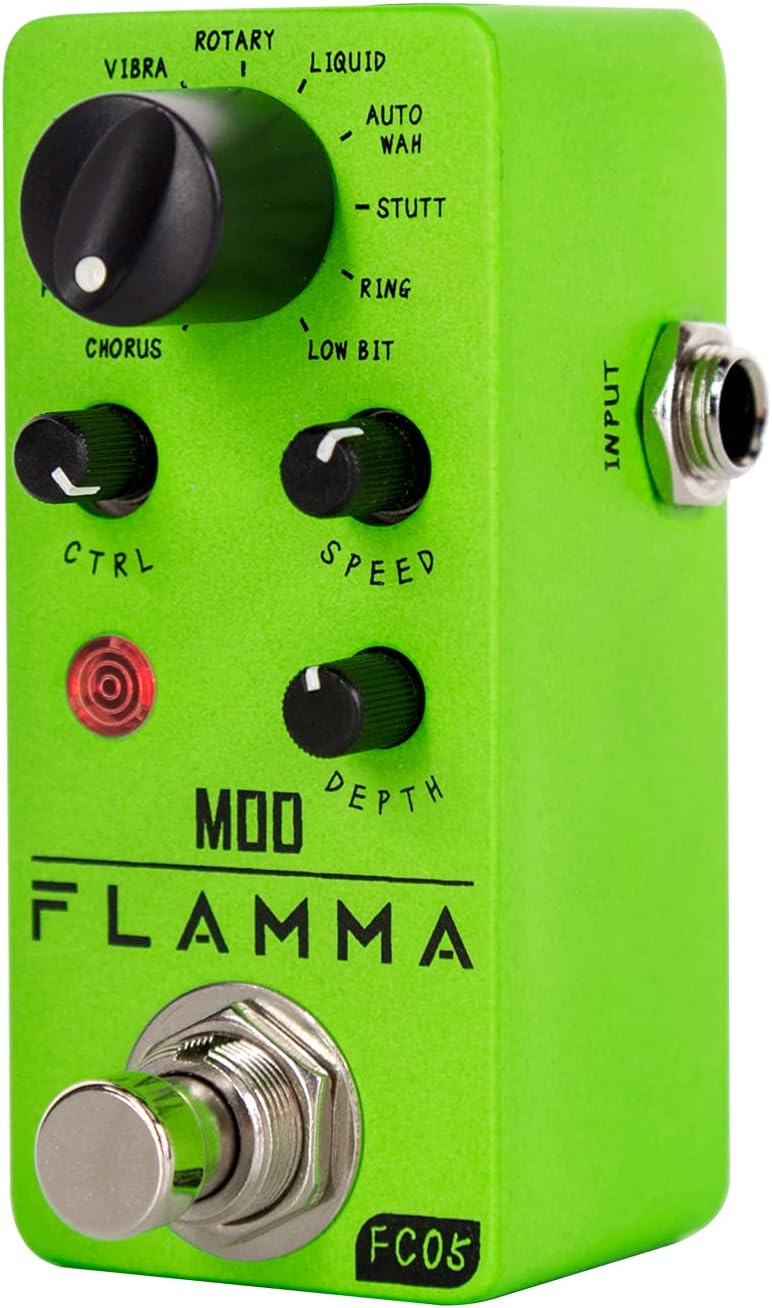 |
|
| Product Dimensions: 3.27" x 1.85" x 2.05"; Item Weight: 6.7 ounces |
| JHS Pedals 3 Series Harmonic Trem |  |
|
| Product Dimensions: 5.8" x 3.4" x 3.35"; Item Weight: 4.2 ounces |

bestguitarequipment.com is a participant in the Amazon Services LLC Associates Program, an affiliate advertising program designed to provide a means for website owners to earn advertising fees by advertising and linking to Amazon.com, and any other website that may be affiliated with Amazon Service LLC Associates Program.