Loopers change how you write, practice, and perform. Whether you want to sketch song ideas, build vocal harmonies, or test arrangements alone, a good looper pedal gives you a flexible, immediate way to create full arrangements without a band. In this guide you will learn what matters for songwriters in 2025—ease of use, sound quality, record time, storage, and workflow—and how to match those priorities to pedals so you spend money on the tools that actually help you write better songs.
| Category | Product | Score |
|---|---|---|
| 🏆 Best Simple Looper | BOSS RC-1 | 90/100 |
| 💰 Best Budget 3-Track | Donner Triple | 82/100 |
| 🎯 Best Starter Bundle | BOSS Bundle | 88/100 |
| 🚀 Best Compact Power | BOSS RC-5 | 92/100 |
| ⭐ Best Value Features | LEKATO 9-Loop | 80/100 |
| 🔰 Best Drum + Looper | Donner Circle | 85/100 |
| 💼 Best Pro Busking | Sheeran Looper | 88/100 |
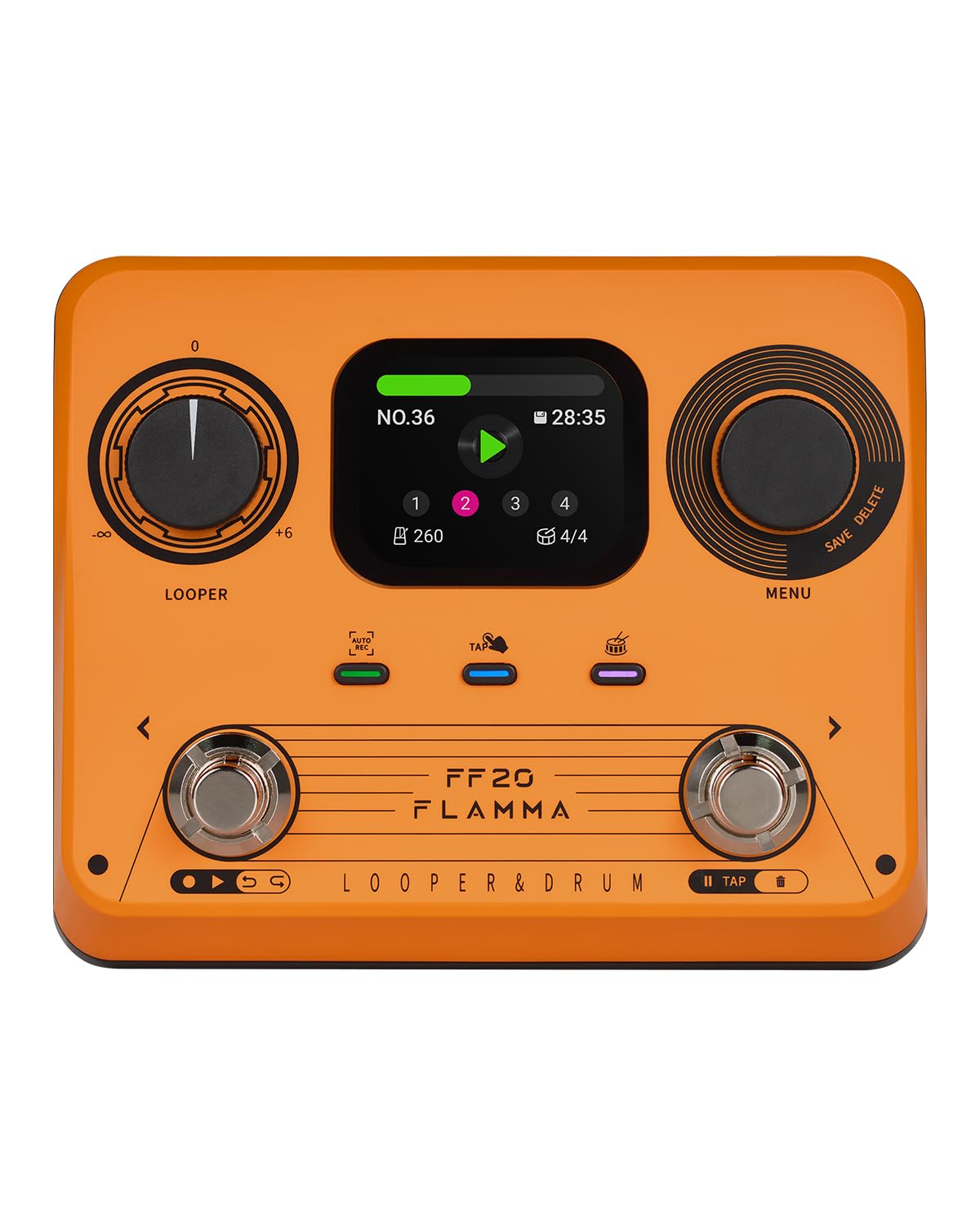
| 🎨 Best Drum Options | FLAMMA FF20 | 83/100 |
| 🔊 Best Touchscreen Looper | MOOER GL100 | 81/100 |
| ⭐ Best Simple Memory | Ditto+ | 86/100 |
You need a looper that supports the way you write and perform. We evaluated pedals on five songwriter-centered criteria: 1) Workflow — how straightforward is recording, overdubbing, undo/redo and loop management so you stay in the creative zone; 2) Sound quality & fidelity — low noise, clear overdubs, and transparent dry signal so your loops feel musical; 3) Recording time & memory — enough record time and save slots for your process (idea sketching vs.
set building); 4) Connectivity & expandability — MIDI, USB, external footswitch jacks and stereo I/O for the setups you will grow into; 5) Value & reliability — how much capability you get for the price and whether the brand has a reputation for durable hardware. You can use these same filters: decide whether you prioritize ease of use, advanced features, drum integration, or simply the lowest-friction tool to get more songs finished.
If you're getting into looping without wanting to wrestle with menus, the RC-1 is built so you can just play. You tap to record, tap to overdub, and the circular 24-segment LED gives you a clear visual of Rec/Overdub/Play status so you stay in the moment.
It handles guitar, bass, keyboards, drum machines and even synths via stereo in/out, and it runs on battery or AC power so you can rehearse at home or take it busking. For daily writing sessions it’s great for sketching arrangements and layering ideas; for small live setups it’s a reliable backing tool that won’t overcomplicate things.
If you want a no-nonsense looper that gets you creating fast, the RC-1 is an easy recommendation.
Most people appreciate how straightforward and reliable the RC-1 is — it’s repeatedly described as easy to learn and dependable in performance. Customers often mention the clear LED ring and the pedal’s responsiveness to your foot timing, plus the generous recording time and clean sound with low hiss.
A few users note they’d like more advanced features, but many say that simplicity is precisely why this pedal works so well for practice, songwriting, and small live setups.
Overall Sentiment: Positive

You can use it for quick songwriting sketches at home, layering harmonic parts in practice, or as a compact backing tool for small gigs and busking. It accepts stereo inputs, so it plays nicely with keyboards and drum machines as well as guitar and bass.
Compact metal housing in BOSS red with a bright circular LED display gives it a classic, road-ready look that reads well on a pedalboard and in a live setup.
The circular 24-segment LED indicator is a small but clever touch — it removes guesswork about loop state and timing, which helps you stay focused on playing rather than fiddling with settings.
If you want a straightforward looper that gets you layering ideas without a steep learning curve, this is a solid pick. You get three save slots (handy for working on different song sections), a clear screen that shows loop progress, and one-footswitch operation so you’re not hunting through menus mid-take. It’s small enough to live on a crowded pedalboard and durable enough for regular practice, yet capable of long-form looping for more experimental writing sessions.
Use it for quick daily songwriting sketches, building arrangements at home, or as a compact backing tool for small live setups and busking. For what it does—simple, reliable looping with a few thoughtful touches—it’s easy to recommend to songwriters who want flexibility without fuss.
Across user feedback people often highlight how easy the Triple Looper is to get going with—the single-switch workflow and visible screen are frequently praised. Many like the three saving slots and the generous total recording time for sketching full ideas, and customers often mention clean sound and reliable overdubs. A smaller group notes occasional quality-control hiccups or confusing saved data on arrival, but overall the common thread is that it delivers features you actually use without getting complicated.
Overall Sentiment: Positive

You can treat it as your everyday songwriting companion for building demos, use separate slots to store verse/chorus/bridge ideas, or bring it to a small gig as a simple backing machine. It accepts standard instrument inputs so it works well with guitar, bass, keyboards or small electronic setups — useful whether you’re practicing in a tiny apartment or looping on the move.
The compact white enclosure and bright backlit screen give it a clean, modern look that stands out on a pedalboard without being flashy. Its small footprint makes it unobtrusive but still readable onstage or at the kitchen table.
The combination of three save slots, long cumulative recording time, and automatic file saving is a thoughtful mix for this price and size—especially the way the screen keeps timing info front-and-center so you stay in the moment while layering parts.
If you want something that gets you layering ideas fast, the RC-1 Bundle is one of those pedals you won’t overthink. You get a super-clear circular LED that shows Rec/Overdub/Play status at a glance, 12 minutes of stereo recording for full ideas, and the option to run on a 9V battery so you can sketch songs anywhere. It’s small enough for a crowded pedalboard, simple enough to stop you fiddling with menus, and the included power adapter and cables mean you can plug in and start looping right away. Use it for daily songwriting warm-ups, quick demoing at home, or as a compact backing tool when you busk or play small gigs — if you want reliable, no-fuss looping that keeps the focus on your playing, this is a solid pick.
Most folks like how straightforward the RC-1 is—the indicator and simple single-switch workflow make learning to loop less frustrating. People often praise the build quality, the convenience of the included power adapter and cables, and the sound clarity for both guitar and small stereo setups.
A smaller number mention occasional shipping or quality-control hiccups, but overall the common impression is that it delivers dependable, easy-to-use looping without extra complexity.
Overall Sentiment: Positive

You can use this as your everyday songwriting sketchpad, layering chords, rhythm and quick vocal ideas, or stash it in a gig bag for lightweight busking setups. The stereo I/O and compact footprint also make it useful with synths or small rigs, and battery operation means you can experiment outside the studio or on a long transit day.
The top-mounted circular LED is not only practical but visually pleasant on a pedalboard — it gives an immediate, almost analog feel to what you’re doing. The compact, road-friendly housing looks understated and won’t draw attention away from your other pedals.
The RC-1 keeps things simple but smart: that 24-segment LED indicator is a small design choice that meaningfully improves timing, and retaining recorded phrases when powered off means your ideas aren’t lost between sessions. It’s a neat example of thoughtful, user-focused design rather than piling on features.
If you like to sketch song ideas quickly and then flesh them out, the RC-5 is one of those pedals that quietly does a lot without getting in your way. You get pristine 32-bit audio, a bright multi-color LCD that helps you see loop status at a glance, and enough onboard rhythms and phrase memory to keep sessions moving—99 slots and 13 hours of stereo recording mean you won’t run out of space for ideas. It’s small enough to tuck on a crowded board, runs on a 9V battery when you need portability, and still offers MIDI and USB when you want tighter studio or live control.
Use it for everyday practice, layered demos at home, or as a compact backbone for busking and intimate gigs; if you want a compact looper that scales from quick sketches to more involved arrangements, this one’s a strong, practical choice.
People commonly praise how much capability BOSS packed into a compact pedal—clean audio, useful rhythms, and that multi-color display show up a lot in positive comments. Users also mention the sturdy build and flexible connectivity (MIDI/USB) as big wins. A few note a learning curve to master the menu system and recommend using a power adapter rather than running long sessions on batteries; there are occasional mentions of drum-loop volume and rare early-failure reports, but those are not the norm.
Overall Sentiment: Positive

You can treat the RC-5 as your daily songwriting companion—layering chord sketches, vocal hooks and simple beats—then shift it into performance mode for busking or small gigs using the onboard rhythms and external foot controls. It also works nicely in the studio as a compact sampler/recorder thanks to USB transfer and MIDI syncing, so it fits both quick idea-capture and more deliberate arrangement work.
The RC-5’s compact black-and-red housing feels purposeful and road-ready, and the multi-color LCD adds a modern, helpful visual cue that looks neat on a pedalboard. It’s unobtrusive but smart-looking, so it blends in whether you’re on stage or at a kitchen-table writing session.
Where this pedal stands out is in squeezing advanced tech into a small package: class-leading 32-bit conversion and floating-point processing for clean audio, space-saving mini TRS MIDI jacks, and features like reverse, one-shot and extensive rhythm options. Those choices make it a thoughtful, modern take on what a compact looper can do.
If you want a no-nonsense looper that covers most of what a songwriter needs, this is the kind of pedal you reach for when ideas are flowing. You get nine memory slots and roughly 40 minutes of total recording time, clean 48k/24bit audio, a simple tuner on board, and USB import/export so you can move WAV files between your computer and the pedal.
It’s metal-bodied, comes with a power supply, and keeps things straightforward: record, overdub, undo/redo and save without a complicated menu. Use it for daily practice, sketching song structures at home, saving backing tracks for a coffee-shop set, or bringing a compact loop station to a rehearsal — it’s practical and forgiving enough to be part of both casual idea-capture and small live situations.
You’ll notice most people appreciate how much usefulness is packed into a simple, sturdy unit — clear audio, reliable looping and the convenience of a built-in tuner and USB file transfer come up a lot. Folks also like that it ships with a power adapter and feels solid underfoot. Common grumbles are about the single-switch design and small buttons for loop switching, which can take a bit of practice if you want quick live changes.
Overall Sentiment: Positive

Treat it as your everyday sketchpad: lay down chord beds, try vocal melodies over a loop, or import backing tracks from your laptop. When you need it for a low-key gig or practice session it handles basic live looping duties, and its USB transfer makes it handy for moving ideas into a DAW for later arrangement.
The metal housing feels durable and a little industrial, which suits a pedal you’ll stomp on. Helpful LED indicators and a compact footprint make it easy to fit on a crowded board without drawing attention away from your other gear.
The pedal isn’t trying to reinvent looping so much as bring useful studio-friendly features — like 48k/24bit recording and USB WAV import/export — into an affordable, compact package. That combination gives you workflow-friendly tools (tuner, file transfer, decent sample rate) without a steep learning curve.
If you write songs and want a single pedal that gets rhythm and looping out of the way, this is the kind of box you reach for. You get a 24-bit stereo looper with 40 memory slots (4 minutes per slot, 160 minutes total) plus a built-in drum machine with over 100 grooves.
The bright display and simple controls make it easy to sketch chord beds, layer vocal harmonies, or practise with a tight rhythmic backing. Use it for everyday idea capture at home, quick demos you’ll export to your DAW via USB, or compact live setups and busking — it even auto-saves your takes so you don’t lose a good idea.
It’s not trying to be the most advanced looper on the planet, but for songwriters who want drums and looping in one reliable, portable unit, it’s a very practical pick.
Buyers repeatedly point out how handy it is to have a decent drum machine built into a looper — people like the variety of grooves, the straightforward controls, and the auto-save/USB workflow for getting loops into a computer. Many praise the build quality and how intuitive it feels right out of the box. Common gripes include the missing power supply (you have to buy one separately), the drum audio sometimes feeling a bit loud or not merged into saved loops the way some users expect, and a few reports of needing to adapt to the two-button footswitch layout.
Overall Sentiment: Positive

You can treat it like a daily sketchpad — lay down chord loops, experiment with vocal harmonies, or practise timing with a realistic drum groove. For small live gigs or busking it covers rhythm and looping without extra gear, and the USB export feature makes it easy to pull ideas into a DAW when you’re ready to arrange.
The white finish is clean and unobtrusive, and the unit’s compact footprint keeps your board tidy. The display is bright and informative, and the stomp switches feel solid underfoot, so it looks and feels like something you can rely on.
Its strength is practical innovation: combining a full drum module with a multi-slot looper, automatic saving, and USB WAV transfer rather than adding overly complex features. That focus on workflow — quick rhythm selection, tap tempo, and straightforward overdubbing — is what makes it useful for songwriters more than flashy extras.
If you write songs and want a looper that gets out of the way and helps you create, this one is built for that. You can lay down two tracks, overdub freely, save up to 128 loops and carry the unit for street playing or small gigs thanks to a steel chassis and battery operation.
The full‑color screen and RGB ring give clear visual cues while the USB audio interface makes it easy to record or stream straight to your DAW. It’s especially handy when you need a compact, reliable setup for rehearsals, busking or quick home demos — just be aware it follows a specific workflow inspired by Ed Sheeran, which many people find intuitive once they get used to it.
Customers commonly praise the sound quality and rugged build — lots of people mention the clear audio even after multiple overdubs and the satisfying feel of the big footswitches. Reviewers also like the screen, RGB ring, USB recording and the ability to save many loops.
On the flip side, some note the unit follows a specific workflow that may feel limiting if you want more customizable routing, and a few users report isolated reliability problems.
Overall Sentiment: Positive

You can use it as a daily sketchpad — capture chord progressions, layer vocal parts, or practise with a second track for rhythm. For special occasions it handles small live sets and busking sessions well, and the USB interface makes it simple to move polished takes into your DAW for arranging or streaming.
The black finish and compact footprint look professional on a pedalboard; the 1.8" color screen and RGB status ring give a modern, informative look. It feels substantial underfoot, which matches the impression of durability and stage readiness.
The combination of a dual‑track looper designed around a real artist’s workflow, custom HeadRush DSP for high‑quality audio, and integrated USB audio/loop transfer feels practical rather than flashy. That focus on real‑world workflow and portable recording is where it stands out for songwriters and buskers.
If you like to sketch song ideas fast, this pedal is a tidy little workhorse. You get nine loop slots, a long total recording time and a clear LED timeline that helps you stay in the pocket while layering parts.
The built‑in tuner and USB import/export make it useful for both quick practice sessions at home and moving takes into your DAW. It’s compact and metal‑bodied, so you can tuck it on a small pedalboard or toss it in a gig bag — I’d recommend it if you want lots of loop time without fuss.
You’ll notice most people love how much looping time you get and how straightforward the interface is — the LEDs and loop banks make timing easier than you’d expect from a budget pedal. Reviewers also highlight the tuner and lossless audio as real upsides. On the other hand, a handful of users mention sensitivity to the power supply or small buttons that are fiddly to change by hand, so plan for an isolated 9V adapter if you want the cleanest setup.
Overall Sentiment: Positive

Use it as a daily sketchpad to capture chord progressions, practice soloing over layered rhythms, or add quick vocal ideas; the long memory means you can keep several song sketches ready. For small gigs or busking it’s compact enough to sit on a tiny board, and the USB makes it simple to move takes into your DAW when you want to turn a rough loop into a polished demo.
The black metal casing looks clean and professional on a board, and the bright LED ring/display gives you clear visual feedback so you’re not guessing when to jump in. It feels solid underfoot despite the compact footprint, which helps it blend into both home rigs and portable setups.
What stands out is squeezing long, uncompressed recording and a tuner into a tiny looper while keeping USB transfer. It’s not reinventing looping, but it brings practical features usually found on pricier units into a compact, useful package for songwriters who want more memory and clearer audio without extra clutter.
If you want a tiny, no-nonsense looper to capture song ideas fast, this is an easy one to live with. You get three separate loop banks (up to six minutes each), a visual LED timeline that helps you stay in time, and an auto-start sync mode so the pedal begins when your signal arrives.
The unit records in 48 kHz/24‑bit and uses an Analog‑Dry‑Through design, so your tone stays clear while you layer parts, and USB import/export makes moving loops into a DAW straightforward. It’s metal-bodied and compact enough for a small board or a backpack — a solid pick if you want reliable features without a steep learning curve.
You’ll notice reviewers consistently praise how simple it is to use and how clear the audio sounds for a compact looper — the LED ring and tuner are frequent highlights. Folks also appreciate the USB transfer and auto-save, though a number of users point out the limited three-slot storage, the lack of a included power supply, and occasional noise or power hiccups.
Overall Sentiment: Positive

Use it as a daily sketchpad to capture chord progressions, riffs and vocal ideas, practice layering parts at home, or add simple loops for small acoustic gigs and busking. The USB workflow means you can also export good takes to your computer when you want to flesh a sketch into a demo.
The compact gray metal body looks clean on a pedalboard and feels solid underfoot. The bright LED timeline is both functional and attractive, so you get useful visual feedback without a bulky display.
Packing synchronous auto-start, a tuner and 48K/24‑bit lossless recording into a tiny looper is the main smart move here. It doesn’t reinvent looping, but it brings practical, studio-friendly features into a travel-sized box — the trade-off is fewer loop slots than larger units.
If you write songs and play bass, this is a very practical little workhorse. You get 70+ effects, 13 amp emulators, an integrated expression pedal, a looper and a rhythm section, plus a tuner — all in a compact, battery-powered box that also runs over USB.
That makes it great for quick idea-capturing at home, practice sessions, small gigs or busking, and exporting patches or recordings to your computer with Guitar Lab. It won’t replace high-end rig setups, but if you want portability, a wide palette of tones and something that’s easy to carry between rehearsal and the couch, this is a solid pick you can rely on.
Users commonly applaud the B1X Four for delivering a wide range of usable tones and useful tools for songwriting — the amp models, compressor settings and expression pedal come up a lot as highlights. People also like the looper and drum patterns for practice, and the USB connectivity for editing patches. Typical downsides mentioned are the plastic housing, battery drain if you rely on AAs, and that it’s an entry-level model rather than a pro-grade floor unit.
Overall Sentiment: Positive

Use it as a daily sketchpad to capture riffs, basslines and structure with the looper and drum grooves, practice with the tuner and rhythms, or bring it as a compact backup on small gigs and busks. The USB connection also means you can move presets and recordings into your DAW when you’re ready to turn a sketch into a demo.
The bright red, compact plastic chassis looks approachable and won’t dominate a pedalboard. The 128x32 dot-matrix LCD is small but clear, and the overall layout keeps controls reachable without a steep learning curve.
Packing an expression pedal, amp modeling, looper, drum machine and a tuner into a battery-powered floor unit is a smart all-in-one move. The Guitar Lab app and USB workflow make editing and sharing patches easier, so it brings practical studio-style convenience to a travel-friendly box.
If you like building songs layer by layer, this pedal feels like a tiny studio you can stomp on. You get a stereo looper with 100 save slots and up to 300 minutes of recording, plus a built-in drum machine with hundreds of grooves that actually make practice and sketching feel musical. The bright 2-inch color screen and features like time-stretch, auto-record and one-shot modes mean you can shape a phrase without needing a laptop, and USB file transfer lets you move ideas back and forth when you want to polish them.
It’s ideal for late-night writing sessions, home practice with headphones, busking or small gigs where you want solid backing without hauling a full rig — not a pro rack replacer, but a very capable creative workhorse you’ll reach for when you want to turn a riff into a song.
You’ll notice customers often call out the drum sounds and the amount of memory as the biggest wins — people like that the grooves feel usable and that there are lots of slots to save ideas. Ease of use comes up a lot too; users say the screen and simple footswitch layout make it quick to get into creative work.
Some buyers mention the plastic housing and low-profile knobs as cosmetic or ergonomic downsides, and several recommend it more for practice and songwriting than heavy gigging.
Overall Sentiment: Positive

Use it as your everyday sketchpad to layer guitar or bass parts, record ideas and build arrangements with the looper and drum grooves. It’s great for quiet practice with headphones, for busking or small-stage setups where you need convincing backing without extra players, and you can import/export WAVs over USB to move a demo into your DAW when you’re ready to develop it further.
The bright orange finish is eye-catching and gives the pedal personality on a board. The plastic chassis keeps it lightweight and portable, though some players feel it looks and feels less premium than metal-bodied pedals — it’s functional and approachable rather than luxury-grade.
Combining a full-featured looper with a comprehensive drum machine, time-stretching and a color display in a compact stompbox is a neat bit of design thinking. The USB workflow for WAV transfer and the large number of save slots make this more than a toy — it’s a creative tool that bridges quick idea capture and longer-form demo work.
Think of this as a tiny, honest studio you can stomp on. You get a stereo looper with 100 save slots (300 minutes total), a built-in drum machine with tons of grooves, and a 1.3-inch touchscreen that surfaces settings without needing a laptop. Features like auto-record, time-stretch and automatic quantizing mean you can capture half-formed ideas and tidy them up on the fly, and the USB editor makes moving WAVs in and out painless when you want to finish a demo.
It’s great for everyday practice, late-night songwriting, and smaller gigs or busking when you want convincing backing without hauling lots of gear — not a pro studio replacement, but a really capable sketchpad you’ll reach for again and again.
Customers commonly praise the drum sounds and the large memory capacity — people like that the grooves are usable and there’s plenty of room to save full ideas. Many note the touchscreen and auto-record/quantize features as time-savers for songwriting, while a handful mention the screen can feel small and some advanced functions (drum auto-match, undo behavior) could use firmware tweaks. Overall users appreciate the creative flexibility for practice and demoing ideas.
Overall Sentiment: Positive

Use it as your daily sketchpad to layer guitar or bass parts, practice with a convincing drum backing, or build rough arrangements for later studio work. It’s handy for quiet sessions with headphones, for busking or small-stage setups, and the USB workflow makes it straightforward to move a rough take into a DAW when you want to flesh it out.
The GL100 is compact and lightweight, with a modern layout centered on the touchscreen. The plastic chassis keeps it portable and easy to tuck on a small board; it’s functional and unpretentious rather than luxurious, which suits most home and street players.
Putting a touch display, robust drum-machine library, time-stretching and a large number of memory slots into a compact stompbox is a smart move — it bridges instant idea capture and longer-form demo work. The combination of auto-record, quantize and USB editing brings a workflow that helps you spend more time songwriting and less time wrestling with settings.
This is a surprisingly capable drum‑looper you can keep on your board. You get a stereo looper with 100 save slots (300 minutes total), a bright 2-inch display that keeps things clear, and a drum machine with over 200 grooves so your parts feel like songs rather than lonely riffs. Features like time‑stretch, auto‑record and easy USB file transfer mean you can capture an idea, tweak its tempo, and move it to your DAW without a laptop crammed into your practice space.
It’s great for everyday songwriting, quiet headphone practice, home arranging sessions and small gigs or busking when you want full backing without hauling a drummer. If you want a looper that pushes ideas forward with built‑in rhythms and sensible workflow tools, this is one you’ll reach for when inspiration hits.
You’ll notice most people praising the drum sounds and the large memory—users say the grooves are actually usable and there’s plenty of room to store full ideas. Folks also highlight the intuitive controls, the screen that clarifies settings, and the USB workflow for moving takes to a computer. A few mention build quality and ergonomics (plastic case and low knobs) as areas that could be improved for heavy gigging.
Overall Sentiment: Positive

Use it as your daily sketchpad to layer guitar or bass parts with convincing drum backing, or build polished backing tracks you can play live. It works well for late‑night headphone practice, quick demoing with USB export, and smaller performances where you need compact, full‑sounding support.
The mint green finish gives it a playful, vintage‑ish look that stands out on a pedalboard. The compact footprint keeps it easy to tuck into a smaller setup; the plastic chassis is lightweight and functional, even if it doesn’t feel like a boutique pedal.
Packing a large drum library, time‑stretch, auto‑record and 100 save slots into a compact stompbox is a smart blend of songwriting utility and live practicality. The combination of performance tools and simple USB file handling shortens the gap between idea capture and finished demo.
The RC-500 is a two-track workhorse that lets you build full arrangements without needing a laptop strapped to your lap. You get independent Track 1 and Track 2 controls, a solid-sounding 32-bit audio path, built-in rhythms and drum kits, and plenty of onboard memory for saving phrases. It’s equally at home as a daily sketchpad—layering guitar, voice or keys while you noodle out song ideas—and as a performance tool for solo sets or busking where you want a compact but powerful rig. The loop effects and MIDI/USB options mean you can experiment with textures and then export ideas to your DAW or control the pedal from other gear.
If you want a looper that’s designed for creative flexibility and real-world use, this one’s hard to beat.
Most users highlight the sound quality and dual‑track workflow as standout strengths—people say it preserves clarity even with saturated tones and that having two independent tracks changes how they write and perform. Owners often praise the built‑in rhythms, memory system and MIDI options for making the unit useful both on stage and in the studio.
A common caveat is a learning curve to unlock advanced features and modest battery runtime if you rely on AAs instead of mains power.
Overall Sentiment: Positive

Use it as your everyday idea capture tool to layer vocals, guitar and synths, or bring it to rehearsals and small shows to run full backing parts from a single pedal. It’s great for practice, arranging on the fly, creating backing tracks for busking, and for studio sketching where you want quick WAV exports.
The red finish and clear multi‑color backlit LCD give it a bold, pro look on a pedalboard. It’s a sturdy, functional design that reads well onstage; the plastic chassis keeps weight down while the layout of footswitches and displays feels thought‑out.
Combining two full tracks, 32‑bit processing, onboard rhythms, Loop FX and compact MIDI/USB connectivity in one stompbox gives you studio‑grade features in a performance‑ready package. The blend of real‑time performance tools and deep control options is especially helpful if you like to push looping beyond simple repeats.
This little box makes looping feel effortless. You can sketch ideas in minutes, layer vocals and guitar for practice, or load backing tracks before a small gig and recall them from the pedal. It keeps up to 99 loops, remembers them after you power down, and the high‑resolution display actually tells you what’s going on without squinting.
The one‑knob control keeps the learning curve low, while USB import/export and 24‑bit audio mean you can treat it like a portable studio tool when you want to move ideas into a DAW. If you want something compact, reliable and not fussy, this is an easy pedal to recommend.
Customers commonly praise how easy the Ditto+ is to use and how well it preserves your guitar tone, calling out the clear color display and audio quality. People also appreciate the 99‑slot memory and USB backup for saving ideas, while a few note that some advanced features take a little poking around to master.
Overall Sentiment: Positive

Use it as a daily songwriting sketchpad to capture chord progressions and vocal ideas, as a practice tool to build and loop parts, or preload backing tracks for small shows and busking. It’s small enough to sit on a crowded pedalboard but powerful enough to export clean WAVs when you want to work on parts in your DAW.
Compact and understated, the Ditto+ won’t dominate your board. The hi‑res color display adds a modern touch that makes navigation feel less fiddly, and the tidy layout keeps everything readable onstage.
The Ditto+ blends old‑school simplicity with a few modern tricks: extended loop length options, a color display for real‑time loop info, USB transfer and 24‑bit uncompressed audio — all packaged in a tiny, familiar stompbox.
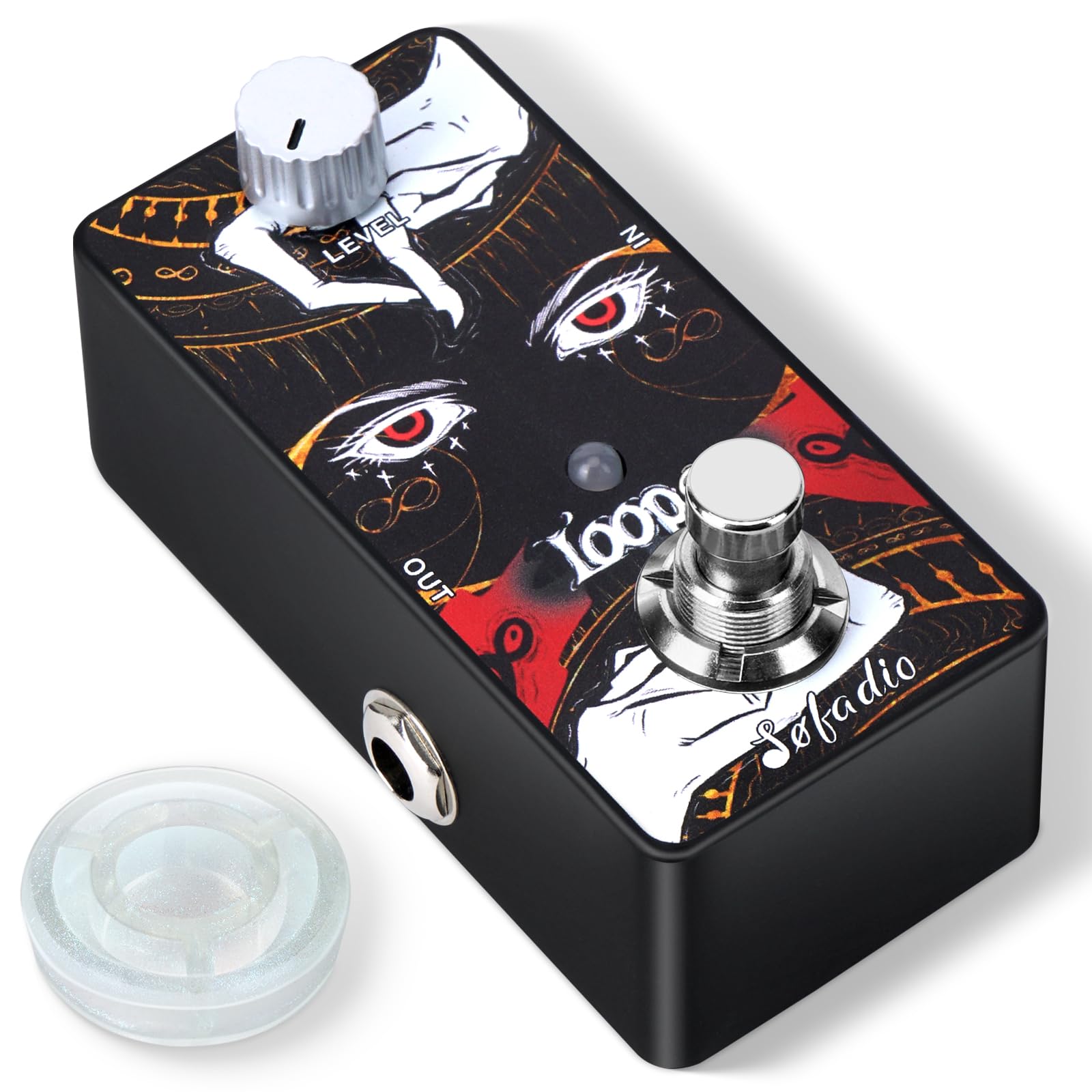
You get a tiny, straightforward looper that behaves like a songwriting sidekick. It uses one footswitch and a single knob to record, play, overdub, stop and clear, and it stores loops automatically so your takes stick around even if the unit loses power.
With up to 30 minutes of loop time and a compact footprint, it’s great for sketching ideas at home, building layers in practice, or running a simple backing part on a small gig or busking session. It’s not trying to be a studio multi‑tool — it’s about quick ideas, easy live use and not overcomplicating your signal chain.
If you want something light, intuitive and made to keep you playing, this pedal fits that bill.
Most folks like how simple and useful this looper is: quick to learn, surprisingly capable for the size, and handy for capturing ideas or adding layers live. Customers often mention the auto‑save and long loop time as standout features, while a minority report occasional noise, a stiff switch or reliability issues.
Overall the consensus is that it punches above its weight for everyday songwriting and small‑show use.
Overall Sentiment: Positive

Use it as your go‑to songwriting sketchpad to trap chords and melody ideas, as a practice tool to loop rhythm parts and work on solos, or load a long loop as a backing for solo busking and intimate gigs. It’s compact enough to live on a busy pedalboard and simple enough to be a reliable tool when you need to keep arrangements minimal.
A low‑profile black stompbox that keeps the visual focus on your board rather than itself. The compact size and tidy control layout look clean on stage, and some variants have illuminated knobs that add a subtle modern touch.
The pedal’s cleverness is in making persistence and long loop time accessible in a tiny package: automatic file saving means you don’t lose takes, and the single‑control design simplifies live operation. It’s not flashy tech, but it brings practical, user‑friendly features to an affordable compact looper.
You get a compact, feature‑dense looper that doesn't force you to choose between simplicity and capability. With three independent loops and up to 18 minutes total recording time (about 6 minutes per loop), you can sketch full song ideas, build multi‑layered practice loops, or run backing parts for intimate gigs.
The SYNC recording mode helps you drop into recording without awkward timing gaps, the built‑in tuner keeps you stage‑ready, and USB import/export plus auto‑save mean your takes survive power cycles and are easy to move to a DAW. For everyday songwriting and small‑show use, it’s a practical tool that feels like an honest upgrade from bare‑bones stompboxes — compact enough to sit on a busy board but packed with tricks that actually matter when you’re writing or playing live.
You’ll notice most people appreciate how much LEKATO squeezes into a small package: easy setup, clear tone, and useful extras like the tuner, visual loop timer and USB file handling come up a lot. Users frequently praise the sync recording and auto‑save features for preserving takes and keeping live timing simple, while a smaller group flags occasional latency or compatibility issues and mixed experiences with support.
Overall Sentiment: Positive

Use it as your daily songwriting sketchpad to capture chord progressions, melodies and quick arrangements; keep it on the practice rig to loop rhythm parts and work on solos; or load longer loops and use it as a backing tool for solo busking and small café gigs. It’s small enough for a cramped pedalboard but capable enough to jump into lightweight recording workflows via USB.
A compact gray metal stompbox with a clear time indicator and tidy controls — it looks understated on a board and won’t steal visual focus on stage. The small footprint and simple layout give it a clean, professional vibe that suits both home setups and modest live rigs.
The clever bits are practical rather than flashy: uncompressed 48K/24bit audio in a tiny unit, synchronous recording that avoids missed phrases, and automatic saving plus USB transfer so loops survive power loss and are easy to edit offboard. It’s innovation aimed at making real‑world songwriting and small‑venue playing less fussy.
You pick this up when you want a no‑nonsense looper that just works. The Ditto keeps things simple: one button to record/play/overdub, five minutes of clean 24‑bit looping and unlimited overdubs with undo/redo so you can experiment without losing takes. It preserves your tone with true bypass and analog dry‑through, so tweaking amp settings while a loop runs actually helps you hear differences. For everyday songwriting it’s a fast sketchpad; for practice it helps you target timing and phrasing; and for busking or small gigs it’s a compact backing tool that won’t hog pedalboard real estate.
If you want something low‑fuss that nudges you to play more and think less about the gear, this is a reliable pick.
Most users praise how effortlessly it captures ideas — the one‑button workflow and the pedal’s sound quality come up a lot. People consistently note the tiny size and tone‑preserving true bypass as big wins for practice and live use.
A minority mention occasional clipping when layering aggressively and wish a power supply was included, but overall feedback centers on how it makes practice and songwriting easier.
Overall Sentiment: Positive

Use it as your daily idea recorder when a chord progression or melody hits; keep it on the practice rig to loop rhythm parts and build solos; and take it out for simple busking or coffee‑shop gigs as a compact backing unit. It’s versatile enough for quick sketching, tone diagnostics while you tweak gear, and creating layered arrangements without a complicated workflow.
A tiny, unassuming stompbox with a clean layout and a single LED indicator — it’s designed to blend in rather than stand out. The small form factor and minimalist controls give it a tidy, practical look on any board.
The Ditto isn’t about flashy extras; its innovations are practical: 24‑bit uncompressed audio in a pocket‑sized unit, analog dry‑through that keeps your live tone intact, and simple undo/redo in a one‑button design. That focus on sound and workflow is where it shines.
You get a compact multi‑effects workhorse that doubles as a songwriting buddy. The GE150 Pro puts amps, cabinets, effects, a drum machine and an 80‑second stereo looper under your foot so you can sketch arrangements, practice with a rhythm track, or build full backing parts for a gig.
The four multi‑purpose footswitches and expression pedal make live control intuitive, and the USB‑C/OTG recording plus IR loading means you can move ideas to your phone or DAW quickly. For everyday use it’s a grab‑and‑play tone box that shortens the path from idea to loop; for weekends away or small shows it’s a portable, all‑in‑one rig that keeps you playing rather than patching.
If you like a device that encourages jamming and songwriting without feeling fiddly, this one’s worth a look.
Customers commonly highlight how much functionality MOOER packs into a small unit — the tones, the looper and the drum patterns get frequent praise. People often mention the battery option, easy USB recording, and the ability to load IRs as real conveniences.
A few note the expression pedal and some UI quirks as areas that could feel a bit fiddly, but overall feedback centers on its usefulness for practice, quick recordings and portable jam sessions.
Overall Sentiment: Positive

Use it as your daily practice companion for running chord loops and trying melodies over drum parts, keep it on the practice rig to test amp sims and speaker IRs, and bring it to an open mic or campground to cover rhythm, effects and backing tracks without hauling a full rig. It’s equally handy for sketching song ideas at home or creating a simple live setup for small venues.
The GE150 Pro has a clean, neutral white finish and a tidy layout that looks approachable on a pedalboard. Its compact footprint and clear screen keep things visually straightforward rather than flashy, which suits players who prefer function over ornamentation.
The unit blends practical innovations: MNRS modelling with amp/cab sample support, an integrated 80‑second stereo looper and drum machine controllable by the four footswitches, plus OTG USB recording and IR loader capability. Those features together make it a modern, portable sketchpad for players who want recording and live tools in one box.
Think of this as a pocket-sized rehearsal and songwriting companion. You get a large, easy-to-read screen, lots of presets to browse, a 180‑second looper and a drum machine that helps you sketch parts fast.
For day-to-day practice it’s great for running chord loops, trying amp sims and exploring effects without dragging a full rig out. For nights when you want a simple backing track — a busking session, a quick open mic or a bedroom demo — the GE100 covers drums, loops and tone shaping in one box.
It’s not a pro rack, but if you want an affordable, do-everything unit that keeps your ideas moving, this is a solid pick.
People tend to praise how much this little unit packs into a compact package — the screen, looper and drum patterns are mentioned a lot as useful songwriting tools. Customers also appreciate the number of presets and the expression pedal flexibility, while common caveats include a learning curve to access everything and occasional inconsistencies in preset volume or firmware quirks.
Overall Sentiment: Positive

Use it as a daily practice tool to loop chord progressions and try melodies over drum parts, stash it in your travel bag for impromptu practice sessions, or run it as a simple backing rig for small gigs and busking. It’s flexible enough for bedroom demos, songwriting sessions and casual live use where you want fewer cables and more immediate ideas.
The GE100 has a functional, compact look with a large, readable display that makes browsing patches painless. It’s more about clarity than flash — the layout stays tidy on a small pedalboard and feels approachable rather than overdesigned.
The combination of a long looper, built‑in drum machine, a sizeable preset library and assignable expression controls makes this a practical all‑in‑one sketchpad for songwriters. The inclusion of scale and chord learning tools alongside the performance features helps bridge practice and creation in one unit.
If you like sketching song ideas quickly, this thing is a handy little sandbox. You get a big bag of effects, amp and cab sims, a drum machine and a 30‑second looper all in one compact floor unit, so you can build parts, practice with a groove and capture ideas without hauling a rig. For daily practice it’s great for looping chord progressions, dialing in tones and staying on tempo; for busking, bedroom demos or quick open‑mic sets it covers backing drums and basic looping so you can focus on the song. I’d recommend it if you want an all‑in‑one creative tool that saves time and keeps you writing.
Customers commonly note how much functionality is packed into a single unit — the presets, drum patterns and looper get mentioned a lot as practical songwriting helpers. People also appreciate the expression pedal and amp/cab options for shaping tone, and many say customer support and firmware updates helped smooth rough edges.
Typical caveats are a modest learning curve and the occasional unit or setup hiccup, but most users find the feature set hard to beat for creative practice.
Overall Sentiment: Positive

Use it to loop chord progressions during daily practice, add drum grooves when you're fleshing out arrangements, or plug in headphones for quiet late‑night writing sessions. It works for bedroom demos, small live setups and as a portable tone station when you want fewer cables and quick ideas.
The black chassis and clear color LCD give it a straightforward, professional look that fits on a pedalboard without drawing attention. The layout is functional—knobs, buttons and a durable pedal—so it feels approachable rather than flashy.
Combining DSP amp/cab IR sampling with a built‑in looper and an extensive drum library brings practice and songwriting tools into one box. That integration—plus an assignable expression pedal—makes it easy to move from idea to a presentable sketch quickly.
You choose a looper by matching its strengths to how you write and perform: prioritise Record Time and memory slots if you sketch full arrangements, prioritise an intuitive single‑switch workflow if you want instant creativity, and prioritise MIDI/USB and multi‑track capability if you plan to sync drums or move loops between pedal and DAW. Pay attention to stereo I/O when you’re using synths or stereo effects, check whether the pedal preserves your dry signal (true‑bypass or analog‑dry‑through) so your tone stays intact, and favour a model with reliable undo/redo and overdub behavior so mistakes become opportunities.
If you want a no‑fuss creative tool you’ll grab often, choose simplicity and fast tactile controls; if you want a performance‑grade workstation you’ll value deep connectivity, saving slots and drum/metronome features — both approaches help you write more, faster.
You integrate a looper by routing it where it best serves the sound: put it before amp‑front pedals for stompbox‑style effects, or in your amp’s effects loop to retain amp reverb and EQ; use the looper’s stereo outputs or a DI to feed the PA when you need consistent stage sound. Use a click or the looper’s rhythm/drum section, or sync via MIDI/USB, to lock timing; practise starting and stopping on the downbeat and use a count‑in or the pedal’s auto‑quantize if available to make your first takes clean. Add an external footswitch or assign a dedicated stop button so you don’t rely on double‑taps during high‑pressure moments, save/export loops via USB to preserve ideas, and carry an AC adapter or a charged battery so you never lose a performance to power.
You’ll run into timing jitters, noise, power headaches and accidental erases, and you fix them with a few reliable habits: practise your foot timing and use count‑in/quantize features to reduce timing errors; eliminate hum and interference by using an isolated power supply, high‑quality cables and proper gain staging (lower pre‑looper gain to avoid clipping), and place the looper either in front of your amp for a raw signal or in the effects loop for processed tone depending on whether you want pedal effects inside the loop. Keep firmware up to date, back up important loops via USB, add an external footswitch for safer control, and rely on undo/redo features instead of panic‑erase — with these steps you protect your ideas and keep the focus on songwriting.
Pick a looper that matches how you write and perform. If you want the fastest route to creativity, choose a simple, dependable looper (BOSS RC-1 or Ditto+) so you spend time writing instead of fiddling with menus. If you need on-board drums, multiple slots or long record time for arranging full songs, prioritize the Circle Looper, FLAMMA FF20, or a feature-rich compact like the RC-5 or RC-500. For busking and gigging with pro build quality and stores, consider the Sheeran Looper or RC-500.
Finally, use the criteria above to narrow choices: the right pedal will save you time, improve timing practice, and let you prototype arrangements that lead directly to finished songs.
| Product | Image | Recording Time | Effects/Loops/Tracks | Dimensions |
|---|---|---|---|---|
| BOSS RC-1 Loop Station Pedal |  | 12 Minutes | Record, Playback, Overdub, Undo/Redo, Standard Looper | 5.08 x 2.32 x 2.87 inches |
| Donner Triple Looper Guitar Pedal |  | 90 Minutes | 3 Loops with Unlimited Overdubs | 4.72 x 2.36 x 2.36 inches |
| Boss RC-1 Loop Station Bundle |  | Standard RC-1 Time | Included Accessories for Enhanced Usage | 5.07 x 2.87 x 2.32 inches |
| BOSS RC-5 Loop Station |  | 13 Hours | 99 Phrase Memories, 50 Rhythms, Advanced Looping Features | 5.08 x 2.87 x 2.2 inches |
| LEKATO Guitar Looper Pedal |  | 40 Minutes | 9 Loops with Unlimited Overdubs | 4.95 x 1.57 x 1.95 inches |
| FLAMMA FF20 Looper Pedal |  | 300 Minutes | 220 Drum Grooves, 100 Loop Slots | 5.22 x 4.34 x 1.99 inches |
| Zoom B1X Four Bass Multi-Effects Processor |  | N/A | 70+ Built-in Effects, Looper, Drum Machine | 6.2 x 8.5 x 2 inches |
| MOOER GL100 Looper Pedal Drum Machine |  | 300 Minutes | 100 Slots, Auto-record, Time Stretch | 6.57 x 5.28 x 2.32 inches |
| SOFADIO Looper Guitar Pedal |  | 30 Minutes | Basic Recording Functions | 3.9 x 2.56 x 2.13 inches |

bestguitarequipment.com is a participant in the Amazon Services LLC Associates Program, an affiliate advertising program designed to provide a means for website owners to earn advertising fees by advertising and linking to Amazon.com, and any other website that may be affiliated with Amazon Service LLC Associates Program.