

You shape atmosphere with delay. Whether you want rhythmic slapback, infinite ambient washes, or tight rhythmic repeats, the right pedal gives you control over space and texture. Picking a delay that matches your rig and goals will save you time and make your sound more expressive. This guide helps you find units that balance tone, features, and usability so you spend less time guessing and more time building sonic landscapes that serve your music.
| Category | Product | Score |
|---|---|---|
| 🏆 Best All-Round | BOSS DD-8 | 96 |
| ⭐ Best Warm Analog | MXR Carbon Copy | 91 |
| 💼 Best Compact Pro | Walrus Delay | 90 |
| 🔰 Best For Beginners | JHS Flight | 94 |
| 🧭 Best Delay + Reverb | Donner Versa | 84 |
| 🚀 Best Tap-Tempo | BOSS DD-3T | 89 |
| 🎯 Best Looping Partner | BOSS RC-1 | 88 |
| 🎨 Best Value Multi | SONICAKE Levitate | 86 |
| 💰 Best Budget Analog | Donner Yellow Fall | 82 |
| 🔁 Best Classic Tone | JHS 3 Series | 92 |
You want delays that actually make your music better — not just gadgets. We prioritized tonal quality, flexibility of delay modes, ease of dialing in useful sounds, build quality for pedalboard life, and features that matter live (tap tempo, stereo I/O, looper options). Price and value were considered so you can find a pedal that fits your budget and role on your board. We also weighed real-user feedback about reliability and noise so the picks perform in practice as well as in demos.
If you want an easy entry into looping without a steep learning curve, the RC-1 is a smart pick. You'll get straightforward stompbox controls, a clear 24-segment LED loop indicator so you always know what's happening, and up to 12 minutes of stereo recording time — plenty for practice, building backing parts, or sketching song ideas. It runs on battery or AC power, hooks up in stereo for synths or amps, and responds very well to tight foot-timing so your loops feel natural.
Use it for everyday practice, layering parts at home, or as a compact live companion when you want reliable, no-nonsense looping. If you like to focus on playing rather than menu diving, you’ll appreciate how quickly you can get musical results.
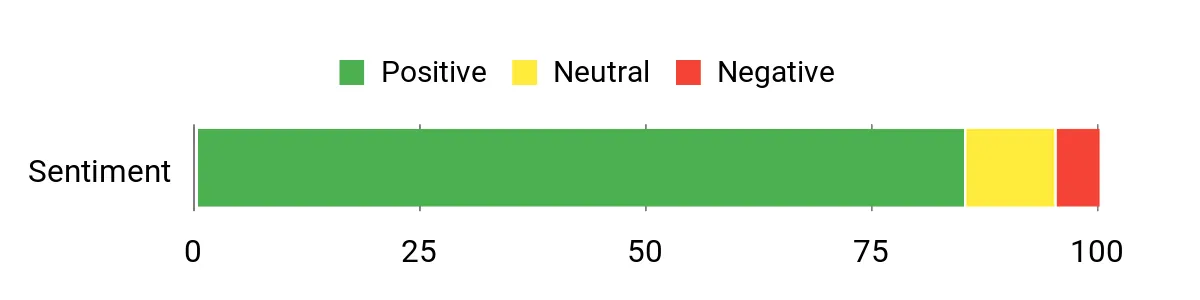
People tend to praise the RC-1 for being intuitive and dependable — it’s the kind of looper you can pick up and start using without a manual. Common positives mention clean sound and responsive footswitch timing, the helpful circular LED display, and the long stereo record time.
Many users also value the compact, road-ready build and the flexibility of battery or AC power.
Overall Sentiment: Positive
| Feature | Ease Level |
|---|---|
| Setup | Easy |
| Recording & Overdubbing | Easy |
| Footswitch Controls (taps, double-taps, hold) | Moderate |
| Connections (stereo in/out, external footswitch) | Easy |
| Mode Changes / Advanced Options | Moderate |
You’ll find the RC-1 built like other BOSS stompboxes — metal chassis and a sturdy footswitch that holds up to regular practice and gigging.
Beginner to Intermediate
If you want a compressor that quietly makes your guitar sit nicer in the mix, this is a great one to try. You get a tuned Release switch so single coils and humbuckers behave correctly, a Tone control that tames or lifts sensitive harmonics, and a Blend knob so you keep the natural attack while adding sustain.
In everyday practice it tightens rhythms and evens out dynamics without sucking the life out of your playing; on stage or in the studio it’s useful for consistent levels, smooth leads, or that vintage ‘squished’ vibe when you want it. I’d recommend keeping it near the front of the chain for the most musical results — it’s versatile whether you’re tightening up crunchy rhythm parts, chasing country-style chicken-pickin’ compression, or adding long, singing sustain for solos.
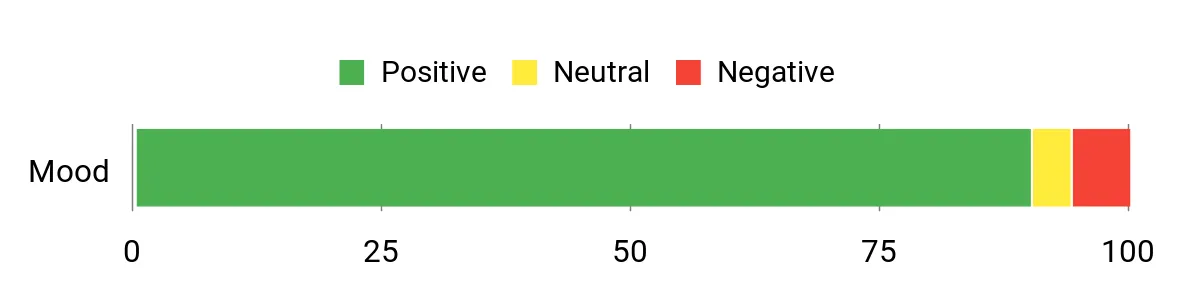
You’ll notice most players praise how transparent and musical the compression is — it tightens things up without drastically coloring your tone. Folks often call out the Blend control and the pickup-specific Release switch as real game-changers for keeping attack and feel.
A few users also mention being careful with power supplies, since isolated power tends to avoid noise issues.
Overall Sentiment: Positive
| Feature | Ease Level |
|---|---|
| Setup | Easy |
| Dialing sustain and level | Easy |
| Using the Blend control | Moderate |
| Pickup Release switch (single coil vs humbucker) | Easy |
| Managing power/noise | Moderate |
Built in a metal chassis with a road-ready footswitch and compact footprint, it’s made to handle regular practice and gigging.
Beginner to Intermediate
This is one of those pedals you reach for when you want instant atmosphere without fuss. You get eight distinct modes that cover everything from tight room sounds to big shimmer washes, and the Delay+Reverb mode is a clever shortcut when you want echoes and space together.
It’s small enough to sit neatly on a pedalboard, tough enough to survive regular gigging, and versatile enough to work in practice, recording, or live sets. Use it to thicken parts in everyday playing, add ambient pads for songwriting sessions, or create expansive lead textures for special moments; if you like having a handful of pro-level reverbs in one compact box, this is a reliable pick.
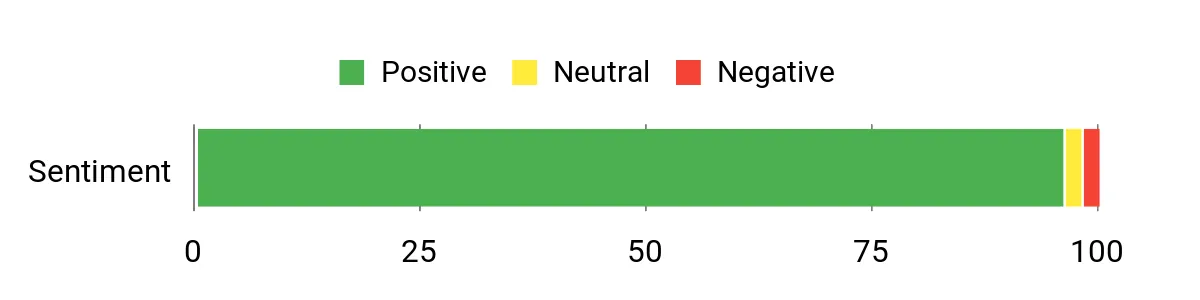
Most players praise the tonal quality and the range of ready-to-play reverb styles — people often point out the shimmer and the reverb-plus-delay option as real standouts. Folks also like that it’s easy to slot into a board, feels built to last, and responds well to an expression pedal. A small number of users mention the Dynamic mode or the variety of options can take a little time to get used to, but overall impressions skew toward it being a very useful, versatile unit.
Overall Sentiment: Positive
| Feature | Ease Level |
|---|---|
| Setup | Easy |
| Choosing modes and basic dialing | Easy |
| Using the expression pedal input | Moderate |
| Tweaking shimmer and delay+reverb textures | Moderate |
| Stereo configuration | Moderate |
Housed in a sturdy metal BOSS chassis with a robust footswitch and compact footprint, it’s built for regular practice and gig use.
Beginner to Pro
You get a compact delay that does a surprising amount of heavy lifting. The DD-8 packs eleven modes—from clean digital repeats to vintage echoes, shimmer and modulation—plus a looper and stereo I/O so you can shape spacious textures for practice, recording, or live sets.
It’s small enough for a crowded pedalboard but thoughtful enough for studio work: use it to thicken rhythm parts in everyday playing, add ambient washes when writing, or dial in rhythmic, tempo-locked delays for special gigs. If you want one delay that covers a lot of sonic ground without extra clutter, this is an easy pedal to recommend.
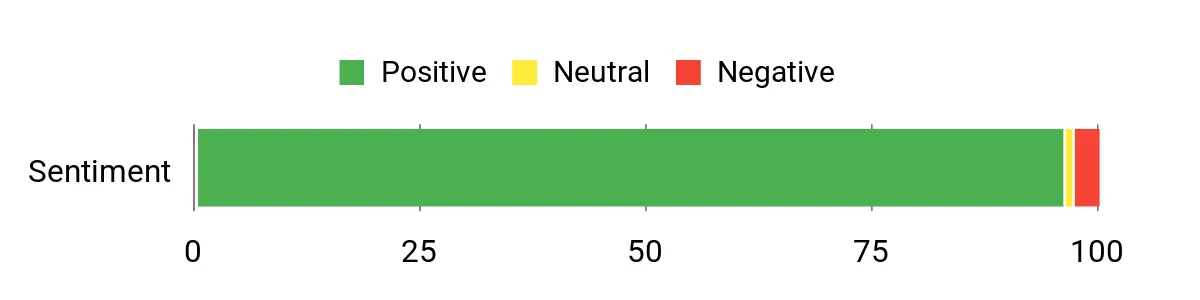
Players consistently highlight how flexible the DD-8 is — people tend to mention the variety of delay colors and how easy it is to find usable sounds quickly. Many users appreciate the stereo capability and sturdy build, and the looper is called handy for quick ideas, though a few note the looper length could be longer and external tap control can be useful on stage.
Overall impressions emphasize reliability, tonal variety, and real-world usefulness.
Overall Sentiment: Positive
| Feature | Ease Level |
|---|---|
| Setup | Easy |
| Choosing modes and dialing basic tone | Easy |
| Using the looper and overdubs | Moderate |
| Tap-tempo and tempo-syncing | Moderate |
| Stereo routing and recording | Moderate |
Built into a solid metal BOSS chassis with a durable footswitch, it’s designed to take regular practice and gig use.
Beginner to Pro
You get a compact, no-fuss delay that keeps the classic DD-3 sound while adding modern conveniences. The onboard tap-tempo (or use an external footswitch) and three beat subdivisions make it easy to lock delays to a song, and the 12.5–800 ms range covers everything from slapback to ambient repeats.
The Short Loop/Hold feature is handy for quick phrase loops, and the moved direct output makes wet/dry routing less fiddly when you want separate amps or a cleaner signal path. For everyday practice, thicken your rhythm parts or add subtle doubles; for special gigs, dial in tempo-locked repeats or those big U2/Pink Floyd style echoes. If you want something familiar-sounding, rugged, and straightforward that still gives you tap control on stage, this is a solid pick.
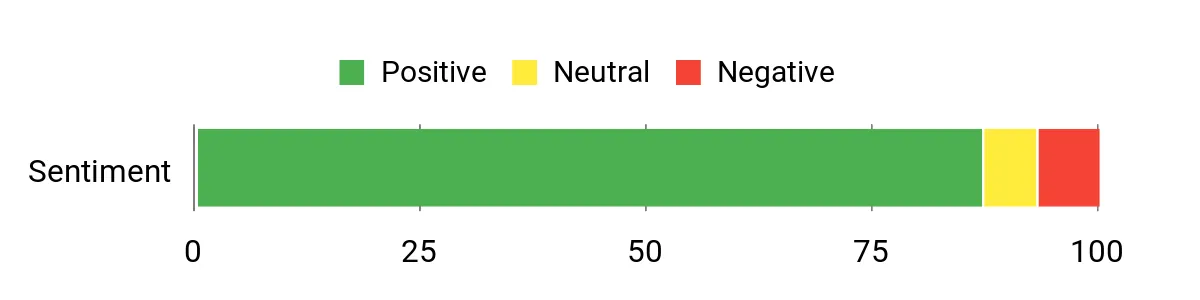
Most players praise the familiar Boss delay tone and the convenience of built-in tap-tempo, saying it’s easy to get usable sounds fast. People also note the rugged build and appreciate the direct output for routing wet/dry signals. A minority mention power/battery quirks or wish for slightly different default delay settings, but overall feedback centers on reliability and practical stage-ready features.
Overall Sentiment: Positive
| Feature | Ease Level |
|---|---|
| Setup | Easy |
| Tap-tempo and tempo syncing | Easy |
| Dialing delay time and subdivision | Moderate |
| Using Short Loop (Hold) mode | Moderate |
| Routing wet/dry via direct output | Moderate |
Housed in BOSS’s sturdy metal chassis and built for regular gigging and rehearsal; some users report faster battery drain, so mains power is recommended for long sessions.
Beginner to Pro
You get a simple, hands-on analog delay that gives your guitar a warm, musical character. The three-knob layout (Delay, Mix, Regen) makes it easy to dial in slapback, subtle doubling, or long, fading repeats, while the modulation option adds that tape-like warble when you want it. It’s great for everyday practice—thickening riffs or adding texture to single-note lines—and it shines on special occasions when you want lush ambient swells or classic rock-style echoes. The bucket-brigade, all-analog signal path is what gives it that creamy decay, and the internal trim pots let you push the modulation further if you like experimenting.
If you want an easy-to-use pedal that immediately warms up your tone and responds well to amp choice, this is a friendly, reliable pick.
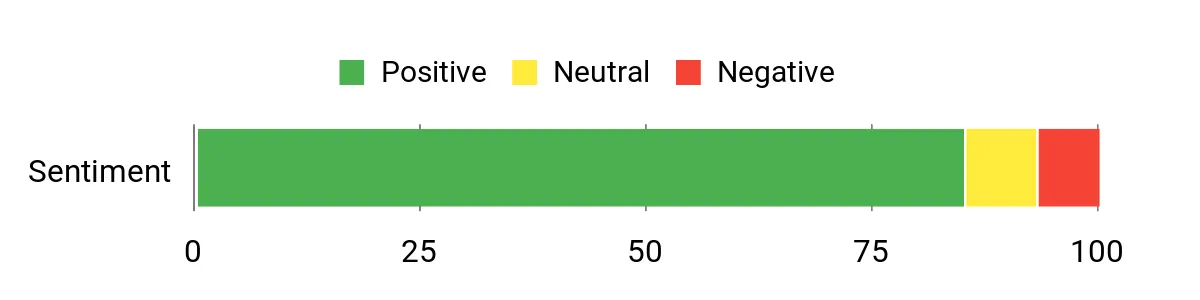
Customers commonly highlight the Carbon Copy’s warm, musical repeats and how it immediately fattens their tone. People appreciate the straightforward controls and the modulation option for adding subtle tape-like movement; many also point out that it pairs especially well with tube amps.
A few users mention that very long delay settings can get soft in a mix and that tinkering with the internal trim pots can unlock more pronounced modulation.
Overall Sentiment: Positive
| Feature | Ease Level |
|---|---|
| Setup | Easy |
| Dialing Delay/Mix/Regen | Easy |
| Using modulation button | Moderate |
| Adjusting internal trim pots | Advanced |
| Power options (battery vs adapter) | Moderate |
Sturdy metal build and simple mechanical controls stand up to regular use; as with many analog pedals, users recommend mains power for long sessions to avoid frequent battery changes.
Beginner to Pro
This is a compact, hands-on delay that makes it easy to craft everything from tight slapback to dreamy ambient washes. You get three sliders (Time, Feedback, Mix) and a three-way mode switch so changing character is quick and tactile — no menu diving.
Use it for daily practice to thicken riffs or add subtle repeats, then flip into longer, dotted-8th or ambient settings when you want pads or cinematic textures for a rehearsal or a live set. The compact footprint means it slides onto most boards without fuss, and the straightforward controls make it a great one-pedal solution when you want reliable, musical repeats.
If you want a small delay that’s simple to use but still sounds full and flexible, this is a solid choice.
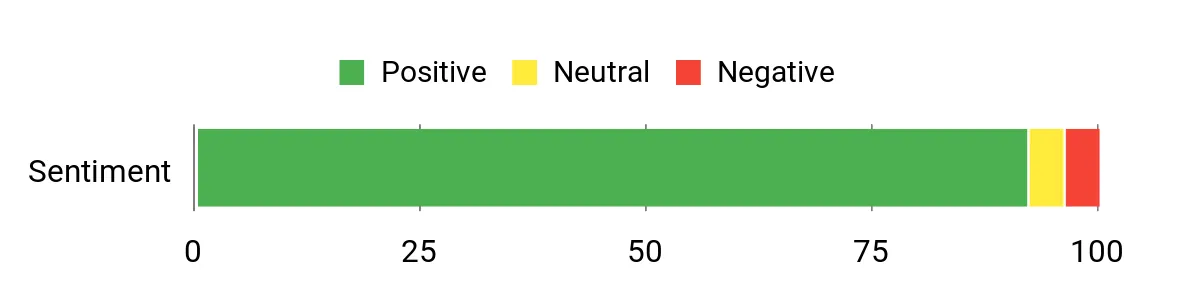
You’ll notice most players praise how easy it is to dial in great-sounding delays — the sliders and simple mode switch get you there fast. Reviewers often mention the pedal’s musical repeats and versatility across short slapback and ambient settings, plus a quiet, easy-to-engage footswitch and a compact build that suits smaller boards. A few users point out you should store it carefully because the sliders are exposed, but overall the sound and usability are repeated highlights.
Overall Sentiment: Positive
| Feature | Ease Level |
|---|---|
| Setup | Easy |
| Dialing Time/Feedback/Mix | Easy |
| Switching delay modes | Easy |
| Choosing rhythmic divisions | Moderate |
| Storing and protecting sliders | Moderate |
Built in a sturdy metal enclosure that feels roadworthy; sliders are smooth but a bit exposed, so treat storage with a little care to avoid bending.
Beginner to Pro
If you like experimenting, this little JOYO box gives you a lot to play with. You get eight distinct delay modes — everything from clean digital repeats to gritty low-bit and spacey "Galaxy" textures — plus a tap-tempo switch and a built-in 5-minute looper that can run at the same time as delay.
It’s compact enough for daily practice to thicken parts or add rhythmic repeats, but it also shines when you want larger ambient swells for rehearsal, small gigs, or recording ideas. The LED ambience lighting makes it fun to use on a pedalboard, and the straightforward controls mean you’ll be creating interesting sounds without getting lost in menus.
If you want an affordable, hands-on unit that pushes you toward more creative delay and looping ideas, this is an easy one to recommend.
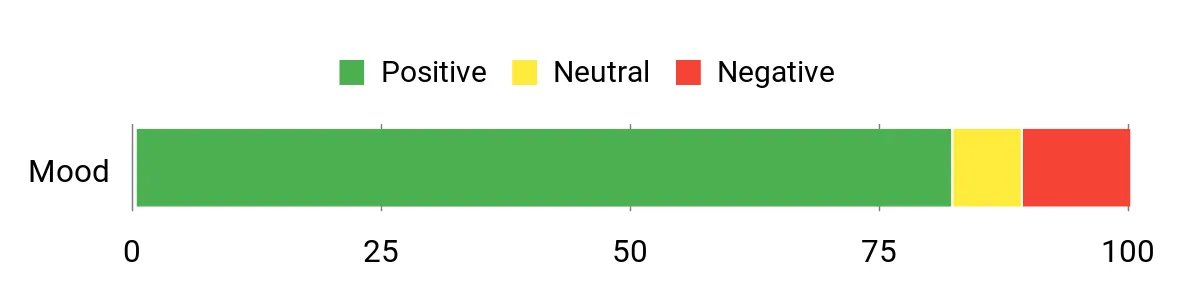
Most players appreciate how much variety JOYO packs into a small pedal — people often highlight the unique modes like Galaxy and Low Bit and the practicality of having a looper built in. Users also mention the solid-feeling metal case and the handy tap tempo, while a few remind you to bring a suitable 9V adapter since one isn’t included.
Overall Sentiment: Positive
| Feature | Ease Level |
|---|---|
| Initial setup | Easy |
| Switching delay modes | Easy |
| Using the looper (record/play/overdub) | Moderate |
| Tap-tempo and syncing repeats | Moderate |
| Transporting and fitting on a board | Easy |
Built from a metal alloy enclosure that feels sturdy and gig-ready; knobs and switches are robust, though always keep an eye on storage to avoid knocks and protect the LEDs.
Beginner to Intermediate
You’ll appreciate how the Flight keeps things simple without sacrificing tone. It gives you three hands-on modes — Delay, Reverse and Analog — plus EQ, Mix and modulation toggles so you can shape repeats quickly and intuitively.
Use it in daily practice to thicken parts, lock in dotted-eighth rhythmic repeats, or add subtle chorus and vibrato for texture; for recording or small gigs it’s reliable for classic echoes and dreamy reverse washes. If you want a pedal that gets you playing instead of navigating menus, this one makes a strong, low-fuss case.
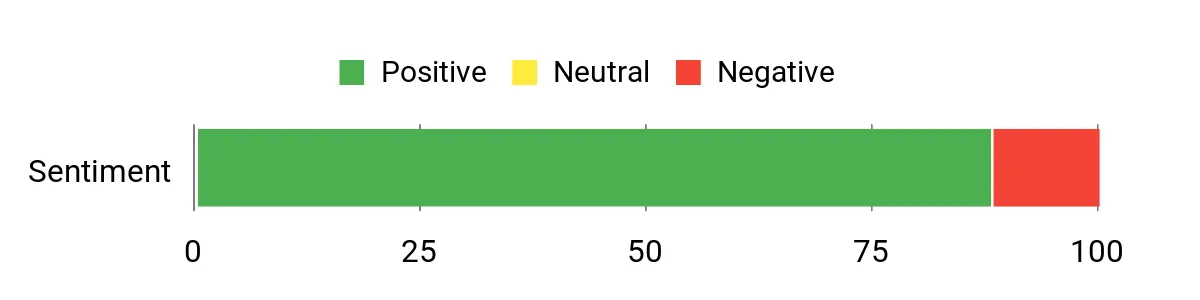
You’ll see a lot of people raving about how easy it is to get great delay sounds without fuss — the mode selection, dotted-eighth-friendly timing and simple EQ/Mix controls get mentioned often. Folks also call out the pedal’s solid feel and low noise floor, and many like having Chorus and Vibrato as extra, usable options.
Overall Sentiment: Positive
| Feature | Ease Level |
|---|---|
| Initial setup | Easy |
| Switching delay modes | Easy |
| Dialing in dotted-eighth / rhythmic repeats | Easy |
| Using modulation toggles (Chorus/Vibrato) | Easy |
| Tweaking EQ and Mix on stage | Moderate |
Built with a sturdy metal enclosure and solid-feeling knobs; reviewers say the construction feels gig-ready, though you should still avoid heavy impacts.
Beginner to Intermediate
You’ll find a lot to like about this Versa pedal if you want roomy textures without carrying a bunch of gear. It pairs three distinct delay types with three reverb flavors, gives you tap-tempo and two storable presets, and sends stereo output for a wider, more immersive sound. Use it to add subtle depth in daily practice, create ambient beds for home recordings, or simplify a small gig setup where you need both delay and reverb at hand. If you prefer hands-on controls and straightforward routing over menu diving, this one makes it really easy to shape atmospheres and switch between tones on the fly.
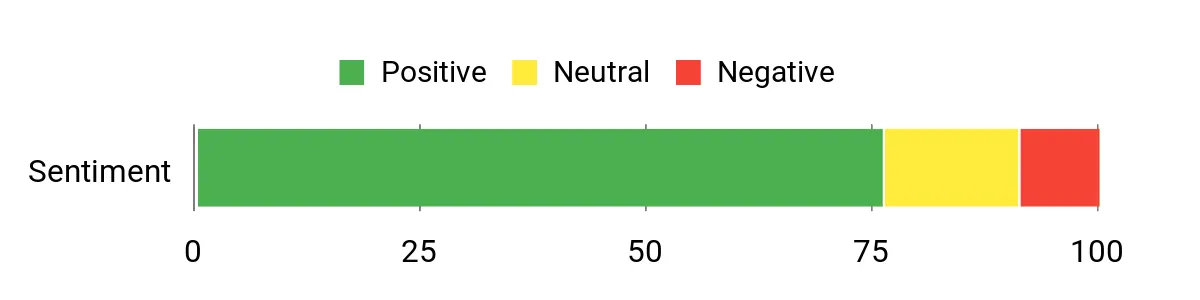
Most players praise the Versa for its flexibility and surprisingly wide palette given the small footprint — people often mention the useful 3x3 mode matrix, the convenience of tap-tempo and the stereo outputs. Customers also like the metal construction and the ability to save simple presets, though a few report glitches or wish the power adapter were included. Overall, owners tend to say it delivers great value when you need both delay and reverb in one box.
Overall Sentiment: Positive
| Feature | Ease Level |
|---|---|
| Initial setup | Easy |
| Switching delay and reverb modes | Easy |
| Using tap tempo live | Moderate |
| Saving and recalling presets | Moderate |
| Stereo routing on a board | Moderate |
The all-metal shell and solid knobs feel built for frequent use, and many users report gig-ready construction; there are occasional reports of reliability quirks, so treat it like any pedal and avoid rough impacts.
Beginner to Intermediate
If you like painting with ambience, this JOYO Atmosphere gives you a compact toolkit for roomy textures. You get nine reverb flavors plus a modulation depth control and a Trail switch that keeps tails natural when you step off.
It’s great for everyday practice to thicken clean tones, handy in the studio for adding shimmer to leads, and simple enough for small gigs when you want big-sounding spaces without complicated menus. If you want hands-on control over atmosphere and a pedal that’s easy to experiment with, this one’s a friendly companion.
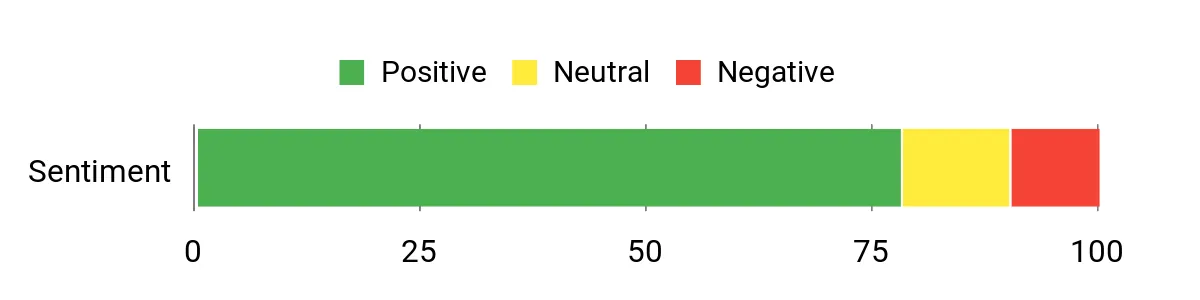
You’ll often see people applauding the variety of reverb options and how easy it is to find a usable sound fast. Many owners like the Trail function and modulation control for adding lushness without getting lost in menus, and they mention the solid metal housing. A few users point out power-compatibility notes or that it can get a bit warm after long sessions, but overall customers tend to say it packs a lot of atmosphere into a small unit.
Overall Sentiment: Positive
| Feature | Ease Level |
|---|---|
| Initial setup | Easy |
| Choosing reverb types | Easy |
| Dialing modulation depth | Moderate |
| Using the Trail function | Easy |
| Switching in a live signal chain | Moderate |
The metal alloy enclosure and sturdy controls feel built to handle regular practice and gig use; there are occasional notes about the unit getting warm during extended play, so give it airflow on long sessions.
Beginner to Intermediate
If you want a no‑nonsense delay that covers everything from tight slapback to long, ambient washes, this JHS 3 Series Delay is an easy pick. You get a wide 80–800 ms range and a Type toggle that swaps between a cleaner digital character and a warmer, analog‑voiced echo, so you can shape tone quickly without hunting through menus.
It’s great for daily practice to thicken single‑note riffs, handy in the studio when you need pad‑like repeats under a lead, and solid for small gigs where simple hands‑on controls beat complex presets. If you like straightforward gear that nudges you to play more, this one fits right on a crowded board and behaves nicely in a range of musical settings.
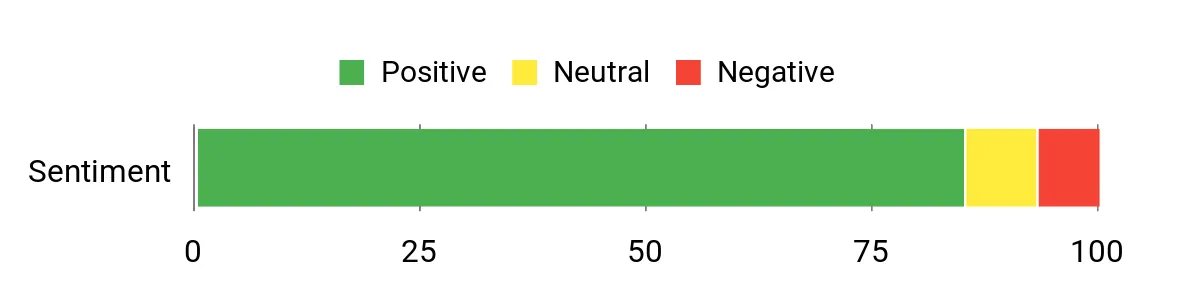
Most owners praise the pedal’s tonal flexibility and how easy it is to find useful sounds quickly. People often mention the digital vs.
analog Type toggle as a big plus, and many point out the solid feel and reliable switching. A few users note the blend behaves differently on bass or in specific setups, but overall the common thread is a practical, great‑sounding delay that’s simple to use.
Overall Sentiment: Positive
| Feature | Ease Level |
|---|---|
| Initial setup | Easy |
| Selecting digital vs. analog voice | Easy |
| Dialing delay time and repeats | Moderate |
| Dropping onto a pedalboard | Easy |
| Using in the studio for ambient textures | Moderate |
The pedal has a compact, sturdy feel and dependable switches that stand up to regular practice and gig use. The enclosure is resin/plastic but built with a no‑frills, road‑smart approach; treat it like everyday kit and it should hold up well.
Beginner to Intermediate
If you want a compact pedal that gives you both delay and reverb without fuss, this Levitate unit is a neat fit. You get a long 2‑second delay range, a plate‑style reverb with generous decay, and separate level controls so the wet and dry signals play nicely together.
It’s practical for day‑to‑day practice — add subtle slapback or bigger ambient washes — and it’s versatile enough for small gigs or quick studio takes where you don’t want to load presets. If you like hands‑on tweaking and a single box that covers two core ambient effects, this one slides onto your board easily and stays useful in a lot of settings.
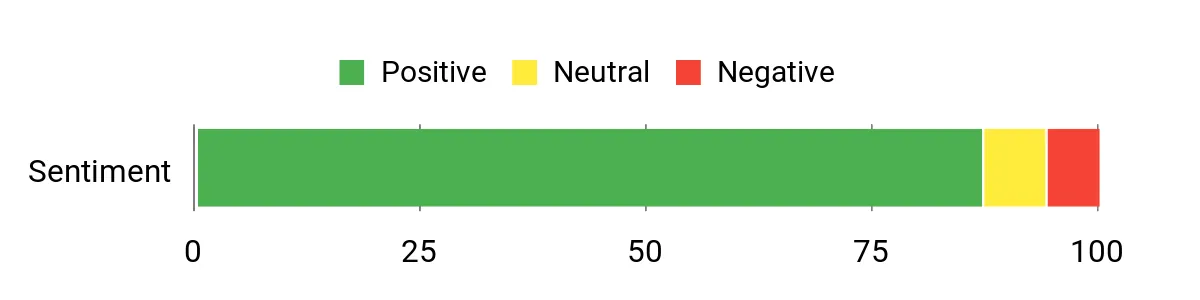
Buyers frequently highlight how much tone you get for a small pedal — the delay feels roomy and the reverb has a useful decay range. People like the separate level controls and the tap‑tempo feature for dialing in grooves, and many comment that the metal construction and switches feel solid. A handful of users mention the reverb tails can sound a bit bright at extreme settings or note quirky coloration at certain delay settings, but the overall theme is good value and versatility.
Overall Sentiment: Positive
| Feature | Ease Level |
|---|---|
| Initial setup | Easy |
| Balancing delay and reverb levels | Moderate |
| Using tap‑tempo on the fly | Easy |
| Integrating on a pedalboard | Easy |
| Dialing long ambient textures | Moderate |
The unit has a metal enclosure and a solid feel that many owners say stands up to regular use. Switches and pots are generally described as dependable, though treating it like live kit (proper cabling and a quality power supply) will help it last.
Beginner to Intermediate
If you like a warm, vintage delay without a lot of fuss, this Yellow Fall pedal is easy to live with. You can dial short slapback tones for practicing at home, push the feedback for swirling ambient repeats in the studio, or tuck it onto a cramped board for small gigs. It’s compact, feels solid, and gives you that classic analog character so you don’t have to chase boutique units to get pleasing repeats.
If you want an affordable, hands‑on delay that just sits on your board and does its job, this is a sensible pick.
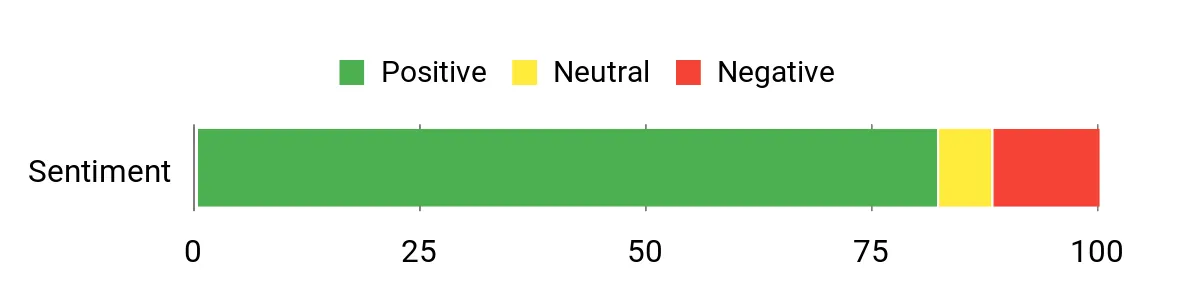
People commonly praise the warm, classic delay character and how well it sits in a mix without overpowering your tone. Many mention the small footprint and sturdy metal case as great for crowded boards, and owners appreciate the straightforward controls that make useful sounds fast.
A few users note the power supply isn’t included and reported occasional quality‑control issues or noise on some units, but most buyers find the pedal reliable and good value for its sound.
Overall Sentiment: Positive
| Feature | Ease Level |
|---|---|
| Initial setup | Easy |
| Dialing delay time and feedback | Moderate |
| Integrating on a pedalboard | Easy |
| Powering the pedal (9V DC required) | Moderate |
The aluminium chassis and metal footswitch give a reassuringly solid feel that holds up to regular use. Switches and knobs are generally durable, though using a stable 9V power supply and tidy cabling helps avoid noise and extends longevity.
Beginner to Intermediate
You want a pedal that matches the textures you imagine: if you crave lush, long washes and precise control, look for a digital delay with long delay times, modulation and tap tempo; if you prefer warm, musical repeats that sit behind your tone, an analog-style delay or bucket-brigade design will give you that vintage character; for dreamy, harmonic layers or ethereal shimmer, seek pedals with dedicated shimmer or reverse modes and stereo outputs so you can spread sound across the mix. Pay attention to features that affect creativity live and in the studio: tap tempo, trails (or wet‑on bypass), modulation, expression input, and a looper if you plan to layer parts — a simple looper can be the fastest way to turn delays into evolving soundscapes.
Ultimately, choose the pedal that makes you play more and inspires new ideas rather than one that only looks impressive on paper.
You keep your tone and reduce noise by thinking about order, power, and buffering: place compressors and drive pedals before delay so the repeats capture the musical character you want, put modulation either before or after delay depending on whether you want the modulation applied to echoes or the wet signal, and usually put reverb after delay to avoid washing repeats into an undifferentiated wash. Use a quality isolated power supply and common‑ground pedal power to avoid hum and ground loops, and consider a buffer when you have long cable runs or many true‑bypass pedals so your highs stay intact; conversely, choose true bypass if you need an absolutely uncolored bypass and your chain is short.
Also use the delay’s mix/blend and low‑pass or tone controls to prevent repeats from cluttering the mix, enable trails or hold features when you want tails to continue after bypassing, and if you gig, add an external tap tempo footswitch or expression pedal for on‑the‑fly control.
Yes — delay pedals are excellent for live looping and ambient soundscapes when you set them up intentionally: practice starting your loops right on the downbeat and use a pedal with a looper or an external looper for layered parts, keep your initial loop simple and use low mix and long decay settings on subsequent layers so each pass breathes; if you use a compact looper, get comfortable with its record/play/overdub/undo controls so you can fix timing slips quickly. For ambient textures, increase delay time and feedback modestly and roll off high frequencies on repeats or use the pedal’s tone control so echoes sit behind the direct sound; experiment with stereo routing to create width, engage trails so tails continue after switching off, and prefer AC or an isolated supply over batteries for reliability during shows. Practice signal routing and saving presets or using external switches so you can move from tight rhythmic delays to sprawling ambient washes without losing momentum on stage.
You don’t need every feature to craft great space — you need the right features. If you want maximum versatility and pro features, the BOSS DD-8 gives you modes, stereo routing, and a powerful looper. If you chase warm, musical repeats, the MXR Carbon Copy and JHS 3 Series capture that classic analog flavor.
For straightforward, inspiring delay that’s easy to use in rehearsal or on stage, the JHS Flight and Walrus Fundamental are excellent choices. If you’re pairing repeats with ambience or looping, the RC-1, Donner Versa, and compact combos like SONICAKE give you options without clutter.
Use this list to match a pedal to the role you actually need on your board — once you pick the right tool, you’ll spend more time shaping sound and less time chasing settings.
| Product | Image | Delay Time | Reverb Type |
|---|---|---|---|
| BOSS RC-1 Loop Station Pedal |  | N/A | N/A |
| Keeley Compressor Plus Pedal |  | N/A | N/A |
| BOSS RV-6 Reverb Guitar Pedal |  | N/A | 8 types including room, hall, plate, spring |
| BOSS DD-8 Digital Delay Guitar Effects Pedal |  | Up to 2 seconds | N/A |
| BOSS DD-3T Digital Delay Guitar Effect Pedal |  | Up to 800ms | N/A |
| MXR Carbon Copy Analog Delay Pedal |  | Up to 600ms | N/A |
| Walrus Audio Fundamental Series Delay | 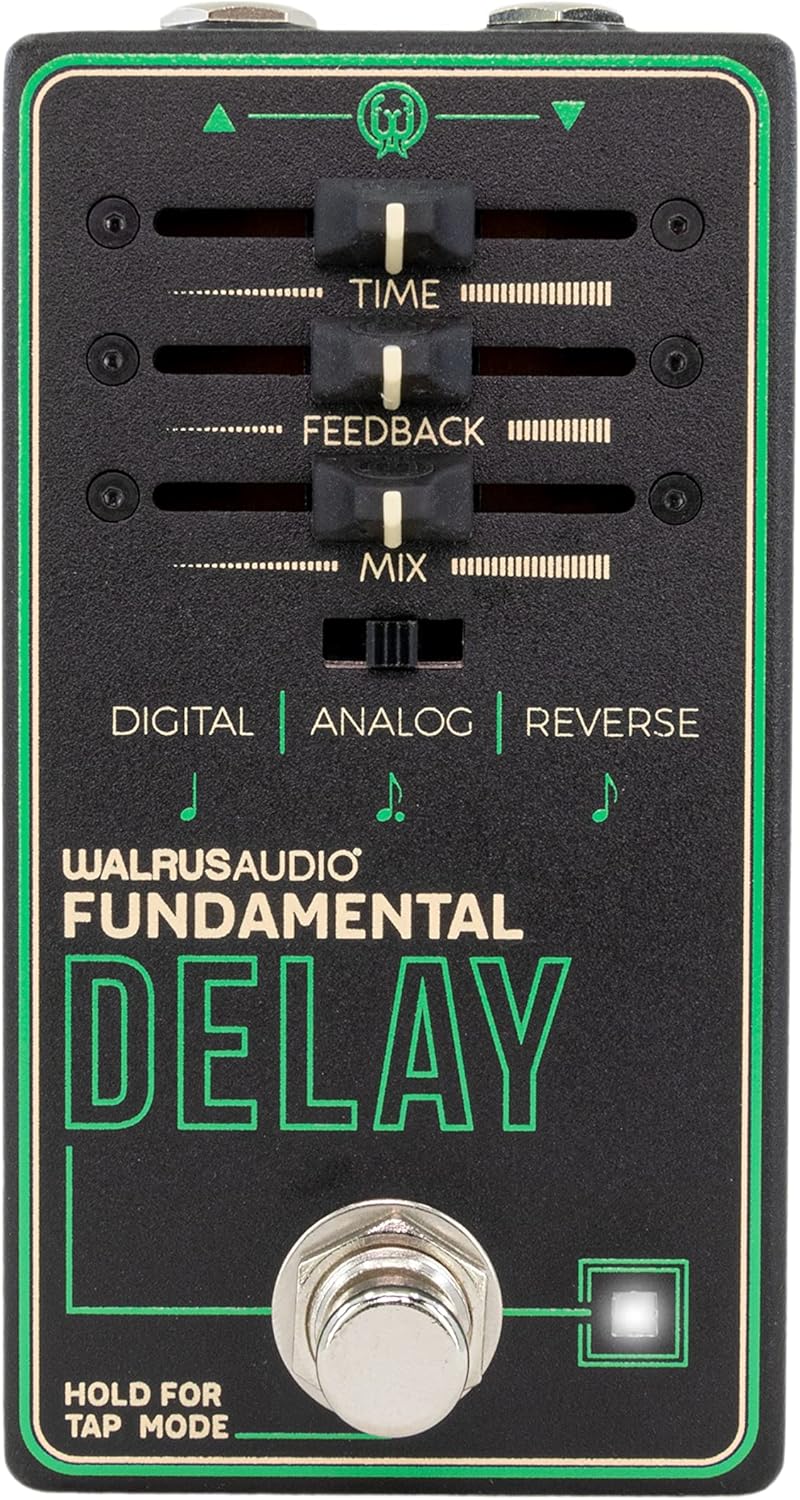 | N/A | N/A |
| JOYO Digital Delay Effect Pedal |  | 5 minutes (with looper) | N/A |
| JHS Pedals Flight Delay Pedal |  | Up to 800ms | N/A |
| Donner Guitar Reverb & Delay Pedal - Yellow Fall II |  | N/A | N/A |
| JOYO Reverb Pedal with Modulation |  | N/A | 9 types with modulation |
| JHS Pedals 3 Series Delay |  | 80ms to 800ms | N/A |
| SONICAKE Delay Reverb 2 in 1 |  | N/A | N/A |
| Donner Guitar Delay Pedal | | N/A | N/A |

bestguitarequipment.com is a participant in the Amazon Services LLC Associates Program, an affiliate advertising program designed to provide a means for website owners to earn advertising fees by advertising and linking to Amazon.com, and any other website that may be affiliated with Amazon Service LLC Associates Program.


