Reverb is one of the most powerful tools you can use to transform a guitar part into an immersive atmosphere. When you understand what each pedal offers — from shimmering octaves to long, pillowy tails — you can shape space, mood, and emotion in your playing.
This guide helps you cut through the noise so you can choose pedals that create beautiful ambient textures, fit your rig, and inspire new ideas.
| Category | Product | Score |
|---|---|---|
| 🏆 Best Ambient Pads | Walrus Ambient | 90/100 |
| 💼 Most Versatile | BOSS RV-6 | 95/100 |
| 💰 Best Value Multi-Effects | Zoom MultiStomp | 88/100 |
| ⭐ Best Budget Combo | SONICAKE Levitate | 80/100 |
| 🎯 Best Mini Reverb | Donner VerbSquare | 78/100 |
| 🎨 Best Modulation Reverbs | JOYO Atmosphere | 76/100 |
| 🚀 Best Shoegaze/Shimmer | Klowra Limbo | 92/100 |
| 🔰 Best Reverb+Delay Combo | Donner Versa | 81/100 |
| 🌙 Best Lush Textures | Walrus Slö | 94/100 |
| 🔊 Best Stereo Reverb | ALABS Cetus | 90/100 |
You want pedals that deliver inspiring sounds, fit your budget and rig, and behave reliably on stage or in the studio. We evaluated each unit by: sound character (how usable and inspiring the reverb types are), flexibility (modes, expression/tap options, stereo capability), build and interface (how easy it is to dial in tones), price-to-performance (value for money), and real-world behavior (noise, buffering, power draw). The result highlights pedals that will help you create ethereal soundscapes whether you need a budget utility, a versatile workhorse, or a studio-grade ambient machine.
If you want big, lush reverb without a complicated setup, this compact pedal is for you. It gives you three distinct atmospheric algorithms so you can go from dark, pad-like washes to lo-fi, AM-radio textures with a flip of the switch.
The metal enclosure and linear sliders make tweaking feel tactile and immediate, and because it’s small it’s easy to slip onto a practice board or into a live rig. Use it for bedroom layering, ambient songwriting sessions, or to add a spacious sheen to a special set — you’ll find it’s both forgiving for everyday playing and musical enough for studio use.
I’d recommend it if you like hands-on simplicity but still want pro-level tone.
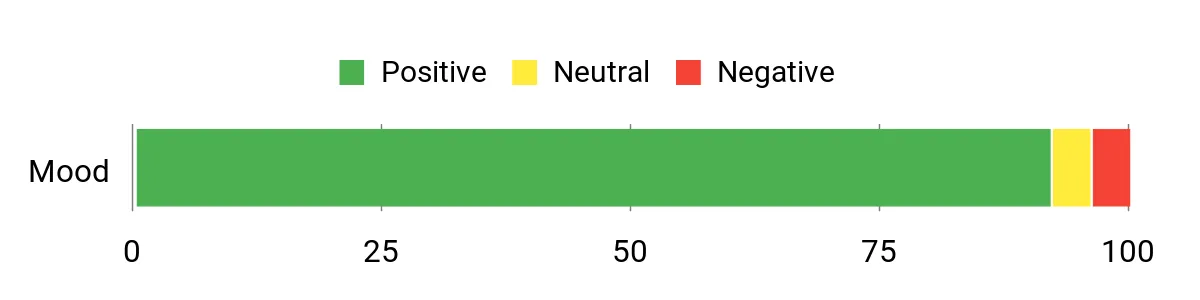
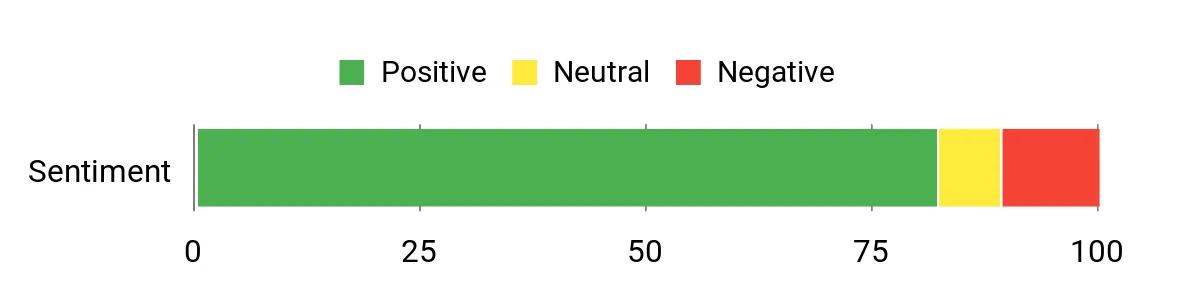
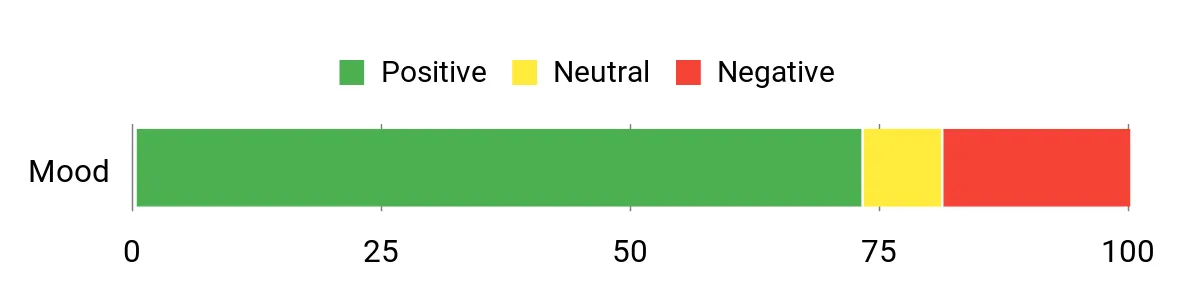
Customers commonly highlight how easy the pedal is to use and how rich the reverb sounds, especially for ambient playing. People often mention the compact metal build and tactile sliders, plus the quiet, non-clicking footswitch and three different modes as practical features that make it versatile for practice, home recording, and small gigs.
Overall Sentiment: Positive
You can use it as a subtle room reverb for everyday practice or crank the decay for washed-out ambient layers in a recording. It fits nicely into singer-songwriter setups, shoegaze rigs, and electronic patches alike, and its compact footprint makes it a good choice whether you’re gigging or tinkering at home.
It ships in a clean black finish with blue and off-white ink and the sliders give it a modern, minimalist look. The sturdy metal box feels professional without being flashy, so it blends well on stage or on a desktop rig.
You don’t need to be a gear nerd to get great sounds — the controls are straightforward, so beginners can dial in pleasant ambience quickly, while more experienced players will appreciate the tonal integrity and usable algorithms.
If you want one reverb that can cover a lot of ground, the RV‑6 is a smart pick. It gives you eight distinct modes — spring, plate, hall, room, modulate, dynamic, shimmer and a handy reverb+delay — so you can move from tidy room ambience to big, washed-out soundscapes without swapping pedals.
The controls are simple to work with, the metal enclosure is built to survive life's knocks, and it supports mono or stereo rigs plus an expression pedal for on-the-fly control. Use it for everyday practice, to add depth while tracking at home, or to craft lush textures for a special set — it's approachable for regular use and flexible enough for creative moments, so if you want reliable, pro-grade reverb that stays out of the way when you don’t need it, this one fits the bill.
You’ll find most folks praise the RV‑6 for its reliability, rugged build and the surprisingly wide palette of sounds packed into a compact pedal. Customers often mention how easy it is to get usable tones fast, and they like features such as stereo support and the expression input; a few users note that the Dynamic mode or the many options take a little time to master.
Overall Sentiment: Positive

This pedal works as a subtle everyday room reverb, a recording staple for adding depth to guitar or acoustic parts, and a source of big, ambient textures for shoegaze or soundtrack-style playing. The Delay+Reverb mode and expression input make it handy for songwriting sessions when you want to switch feels mid-take, and the compact footprint keeps it useful on both practice boards and small live rigs.
The classic silver Boss finish and compact, no-nonsense layout give it a clean, professional look. It won’t draw attention visually on stage, but the solid metal enclosure and familiar form factor feel reassuring and long-lasting.
You don’t need to be a gear obsessive to get great sounds — the controls are intuitive enough for beginners to dial in pleasant reverb quickly, while intermediate and advanced players will appreciate the quality of the algorithms and the expression/ stereo options.
If you want one small pedal that can do a dozen jobs, this is the Swiss Army Knife you can actually use. You get a huge library of delays, choruses, reverbs and weird experimental algorithms, plus the option to run multiple effects at once so you can build lush, layered sounds without a rack full of stompboxes.
It’s tidy on a pedalboard, runs on AA batteries when you don’t have a power supply, and the metal top gives it a reassuring feel. Use it for daily practice, to add atmosphere when tracking at home, or to bring unusual textures to a live set — it’s especially handy when you need flexibility on the fly and don’t want to swap pedals mid-song.
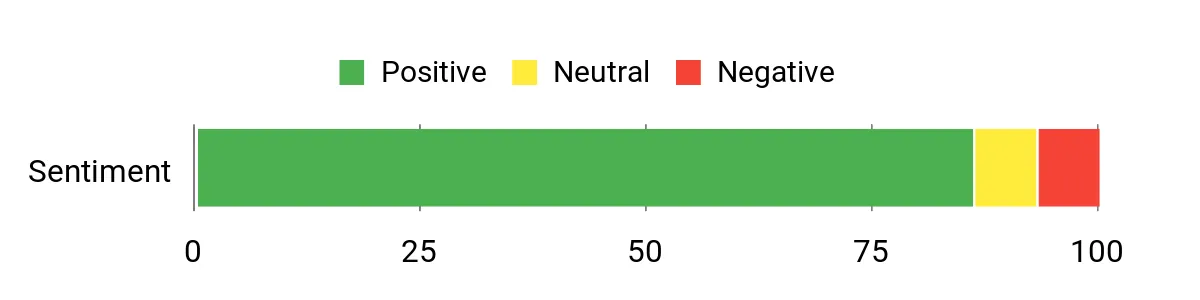
Most people highlight the sheer value — reviewers often mention the wide palette of sounds and how much you can do with a single, compact unit. Buyers like the sturdier metal top and the portability from battery power, and many appreciate that delays, choruses and reverbs feel usable even if they don’t match ultra‑high‑end units. Common gripes center on the recessed power jack, limited external MIDI features, and the companion app needing a wired connection and a small fee.
Overall Sentiment: Positive
This pedal shines when you need one box to cover many roles: use it as a daily practice tool, a studio utility for adding quick ambience to takes, or a live wildcard for ambient textures and modulation combos. The ability to stack effects makes it useful for everything from basic room reverb to shimmering shoegaze patches or oddball experimental chains for synths and samplers.
The blue metal top and compact footprint give it a tidy, modern look that won’t dominate your board. It’s practical rather than flashy — the layout favors function, but the build quality and color make it feel like a purposeful piece of kit.
You don’t need to be a tech wizard to get usable tones — basic navigation is approachable and presets are ready out of the box — though power users may want time to explore deeper parameters and work around the UI limits or MIDI quirks.
This little box gives you a surprising amount of atmosphere without asking for a lot of space or setup. You get a usable digital delay and a plate-style reverb that can be run together or separately, with tap tempo and trails so your sound keeps breathing when you switch patches.
It’s great for home practice, adding texture in the studio, or filling out a live mix with ambient layers — and it plays nicely with guitars, synths and even vocals. If you want an easy, compact way to explore shimmering delays and roomy reverbs, this is a pragmatic pick that won’t overcomplicate your signal chain.
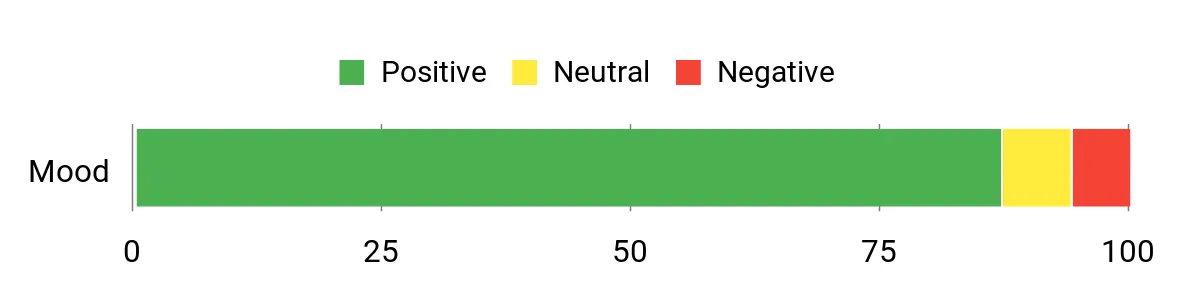
Customers commonly praise the value and practicality: people like that you can get a usable delay and a roomy reverb in a single, compact pedal. Reviewers often point out the tap tempo, independent level controls and solid construction as welcome features. A few users note the longest reverb tails can sound a bit bright or synthetic, and some mention you’ll need to supply your own 9V adapter.
Overall Sentiment: Positive
This pedal is handy for a lot of scenarios: use it for daily practice to add depth, for bedroom or home-studio tracking to create ambient beds, or onstage when you want simple, switchable ambience without hauling a rack. It works well on clean guitar parts, synth pads and even vocals when you need subtle depth or bold, spacey textures.
The compact metal chassis and straightforward layout keep things tidy on your board. It’s functional rather than flashy — it blends in visually but reads as a purposeful, road-ready pedal.
Beginner-friendly controls mean you can dial in useful sounds quickly, while features like tap tempo, independent levels and buffer bypass give more experienced players enough flexibility to shape tones for live use or recording.
If you want a small, no-nonsense reverb that still covers a lot of ground, this is a smart little tool to have on your board. You get seven distinct reverb flavours—from tight room and plate to big church and modulated textures—so it’s easy to find a spacey bed or a subtle wash.
It’s tiny enough for cramped pedalboards, feels sturdy in its alloy chassis, and the simple controls mean you can dial in usable sounds fast whether you’re practising at home, tracking in a bedroom studio, or adding atmosphere live. If you like layering pedals or want a compact reverb that won’t over-complicate your signal chain, this one’s a practical pick.
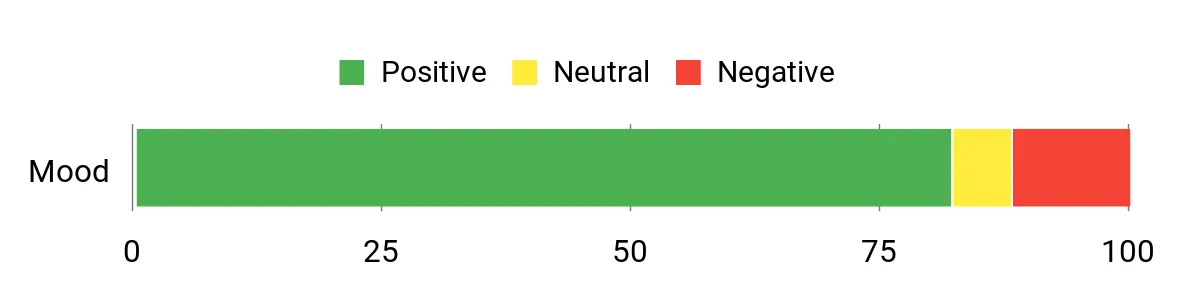
Across feedback, people like that the pedal packs a surprising variety of reverb tones into a tiny package and that it’s built tough for its size. Users frequently praise the clear, usable modes and the pedalboard-friendly footprint, and many point out the true bypass and straightforward controls.
A minority mention sensitivity to power supplies or occasional noise/quality-control issues, so some players recommend using an isolated 9V supply.
Overall Sentiment: Positive
This pedal works for everyday practice, bedroom tracking, and small live gigs where you want instant ambience without bulky gear. It’s handy on clean guitar parts, synth pads, and even as a subtle vocal texture in home recordings; if you enjoy stacking effects for shoegaze or ambient sounds, it’s an easy way to add space.
The compact metallic green enclosure looks tidy and practical on a board — not flashy, but it reads as a solid, road-ready pedal. Its small footprint and clear layout keep your setup looking uncluttered.
Beginner-friendly controls let you get usable sounds quickly, while experienced players will appreciate the different modes for sound design and layering. It doesn’t offer deep editing, so if you need granular parameter control you might look to larger units.
You get a surprisingly wide palette for a compact pedal — nine distinct reverb flavors plus a modulation depth control and a handy Trail switch so the effect decays naturally when you stomp off. It’s easy to use: three main knobs let you shape mix, decay and tone, and the ambient LED ring gives it a bit of stage-friendly personality. Use it for everyday practice to add space to clean parts, for bedroom recordings when you need lush backgrounds, or on stage when you want dramatic shimmer and ambient swells. If you like modulation-heavy reverbs without a huge learning curve, this pedal is a friendly, board-ready option.
Most players mention how much tone you get for the size — the nine modes and the shimmer/comet options get called out often. Folks appreciate the Trail switch and the modulation control for creating evolving ambiences, and many like the solid build and stage-ready LED styling.
Common downsides people note are that the power adapter isn’t included and a few users recommend using a stable, isolated 9V supply to avoid noise or power issues.
Overall Sentiment: Positive
This works everywhere you’d want reverb: home practice, bedroom or demo tracking, and small-to-medium live shows. It’s especially handy if you lean into ambient, shoegaze, or indie textures, but it’s also useful for tasteful plate or hall sounds on rhythm parts.
The blue-gray finish and ambient LED ring give it a modern, slightly retro look that stands out on a board without being flashy. Its compact footprint keeps your setup tidy and visually consistent.
Beginner-friendly controls mean you can get great sounds quickly, while intermediate players will like the modulation and mode choices for sound design. It’s not a deep-editing studio unit, so advanced users seeking granular parameter tweaks may want something larger.
If you like lush, cinematic reverbs that grow and evolve, Limbo is built for you. It packs nine distinct stereo reverb engines — from delicate room and plate tones to big shimmer and tide textures — and a Ramp modulation that morphs parameters smoothly while you play.
The Freeze & Infinity options let you hold pads or create evolving drones for layering, and the analog dry-through retains your core tone when you push the mix up. It’s compact and rugged enough for everyday practice, bedroom recordings, and live ambient sets, and the expression/footswitch support makes it easy to perform dynamic changes without diving into menus. For anyone chasing shoegaze, post‑rock or ambient soundscapes, it’s a very usable, board-ready option you’ll enjoy experimenting with.
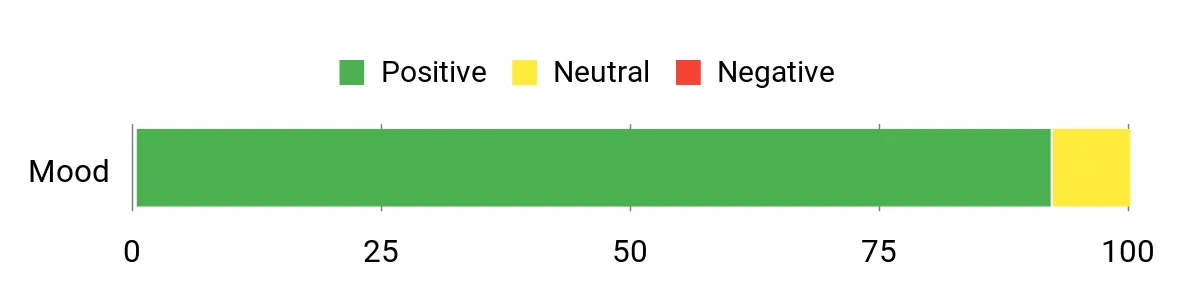
Most players praise how immersive and clear the reverb tails sound, especially the shimmer and tide modes, and many highlight the Ramp and Freeze features as creative game-changers. People also mention solid build quality, the compact footprint, and useful expression/LED controls.
A few users report occasional noise or power quirks, so some recommend checking your power supply and grounding if you notice hum.
Overall Sentiment: Positive
This pedal fits in many situations: home practice, bedroom or demo recording, and small-to-medium live shows where ambient textures matter. It’s great for shoegaze, post‑rock, cinematic guitar parts and for synths too thanks to the extra headroom, and the expression inputs make it useful for more theatrical or evolving performances.
The Limbo Blue finish and clean aluminum chassis look modern and understated on a pedalboard, while the added LED button gives a bit of stage-friendly personality without being flashy. Its compact size keeps your rig tidy.
Easy to get a great sound quickly, so beginners can jump right in; intermediate players will love the Ramp and Freeze for sound design. Advanced users who want deep editing may find it less granular than studio convolution units, but it’s extremely playable for performance use.
Donner Versa gives you a compact, board-friendly way to combine lush reverbs and usable delays without juggling two pedals. You get nine practical effect combinations from the 3×3 mode layout, plus tap tempo and two user-storable presets so you can switch settings quickly on stage or in the studio. The stereo inputs/outputs and tone switch make it easy to craft roomy textures or tighter slapback vibes, and the metal chassis stands up to frequent use — handy if you move between practice, church gigs or small club shows.
If you want something that helps you sketch ambient ideas, tighten up delay grooves, and keep your pedalboard tidy, Versa is a sensible, playable choice.
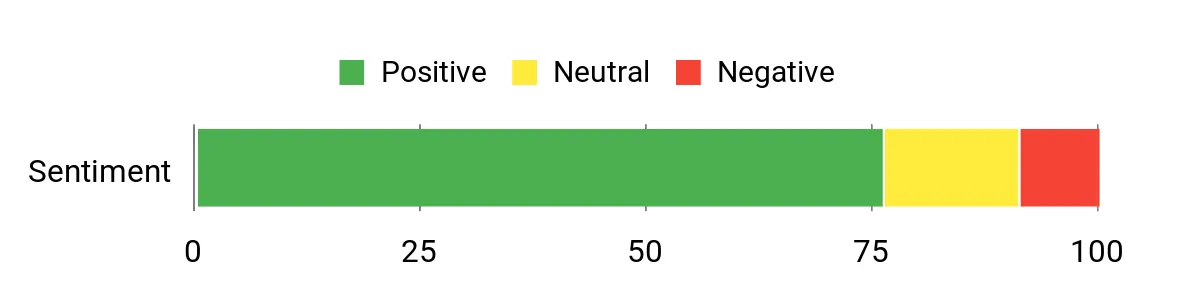
Players commonly praise the Versa for packing a lot of usable sounds into a small, sturdy box. People often mention the convenience of the 3×3 mode layout, the tap tempo and the preset slots as major time-savers, and many appreciate the stereo outputs and solid build. A handful of users note occasional glitches or wish the power adapter were included, so checking your power setup and testing functionality when it arrives is a good idea.
Overall Sentiment: Positive
This pedal is useful for bedroom practice, home recording, worship settings and small-to-medium live gigs where you want both reverb and delay but don’t want extra gear. It suits players looking for ambient washes, rhythmic delays, or simple presets you can flip between mid-set, and it works well with guitars and keyboards alike.
The Yellow Fall finish stands out on a pedalboard in a tasteful way, and the compact metal housing looks clean and durable. It won’t dominate your rig visually but does add a bit of personality while staying practical.
Beginner-friendly enough to get great sounds quickly, thanks to the straightforward mode layout and presets; intermediate players will enjoy the tone and stereo options. Advanced users who want deep, studio-style editing might find it less detailed than larger multi‑effects or convolution units, but it’s very playable for live use and quick sound design.
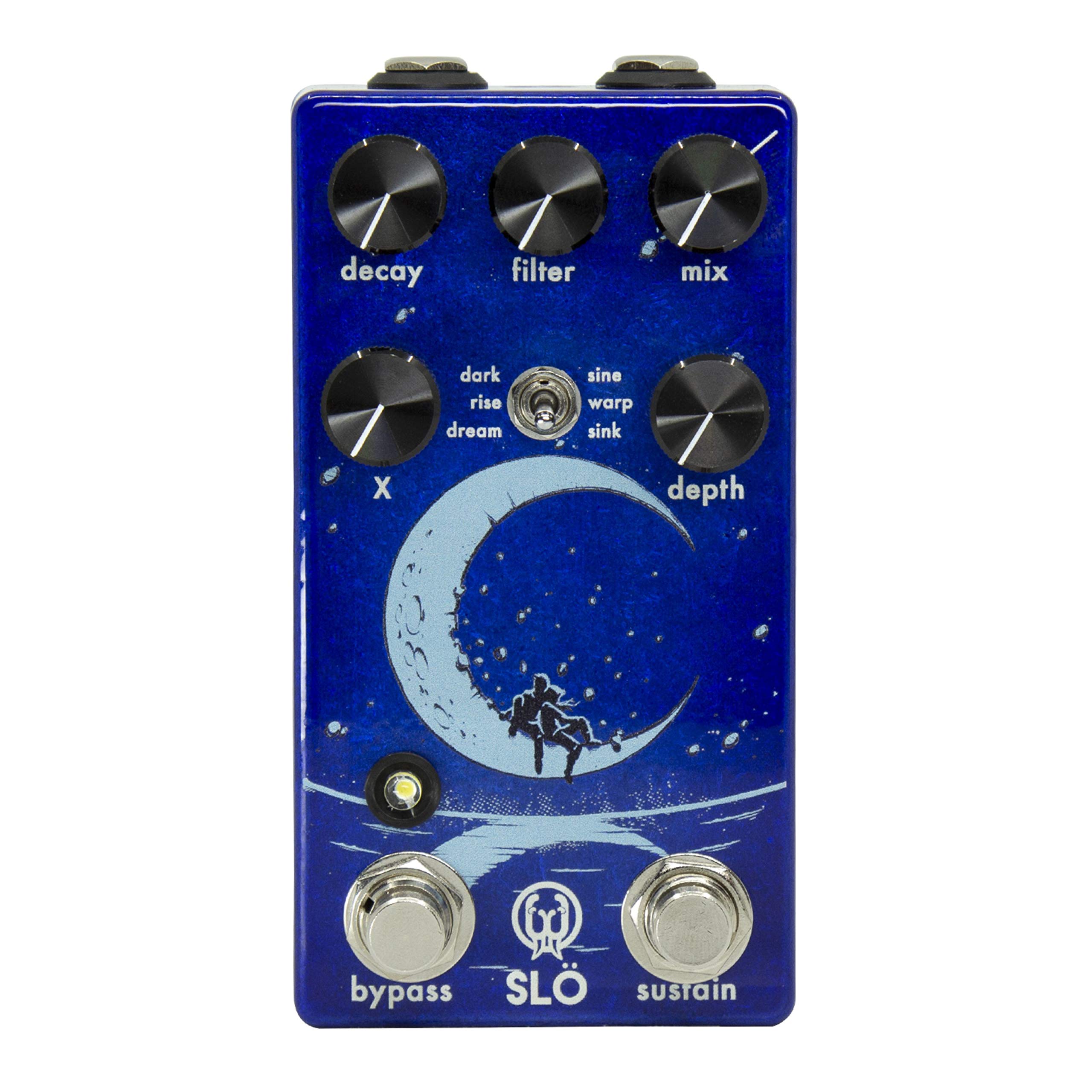
If you like pads and slow-moving ambience, the Slö is one of those pedals that makes it easy to get cinematic, otherworldly tones. You can flip between Dark (adds a lower octave), Rise (auto-swell ambient swells) and Dream (latching pads with vibrato), then use the X control to shape modulation over the reverb tail.
It’s compact enough for a regular practice board but rich enough to sit in a small studio chain or a quiet gig; bring it to bedroom sessions to spark ideas or use it onstage when you want a dramatic swell or sustaining pad. If you want an ambient-focused reverb that’s creative and immediate, the Slö is a playful, very usable pick.
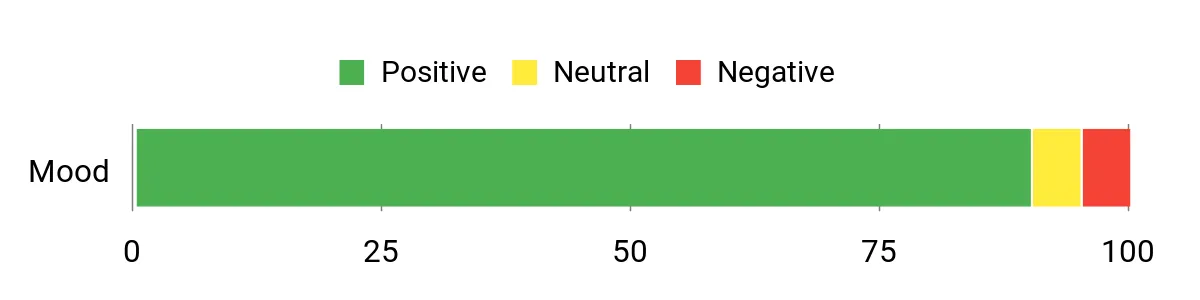
Players consistently praise the Slö for its unique, very musical ambient tones and the range you can get from just three modes. Folks often mention the lush decay, the creative modulation options, and the pedal’s solid build and artwork.
A common note is that the Rise function can be picky depending on signal strength, so some users tweak routing or amp levels to get the full swell effect.
Overall Sentiment: Positive
You can use the Slö for late-night bedroom experiments, home-recorded ambient beds, or to add big, cinematic swells in smaller live settings. It’s tailor-made for post‑rock, shoegaze, slow instrumental pieces and keyboard pads, but with decay turned down it can also behave like a more conventional reverb.
Just be mindful that Rise works best with a strong signal or placed before the amp’s front end rather than behind a weak effects loop.
The Lollipop Blue finish with original artwork gives the pedal a dreamy, boutique look that complements its sounds. It’s compact and visually distinctive, so it adds a bit of personality to your board without being flashy.
You don’t need to be a techie to get great sounds — basic knob tweaks and the mode switch will take you far — but intermediate players will enjoy pushing the modulation and sustain behaviors. Advanced users might wish for extra front-panel controls for secondary functions during live changes, but for creative sound design and atmospheric playing the Slö is very approachable.
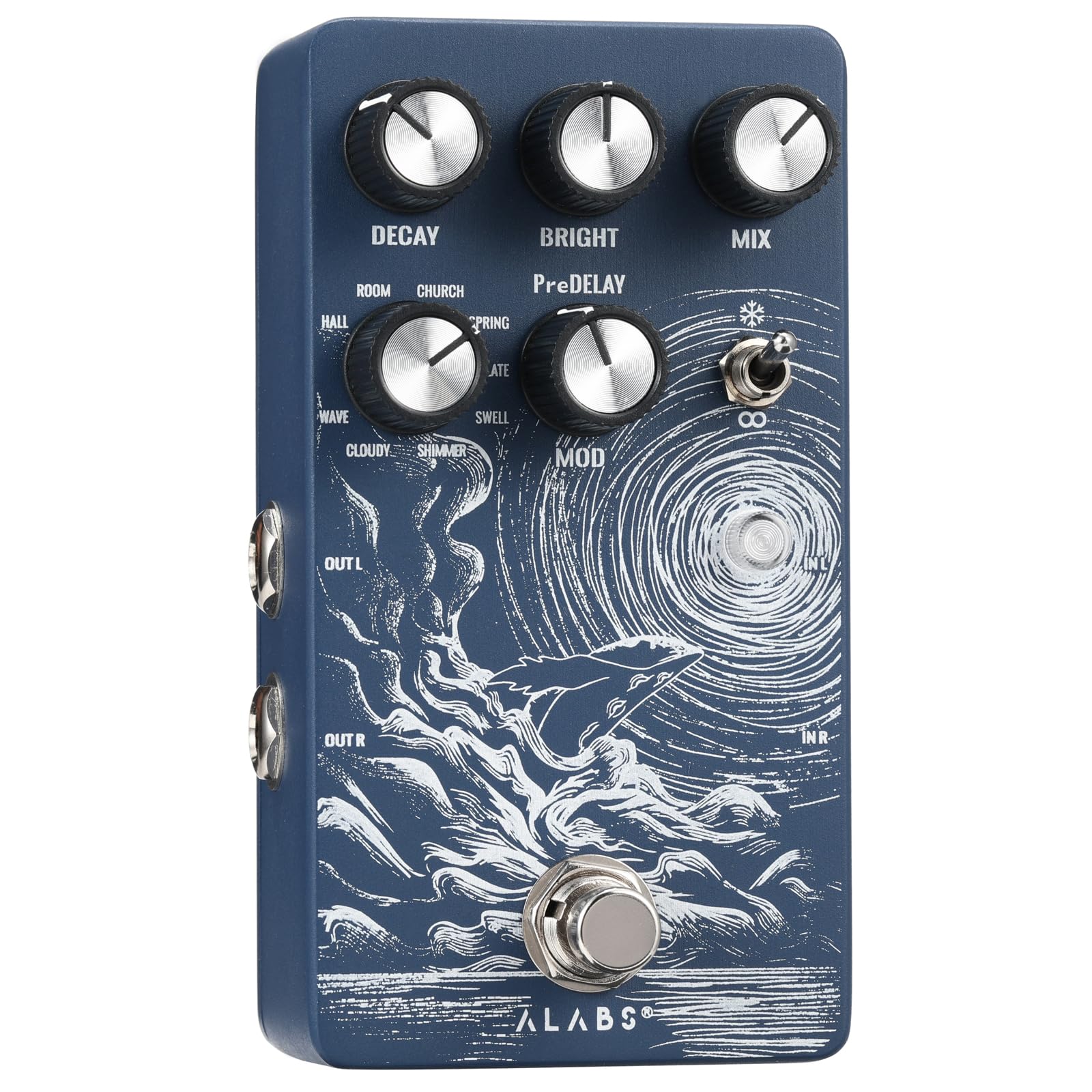
If you’re after big, immersive reverb without losing your core tone, the Cetus is a really practical pedal to keep on your board. It gives you everything from natural halls and plates to lush shimmer and experimental wave textures, plus an analog dry‑through so your direct sound stays intact.
The Freeze and ∞ Explore modes let you build endless pads or record short automated parameter sweeps for evolving atmospheres, which is great for late‑night practice, bedroom recording, or adding cinematic layers in a small gig. It’s compact enough to fit on a regular pedalboard but capable enough to sit in a studio chain — if you want a versatile stereo reverb that handles both everyday playing and more adventurous sound design, this one’s worth trying.
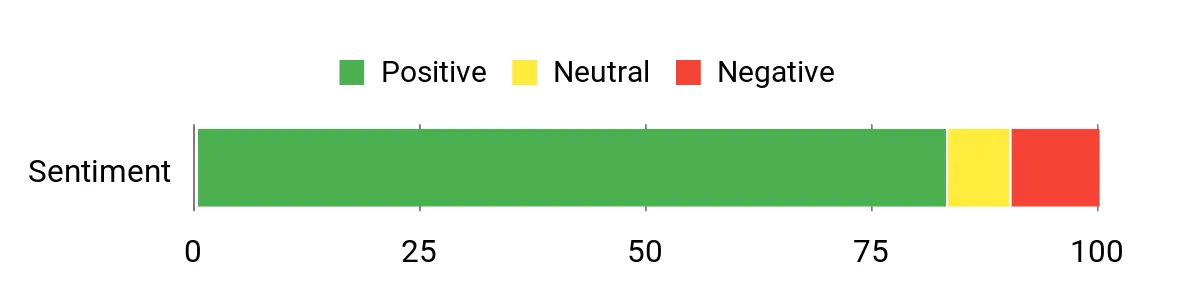
You’ll find most players praising the natural, high‑fidelity reverb tones and the strong stereo image — people often highlight the analog dry‑through as a big plus because it keeps your core tone intact. Reviewers also like the creative features like Freeze and the Explore mode for making pads and evolving sounds, while a few mention the side‑mounted jacks, power draw, or the small learning curve for the deeper features.
Overall Sentiment: Positive
This pedal is useful for quick practice sessions, home recordings where you want lush ambience, and smaller live setups when you need stereo depth without bulky racks. Flip into Freeze for pad backing during an intimate set, use Explore mode to craft slow‑moving textures for ambient tracks, or dial in a subtle room reverb for everyday rhythm work.
The Reverb Blue finish is attractive and modern without being flashy, and the compact metal chassis looks tidy on a pedalboard. It’s a subtle, boutique look that complements its sonic personality.
You don’t need to be a pro to get great results — basic knob tweaks deliver usable sounds quickly — but intermediate and advanced players will enjoy diving into the Explore and MOD features to sculpt evolving textures. Expect a short learning curve if you want to master the deeper functions.
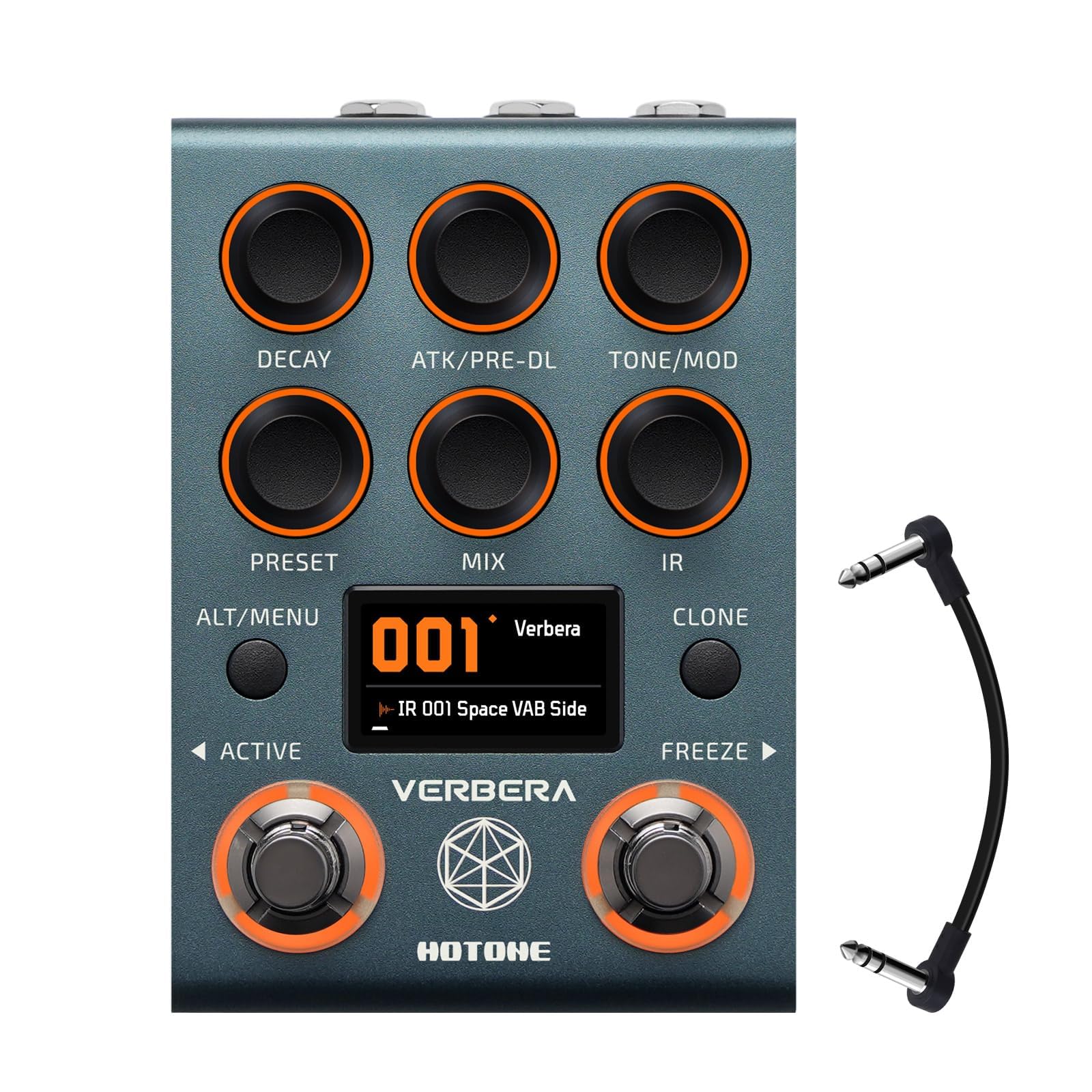
If you like dialing in otherworldly spaces, the Verbera hands you a huge palette. You can blend real‑space impulse responses with a flexible algorithmic engine to go from natural rooms to sci‑fi atmospheres, and the Neon Collector app makes loading your own IRs painless.
Use it on a pedalboard for live ambient swells, at your desk for bedroom recordings, or in a synth/FX loop chain for cinematic textures — the MIDI and expression pedal inputs let you shape trails in real time, and the Freeze/long‑tail capabilities are ideal for building pads. In short, if you want studio‑grade convolution power in a compact pedal that rewards exploration, this is one to try.
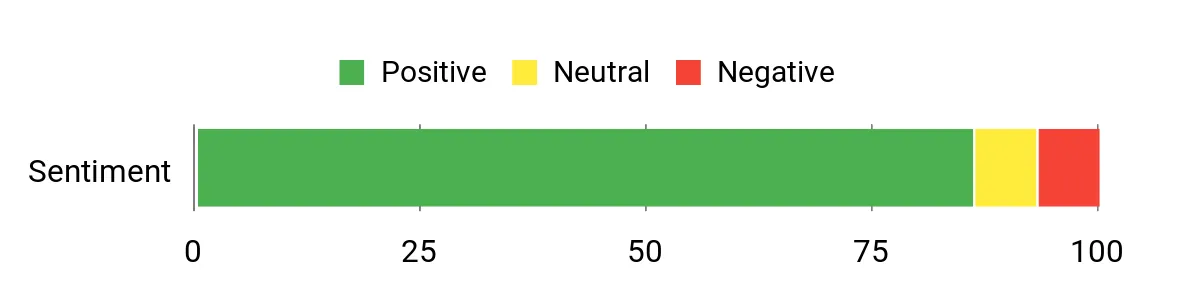
Players consistently praise the sound quality and the sheer variety of built‑in IRs, plus the creative flexibility you get from combining convolution with the XR engine. Folks also compliment the solid build and the desktop‑friendly workflow when tweaking patches, while some mention a small learning curve for the deeper features and wish for clearer labelling or different jack placement.
Overall Sentiment: Positive
This pedal works for quick practice, home recording, and live ambient sets — it’s at home shaping subtle rooms, lush shoegaze washes, or long cinematic tails. Hook it up to synths or an FX loop for layered textures, use MIDI or an expression pedal for hands‑free movement, or freeze a tail to create instant pads during a gig.
The black metal chassis feels tough and looks understated on a board; the layout keeps knobs and footswitches separated so you’re less likely to knock settings during a show. A few users note the labels and buttons could be easier to read in low light, but most appreciate the compact, professional look.
You can get useful sounds straight from the presets, but intermediate and advanced players will get the most from editing IRs, blending engines, and using MIDI/EXP control. Expect a short setup step for firmware updates and backing up patches to avoid accidental overwrites.
If you want a reverb that can be subtle and supportive or wildly orchestral, Cloudburst is built to do both. You can dial in natural rooms for practice, add a little ensemble for fuller live mixes, or open up long, evolving tails when you want to turn a song into a soundscape. The controls are clear and approachable, and the freeze/Ensemble features let you build pads on the fly — useful for solo gigs, worship sets, or studio layering. It’s compact enough for tighter boards and flexible enough that you’ll probably reach for it more than you expect.
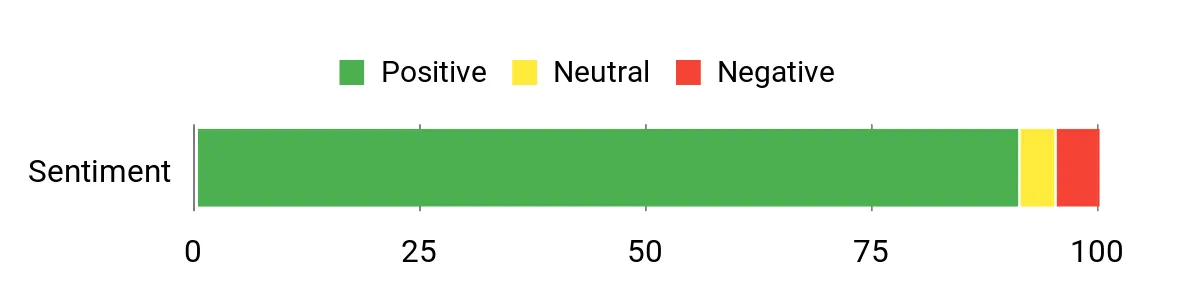
You’ll hear the same themes over and over: people love the lush, musical reverb tones and the Ensemble mode for filling out a mix. Many call out the pedal’s compact size and solid build, and reviewers also appreciate the straightforward controls plus the freeze and MIDI options for performance use.
A few mention a short setup curve for deeper features or tight jack placement on some boards.
Overall Sentiment: Positive
Cloudburst fits a lot of roles — use it for bedroom practice to add depth, on recording sessions to create cinematic layers, or live to thicken a small band’s sound. It works well with electric and acoustic guitars, but you can also feed synths, vocals or keyboards into it to create pads and ambient beds.
The MIDI and expression inputs make it easy to switch textures mid‑set without interrupting your flow.
The metallic blue finish looks professional and the compact chassis sits neatly alongside compact pedals you already own. Top‑mounted jacks help for tight pedalboards but can require some cable planning; overall it feels light but well made and tidy onstage.
You can get musical results straight away, so beginners who want great ambient tones won’t be lost. Intermediate and advanced players will appreciate the MIDI, freeze and external switch options for more creative control, though exploring the Ensemble settings rewards a little experimentation.
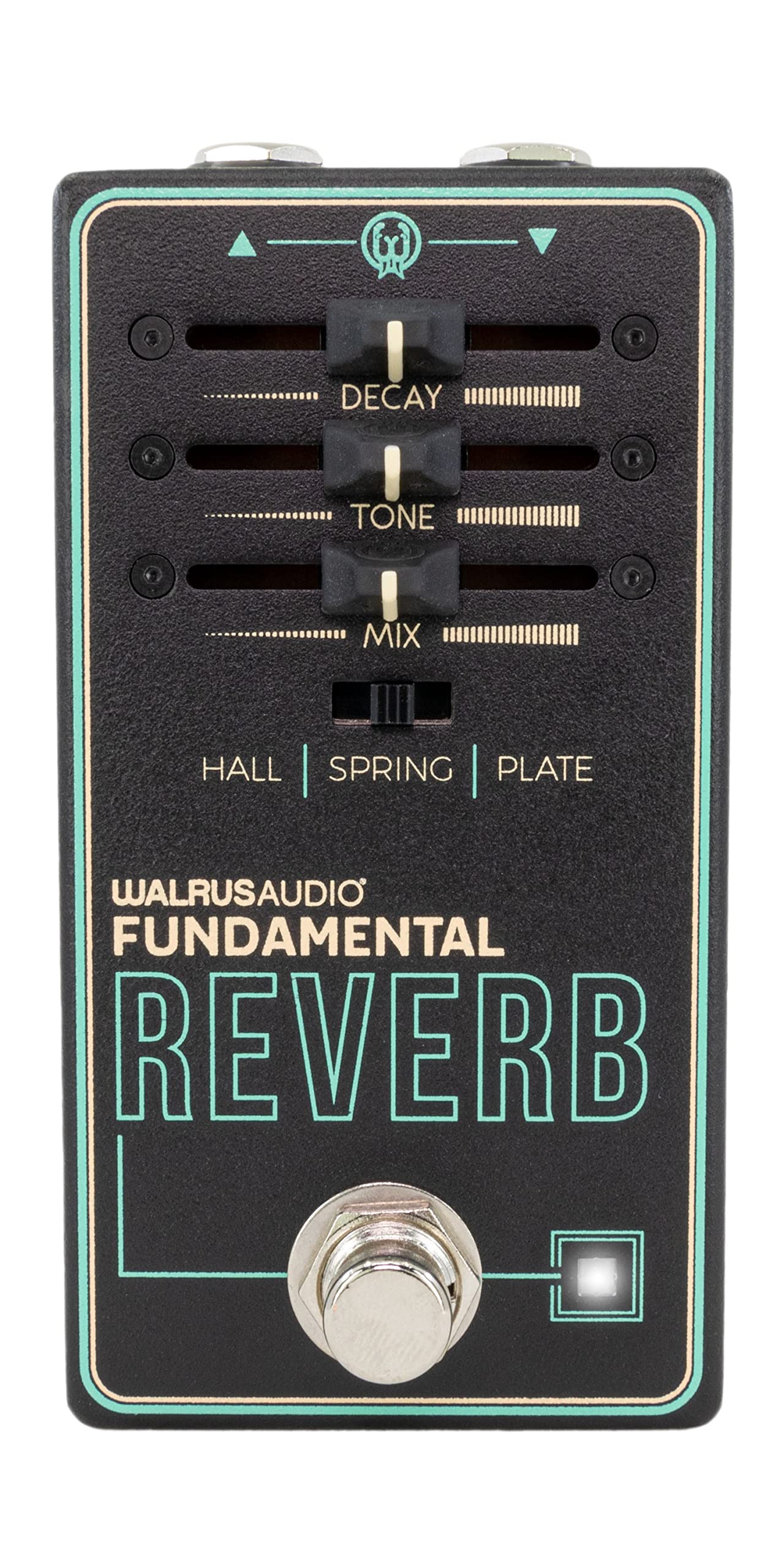
This is the kind of pedal that makes ambient tones approachable. You get three intuitive sliders and a three‑way mode switch so you can go from tight room to roomy plate or spring vibes without digging through menus.
That makes it great for everyday practice, quick recording takes, or adding lush tails during a live set. It’s compact enough for a crowded board but still built with tonal integrity, so whether you’re layering pads in the studio or just spicing up a rehearsal, you’ll find useful sounds fast. If you want something that gets you beautiful reverb without fuss, this is an easy pedal to recommend.
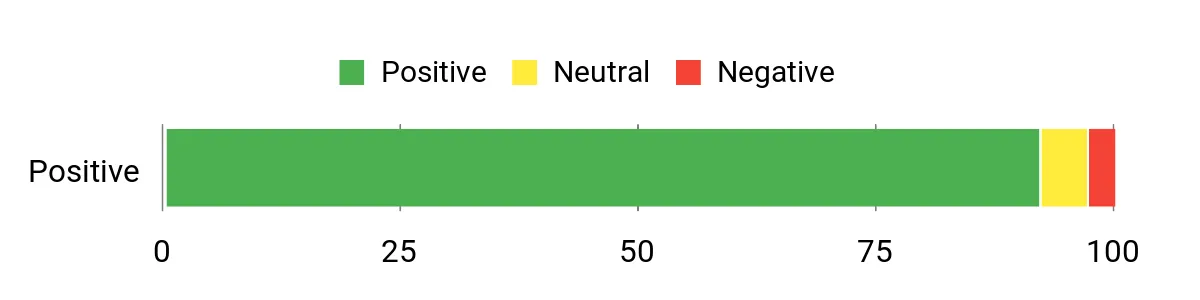
Customers consistently praise the Fundamental reverb for sounding larger than its size and for how easy it is to get a usable tone quickly. People often highlight the simple slider layout and three modes as a refreshing, hands‑on way to shape reverb without menus. Build and tone get frequent nods, though a few users suggest being careful with the exposed sliders during transport.
Overall Sentiment: Positive
This pedal covers a surprising range: use it to thicken bedroom practice, add subtle space on acoustic takes, or create long, evolving tails for ambient pieces. It’s compact enough for small gig rigs, yet musical enough to appear in studio signal chains.
You can pair it with electric or acoustic guitar, or feed in synths and keys for extra atmosphere.
The metal enclosure feels solid and clean on a pedalboard, and the horizontal sliders give it a distinctive, tactile look. It’s not flashy, but it reads as purposeful and tidy — the kind of pedal that blends into most rigs while still looking considered.
You’ll get great results right away, so beginners can dial in ambient tones with confidence. More experienced players will appreciate the straightforward controls for quick tweaking onstage or in the studio without sacrificing tonal quality.
You get a surprising amount of sound in a tiny package. The Mini packs nine reverb flavours and straightforward Dry/Wet, Time and Level controls so you can move from subtle room ambience to washed‑out, lo‑fi textures without digging through menus. It’s great for daily practice, bedroom recording, or adding instant atmosphere on a small gig; the USB‑C/9V power options make it easy to tuck into a pedalboard or toss in a bag.
If you like experimenting with different reverb colors but don’t want to sacrifice pedalboard space, this one’s a practical, no‑fuss companion.
You’ll notice most folks praise how much variety this little pedal offers and how portable it is — people like the hall, plate and lo‑fi options in particular. Customers also appreciate the simple controls and the USB‑C/9V power flexibility.
Common caveats are tonal quirks and occasional reports of signal interaction or reliability, with many users suggesting a buffer before it if you run into volume or tone changes.
Overall Sentiment: Positive
Use it to add subtle space to practice sessions, thicken acoustic or electric parts for home recordings, or dial in more extreme textures for ambient or shoegaze passages during a live set. Its size and multiple modes also make it handy for travel, quick demo sessions, or experimenting with synths and keyboards when you want compact, immediate reverb options.
The aluminium case gives it a clean, utilitarian look and the lit knobs/LED make it feel modern on a board. It’s not flashy, but the compact black finish reads as tidy and roadworthy — the kind of pedal that blends into most setups without drawing attention.
You can get good results right away, so it’s friendly for beginners. Intermediate players will enjoy the variety of modes for creative textures, while pros may see it as a handy backup or travel option rather than a primary studio reverb.
This little box gives you a surprising range of ambient textures without stealing pedalboard real estate. You get nine distinct reverb algorithms, simple Dry/Wet‑style controls and both USB‑C and 9V input so it’s easy to power on the road or at home.
It works well for everyday practice, adding depth to bedroom recordings, or dialing lush pads for ambient sections during a gig. If you like to experiment with shimmer, bloom or classic plate and spring sounds but need something small and immediate, this is a tidy, no‑fuss option that’s worth keeping handy.
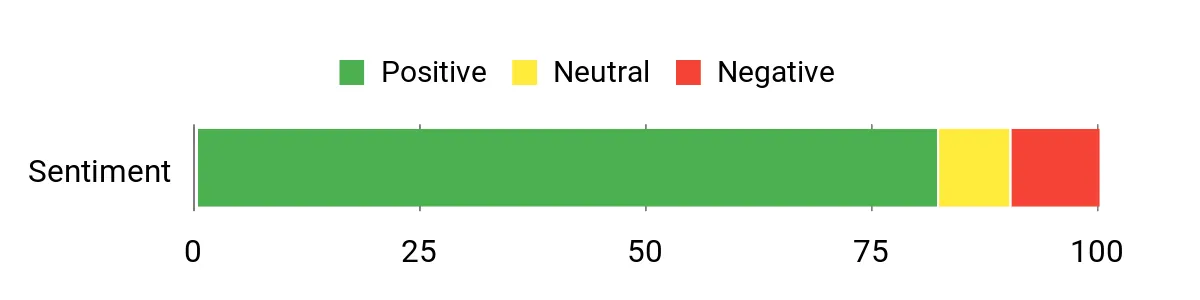
Customers tend to like how much variety you get from such a small pedal — shimmer, bloom and cloud modes come up a lot as favorites. People also call out the ease of use and handy USB‑C power option, which makes it plug‑and‑play for practice or travel.
On the flip side, a number of users mention occasional switch noise or a high‑pitched whine and some minor build quirks, so it’s seen as a great creative tool if you don’t need a flawless, pro‑tour workhorse.
Overall Sentiment: Positive
Use it to add subtle space to daily practice, thicken acoustic parts for quick home recordings, or create otherworldly swells and shimmer textures for ambient or shoegaze passages at a small gig. Its small size and multiple modes also make it convenient for travel, quick demos, or tucking into an effects loop when you want immediate, varied reverbs without a huge footprint.
The compact metal case and restrained finish give it a clean, practical look that blends into most rigs. It’s not flashy, but the small blue body reads as tidy and durable on a pedalboard.
You can get useful tones right away, so it’s friendly for beginners. Intermediate players will enjoy the range of modes for creative layering, while pros may treat it as an inexpensive travel or backup piece rather than a primary studio reverb.
You want a pedal that gives you wide dynamic range, inspiring algorithms, and expressive control so you can craft lush atmospheres without fuss. Look for a unit that offers multiple algorithms (hall, shimmer, plate, swell), an easy way to shape decay and pre‑delay, and support for expression or momentary footswitch control so you can morph textures in real time. If you plan to play in stereo or record immersive parts, choose a pedal with true stereo I/O to get a sense of width; if you prefer a compact board, a quality single‑box multi‑algorithm unit will let you explore dozens of ambient voices without eating space.
Trust your ears: pick the pedal that inspires you to play more, because the best ambient reverb is the one that makes you create.
Placement and power matter as much as the algorithm itself. In most setups place reverb near the end of your chain—after modulation and delay—so the reverb bathes everything that comes before it and keeps time‑based effects sounding coherent; use the amp effects loop if you want the reverb to sit after your amp’s preamp. Use an isolated, regulated power supply and check each pedal’s current draw and polarity in the specs so your supply can handle the load; isolation reduces hum and ground‑loop noise and preserves quiet ambient tails. Consider whether you want true bypass or buffered bypass depending on your chain length and passive pickups, and route cables to avoid crossing noisy power lines; a little attention here keeps your ambient textures pristine.
You can keep huge reverb sounds from overwhelming the mix by controlling where and how you use them. Dial the mix lower for live band contexts and use pre‑delay and tone controls to separate the dry attack from the wash so your chords remain articulate; when you need big moments, use a footswitch or expression pedal to ramp decay and mix up for specific sections.
Layering two reverbs with different characters — a short room for clarity and a long shimmer or swell for ambience — gives depth without sacrificing detail, and engaging trails or freeze features at the right time preserves your tails naturally. If you’re recording, capture stereo outputs or re-amp a wet signal for cinematic width, and always A/B settings in context with the full band so your ethereal soundscapes support the song rather than dominate it.
Now that you know what each pedal brings, you can pick a reverb that matches your creative goals. Choose a versatile workhorse (like the BOSS RV-6) if you want one pedal that covers everything, opt for a shimmer- and ensemble-focused unit (Strymon Cloudburst or HOTONE Verbera) to build massive, orchestral pads, or keep a compact, budget-friendly option (SONICAKE or MEDIORAYS) on hand for practice and quick setups.
Armed with these choices, you’ll spend less time hunting for tone and more time shaping the ethereal soundscapes you imagine.
| Product | Image | Weight | Dimensions | Power Source & Connectivity |
|---|---|---|---|---|
| Walrus Audio Fundamental Series Ambient Reverb | 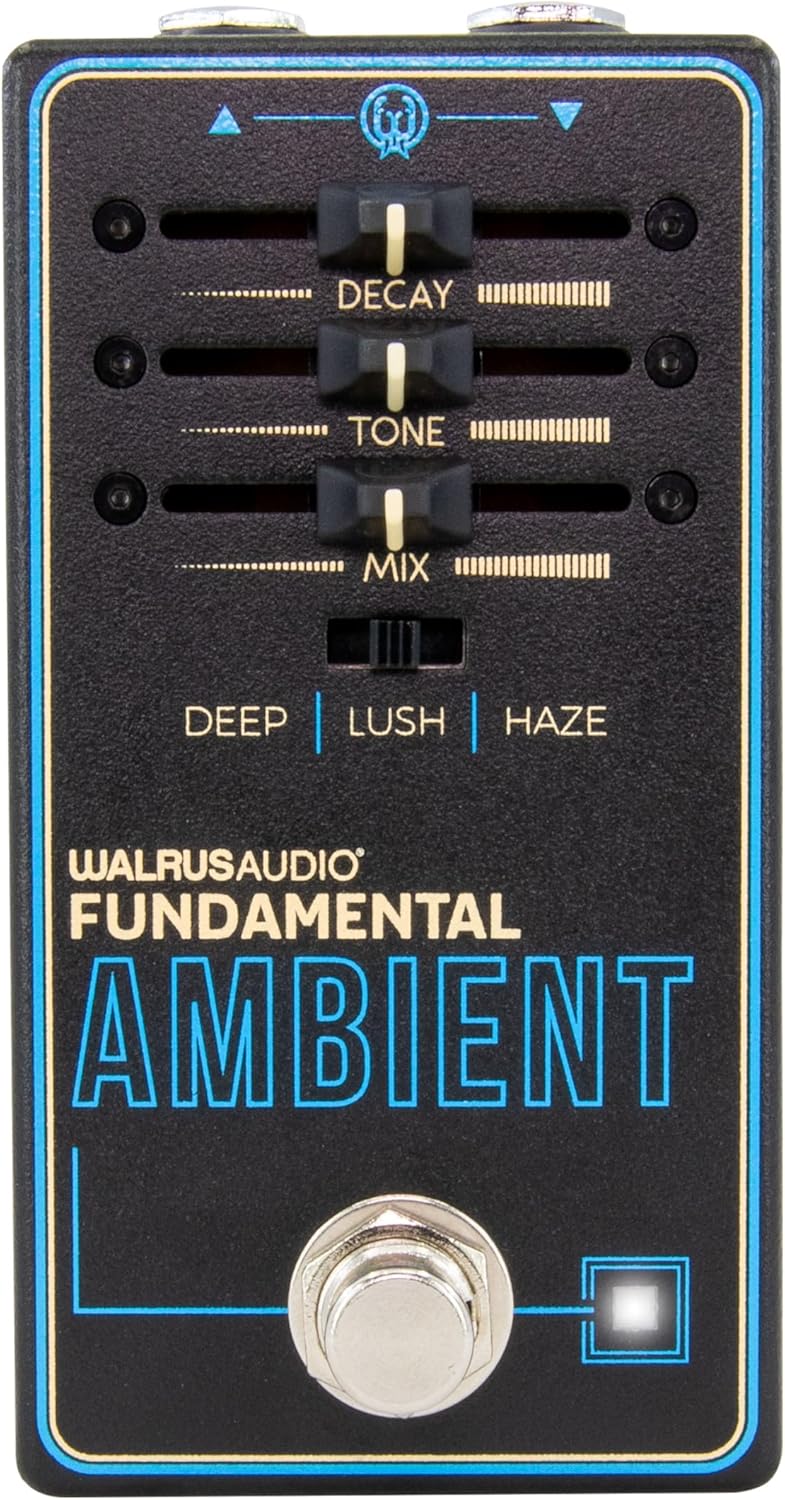 | 8.4 ounces | 2.4 x 4.57 x 2.24 inches | DC Power Supply, 9V |
| BOSS RV-6 Reverb Guitar Pedal |  | 15.9 ounces | 5.95 x 3.8 x 2.7 inches | Corded Electric, 9V |
| Zoom MS-70CDR+ MultiStomp Chorus/Delay/Reverb Pedal |  | 13.7 ounces | 5.24 x 3.11 x 2.4 inches | Battery Powered, USB |
| SONICAKE Delay Reverb 2 in 1 Guitar Effects Pedal Digital Levitate |  | 15.5 ounces | 4.88 x 3.54 x 2.16 inches | Powered by external power supply |
| Donner Reverb Guitar Pedal, Verb Square Digital Reverb 7 Modes |  | 8.8 ounces | 2.4 x 2.4 x 3.9 inches | Corded Electric, 9V |
| Walrus Audio Slö Multi Texture Reverb Standard |  | 14.4 ounces | 6 x 4 x 3 inches | DC Power Supply |
| ALABS CETUS REVERB Guitar Pedal | 9 Stereo Reverb Effects |  | 13.1 ounces | 4.86 x 2.57 x 1.39 inches | DC Power Supply |
| Hotone Verbera Convolution Reverb Pedal |  | 1.7 pounds | 6 x 3 x 9 inches | USB Powered |
| Strymon Cloudburst Ambient Reverb Guitar Pedal |  | 12 ounces | 4.8 x 3.35 x 2.55 inches | DC Power Supply, 9V |
| Walrus Audio Fundamental Series Reverb |  | 10.6 ounces | 5.55 x 4.5 x 2.9 inches | DC Power Supply, 9V |
| M-VAVE Mini Universe Guitar Pedal Reverb Innovation |  | 3.53 ounces | 5 x 3 x 2 inches | Corded Electric, 9V |

bestguitarequipment.com is a participant in the Amazon Services LLC Associates Program, an affiliate advertising program designed to provide a means for website owners to earn advertising fees by advertising and linking to Amazon.com, and any other website that may be affiliated with Amazon Service LLC Associates Program.